Categories

Shower Enclosures Types: Which One Fits Your Bathroom Design

One of the most important elements of bathroom renovations is shower enclosures. Available in several styles, shapes and materials, this critical component can make or break the overall appearance of your bathroom. If you are looking for expert tips on selecting the ideal shower enclosure, understanding different styles and factors can help you make an informed decision.

This guide explores the various types of shower enclosures, highlighting their key features and benefits and providing you with the knowledge to choose the perfect enclosure for your bathroom design.

6 Types of Shower Enclosures: How to Choose the Right One for Your Bathroom? 

On the Basis of Frames 

Framed Shower Enclosure 

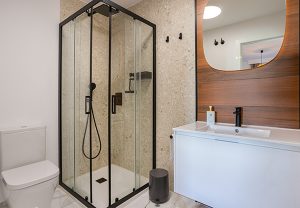
This type of shower enclosure features a visible border or frame around the corners of the glass panels. This frame is usually made from different materials, including aluminium and PVC. The frame prevents water leakage and provides structural support to the shower enclosure, which in turn ensures durability and ease of installation. 

You should choose a framed shower enclosure if you: 

  • Value functionality over minimalist design 
  • Need a pocket-friendly solution 
  • Prefer a classic bathroom aesthetic 
  • Want a low-maintenance option 
  • Have a limited budget 

Frameless Shower Enclosure 

These kinds of shower enclosures serve as a modern bathroom renovation solution that offers a luxurious look and transforms your bathroom space. Frameless shower enclosures also provide enhanced functionality and durability while creating a sophisticated ambience that elevates your bathroom’s style and practicality. 

You should choose a frameless shower enclosure if you: 

  • Want an easy-to-clean shower enclosure 
  • Prioritise sophistication and luxury 
  • Value durability as well as modern aesthetics 
  • Want a sense of openness in your bathroom  
  • Have a corner bathroom or a bathroom with high ceilings 

Semi-Frameless Shower Enclosure 

Semi-frameless shower cubicles strike a perfect balance between functionality and modern aesthetics. These enclosures come with a sleek frame design that supports glass panels while minimising visual obstruction. 

This type of shower enclosure offers numerous benefits, such as enhanced visual appeal, increased durability, affordability and easy cleaning.

You should choose a semi-frameless shower enclosure if you: 

  • Want ease of maintenance 
  • Seek a stylish and sophisticated shower 
  • Desire versatility and adaptability 
  • Want a luxurious feel without overspending 
  • Have a bathroom with limited space 

On the Basis of Doors 

Pivot Shower Enclosure 

This type of shower door is a popular choice among homeowners and builders. Pivot shower enclosures offer a mix of functionality, accessibility and style. Pivot shower enclosures feature a rotating hinge system that attaches the pivot door to the surrounding wall. They allow for a 180-degree rotation, providing easy entry and exit. This shower cubicle offers high durability and long-lasting performance, which guarantees years of trouble-free performance with minimal upkeep. 

You should choose a pivot shower enclosure if you: 

  • Prefer ease of access and mobility in bathrooms 
  • Want a high-end look 
  • Desire long-lasting performance 
  • Have a small or medium-sized bathroom 

Sliding Shower Enclosure 

A sliding shower enclosure is a perfect solution for projects demanding functionality without compromising style and durability. These kinds of shower doors have two or more glass panels that slide along a track, allowing for seamless access and smooth operation while maximising space efficiency. 

You should choose a sliding shower enclosure if you: 

  • Are looking for a space-efficient and accessibility-friendly solution. 
  • Seek affordable luxury. 
  • Need a space-efficient enclosure. 
  • Have a small and narrow bathroom. 

Bi-Fold Shower Enclosure 

These types of glass shower enclosures have a space-saving design that caters to diverse bathroom styles, including traditional, modern, and contemporary styles. In bi-fold shower enclosures, glass panels are hinged together in such a way that they effortlessly fold inward and outward, promising easy entry and exit. 

You should choose a bi-fold shower enclosure if you: 

  • Embrace sleek and contemporary designs. 
  • Want to use your bathroom space efficiently. 
  • Seek an attractive and functional shower enclosure. 
  • Have a corner bathroom or a bathroom with mobility and accessibility concerns. 

Wrapping Up 

Selecting the right shower enclosure is crucial to achieve the desired bathroom aesthetic. By considering factors such as your personal style preferences, mobility needs and available space, you can streamline your search and find the perfect fit for your bathroom design.

However, it is not just the design that matters; choosing the right glass provider also plays a key role in selecting the perfect shower enclosure. Among the trusted glass suppliers in India, AIS has years of expertise in crafting an extensive range of high-quality glass solutions that offer a blend of durability, safety, functionality and aesthetics.

Get your dream bathroom today with AIS – the ultimate destination for premium glass solutions.

Categories

The Importance of Maintaining a Clear Car Windscreen

Maintaining a clear car windscreen is critically important for any vehicle’s safe and effective operation. In addition to improving visibility on the road, it can also help improve airflow into the vehicle and reduce the risk of road accidents. Also, keeping your car windows clean will help maintain its resale value and increase its aesthetic appeal. This article will examine why keeping your car’s windscreen clean is important and how you can do it effectively.

So, let’s get started.

Importance of a Clear Car Windscreen

1. Clear Visibility

Having a clear car windscreen is essential for safe driving. It gives you better visibility of the road and helps to reduce glare from headlights of oncoming traffic at night. Moreover, it reduces distractions while driving, as you can see your surroundings without any obstruction. It also helps judge distances between objects, which is critical when taking turns or changing lanes. 

Furthermore, even in bad weather conditions like snow, fog, or heavy rain, having a clear windshield can help improve visibility to stay safe on the roads.

2. Enhancing Reaction Time

Having a clear car windscreen is essential to react quickly and safely to obstacles on the road. A clean and clear car windscreen helps drivers better see their surroundings and anticipate any potential hazards, thus increasing their reaction time. Cleaner windows also reduce glare from the sun or other headlights, further improving visibility and allowing drivers more time to make critical decisions such as braking or swerving. 

For these reasons, all drivers need to keep their car windscreens clean to maximize their reaction time and improve overall safety on the roads.

3. Avoiding Accidents and Collisions

A clear car windscreen is essential for driving safety, giving you an unobstructed view of the road ahead. By having a good view of the traffic and road conditions, a driver can make better decisions about handling their vehicle safely. Poor visibility due to dirt, debris, or condensation on the windscreen can be hazardous, leading to accidents and collisions. 

Windscreens should always be kept clean and free from obstructions like stickers, grime, and chips/cracks. Additionally, wipers should be in good condition and used regularly to ensure proper driving visibility.

4. Extends the Lifespan of Wiper Blades

For optimal performance, the car windscreen must be kept clean and debris-free. When dirt accumulates on the glass, it can cause wiper blades to become worn out prematurely. This is because debris and grime will cause abrasion on the blade’s rubber as it moves across the screen during a wipe cycle. Keeping your car’s windscreen clean helps avoid this wear-and-tear and extends the lifespan of your wipers. 

Additionally, when windshields are cleaned regularly with a glass cleaner, they are less likely to accumulate streaks or smudges when using the wipers, providing improved visibility for you while driving.

5. Better Driving Experience

Having a clear car windscreen is essential for safe and efficient driving. A clean and unobstructed view of the road ahead gives drivers better visibility, allowing them to respond more quickly when encountering obstacles or hazards. Furthermore, streaks and smears on the windshield can make it difficult to see properly at night or in other low-light conditions, creating a dangerous situation. Having a clear windscreen also improves aerodynamics, which increases fuel efficiency.

The Bottom Line

Keeping a car’s windscreen clean and clear is incredibly important for maintaining visibility, protecting your vehicle’s interior from the elements, and prolonging the life of your windshield. Regularly check for debris, cracks, or chips on your windshield, and ensure that you use proper cleaning products and techniques for maintenance. 

With just a little effort each month, you will have peace of mind knowing that you’re driving safely with an unobstructed view.


Categories

UV-Protected Glass vs Regular Glass: Which is Better for Your Home?

Selecting the right glass for your home can be overwhelming, especially with numerous options available in the market. Among these are UV-protected glass and regular glass.

While both may seem similar, they have distinct features that significantly impact their performance and overall value.

In this blog, we will explore these options by comparing UV-protected glass and regular glass, highlighting their key differences and benefits. First, let us understand what UV-protected glass is and its uses.

UV-Protected Glass: Meaning and Uses

What is UV-Protected Glass?

UV-protected glass is a type of glass designed to protect against harmful ultraviolet (UV) radiation.

Made using advanced technologies and specialised materials, this glass absorbs or reflects UV rays, thereby reducing UV transmission and enhancing energy efficiency.

Through an intricate manufacturing process, UV-protected glass acquires unique properties that make it a preferred choice among homeowners, interior designers, and architects seeking both protection and performance.

UV-Protected Glass Uses

  • Commercial storefronts and facades 
  • Museums and art galleries 
  • Furniture 
  • Glass walls 
  • Windshields 
  • Sunroofs 

Key Differences Between UV-Protected Glass and Regular Glass

ParameterUV-Protected GlassRegular Glass
UV ProtectionBlocks up to 90% of UV radiation and offers a higher level of protection.Blocks limited UV but allows most UV-A radiation to pass through.
Energy EfficiencyAbsorbs solar heat (depending on tint and thickness), thereby reducing air-conditioning usage and energy costs.Allows solar radiation to enter, resulting in higher cooling costs and increased energy consumption.
CoatingsFeatures specialised soft and hard high-performance coatings that reflect heat away.Lacks specialised coatings, leading to lower indoor comfort.
InterlayersMay include specialised interlayers that help reduce infrared transmission.Does not typically include interlayers and relies solely on glass composition.
DurabilityHas a longer lifespan as it resists UV-induced degradation, improving performance and efficiency.More susceptible to thermal stress and UV-induced degradation, leading to frequent replacements.
CostGenerally more expensive but offers long-term benefits that outweigh the initial cost.A more economical option compared to UV-protected glass.
ApplicationsIdeal for premium applications such as residences, museums, art galleries, and high-end buildings.Suitable for basic applications such as windows, doors, partitions, mirrors, and furniture.
Interior ProtectionProvides strong protection for interiors, preventing fading and discolouration.Offers limited protection, leaving interiors exposed to UV effects.
SecurityOffers enhanced security when combined with appropriate safety films or laminations.Breaks more easily under impact and offers minimal resistance to break-ins.
GlareReduces glare, improving visual comfort and indoor visibility.Allows glare to pass through, which may cause eye discomfort.

Benefits of UV-Protected Glass Over Regular Glass

Choosing UV-protected glass for your windows is a better alternative to regular glass, as it not only offers enhanced protection against UV radiation but also:

  • Reduces glare and the risk of eye strain caused by sunlight
  • Protects interior décor elements from damage and fading
  • Helps reduce the risk of skin damage due to UV exposure
  • Minimises energy consumption
  • Requires less frequent replacement

Conclusion

If you prioritise protection, long-term value, high performance, energy efficiency, and durability, UV-protected glass stands out as an ideal choice for a wide range of spaces.

AIS Glass is top glass companies in India 2026, offering a wide range of premium products tailored to the needs of various industries.

At AIS, we combine innovative design with superior quality to deliver cutting-edge glass solutions that offer exceptional performance and visual appeal.

To learn more, visit AIS Glass today.

Categories

Annealed Glass vs Tempered Glass: Key Differences and When to Choose Each

Whether it is a new construction or renovation project, selecting the right glass is crucial. Among the numerous glass options available, annealed glass and tempered glass have emerged as two of the sought-after choices. 

Before making a decision, it is essential to know what sets these two apart and how their application can impact the success of different projects. 

Let’s explore annealed glass vs tempered glass and understand their key features and applications. 

What is Annealed Glass? 

Also known as float glass, annealed glass is a type of glass that undergoes a controlled heating and slow-cooling process to relieve internal stresses. Manufactured using the float glass process, it offers a smooth, flat surface with excellent optical clarity and minimal distortion.

Due to its versatility and ease of fabrication, annealed glass is widely used in residential and commercial applications. To learn more, read our detailed guide on what is annealed glass.

What is Tempered Glass? 

Tempered glass is an upgraded version of annealed glass that is manufactured through a specialised process. In this process, the glass is heated up to around 600° C and then quickly cooled with high-pressure air jets. 

This rapid cooling creates compressive stresses on the surface and tensile stresses inside the glass, improving its strength and impact resistance.

Tempered Glass Vs Annealed Glass

ParameterAnnealed GlassTempered Glass
Cooling ProcessSlowly cooled after the heating process.Rapidly cooled (quenched) after the heating process.
DurabilityRelatively low due to low tensile strength.More durable as it has a higher tensile strength and excellent weather resistance.
CostLess expensive, therefore, it serves as an affordable solution for projects with limited budgets.More expensive as specialised equipment and modern technology are used in manufacturing.
Breakage PatternWhen broken, it leaves sharp fragments that increase the risk of injury.Leaves small, blunt fragments which helps reduce the risk of injury during or after breakage.
StrengthWeakerFour to five times stronger than annealed glass. Learn 7 important facts about tempered glass you should know.
Noise ReductionLimited sound reduction due to lower density and sound transmission class (STC) ratings.Has better noise resistance due to increased glass density.
Energy EfficiencyLower as it has a higher thermal conductivity, resulting in more heat transfer.Higher as it minimises heat transfer.
LifespanShorterLonger
FabricationCan be cut using standard glass cutting tools.Cannot be cut after tempering.
Heat and Thermal ResistanceLower; thus, it may crack or shatter with sudden temperature changes.Higher resistance to thermal stress, making it less likely to crack.
Impact ResistanceLimitedHigh as it cannot break easily, reducing the chance of break-ins and intrusions.
SuitabilityDecorative elements and non-structural applicationsSafety-critical applications

How to Choose Between Annealed Glass and Tempered Glass

When selecting between annealed and tempered glass, consider the following factors:

  • Safety Requirements: If the application involves a risk of human impact, tempered glass is the preferred choice due to its safer breakage pattern.
  • Strength and Durability: For areas exposed to heavy use, impact, or thermal stress, tempered glass offers superior performance.
  • Budget Considerations: Annealed glass is generally more cost-effective and suitable for applications where high strength is not required.
  • Fabrication Needs: If the glass needs to be cut, drilled, or customised after manufacturing, annealed glass is the better option.
  • Application Type: Tempered glass is ideal for doors, railings, shower enclosures, and façades, while annealed glass works well for decorative and non-structural applications.

When to Choose Between Annealed Glass and Tempered Glass

Carefully considering your project’s safety and performance requirements is crucial when selecting the right type of glass.

1. Annealed Glass

Due to its lower impact resistance, annealed glass is better suited for applications that do not require high strength or enhanced safety features.

It can be used in applications where reducing glare and solar heat gain is important, making interiors more comfortable, especially in sunny climates. Annealed glass also provides subtle light diffusion, privacy, and enhanced aesthetics, making it suitable for spaces such as bathrooms, partitions, and office interiors.

2. Tempered Glass

Tempered glass offers greater strength and superior resistance to thermal stress. As a result, it is widely used in applications where safety, durability, and performance are essential.

You can use tempered glass for:

  • Interior design elements such as walls, partitions, and railings
  • Shower enclosures
  • Sliding doors and windows
  • Exterior applications, including building façades, roof glazing, staircases, and entrance doors
  • Car sidelites

Coming to an End

Both annealed glass and tempered glass have unique characteristics that make them ideal for a wide range of applications.

To make an informed decision, it is important to understand the properties, differences, and applications of both annealed and tempered glass. In addition, you must consider the specific demands of your project and choose from reputed glass companies in India, such as AIS.

AIS is a leading glass solutions company that specialises in designing, manufacturing, and marketing a wide array of glass products suitable for both residential and industrial applications.

For expert consultation and specialised glass solutions, contact AIS today.

Categories

Difference Between Tempered Glass and Laminated Glass

When choosing a safe, secure, and durable glass solution for a space, two options rise to the forefront- tempered glass and laminated glass. The differences between tempered glass and laminated glass stems from their unique features, benefits and limitations, which greatly affect their suitability for specific uses.

So, let us compare tempered glass and laminated glass in depth to help you understand which one best aligns with your project’s requirements.

Laminated Glass Vs Tempered Glass

Offering exceptional strength, pleasing aesthetics and unbeatable quality, both tempered glass and laminated glass are good options for different applications.

The difference between tempered and laminated glass is characterised by several key variations. The comprehensive evaluation given below explores the fundamental differences between these glass types:

ParameterTempered GlassLaminated Glass
Manufacturing ProcessMade by heating annealed glass to over 1100°F and then rapidly cooling it with blasts of cold air to create compression on the surface and tension within the core of the glass. To learn more about the manufacturing process, read our detailed guide on how tempered glass is made.Made by bonding two or more layers of glass with a PVB (polyvinyl butyral) interlayer using heat and pressure to create a strong, durable bond. To learn more about its manufacturing process, features, and applications, read our detailed guide on everything you need to know about laminated glass
Breakage PatternShatters into small, blunt fragments reducing the risk of injury.Breaks into sharp shards, but the glass pieces stick together, forming a spider web-like pattern which reduces the chances of injury.
DurabilityHighly durable and can withstand higher impact.Moderate to high but can delaminate due to water penetration, ageing and temperature fluctuations.
StrengthFour to five times stronger than annealed glass.Has enhanced resistance to impact, accidents, burglaries and intruders.
SecurityThe tempering process improves impact resistance and safety performance.The interlayer increases the glass’ strength, providing protection against forced entry and ballistic threats.
Heat ResistanceOffers better heat resistance and can withstand high temperatures easily.Provides moderate heat resistance.
UV ResistanceHas limited UV resistance.Offers enhanced UV protection.
Noise TransmissionProvides limited sound insulation.Efficiently reduces outside noise levels and fosters a quieter indoor environment.
ScratchproofHighly-scratch resistantModerate scratch resistance
WeightSimilar to annealed glassHeavier because of the PVB interlayer.
InstallationEasy to installRequires professional installation due to its weight and because it cannot be easily cut or modified after manufacturing. To learn more about the installation process, read our detailed guide on step-by-step guide to laminated glass installation
MaintenanceCan be easily cleaned without worrying about damage when maintained properly. To learn more about cleaning and maintenance, read our detailed guide on how to maintain and clean toughened glass.Requires minimal upkeep and maintenance.
RepairCannot be repaired and must be replaced if damaged.Possible to repair with specialised tools in case of minor chips.
ApplicationsSuitable for interior safety applications, such as tabletops, shelves, railings, shower enclosures, doors, windows, etc.Ideal for skylights, overhead glazing, glass staircases, car windshields, etc.
CostMore cost-effective and an economical optionMore expensive
CustomisationLimited customisation optionsHighly customisable
Energy EfficiencyLess energy efficientEnhanced energy efficiency
Weather ResistanceWithstands extreme weather conditions.High resistance against weathering and corrosion.

How to Choose between Tempered Glass and Laminated Glass?

While both tempered glass and laminated glass offer durability, there are some points that differentiate them for specific applications.

Choose laminated glass if you are looking for:

  • Enhanced safety features and benefits
  • Strength and resilience
  • Improved sound insulation
  • UV resistance
  • Aesthetics
  • Hurricane and storm resistance

Choose tempered glass if you seek:

  • Impact resistance
  • Increased safety in your residential space
  • A low-maintenance glass solution
  • Thermal endurance
  • Better optics and clarity

Both glass types are excellent options for homeowners, builders and architects, catering to diverse project needs and budgets.

However, laminated glass offers additional benefits at a higher cost, making it an ideal choice for spaces requiring enhanced sound insulation, UV protection, and improved safety. High-performance solutions such as AIS Acousticglas are specifically designed to reduce external noise while providing the safety and durability of laminated glass.

On the other hand, tempered glass is ideal for areas with moderate security requirements, budget-conscious projects, spaces exposed to heat (such as kitchens and bathrooms) and projects requiring easy maintenance.

Conclusion

When choosing between tempered and laminated glass, consider factors such as your budget, aesthetic preferences, functionality, safety, and security requirements. Understanding the unique advantages of each glass type will help you make the right decision for your project.

As one of the leading laminated glass companies in India and a trusted toughened glass manufacturer and supplier, AIS offers a comprehensive range of high-performance glass solutions for residential, commercial, and architectural applications. Manufactured using advanced technology and stringent quality standards, our tempered and laminated glass products deliver exceptional strength, safety, durability, and aesthetics.

Explore AIS’s wide range of tempered and laminated glass solutions to find the ideal option for your project. Contact our experts today for customized recommendations and reliable glass solutions.

Categories

Security Glass Installation: Key Considerations for Optimal Protection

As security concerns continue to rise, the use of security glass has become an essential step for providing added protection to all types of spaces. 

Manufactured with a specialised PVB interlayer between two sheets of glass, this laminated glass provides ultimate protection from burglar attacks and other potential threats. 

For those who have decided to install security glass, there are some key considerations to keep in mind to maximise its effectiveness and ensure maximum protection. 

So, let us explore the essential factors you must consider when installing a security glass. 

Key Considerations for Security Glass Installation 

Assess Your Security Needs 

Identifying potential risks helps determine the required security level, which, in turn, guides the selection of the appropriate type of security glass

Therefore, before starting with the security glass installation process, consider: 

  • Location: Areas prone to crimes or natural disasters demand enhanced security. 
  • Access Points: A space with multiple entry points also affects security needs. 
  • Type: The type of space (residential, commercial or industrial) impacts the required level of security as each of these spaces has unique security requirements. 
  • Asset Value: Facilities with valuable equipment or merchandise demand advanced security glass solutions. 
  • Existing Security Tools: The current infrastructure, such as alarms, cameras and access control systems also influences security requirements. 

Choose the Right Type of Security Glass 

Different types of security glass cater to different situations. For this reason, you must choose the one that matches your security needs. For example- if you want protection against forced entry and ballistic threats, choose laminated security glass. 

If you want a glass that can withstand extreme temperatures while enhancing safety and reducing the risk of injury in the unlikely event of breakage, tempered security glass installation can be done. 

Optimise Glass Thickness 

Glass thickness is another crucial factor in security glass installation that affects the level of glass performance. 

A security glass with normal thickness is a good way to ensure easy handling, flexibility and cost-effectiveness. 

However, a thicker security glass can offer enhanced security due to its greater impact resistance. This type of glass also ensures durability and strength, reduces heat transfer, minimises noise transmission and withstands major threats. 

Measure the Security Glass 

Accurate measurements of the glass, as well as, the security glass are vital for ensuring successful security glass installation. This step helps ensure a precise fit of the glass frame and the glass, preventing rework and increasing efficiency. 

Failure to measure the glass appropriately can cause installation delays, material waste, reduced glass performance and aesthetic issues. 

To avoid such situations, use a measuring tape to measure the glass, frame and opening, record the measurements properly, double-check them for precision and verify the recorded dimensions against the manufacturer’s product specifications. 

Ensure Quality Installation 

A well-planned and properly executed security glass installation is the foundation of optimal protection. 

Thus, it is suggested that you ensure the correct security glass is installed as this will maintain structural integrity and prevent any possible compromises, such as premature failure and costly rework. 

Moreover, quality installation will also help you maintain glass clarity, ensure glass and frame stability, prevent air and water infiltration and reduce safety risks, both during and post-installation. 

This way, proper installation ensures optimal protection and performance of security glass combined with its smooth operation. 

Post-Installation Maintenance 

Post security glass installation, maintenance and care of the security glass are among the most important factors that maximise its effectiveness. 

Conducting regular inspections of the glass and the sealants is ideal to detect and address the signs of wear and tear, ensuring that the security glass works as a robust barrier, offering optimal protection. 

Summing Up 

Investing in security glass is an effective and effortless way to protect yourself and your valuable assets and property against unwanted intrusions, burglaries, natural disasters and extreme weather. 

However, to ensure that you make the most of this specialised glass, follow the essential checklist outlined above or consider turning to AIS Glass and leverage professional security glass installation services that feature exact fitting and thorough quality control checks. 

We at AIS provide end-to-end solutions to the customers, from manufacturing to installation. 

Are you ready to secure your loved ones and valuables with our top-notch security glass solutions? Fill out our customer enquiry form and our dedicated team of experts will contact you shortly. 

Categories

How to Install Smart Glass: Key Points to Consider for Glass Installers

Smart glass is one of the newest and most famous inventions in the glass industry. One of the main reasons behind the popularity of smart glass or switchable glass is its ability to change its optical properties with the help of an electric switch. 

Moreover, the flexibility, control, energy efficiency and privacy provided by smart glass also contribute to its increasing usage. 

Considering this, it becomes necessary to highlight the key points you must consider when installing a smart glass. 

This guide will provide you with the right approach to installing a smart glass, ensuring a successful installation with a flawless finish. 

Smart Glass Installation: Critical Points to Consider as a Glass Installer 

1. Understanding the Smart Glass Module 

Before starting the installation process, you must analyse the components of the smart glass in question. 

For this, you need to check the power supply and wiring system and plan the position of the glass in such a way that the electrician can easily access and set up the wiring. 

2. Wearing Glass Protective Gear 

The most important step in the smart glass installation process is to wear protective gear, such as gloves and safety glasses. This will ensure that your hands and eyes remain protected throughout the smart glass installation. 

3. Handling the Smart Glass 

Similar to standard glass, smart glass is also a delicate material. Therefore, it is suggested that you read and follow the storing and handling instructions provided by the glass manufacturer. 

Some common suggestions that you must follow are: 

  • Do not take the smart glass out of the box by sliding it. Lift it out very carefully to avoid damaging it. 
  • After taking out the glass, place it on a cushioned surface. 
  • Do not lift the smart glass using the wires and connectors placed on the glass. 

Pre-Installation Checklist 

Before installing the frame and profiles, inspect the area where the glass will be installed. 

Ensure that the required materials and enough electricity points are present at the site to avoid potential technical faults and delays. Also, check if the project has any special installation needs. 

Moreover, ensure that the place where you are going to install the smart glass is not exposed to direct sunlight or excessive heat. This will help you maximise the lifespan of the glass. 

5. Positioning the Smart Glass 

Once you have unpacked the smart glass and checked the necessary materials, you can start the installation process. 

To ensure the correct installation of the smart glass, use the standard setting blocks and locate them at a quarter point of the glass, ensuring that the distance between the setting blocks and the glass corner is at least 150mm.  

Now, position the smart glass on the setting blocks and ensure they are supporting the glass properly. 

Use a silicone adhesive to seal the glass on the surface securely. When choosing the sealant, make sure that you only select a neutral cure silicone instead of acetic silicone. This will help you avoid scratching or damaging the glass during installation. 

Note: When placing the glass on the frame, do not apply excessive pressure, as it can result in glass deformation or smart film delamination. 

6. Post-Installation Cleaning Tips 

  • Ensure that the glass edges are properly sealed and protected from moisture exposure. 
  • Switch off the electrical connection of the smart glass before cleaning it. 
  • Do not directly spray the cleaning solution on the glass surface. Spray it on a lint-free microfiber cloth to ensure that the liquid does not penetrate under the glass film, rim casket or profile. 

Coming to an End 

Whether you are a seasoned or novice smart glass installer, installing a smart glass requires you to understand the basics of smart glass technology. By following the points mentioned in this guide, you can install a smart glass safely. 

However, in addition to the following important tips, it is essential that you choose a reliable and experienced smart glass solutions company – AIS Glass. 

AIS Glass offers smart glass solutions that activate in less than 10 microseconds and are available in a variety of colour tints crafted to meet your spaces’ aesthetic demands. 

So, what are you waiting for? Explore our Swytchglas range and experience effortless privacy at the tap of a button. 

Categories

What Are the Types of Security Glass?

Security glass is a specialised type of glass that is designed to provide enhanced safety and protection against various threats, including physical impact, forced entry and vandalism. Its strength and durability make it an essential component, particularly for commercial buildings, residential homes and public spaces where safety and security are of great importance.  

Incorporating security glass into structures can significantly reduce the risk of property damage, loss and personal injury. This guide explores the various types of security glass available, their unique characteristics and how they cater to various needs depending on their applications.  

Security Glass Types  

Bullet Resistant Glass 

Bullet Resistant glass, also known as ballistic glass, is specifically designed to withstand the impact of projectiles such as bullets or shrapnel. It is commonly used in high-security areas, such as banks, government buildings and armoured vehicles.  

Bulletproof glass is typically made using multiple layers of glass separated by laminated interlayers. The number of layers and the thickness of the glass determine the level of protection provided by the glass.  

Laminated Glass 

Laminated glass is composed of two or more sheets of glass bonded together with a plastic interlayer, usually PVB or SGP. The interlayer acts as a barrier, preventing the glass from shattering into sharp fragments even when broken. This property makes laminated glass ideal for applications where safety is of great importance, such as car windshields, windows in high-traffic areas and skylights. 

In addition to its shatter-resistant properties, laminated glass also offers other benefits. It can be used to reduce noise transmission, provide UV protection and even serve as a fire-resistant barrier when combined with appropriate interlayers.  

Tempered Glass 

Tempered glass is a strong and durable type of safety glass. It is produced by quickly cooling the glass after heating it to high temperatures. This process creates internal stresses that make it more resistant to breakage.  

Upon breaking, unlike normal glass that shatters into sharp shards, tempered glass shatters into small, cubical fragments. This reduces the risk of injury and makes tempered glass a popular choice for applications such as shower doors, sliding doors and tabletops.  

Heat Strengthened Glass 

Heat-strengthened glass shares some similarities with tempered glass. It undergoes a thermal treatment process that involves heating the glass to a high temperature and then rapidly cooling it. However, the cooling process is less drastic compared to tempered glass. This creates a different internal stress pattern, which results in increased strength compared to regular annealed glass but not to the same extent as tempered glass.   

Wired Glass 

Wired glass is a type of safety glass that has a metal wire mesh embedded within its structure. The wire mesh provides additional strength and helps to prevent the glass from shattering into large pieces in case of a fire or forced entry.  

Wired glass is commonly used in doors and windows of fire-related buildings, as it can help to contain a fire and delay its spread. It is also used in areas where there is a risk of vandalism or burglary.  

Acoustic Glass 

Acoustic glass, also known as soundproof glass, is designed to reduce noise transmission. It is often used in areas where noise pollution is a concern, such as offices, homes and hotels. Acoustic glass is typically constructed using laminated glass with special interlayers that absorb sound waves. The thickness of the glass and the type of interlayer used will determine the level of sound insulation that the glass provides.   

Conclusion   

Security glass offers a versatile solution for enhancing safety and protection in various applications. From the high-impact resistance of bulletproof glass to the noise reduction capabilities of acoustic glass, there is a security glass type to suit every need.  

When selecting security glass, it is important to consider factors such as the specific threats you want to protect against, the desired level of protection and your aesthetic preferences. AIS Glass offers a wide range of security glass solutions that cater to all safety requirements.  

This, combined with expert guidance and customisable options, makes AIS Glass stand out as a glass solutions provider and an ideal choice for your security glass needs.  

Categories

Facts about Heat Resistant Glass

Glass that can withstand high temperatures has become an integral part of modern life. With it, many of the conveniences we take for granted are possible. This glass allows both heat and light to pass in helpful ways. Read on to uncover some fascinating facts about heat resistant glass. 

What is a Heat-Resistant Glass? 

Heat-resistant glass is designed to withstand extremely high temperatures before failing or allowing heat to pass through. Different types of heat-resistant glass become sturdier as the maximum operating temperature increases, so selecting the appropriate classification and thickness for the heating levels is important. 

Tempered glass, laminated glass, ceramic glass, and soda-lime glass are the most popular forms of heat-resistant glass. Tempered glass is the most commonly used variety. Depending on your needs, you can select the appropriate variety because they all offer distinct characteristics and benefits. 

Facts about Heat Resistant Glass 

Mentioned below are some evident facts about heat-resistant glass: 

1. Types of Heat Resistant Glass 

There are mainly two types: tempered glass and laminated glass. Tempered glass is a single piece of toughened glass, while laminated glass involves bonding two pieces of glass with an interlayer like PVB. Both undergo special manufacturing processes to increase their strength and heat resistance. 

2. Double Layer Protection 

Some heat-resistant glass options protect both sides by using double-sided heat-resistant glass for extra safety. The inner and outer surfaces both maintain integrity at high temperatures, helping to reduce the amount of heat that can pass through overall. 

3. Approvals for Framing Systems 

Leading brands test their heat-resistant glass solutions with common framing material like aluminium frames. Some even offer frameless options for maximum visibility. This helps architects and builders easily integrate the glass into partition and facade designs. 

4. Noise Reduction 

The extra layers in laminated heat-resistant glass provide sound-insulating properties. It can reduce noise transmission by up to 49 decibels, helping maintain quiet indoor spaces even during loud exterior conditions. 

5. Impact and Pressure Resistance 

Heat-resistant varieties are much stronger and almost unbreakable than regular glass, even under high pressure or impact loads. This makes them highly durable and safe for use in high-traffic areas. 

6. Aesthetics and Visibility 

While ensuring maximum safety, leading brands also focus on aesthetics. Their heat-resistant glass solutions maintain clarity and transparency for visibility like regular glass, allowing natural light in without compromising on design. 

The Bottom Line 

Heat-resistant glass provides invaluable protection during extreme temperatures while maintaining visibility and aesthetics. Whether for commercial buildings, industrial facilities, or residential homes, the various types and styles of heat resistant glass maximise safety and insulation from high temperatures. The right heat-resistant glass solution can be configured for any space with options that suit different framing materials, environments, and noise control needs.  

Their strength and resistance to impact only add to their durability. For projects that demand integrity in high-heat areas, sourcing products from a reputed supplier like AIS Glass is the way to go. Our extensive expertise can deliver precisely what you need to safeguard occupants. 

Categories

Tips for Upgrading Your Home with Energy-Efficient Glass

Upgrading your home with energy-efficient windows is one of the wisest investments you can make as a homeowner. High-performance glass can lower energy bills, improve comfort, reduce moisture condensation and outside noise, and potentially boost resale value down the road. With many window glass options on the market today, it can get overwhelming trying to pick the right solution for your needs and budget. Here, we’ll discuss energy efficient glass and tips for upgrading your home with it. 

What is Energy Efficient Glass? 

Energy efficient glass refers to double or triple-glazed window panes with special coatings and gases injected between them to slow heat transfer. Compared to regular single-pane windows, which lose heat rapidly, energy-efficient ones have higher insulation ratings (measured in R-values), so they do a superior job of retaining interior air temperature. There are different technologies available – some types, like Low-E glass, have metallic coatings that reflect heat into a room during cold weather and outward on hot days.  

Others are filled with argon or krypton gases between the panes, which insulate against conductive heat flow. The core functionality of these upgraded windows lies in their ingenious methods to trap desirable heat in the winter while blocking excessive sun rays in the summer, helping maintain a comfortable climate inside while saving on energy expenditures. 

Tips for Upgrading with Energy Efficient Glass 

When upgrading your windows, here are some tips for choosing the right energy efficient glass: 

1. Living Spaces 

South-facing living spaces heat up easily. Choose Low-E glass to block UV rays and limit heat gain. Electrochromic glass offers the most control over glare and temperature. 

2. Kitchen 

Low-E glass works well for typical kitchen use. Consider thermochromic glass by sinks, which tints automatically on hot sunny days. 

3. Bedrooms 

Prioritise noise reduction with laminated panes plus improved insulation with aerogel or argon/krypton gas-filled double glazing. 

4. Bathrooms 

Prevent condensation with Low-E coatings. For privacy, choose windows with translucent interlayers. 

5. Basements 

Opt for triple glazing with two Low-E coatings and krypton gas fill for maximum insulation. 

Choosing Energy Efficient Glass 

When selecting new energy-efficient windows, consider these factors: 

  • Climate: Colder climates benefit more from Low-E glass, which retains interior heat, while hotter climates need solar control coatings that reflect heat. 
  • Window Frame: Frames conduct and leak heat, undercutting efficiency gains from the glass. Choose insulated frames made of uPVC or Aluminium. 
  • Placement: Prioritise upgrading windows on south- and west-facing walls first, as they receive the most sun exposure. 

Installation Considerations 

Proper installation is key to ensuring energy-efficient windows perform as expected: 

  • Replace the entire window, not only the glass, for full efficiency and weatherproofing. 
  • Make sure the window frame size matches precisely or is slightly larger to ensure gaps are sealed. 
  • Use high-quality Sealants and expanding foam around the window frame for minimal air leakage. 

Cost Analysis 

While energy-efficient windows have a higher upfront cost, the investment pays for itself over time through energy savings. Payback periods typically range from 8-12 years. Many utility companies also offer rebates for upgrading to energy efficient glass. 

Why Choose AIS Glass to get Energy Efficient Glass 

AIS Glass is a great option if you’re looking to install energy-efficient windows. They offer affordable products that can cut your energy bills. Beyond cost savings, their specialised glass comes in different tint options and thicknesses to fit your home’s needs. With customisation, efficiency and quality all rolled into one, AIS Glass ticks all the boxes. 

Conclusion 

Upgrading your home’s windows with energy efficient glass provides better insulation, comfort, noise reduction, and sustainability. Evaluate each room’s needs and climate conditions when selecting the right glass. A proper installation also ensures you reap the full rewards of lower energy costs. The investment into energy-efficient windows is well worth it for the long-term benefits. 

Categories

What Is Aesthetic Glass for Windows and Doors?

When building or renovating a home, choosing the right windows and doors is an important decision that impacts both function and appearance. One option to consider is aesthetic glass, which refers to glass products that go beyond basic clear glass to offer unique visual qualities. From frosted, tinted, or textured glass to glass with embedded designs or colours, aesthetic glass provides privacy, security, and style.  

Learning about the different aesthetic glass possibilities can help you select products that align with your decorative vision as you select windows and doors. Read on to explore glass products that combine aesthetics and functionality for a home that reflects your identity.   

What is an Aesthetic Glass?  

Aesthetic glass adds beauty to homes and buildings. It comes in different types, like coloured, textured, and patterned. Architects and designers use it creatively to make spaces look better and create interesting lighting effects. Also, technology has made it possible to use aesthetic glass in many ways to make our spaces look good and functional. 

Types of Aesthetic Glass 

Fabric Laminated Glass 

Fabric laminated glass offers a decorative way to combine the sleek transparency of glass with the warmth and texture of the fabric. It is constructed by sandwiching fabric interlayers between sheets of glass through a lamination process. In addition to its visually appealing blended look of glass and cloth, fabric laminated glass provides functional benefits, shatter resistance for durability and security, and noise reduction for sound insulation.  

Tinted Glass 

Tinted glass is a type of glass treated with special coatings or chemicals to give it a coloured or darkened appearance. Unlike regular clear glass, which lets in most sunlight, tinted glass helps block out some of the heat and glare from the sun’s rays. Tinted glass usually blocks 30% to 45% of the heat normal glass would let in, so rooms stay more comfortable and cool without having to sacrifice the ability to see outside. 

Colour Laminated Glass  

Colour laminated glass offers both aesthetic appeal and functional benefits. It is made by sandwiching coloured interlayers between clear glass sheets. This filters light to produce a range of beautiful hues while enhancing safety and UV resistance. Some key advantages of colour laminated glass are filtering up UV rays to prevent fading, shatterproof construction for durability and security, and noise-reducing qualities for sound insulation. 

Lacquered Glass 

Lacquered glass is a type of glass that has been coated with a decorative and protective lacquer coating. This opaque coating gives the glass a bold, eye-catching look while providing certain functional benefits. The lacquer withstands temperatures up to 80°C, so the glass can be used in warm environments. Lacquered glass can also be cut, drilled, ground, and edged to suit specific needs. The opaque coating provides privacy while allowing light to pass through.  

Conclusion 

When designing your dream home, don’t overlook the power of aesthetic glass to elevate form and function. With endless options from frosted to fritted, laminated to lacquered, you can select glass products that filter light beautifully, lend privacy, safeguard durability, and, above all, reflect your unique vision. Contact AIS Glass today to simplify the process so you can actualise spaces that inspire. 

Categories

Even The Score — Swathe Your Wardrobe Like Never Before

Your wardrobe is like a personal sanctuary. Apart from being a storage space for your clothes, accessories, footwear and other essentials, the way it is conceptualised and designed are also a reflection of your taste and character. Find the right balance between stunning aesthetics and everyday functionality to swathe your wardrobe like never before.

With a wide range of glass from AIS, you’re spoilt for choice when it comes to selecting the right type depending on your taste and requirement. AIS Décor is a lacquered glass that is designed especially for the interiors and to give your space a fresh appeal. Primarily a back-painted glass, AIS Décor has a striking coloured, opaque appearance that is made possible by applying a special high-quality paint to one of the two surfaces of the glass. It is then oven-cured using an advanced technical process.

AIS Décor is well suited for a glass sliding door for Wardrobes, especially when you’re trying to elevate the look and feel of your sliding wardrobe. It has an unmatched ability to instantly enhance the way your glass closet looks. To top it all, it is also eco-friendly and highly durable. The manufacturing process guarantees a uniform appearance and ensures that the paint adheres spotlessly to the glass. Rest assured, the brand-new look of the coloured glass is preserved, even after using it for years.
Additionally, you can customise the glass further to match your style. Choose from 16 stunning shades including Sparkling Snow White, Venetian Red, Black Pearl, Sterling Silver, Snow White, Sparkling Beige, Chrome Yellow, Turquoise Green, Stone Grey, Hazel Brown, Earthy Brown, Nile Blue, Spring Green, Autumn Orange, Azure Blue and Sea Green.
You can also cut, drill, ground, polish or edge-finish the material, as you desire. Choose from the huge array of AIS Décor Glass to give your wardrobe an elegant upgrade. This glass type is highly versatile, effortless in their appeal and can be easily customised to match your taste.

Categories

Types of Heat Resistant Glass

Heat resistant glass can withstand high temperatures without cracking or breaking. Therefore, it is suitable for many applications, from making cookware and ovens to fireplace doors. Depending on the application, different types of heat resistant glass may be used, each with its unique properties and applications.

Here are some common types of heat resistance glass you should know:

1. Tempered Glass:

  • It is a type of high temperature glass that has been treated at high temperatures to make it extra strong. This makes it safer and more durable than regular glass, as it can withstand impacts and other physical shocks without breaking. It is also resistant to thermal shock, which means it can handle rapid temperature changes without damage.
  • Tempered glass usually comes in two varieties: annealed and heat-strengthened. Annealed glass can withstand temperatures up to 250°C (482°F), while heat-strengthened glass has a maximum temperature rating of 350°C (662°F), learn more about what is annealed glass here. This makes it suitable for applications such as fireplace doors, stovetop covers, skylights, and windows in areas with extreme weather.
  • They are also scratch-resistant and can be designed to be non-reflective, making them a great choice for outdoor applications. Furthermore, since it is four times stronger than regular glass, this type of heat resistant glass for windows is more resistant to breakage in the event of an accident or impact.

2. Ceramic Glass:

  • Ceramic glass is made from silica, boron oxide, alumina, and other materials. It is known for its high strength and thermal stability. Ceramic glass can withstand temperatures up to 1000°C (1832°F). This makes it ideal for use in high-temperature environments such as fireplaces, kilns, and furnaces.
  • It is also non-porous, so it will not absorb liquids or odours. This makes it a great material for use in stoves and cookware where liquids are involved. It offers good scratch resistance as well, making it ideal for applications such as countertops and kitchen surfaces that are exposed to wear and tear.
  • It also blocks UV radiation, making it great for laboratory applications where UV radiation needs to be blocked.
  • Ceramic glass is more expensive than tempered or borosilicate glass because of its higher production cost. However, its durability and long lifespan make up for the expense over time.

3. Soda-Lime Glass:

  • Soda-lime glass is the most common type used in commercial and residential applications. It is made from a combination of sand, soda ash, calcium carbonate, and other materials. Compared to borosilicate and quartz glass, soda-lime glass is not as strong or temperature resistant glass, and it can withstand temperatures up to 350°C (662°F).
  • However, its low production cost makes it ideal for use in windows, lighting fixtures, oven doors, cookware, food storage containers, and even art projects. Its ability to be moulded into different shapes also makes it a great choice for decorative purposes.

Summary

Heat proof glass is an essential material for many applications due to its ability to withstand extreme temperatures and impacts. Depending on your needs, you can select the right type, such as tempered, ceramic, quartz, or soda-lime. Each type has unique features and benefits, making it suitable for different purposes. With the right selection, you can be sure that your projects will remain safe and secure.

Categories

Your guide to a safer lead-free mirror glass

Today’s consumers (or customers) are always on the lookout for environment- friendly options in the market. They are aware of the long-term benefits of embracing environment-friendly products vis-à-vis their counterparts. What if you can give back to the environment by selecting a copper-free mirror glass for your brand new home?

The mirror is one of the essential accessories when you upgrade to your bathroom, wardrobes, or cupboards. When using the mirror, you would always want a distortion-free image. How do you find the perfect environment-friendly mirror for your home? Though there are different types of glasses available in the market, none can beat the offerings of copper-free or lead-free mirrors. Here’s everything you want to know about this lead-free glass alternative.

What is a lead-free mirror?

Ordinary mirrors manufactured using copper or lead are non-environment-friendly products and tend to produce distorted images. Copper-free or Lead-free mirrors are the most-modern mirrors that are manufactured without using copper or lead.

As there is no copper usage in the manufacturing process, copper-free mirror glass is resistant to humidity and corrosion.

Conventional glass mirror vs Lead-free glass mirror

Corrosion in conventional mirrors begins typically from the mirror’s edges and spreads inside like an infection. The corrosion factor is more prevalent when glass mirrors are used in bathrooms. On the other hand, lead-free glass mirrors are resistant to corrosion and ageing.

Environment-friendliness and humidity resistance are the two most important factors for choosing lead-free glass mirrors over other options for glass mirrors. A lead-free glass mirror is more durable than a conventional mirror since its surface is resistant to harsh cleaning products.

Lead-free glass mirrors from AIS are known to last up to three times longer than conventional mirrors.

If you are looking to bid farewell to the distorted reflections from ordinary mirrors, you should opt for lead-free glass mirrors. 

Critical Applications of lead-free glass mirrors

Lead-free or Copper-free glass mirrors can be used in a wide range of applications. Here are some of the standard applications of these environment-friendly glass mirrors:

  • Showrooms that are looking for a more spacious appearance
  • Display cases
  • Bathrooms
  • Sliding doors for cupboards, wardrobes, etc.

In a nutshell, bathrooms, homes, offices, retail spaces, restaurants, etc. are ideal places for lead-free mirrors. 

Why choose lead-free glass mirrors from AIS

Copper-free mirrors from AIS are crafted to perfection using superior materials and state-of-the-art technology. The mirrors are manufactured using advanced Belgian technology from Glaverbel. Distorted images would be a thing of the passé with AIS mirrors that deliver high optical clarity.

Mirrors from AIS, equipped with copper-free coatings, make the mirror look new even after years of usage. With improved resistance to harsh cleaning products, lead-free mirrors from AIS last three-times longer than conventional mirrors.

Mirrors manufactured by AIS adhere to IS 3438, EN 1036, and ASTM C 1503 manufacturing standards. Irrespective of where they need to be installed, you have the option to choose from a wide range of colours – Clear, Bronze, Grey, and Aqua Blue.

Conclusion

When you plan to pick up new mirrors for your home or business, you should choose environment-friendly options free from lead and copper. Copper-free mirrors are not only better for the environment but are also corrosion-free and resistant to humidity.

Unlike conventional mirrors that produce distorted images, lead-free mirrors are best known to deliver crystal clear images. Lead-free glass mirrors from AIS are best-suited for usage in bathrooms, showrooms, display cases, and more.

Categories

All You Need to Know About Car Windscreens and its Solutions

As the protective barrier between a vehicle’s cabin and the outside world, windscreens , often known as windshields play a crucial yet often overlooked role in driver safety and experience. Here, we will explore windscreen functionality, potential problems like chips and leaks, maintenance tips to prolong windscreen life, repair solutions for damage, and factors to consider when choosing new windscreen glass and service providers.  

What is a Car Windscreen? 

The windscreen provides a clear line of sight for the driver to see the road ahead and spot potential hazards. It also acts as a structural component, helping to support the vehicle roof during a rollover accident. Additionally, the smoothly contoured windscreen assists with passing airflow over and around the vehicle to reduce drag and turbulence. 

Types of Car Windscreens 

The two main types of auto glass are laminated and tempered. Laminated glass consists of two sheets of glass bonded together by a thin plastic interlayer, typically made of vinyl. The vinyl holds the layers of glass together even when broken, helping prevent shards from spraying occupants. Tempered glass does not have an interlayer.  

Instead, it is heat-treated to increase strength and cause it to crumble into small rounded pieces rather than large sharp shards if it breaks. While laminated glass is required by regulations to be used for windscreens in most areas, tempered glass may still be found in some side and rear windows. 

Common Windscreen Problems 

Over their lifespan, windscreens may develop minor damage or more significant issues necessitating repair or replacement: 

1. Chips and Cracks:

Small surface chips or cracks can appear due to impact from flying road debris. If left untreated, they may spread across the windscreen over time or lead to larger cracks. 

2. Pitting:

Constant exposure to road debris and weather can cause pitting – small dings or cavities worn into the surface of the windscreen glass. These do not affect visibility at first but grow over time, increasingly scattering light and impairing driver vision.   

3. Water Leakage:

The rubber seals surrounding a windscreen may wear out or become misaligned, allowing water to drip inside the vehicle during rain or when going through a car wash. Water leakage can lead to electrical issues and corrosion within the dashboard and interior. 

4. Delamination:

Over many years of heat/cold cycles and exposure to the sun’s UV rays, the vinyl interlayer holding together a laminated glass windscreen can begin to separate or delaminate. This significantly weakens the windscreen structure. 

Maintenance Tips for Windscreens 

While windscreen damage is often unavoidable, drivers can take measures to help prolong their windscreen’s lifespan: 

  • Park in shaded areas when possible  
  • Have small chips repaired as soon as feasible with resin injection 
  • Inspect windscreen seals regularly and reseat/replace them if letting water or air inside 
  • Consider applying a high-quality glass sealant that repels water and contains UV blockers 

Windscreen Repair Solutions   

Windscreen repair provides a cost-effective alternative to full replacement for minor chips and cracks up to several inches long. Trained auto glass technicians use specialised injection resin and equipment to fill damaged areas, preventing the further spread of cracks. The repairs restore integrity, strength, and visibility to the windscreen. 

More extensive damage necessitating replacement calls for a high-quality replacement windscreen properly bonded into place around the entirety of the window frame. Reliable auto glass providers like AIS Glass offer OEM and aftermarket laminated and tempered replacement glass windscreens for nearly all makes and models. Value-added options such as tint bands that block UV rays and water-repelling rain guards are also available.  

When faced with windscreen damage, partnering with experienced service centres helps ensure any repairs meet strict safety standards. They can access factory glass manufactured to precise curvatures and thicknesses for proper fit and function. 

How to Choose the Right Glass and Service Provider 

With something as important as driver visibility and occupant protection involved, it pays to select replacement windscreens from reputable manufacturers and work with established local auto glass shops. Key factors to consider include: 

a. Certified Technicians –

Confirm technicians undergo regular training in the latest industry procedures and standards to remove old windscreens and keep new units in place properly.  

b. Warranties-

Quality windscreen replacements should come with at least 1-year workmanship/installation warranties. The glass itself may also carry extended warranties against defects.   

c. Positive Reviews –

Check what current customers say about the clarity, fit, timely delivery, and overall service levels of different auto glass replacement providers under consideration. 

Conclusion 

As one of the most pivotal yet vulnerable exterior components on vehicles, windscreens deserve close attention when problems develop. Understanding common issues, preventative care, repair options, and factors guiding windscreen choice allows drivers to quickly address any visibility or leakage concerns. Partnering with reliable glass and service providers ensures any fixes uphold the highest safety and performance standards.

Categories

Where you Should Place Soundproof Glass

Do you need soundproofing in your home or office? Soundproof glass is a great way to reduce sound levels, whether you’re trying to cancel out the sound of traffic outside your window, dampen sound between rooms, or create privacy. But where should the soundproof glass be placed for optimal sound control and insulation? Keep reading to learn where soundproof glass should be placed for the best soundproofing results. 

  • Living Rooms 

Living rooms are often the hub of a home, and soundproof glass is an ideal solution for controlling sound in these busy spaces. This type of glass helps to contain sound within the room while also blocking sound from entering it. It can be used on windows, doors, and interior walls to create soundproofed environments.  

Whether watching your favorite movie or having a family gathering, the soundproof glass will help maintain comfort levels without sacrificing any natural light or aesthetic appeal. With soundproof glass, living rooms become peaceful sanctuaries that allow everyone to enjoy their time together without distraction. 

  • Bedrooms 

Soundproof glass is an effective sound dampening solution for bedrooms due to its sound insulation properties. By installing soundproof glass in the bedroom, sound waves are redirected and absorbed, thus reducing sound levels inside and outside the room. Soundproof glass can also be used as a privacy partition, allowing people to see out while preventing sound from entering or leaving the area. 

In addition, soundproof glass helps limit noise interference from other parts of the house, enabling occupants to get a better night’s sleep and ensuring distraction-free relaxation time in the bedroom. Installing soundproof glass in bedrooms is a simple yet effective way to reduce noise pollution and ensure peaceful living environments. 

  • Conference Rooms 

For busy offices where soundproofing is essential, soundproof glass can be an effective sound dampening solution. Installing soundproof glass in conference rooms helps to reduce noise distractions, allowing for uninterrupted meetings and conversations. Soundproof glass also provides privacy while maintaining a visible connection between team members.  

This type of sound dampening technology significantly reduces outside noise interference and creates an environment conducive to productive conversations. Whether blocking out street noise or loud office chatter, soundproofing your conference room with soundproof glass ensures that everyone involved has an equal chance to participate and express their views without interruption. 

  • Recording Studio 

When soundproofing a recording studio, soundproof glass can be used to create an effective sound barrier between the sound source and any ambient noise in the surrounding area. Soundproof glass is ideal for this application because it has excellent sound dampening properties that effectively reduce sound transmission.  

Additionally, soundproof glass blocks light, allowing for controlled lighting conditions within the recording space. Soundproof glass also adds an aesthetically pleasing touch to any recording studio and provides superior sound insulation. Installing soundproof glass in your recording studio ensures you get the best quality recordings possible with minimal interference from external noises. 

The Bottom Line 

When it comes to soundproofing your home or office, soundproof glass is the best solution. Installing soundproof glass in windows and doors can help reduce sound transmission, dampen sound vibrations, and create a peaceful atmosphere. While soundproof glass can be expensive, its value lies in its sound reduction benefits.  

The soundproof glass should be installed on every window and door in your space to maximize sound insulation. With soundproof glass, you’ll enjoy more peace while enjoying natural outside light. Investing in soundproof glass is an investment in creating a quieter environment for all who enter your space. 

Categories

Maintaining Frosted Glass Windows to Keep Them Looking Pristine

With the translucent, opaque appearance of frosted glass windows can make a stylish design statement in modern homes. However, frosted glass requires its own specialised care and cleaning routine to maintain its pristine look year after year.  

Compared to transparent glass panes, the textured surface of frosted glass allows less light to pass while obscuring visibility. Tiny details get diffused rather than visible. This makes frosted glass popular for bathrooms, front doors and room dividers where privacy is desired. However, the surface etching process also means the glass has microscopic crevices where grease, dirt and grime easily accumulate. 

Here are expert tips on taking good care of frosted glass windows. 

Daily Care 

  • Wipe down – Use a dry microfiber cloth, chamois, or soft brush to dust the interior frosted glass gently daily. This removes surface dust and debris to prevent buildup. 
  • Spot clean – Dip a soft cloth in warm water mixed with a couple of drops of liquid soap. Gently rub to loosen and lift spots, then wipe dry with a towel. Avoid abrasive scrubbing. 
  • Check window tracks and frames – Vacuum dust and dirt out regularly to allow smooth functioning and prevent etching of the glass panes when opening/closing. 

Thorough Deep Cleaning 

Plan to thoroughly clean frosted glass windows at least 2-4 times a year as seasons change. Spring and fall are best for tackling a thorough maintenance session. 

  • Vacuum out dust. Use a handheld vacuum fitted with a soft brush nozzle held at an angle. Gently vacuum glass and frames inside and out to completely de-dust the surface, crevices and tracks. 
  • Fill a bucket with lukewarm water. Mix in a mild pH-neutral glass cleaner or dish soap without solid fragrances.  
  • Dip a soft microfiber cloth, sponge or chamois leather in the solution. Wring firmly so it’s damp but not dripping wet. 
  • Wipe the interior frosted glass gently using light, overlapping circular strokes. The textured glass will likely have a preferred grain direction – wipe in line with that.  
  • Rinse often as the cloth gets dirty. Wipe slowly and methodically from top to bottom. Avoid any harsh back-and-forth scrubbing. 
  • Use a damp microfiber cloth to wipe down frames too. Use soapy water or a specialist trim cleaner for uPVC or metal frames.  
  • This cleans dust and deposits off the surface. For deeper cleaning, continue washing with spray solutions as recommended below.  

Pro Tips 

  • Use distilled white vinegar mixed with water to dissolve sticky grime and hard water residue. Spray on and let set for 5 minutes before gently wiping off. 
  • For glass shower doors/panels, apply rubbing alcohol or hydrogen peroxide cleaner gel using a soft cloth post-bathing. It helps prevent soap scum and mildew buildup between washes. 
  • If installing new frosted film or decal patterns, carefully clean the glass using degreasing dish soap and a razor blade to scrape corners gently. This allows decor to adhere properly. 

Chemicals to Avoid 

  • Ammonia cleaners streak and leave visible residue, making the surface look dull. Opt for PH-neutral options. 
  • Abrasive scrub pads, scouring paper towels or bristle brushes as they can scratch up frosted glass and ruin its uniform matte appearance.  

By thoroughly yet gently cleaning frosted glass windows every few months, you can beautifully maintain their elegantly frosted opaque appearance. Avoid harsh chemicals and abrasive scrubbing – a soft damp cloth combined with a mild cleaner and your methodical attention is all that’s required. 

Conclusion 

To maintain their coveted translucent appearance, proper care and cleaning are essential for frosted glass windows. Using soft microfiber cloths, correct wiping techniques and PH-neutral cleaners, frosted glass can always look pristine. Avoid abrasives and harsh chemicals. Deep clean seasonally and dust/spot wipe as needed between washes. Implement this routine care for beautifully clear frosted windows that refract light elegantly in your rooms for years. Moreover, choose AIS Glass for the job if you want to replace your frosted glass. 

Categories

Common Mistakes to Avoid During Switchable Glass Installation

With growing interest in switchable glass for dynamic privacy control, knowing the right installation techniques is key for flawless functionality. This innovative glazing switches transparency levels electronically on demand with the flip of a switch. Avoiding common missteps during the setup process means your switchable glass partitions will keep working reliably for years, enhancing space versatility. 

Picking Appropriate Switchable Glass Type 

Switchable glass comes available in multiple forms using different light transmission principles: 

  • Electrochromic glass electronically tints transparent glass panes darker through a small electrical supply. An applied voltage triggers the glass tinting opacity. 
  • Liquid crystal switchable privacy glass contains a film sandwiched between glass panels. Electric current realigns liquid crystals, making the glass translucent. 
  • Suspended particle glass has microscopic particles floating in a liquid suspension between glass layers. Electrification makes particles cluster, changing transparency. 
  • Each type has its own opacity-changing mechanism. Selecting the wrong specifications like power needs, transmission ranges, and panel thickness makes underperformance likely. 

Mistakes to Avoid 

Accounting for Expansion and Contraction 

Switchable glass panels expand and contract slightly with temperature changes like normal glass. If window or door frames don’t accommodate this thermal movement, it cracks the panels. Ensure the frame has adequate give for natural minor expansion from heat without placing glass surfaces under tension. Check functionality over temperature highs and lows. Accounting for thermal tolerances results in durable longevity. 

Minding Power Supply and Voltage 

With an electric current powering the transparency shift functionality, any wiring errors make switchable glass act erratic. Improper voltage damages integrated electronics. Verify optimal voltage along with backup support if power dips occur. Low battery alerts indicate when to recharge for continuous, uninterrupted usage. Mind the electricity! 

Avoiding Direct Sunlight Exposure 

Prolonged sun exposure overheats switchable glass. The embedded wires and films get damaged without heat buffers. Ensure panels avoid facing sunlight directly. Add shade providers like awnings if orienting glass walls toward sun-facing directions. Exterior switchable glass requires double or triple glazing with protective films for durability. 

Keeping Switchable Panels Clean 

Grease, dirt and moisture residue on switchable glass are risky since they seep underneath to degrade high-precision electronics or films sandwiched inside. Ensure exterior environmental factors don’t contaminate the glass layers and internal electronics. Edge protection and watertight perimeter seals are a must. Handle panels carefully during fabrication and installation. Keep surfaces clean using soft microfiber cloths once set up. 

Installing Backup Mechanical Privacy Solutions 

Although rare, switchable glass can fail if the power goes on for prolonged periods or the embedded electronics malfunctions. Have manual pull-down shades or alternate sliding panels installed as a contingency if the electric opacity control stops working suddenly? This way rooms don’t end up accidentally exposed. The backup lets you revert to a non-electric privacy solution. 

Avoiding DIY Handling 

Although seemingly as simple as window glass, switchable glass handling needs immense care from fabrication through transportation, storage and installation due to sensitive film layers and electronics embedded inside. Prevent dust ingress and surface contamination while preventing mechanical shocks. Let experienced crews handle fabrication and setup using proper techniques. Incorrect handling easily destroys switchable glass prematurely. 

Conclusion 

Switchable glass requires meticulous care for sustained flawless operation, from selecting suitable types to installation and stable power access. With bespoke fabrication and experienced handling, switchable partitions have served their functional dynamism for years. Avoid direct sunlight exposure, contamination, and inadequate frames to prevent issues. Get professional guidance to pick the right custom product for your adjustable privacy glass walls, doors or dividers that electrically switch transparency reliably at the touch of a button. Furthermore, choose AIS Glass if you’re willing to go for switchable glass installation. 

Categories

Factors to Consider Before Using Tinted Glass For Your Home or Office

What is tinted glass?

Tinted glass is made by adding small amounts of metal oxide to your regular glass. Nowadays more and more people are opting for tinted glass windows because of the numerous benefits associated with them. Tinting is an easy and economical way to boost your home’s energy efficiency, maintaining the internal temperature while also increasing the ambience of your place (you can even apply films to already installed glasses!). The points mentioned above might compel you to equip your windows with tinted glass but before taking such a big step, give this article a read. It will help you understand the different factors that you need to consider before investing your hard-earned money in tinted glass.

Factors to consider before using tinted glass

  • Time required

  • One of the most important factors that you should consider before using tinted glass is the time taken to install the window tint film. Some of the factors that influence the installation time are the size of the glass, the types of glass, and whether or not the glass panel needs to be separated. The more pieces of files that need to be cut, the more time the installation process will take which makes installation time an absolutely necessary factor to consider before getting tinted glass.

  • Associated cost

  • Another important factor that directly influences whether or not a person is willing to get the tinted glass installed is its cost. The cost of installing tinted glass in your home or office window takes into account the type of film you choose, its quality, and the time required to get the film installed. Tinted glass prices can vary heavily depending upon the factors mentioned above, so it’s crucial to compare the prices of different vendors and choose one which matches your budget the best.

  • Quality of the tint

  • People often go for the cheaper option but make sure that you don’t compromise on quality. The quality of the tint directly influences numerous properties such as weather insulation, UV light filtering and looks. Cheap low-quality tinted glasses might not provide the same ambience or insulating properties when compared to high-quality ones available in the market. So make sure that the tinted glass you are investing in is of good quality and ticks all the boxes or you will be shopping for a new glass pretty soon.

  • Type of the tint

  • This is another factor that you should keep in mind as not all window tint types can work on all window glasses. Most decorative and security tints do not block the same amount of sunlight when compared to solar tints. You can apply decorative and security tints to almost every window glass you can see around you as they do not put a lot of thermal stress.

If you are wondering whom to contact then you can go for leading glass experts like AIS and get 360-degree solutions for all your glass tinting problems. AIS’s quality materials combined with their team of experts will give you a seamless and long-lasting experience. They will help you right from scratch, from picking the right tint for you to helping you get it installed properly and securely, so you don’t have to worry about it in the long future. Last but not least, AIS even provides prompt and quality post-installation customer support so you can reach out to them even after the installation is done!

Now that you know the most important factors that you need to consider before using tinted glass for your home or office, you can now make a sound choice and enhance your space’s aesthetics while also making it energy efficient as well as thermally insulating.

Categories

Different types of glasses for UPVC doors and windows!

A great way to make sure your home has the best security and looks good is by installing uPVC double glazing on all your doors and windows. If you’re trying to decide which type of glass to go with, look no further than the infographic below that explains the different types of glass used in uPVC doors and windows. Remember, it’s always best to ask a specialist or contractor about the exact kind of glass you need, so don’t forget to call (insert business name) today!

If you’re looking to upgrade your home with uPVC doors and windows, you’ll have to choose between several different types of glass. The type of glass in your uPVC doors and windows can make a big difference in the look and functionality of your home, so it’s important to find the right one for your needs! Here’s how to choose between some common types of glass for uPVC doors and windows.

Types of glasses for UPVC doors and windows!

UPVC doors and windows:

There are a few different types of glasses that can be used for UPVC doors and windows. The most common type is clear glass, which offers good visibility and is perfect for homes or businesses that want to let in natural light. Another popular option is frosted glass, which provides privacy while still allowing some light to pass through. For a more unique look, you can also choose stained glass or leaded glass. These options can add character to your home or office, but they may require more maintenance than other types of glass.

Different types of glasses:

When it comes to choosing glass for your uPVC doors and windows, there are a few things you need to take into account. The type of glass you choose will depend on the climate you live in, as well as your personal preferences. Here are a few of the most popular types of glass for uPVC doors and windows.

  1. Clear Glass
  2. One type of glass that can be used for both doors and windows is Clear glass. It can add a touch of personality to your home while still allowing in natural light. Thus, if your goal is to bring the outside inside, then this type of glass might be right for you. Remember that no matter which type of glass you choose, when selecting uPVC doors and windows, they must match your aesthetic.

  3. Clear double-glazed:
  4. A good choice if you live in an area with extremes such as hot summers or cold winters. It is particularly good at blocking out ultraviolet rays and is considered more environmentally friendly than standard double-glazed frosted (or obscured) glass  which provides privacy but reduces visibility from the outside. Reflective glass does not allow much light through, which can be useful for rooms where sunlight could be a problem.

    Solar control glass blocks out some of the sun’s heat but does not offer protection from UV rays. Opaque glass lets no light in and has low solar gain properties, so it is not recommended for use on south-facing windows. When deciding what type of window or door to purchase, choose carefully based on the needs of your home and lifestyle.

  5. Solar Control Double Glazed Glass:
  6. Designed to reduce solar heat gain by reflecting UV rays and reducing infrared transmission through the window. It also has a low-E coating, which provides better insulation and reduces heat transfer by allowing only a fraction of the sun’s radiant energy to enter your home. This is a great option if you want thermal protection during the summer or winter months or want to save on your energy bills! Low-E Double Glazed Glass: These windows have been specially designed to allow maximum light into your house while reducing the amount of sunlight that enters and escapes. They do this by trapping air between two panes of glass with different levels of ultraviolet light transparency. Double glazing is known as one of the most effective ways to reduce heat loss in winter and conserve energy when it’s hot outside.

  7. Frosted Glass: 
  8. A popular choice for both privacy and energy efficiency, the frosted glass comes in a variety of styles to suit your needs. It is typically used in bathroom windows, so if you are installing UPVC windows in your washroom, you should consider this. If you want complete privacy, go for a darker tint; if you’re looking to reduce glare and UV rays, opt for a lighter tint. Keep in mind that darker tints will reduce the amount of light that comes into your washroom, so consider your needs before making a decision. Pane size also plays an important role when choosing between different types of glasses as well. You can’t just replace a large window with a smaller one—instead, plan on investing in more than one pane.

There are a few things to keep in mind when choosing the right type of glass for your uPVC doors and windows. The first is the level of security you need. If you live in a high-crime area, it’s important to choose a glass that will be difficult to break. The second is privacy. If you want more privacy in your home, choose frosted or opaque glass. Third, consider the climate. Getting in touch with a team that understands everything about UPVC and its compatible glasses is the best way to go about making the right decision! So, get in touch with us today!

We use cookies to help you get the best possible experience of our site. By clicking 'Accept' you agree to our use of cookies.