
Categories

Innovative Uses of Eco-Friendly Glass

Glass is one of the most versatile materials, and its uses are endless. Nowadays, eco-friendly glass is becoming increasingly popular as it helps reduce environmental impacts. From creating beautiful ornaments to preserving food, there are plenty of innovative ways to use eco-friendly glass.

They consume less energy during production and can be recycled or reused. Let’s explore some innovative uses of eco-friendly glass that can help reduce waste and protect the environment.

Cost-Saving & Glare Reduction

They are made to use less energy than conventional glasses. That’s because they provide greater UV protection, which can lessen the requirement of air conditioners alongside other energy-consuming cooling equipment.

Moreover, eco-friendly glasses can reduce glare, boosting vision and lessening eye strain. Therefore, eco-friendly glasses can increase comfort and aid in energy conservation, thereby providing a less harmful choice for your building.

Energy-efficient Windows: 

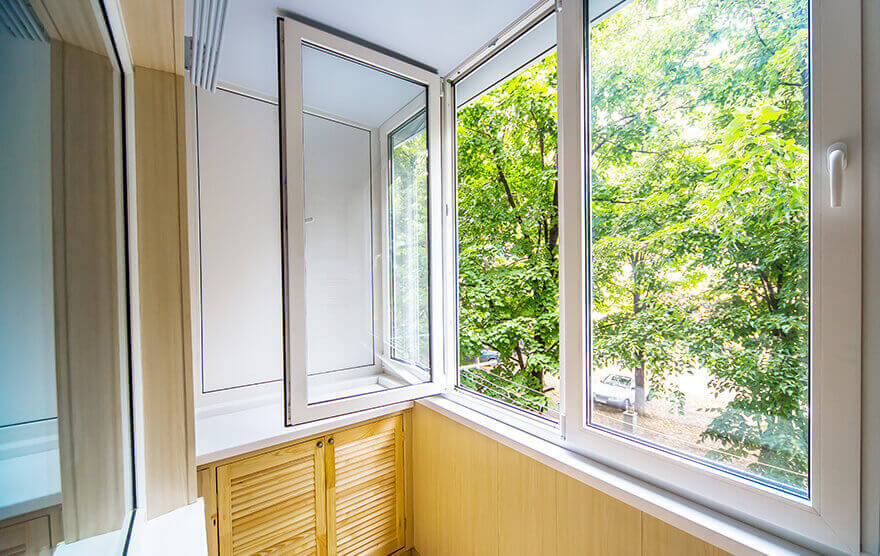
Windows are essential to any building, providing natural light, ventilation, and insulation. However, traditional windows can also be a major source of energy loss, contributing to high heating and cooling costs and greenhouse gas emissions. 

Eco-friendly glass products, such as low-emissivity (Low-E) glass and vacuum-insulated glass (VIG), can significantly improve the energy efficiency of windows by reducing heat transfer and air leakage. Low-E works by reflecting heat into a room, while VIG uses a vacuum between two panes to reduce heat transfer by up to 10 times compared to traditional double-glazed windows.

Double-Glazing Solution:

Eco-friendly double-glazing glass solutions are an ideal way to increase your home’s ability to conserve energy while simultaneously lowering its ecological footprint.

These glasses, created from sustainable materials, are intended to retain heat within the premises, leaving you comfortable all year round. Furthermore, they may assist in reducing noise pollution, which will improve the quiet and serenity of your building.

Enhanced Aesthetic:

Eco-friendly glass benefits the ecosystem and can also improve the appearance. They can provide the exterior of your house with a refined touch.

You can select the eco-friendly window glass that best matches the design of your building because it is available in several hues and treatments. These glasses might help you stand out because of their distinctive structure and patterns.

Next-Level Thermal Insulation:

Environmentally friendly window coverings can improve thermal insulation:

  • Low-emissivity (Low-E) glass: It is a particular kind of glass with a coating that scatters heat. This aids in keeping heat ‘out’ throughout the summer and ‘in’ throughout the winter.
  • Double-Glazing Glasses: Windows with double glazing have a minimum of two layers of glass with an air or gas layer sandwiched in between. This keeps your building aesthetically pleasing by trapping heat.
  • Insulated glass units (IGUs): These are glass pieces joined together and sandwiched between two layers of air or gas. This keeps your building more pleasant by trapping heat.

So, eco-friendly window glasses are an excellent solution when you need to increase the thermal efficiency of your building.

Solar Control Properties:

Your home will be more comfortable, and the electricity cost will decrease if you choose eco-friendly window glasses featuring solar control capabilities. The best part? These sustainable glasses come with built-in special heat-reflecting solar properties!

Well, it ensures your building stays winter-warm and summer-cool. Also, they shield your goods and furniture from deteriorating by blocking damaging UV radiation.

Conclusion

Eco-friendly glass products are a versatile and sustainable option for various applications. Using eco-friendly products can reduce waste, promote sustainability, and contribute to a more environmentally friendly future.

Whether you are a business owner, a homeowner, or an artist, there are many innovative ways to incorporate eco-friendly glass products into your work and lifestyle. For an extensive selection of environmentally friendly glasses, check out AIS Glass.

Categories

The Benefits of Using Opaque Glass for Home and Office Interiors

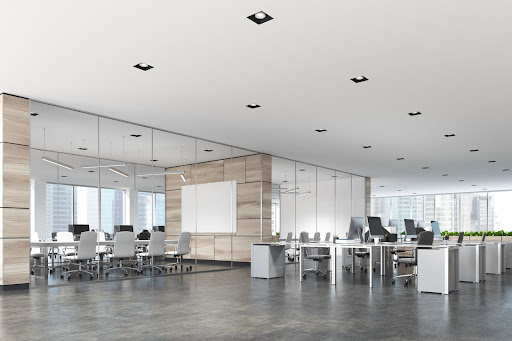
Opaque glass has become a popular design choice for modern home and office interiors due to its versatile look and ability to provide privacy. This versatile material offers a variety of shades, textures, and finishes, making it possible to design stylish and functional spaces with unique characteristics. Most business owners and homeowners prefer to use opaque glass because of its many advantages.

This post will state the benefits of opaque glass for home and office interiors. From improved privacy to increased natural light, there are various reasons why you should consider adding this versatile material to your interior design.

So, let’s look at the advantages of incorporating opaque glass into your space.

Privacy:

Opaque glass provides a high level of privacy by obscuring the view and preventing people from seeing inside. This makes it suitable for bathrooms, conference rooms, and private offices where discretion is required. Opaque glass is a versatile material that can be used to create partition walls and enclosures, providing a clear separation between spaces while still allowing some natural light to pass through.

Versatility:

Both indoor and outdoor settings can utilize opaque glass due to its versatility. It can be shaped into any design, perfect for custom projects like partitions or window treatments. Moreover, opaque glass is effortless to clean and maintain, which means you can forget about the hassle of keeping it in good condition. Its versatility provides numerous design options for both home and office decor.

Natural light diffusion:

Opaque glass allows natural light to enter the space while diffusing it, reducing glare and creating a soft, pleasant ambiance. This helps to create a well-lit environment without compromising privacy. Diffusing the light also reduces energy costs as less artificial lighting is required for illumination. Additionally, opaque glass can be tinted to further optimize light diffusion, creating a comfortable atmosphere perfect for both home and office interiors.

Noise reduction:

Opaque glass has sound insulation properties, reducing external noise and creating a quieter environment. This is particularly beneficial for office spaces located in noisy areas or homes near busy streets. It also keeps internal noise levels lower, ensuring a disruption-free environment. For instance, in a business setting, opaque glass walls provide privacy between meeting rooms while preventing sound from traveling throughout the office space.

Easy maintenance:

Opaque glass is relatively easy to clean and maintain. It can be wiped down with regular glass cleaning solutions or mild soapy water, making it a convenient choice for busy home and office environments. The material’s smooth surface allows dirt to be quickly and easily removed using a damp cloth or sponge, meaning that keeping glass furniture and surfaces sparkling clean doesn’t need to be time-consuming.

The Bottom Line

Opaque glass is great for any home or office interior design project. It provides a stylish and modern look while offering the benefits of privacy, insulation, and natural light regulation. It is an ideal choice for any space due to its durability and low maintenance. With its versatility and affordability, opaque glass can be an excellent option to spruce up your space.

Categories

How to Clean and Care for Clear Glass Windows

Are your windows looking cloudy and murky? Keeping your windows sparkling clean and crystal clear does not have to be a laborious task. With this definitive guide to window cleaning, you can learn how to clean window glass and how to maintain glass windows with simple tips and tricks.

By following these easy tips, you can achieve great results and keep your windows looking spotless all year round. So, let’s take a look at these tips.

How to Clean Glass Windows: Preparation Tips

  • Gather Supplies

Before starting, you must have all the right supplies. You’ll need a bucket, mild detergent or dish soap, soft rags or microfiber cloth, and a squeegee.

  • Put on Appropriate Safety Gear

Always wear appropriate safety gear when cleaning windows. Wear a pair of rubber gloves on both hands to protect them from any harsh chemicals in the detergents you may use, and protective eyewear if needed.

  • Check for Safety Issues

Inspect your window and remove any obstacles that could get in the way of safely cleaning it. This includes moving furniture and ensuring there are no broken glass shards that could be hazardous to step on or touch with bare hands.

How to Clean Glass Windows at Home: 5 Maintenance Tips

  • Remove Dirt and Dust

Use a soft, dry cloth to remove any dust and dirt that has built up on your window. If the dirt is particularly stubborn and won’t come off with a dry cloth, use a slightly dampened (not soaking wet) cloth to remove it. Add a few drops of dish soap to the cloth for extra cleaning power.

  • Prepare a Cleaning Solution

Take 1/2 cup of white vinegar with 2 cups of warm water in a bottle for cleaning glass windows. If desired, you can add 10 to 15 drops of essential oil such as lemon or lavender for a pleasant scent. Shake the spray bottle up to combine all ingredients. The vinegar is important because it naturally disinfects the glass surface and removes streaks. 

  • Spray One Window at a Time

Start by spraying down one window with your prepared solution. Cover the entire surface area evenly with the mixture, using broad strokes from top to bottom, until it is completely soaked. Allow it to sit on the window for several minutes so that any dirt has enough time to loosen. Avoid using too much cleaner, or the solution can become too soapy and take longer to rinse. Once you’re done, move to the next window until you have sprayed down all of them.

  • Scrub and Rinse

Now that all of the windows have been sprayed, it’s time to scrub them clean. Use a soft cloth or sponge with gentle pressure to remove dirt or dust particles. When you’re done, rinse off the window using lukewarm water and your squeegee. Move from side to side in a zigzag pattern until the entire surface is dry. If there are any stubborn spots, re-scrub them before rinsing again.

  • Dry Thoroughly

Once all the windows have been scrubbed and rinsed off, use a dry cotton cloth to wipe each one thoroughly. This helps ensure that no streaks or smudges are left behind. If any areas are especially difficult to reach, to clean all the corners of the windows, you must use a small brush.

The Bottom Line

Cleaning and maintaining your clear glass windows is an important part of keeping your home safe, clean and aesthetically appealing. With the right supplies and a little effort, you can maintain the appearance of sparkling, new-looking windows. Regular window maintenance helps protect them from dirt, damage and discolouration over time.

For stubborn stains or buildup that do not come off with regular cleaning methods, consider consulting a professional window cleaner for a deep clean. If you are looking for premium-quality glass solutions from one of the top glass companies in India 2026, AIS offers reliable and innovative glass products designed for long-lasting performance. Taking proper care of your glass windows today can help prevent costly repairs in the future!

Categories

How is Glass Made?

Glass has grown so ordinary that it’s easy to gaze straight through it without thinking twice. It’s in our screens, windows, cabinets, and electronics daily. Even though glass is commonly found all around, you may need help understanding how it’s created or made. You’ve scratched the surface even if you believe you know the fundamentals.

This article will discuss the history of glass making and the step-by-step procedure of how glass is made.

The History Of Glass Making

Glassmaking dates to around the second century BC in Mesopotamia. Around the year 2500 BC, the Egyptians began to experiment with glassmaking. Manufactured glass originally appeared in Mesopotamian or Egyptian civilizations, but they employed tools crafted from volcanic glass obsidian in the Stone Age. On the other hand, Ancient China discovered methods to manufacture glass much later.
Glass beads were among the first goods created from glass. Their emergence is largely coincidental. Glassmaking ceased in the late Bronze Age. Back then, glass was considered a luxury material.
Stained glass became popular in churches and palace windows in the 10th century. Following the Renaissance, architectural processes evolved dramatically, resulting in a reduction in the use of colored glass as construction material. Following the industrial revolution, household use of glass surged. During this time, glass windows, vessels, and beads became common in Europe.

How Is Glass Made?

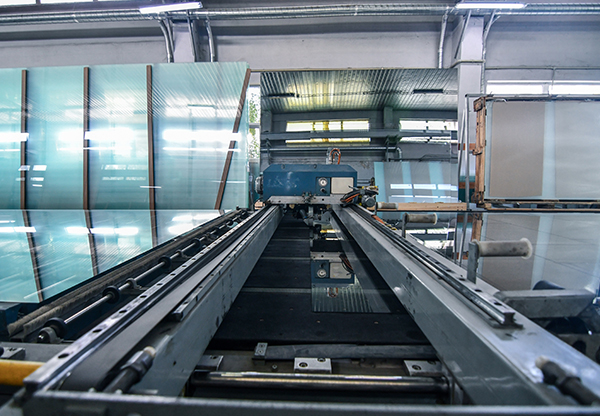
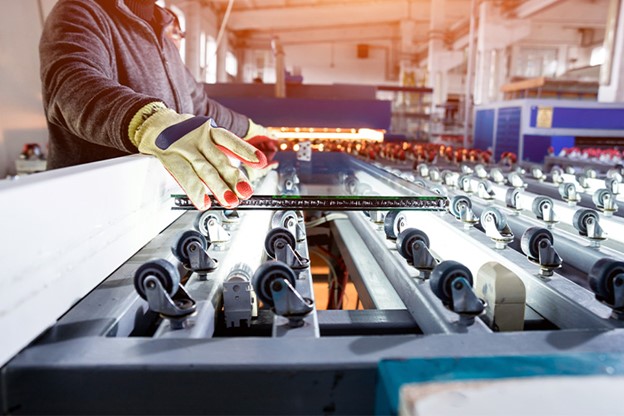
Let’s know the production technique for those of you who want to know how glass is made. The best quality manufacturing processes are required to create the right sheets of float glass. Sir Alistair Pilkington invented the PPG method in 1952, now the most renowned float glass technology for manufacturing. Naturally, numerous procedures are involved, and careful attention is taken at every step to be accurate and comprehensive with the creation of glass.

Refining And Melting

The correct set of raw components is necessary to manufacture clear glass. This comprises soda ash sodium oxide (Na2O), silica sand (SiO2), dolomite (MgO), limestone/dolomite calcium oxide (CaO), and feldspar (Al2O3). These components are amalgamated properly before being carried into a furnace preheated to a temperature of 1500 degrees.
Some metal oxides are added to the batch to color the glass.

Floating Bath

The hot substance from the heating chamber flows onto the float bath, which has a reflecting surface of molten tin. This substance enters the bath at approximately 1500 degrees Celsius and exits at roughly six hundred degrees Celsius. It has the appearance of a solid ribbon at the exit.

Reflective Glass Coating

Suppose reflective surfaces for glass are being produced to help keep the inside cooler. In that case, coating techniques are employed, during which either a hard coating or a soft coating is put to the surface of the cold ribbon at extreme temperatures.

Annealing

The internal tensions in the glass are then removed via a process known as annealing. This method enables the glass strip to pass across a layer that removes any stresses on the surface of the glass and progressively cools it to its ultimate hardened shape. This makes cutting and shaping the glass much easier.

Checking

Over one hundred million inspections can be performed during the glass production procedure using precise and progressive inspection equipment to detect air bubbles, strains, or sand grains that refuse to melt. This is critical for quality-proofing the finished form of glass.

Cutting To Order

Finally, diamond steel trim and slice the glass ribbons into square shapes.

Conclusion:

By choosing AIS Glass solutions, you can be certain of receiving high-quality glasses with designs that are long-lasting, aesthetically beautiful, and adaptable.
Our glass solutions provide increased safety and security, making them the optimum choice for usage in high-security areas.
As the industry’s leading supplier of glass solutions, we offer a wide range of glasses, such as energy-efficient, frosted, and smart glass. We perform comprehensive market research before developing our products to ensure the best degree of client pleasure.

Categories

Tips for Choosing the Right Tempered Glass

Are you tired of navigating the maze of options when selecting the ideal tempered glass? You’re not alone. The challenge lies in finding that perfect balance between durability, clarity, and protection. But fret not, for in this article, we’re about to unravel the secrets of choosing the right  tempered glass.  

From residential to commercial applications, we’ll guide you through the process, providing valuable insights and tips to transform your selection from a daunting task into a confident choice. 

1. Supplier Reputation 

When selecting a tempered glass supplier, one of the paramount considerations is their reputation. Choosing a supplier with a reliable and trustworthy reputation is essential for ensuring the quality and durability of your tempered glass. A reputable supplier provides high-quality glass and adheres to safety standards, which is crucial for various applications. 

To evaluate a supplier’s reputation, turn to online customer reviews and ratings. These insights from previous customers offer valuable firsthand experiences. Positive reviews indicate a supplier’s reliability and the satisfaction of their customers. Conversely, negative reviews can be red flags, highlighting potential issues with the product or service. 

2. Aesthetics 

Tempered glass goes beyond mere strength and safety; it’s like a versatile artist’s canvas that can truly enhance the beauty of your surroundings. For residential or commercial projects, the aesthetics of tempered glass can significantly impact the overall ambience. Whether you aim for a sleek and modern look, a classic and timeless feel, or something entirely unique, your choice of tempered glass should harmonize seamlessly with your decor. 

3. Range of Products 

Consider a supplier offering a diverse range of tempered glass products. This versatility ensures you can find the perfect fit for your needs, whether for windows, doors, partitions, or other applications. Having options is advantageous. 

4. Safety Factor 

Tempered glass is prized for its safety features. When broken, it shatters into small, less hazardous pieces, minimizing injury risk. Prioritize tempered glass that complies with safety standards, especially in safety-critical areas like showers or glass balustrades. 

5. Integrated Services 

Assess whether your supplier provides integrated services, including installation. Collaborating with a supplier capable of managing the entire process, from purchase to installation, streamlines the experience. This saves time and ensures correct installation, enhancing glass functionality and longevity. 

6. Compare Quotes 

When making a significant investment, like hiring a service or buying a product, you must take your time accepting the initial quote you receive. Instead, take the opportunity to explore and collect quotes from various suppliers or contractors. By comparing quotes, you can evaluate the price and overall worth, considering aspects such as quality, reputation, and the range of services provided. 

7. Ask About Warranties 

Inquire about warranties and guarantees for the tempered glass products you’re considering. A reputable manufacturer or installer should stand behind their products and workmanship. 

8. Maintenance Requirements 

Lastly, consider the maintenance requirements of the tempered glass you choose. Some types may require more frequent cleaning or specialized care, so factor this into your decision-making process. 

Conclusion 

Selecting the right tempered glass involves supplier reputation assessment, aesthetic alignment, product diversity exploration, safety feature confirmation, and consideration of integrated services. Armed with these insights, you can confidently choose tempered glass that not only meets your requirements but also enhances the style and safety of your space. 

AIS Glass is a trusted name in the industry, known for its commitment to quality and innovation. Choosing AIS to buy tempered glass ensures you get a reliable product backed by a reputable brand. Our expertise in glass solutions and dedication to customer satisfaction make us a top choice. 

Categories

5 Advantages of Low-E Glass

Low-E glass is a kind of glazing glass that contains a clear, tiny coating that increases the thermal effectiveness of your windows. Today, we’ll look at the benefits of low-E glass so that you can make an informed decision about your forthcoming glazing purchase.

What Is Low-E Glass?

It is estimated that around 10% to 50% of a particular home’s energy loss happens via its doors and windows, with 90% of the energy dissipated from the glass itself.

Low-E glass gets into play here. Low E glass is clear glass with a tiny, opaque coating on its outermost layer that is more effective at deflecting heat than the material itself, resulting in a composition with less emissivity than conventional glass. As a result, glass with a low E coating keeps your house warmer by reflecting a greater proportion of the warmth back into the house, and it may also keep your house cool by reflecting the heat from outside.

Advantages Of Low-E Glass:

Insulating Power

Low E glass’s first major benefit is its superior insulating power to your windows. Because of its low-emissivity coating,low E glass has better insulating capabilities than ordinary uncoated glass, keeping your home’s occupants warmer throughout the severe winters.

If you have troublesome family members who fiddle with the room heater regularly, low E glass may be your best option. With your home slightly warmer from December to March, household thermostat offenses may be at a record low.

Impressive Solar Gain Statistics

An IGU has to include the location of a soft-coat low E surface layer. So, if you look at the double-glazed glass from the outside, its outer and very inner surfaces are not accessible, providing you with a pair of sealed interior surfaces onto which a low E layer can be placed. In most cases, the surface is the inner surface of the window’s inner pane.

Placing the coating there provide some optical benefits while allowing the IGU to have reduced solar gain numbers. Thermal power from sunlight is reflected away from the home like low E glass returns heat into your home.

A low E film combined with a tint can be referred to as “solar glass,” it can have a solar heat gain factor (g-value) as low as 0.14, indicating that 86% of the energy from the sun is reflected away from your house. As a result, another significant benefit of low E glass is the creation of a cool, comfortable interior summer climate.

UV Protection

Low E glass, like thermal glass, may reflect most UV light, preventing it from penetrating your home. This not only safeguards the people in your household but also your furniture because UV light tends to oxidize the fibers of carpets and appliances, leading them to shed their color.

Energy Efficiency

Low E glass is far more efficient and works better than ordinary double glazing, which could save you some costs on your cooling bills. This decrease in cooling expenditures corresponds to a decrease in total energy usage, lowering your carbon footprint.

User Friendliness

As previously said, soft-coat low E glass has its low-emissivity layer on a surface sealed within the unit. It is unlikely to be scratched or damaged and will likely keep most of its sun-reflecting, insulating, and UV-protective properties for many years.

Low E glass does not exclude adopting additional helpful features such as greater security, noise reduction, or easy-cleaning technology.

Conclusion:

Considering the importance of environmental initiatives, “choose and low-E glass” windows as an excellent alternative to standard windows. You will receive all the advantages listed above when you install it. With its distinctive products, AIS Glass has provided such green glass solutions.

AIS Glass has been a unified glass manufacturing market leader for over thirty years. We offer exceptional glass solutions from design to installation and can handle any processing you require. Our high-performance glass solutions come in a wide selection of styles that fit your architectural designs and security needs.

Categories

The Art and Science of Glass Manufacturing: Behind the Scenes of a Glass Company

Glass production requires a complex fusion of artistic skill and technical accuracy. Through this amazing process, raw ingredients are turned into lovely glass objects that we use every day. Come along as we explore the intriguing world of glass making as we go behind the scenes of glass manufacturing companies in India.

Raw Materials and Quality Assurance

Modern glass manufacturing companies in India require the use of high-quality raw materials. Limestone, soda ash, and silica sand are carefully chosen and combined in the right amounts. Due to quality control procedures, only the best materials are utilized, ensuring the finished product’s reliability.

Melting Furnace

The melting furnace is the center of a glass manufacturing facility. In this situation, the raw ingredients are heated to a molten mass by being heated to extremely high temperatures. This procedure calls for deft control to avoid contaminants and produce the required glass composition.

Glass Molding Methods

Once the glass has melted, many shaping methods are used:

Blowing:

By skillfully blowing air into a tube, glassblowers shape the molten glass into beautiful objects like vases and ornaments.

Rolling:

Molten glass is rolled on a metal surface to create flat sheets for windows and mirrors.

Tempering and Annealing

The newly created glass undergoes a process called annealing to increase its durability. The glass is carefully cooled down over time to remove internal strains and prevent it from fracturing or cracking. Rapid heating and cooling are used to manufacture tempered glass, which is used in car windows and cell phones for specific applications requiring enhanced strength.

Decorative Methods

Through a variety of ornamental approaches, the artistic nature of glass manufacture is revealed:

Glass Cutting:

Skilled artisans carefully cut and polish the material to produce elaborate patterns and designs on glass surfaces.

Etching:

Chemical procedures etch designs onto the surface of the glass to create tasteful and intricate artwork.

Stained glass:

Stained glass is an ornate artwork of colored glass pieces frequently found in churches and old structures.

Glass Fusing:

Combining several pieces in a kiln makes fused artwork distinctive and vibrant.

The Glass Coloring Technique

Glass coloring demands specialized knowledge and exactitude. To generate a variety of colors, manufacturers add metal oxides and minerals to the raw material mixture during the melting process. For instance, using gold can create red or pink glass, whereas adding copper oxides produces bluish-green glass. The coloring procedure creates a wide range of design options and gives glass objects a vivid feel.

Inspection and Packaging

Quality control is a crucial stage in glass production for glass manufacturing companies in India. After all the operations are finished, each glass product is thoroughly inspected for flaws or inconsistencies. This incorporates both automatic assessments using cutting-edge technology and visual examinations. The dedication of glassmakers is demonstrated by their devotion to ensuring the quality of every product.
The glass items are carefully wrapped and made ready for delivery when the quality check is finished. Glass is delicate; hence, the packaging considers that and uses materials that provide the best protection. This makes sure the goods arrive at their destination in flawless shape.

Wrapping Up

In conclusion, the art and science of making glass, an expertise proudly carried by glass manufacturing companies in India, is a testament to human intellect and innovation. We are extremely proud of our manufacturing process’s caliber, accuracy, and sustainability. Remember its journey from raw ingredients to a finished product the next time you hold a piece of glass from AIS Glass. 

Categories

Clear Glass vs. Frosted Glass: Pros and Cons

When it comes to selecting the right type of glass for your home or office, there are various options to consider. Clear glass and frosted glass are two popular choices, each with its own unique characteristics and benefits. In this blog, we’ll delve into the pros and cons of clear glass and frosted glass, helping you make an informed decision for your specific needs.

What Is Clear Glass?

clear class

As the name suggests, clear glass is transparent and offers unobstructed views. It is widely used in windows, doors, and partitions to create a sense of openness and spaciousness. Let’s explore the advantages and disadvantages of clear glass:

Pros of Clear Glass:

  • Natural Light: Clear glass allows ample natural light to enter your space, making it feel brighter and more inviting. It enhances the overall aesthetic appeal of the room and helps reduce the need for artificial lighting during the day.
  • Visibility: Clear glass provides an unobstructed view of the surroundings, making it ideal for areas where you want to enjoy scenic views or keep an eye on children playing outside.
  • Design Versatility: Clear glass is highly versatile and complements various architectural styles. It seamlessly blends with different interior designs, whether modern, contemporary, or traditional, adding a timeless elegance to your space.

Cons of Clear Glass:

  • Privacy Concerns: The main drawback of clear glass is its lack of privacy. It allows outsiders to see inside your space, compromising your privacy. This may be a concern for areas like bathrooms or rooms that require seclusion.
  • Glare and Heat: Clear glass tends to allow sunlight to penetrate directly, leading to glare and an increase in heat. This can be uncomfortable during hot summer months and may require the use of blinds, curtains, or window films to mitigate the effects.

What Is Frosted Glass?

frosted class

Frosted glass is a type of translucent glass that is typically created through acid etching or sandblasting. Let’s explore the frosted glass advantages and disadvantages:

Pros of Frosted Glass:

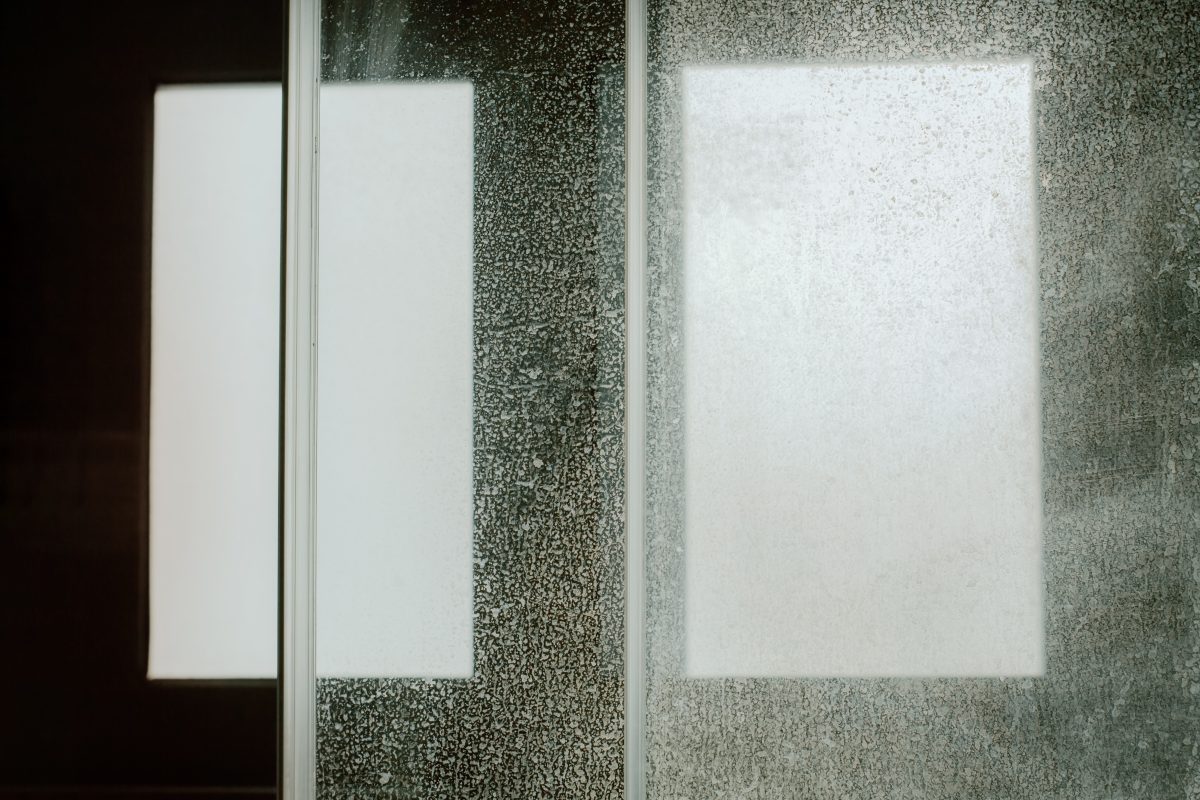
  • Privacy Enhancement: Frosted glass provides an excellent solution for spaces where privacy is a priority, such as bathrooms, bedrooms, or office meeting rooms. Its textured surface obscures direct visibility, offering a degree of seclusion without completely blocking light.
  • Diffused Light: Another benefit of frosted glass is that it disperses light, creating a soft, gentle glow that spreads evenly across the room. This diffused lighting effect adds a touch of sophistication and can enhance the ambience of your space.
  • Design and Decorative Appeal: Frosted glass adds an element of style and elegance to any interior. It offers numerous design options, including frosted patterns, motifs, or custom designs, allowing you to personalize your space and create a unique aesthetic.

Cons of Frosted Glass:

  • Reduced Visibility: The primary drawback of frosted glass is its limited visibility. While it offers privacy, it also obstructs the view of the surroundings. If you desire a clear view or wish to maximize natural light, frosted glass may not be the ideal choice.
  • Maintenance: Frosted glass requires regular cleaning, as fingerprints, smudges, and dust particles tend to be more visible on its textured surface. Using appropriate cleaning techniques and avoiding abrasive materials is essential to prevent damage.

Conclusion

Choosing between clear glass vs frosted glass depends on your specific requirements and preferences. Clear glass offers openness, unobstructed views, and ample natural light but compromises privacy.

On the other hand, frosted glass vs clear glass is often preferred when privacy, diffused lighting, and decorative options are a priority, although it does reduce visibility. Consider the pros and cons outlined in this blog to make an informed decision. If you’re unsure about installation or have complex requirements, it is recommended to consult glass experts from AIS, who can guide you in selecting the right glass type for your needs.

Remember, whether you choose clear glass or frosted glass, it’s important to prioritize your preferences, functionality, and overall aesthetic appeal to create a space that truly reflects your style and meets your practical needs.

Categories

Maximising Convenience: Unveiling the Top Features of Car Head-Up Displays

Glancing at your dashboard takes your eyes off the road, causing dangerous distraction. Car Head-up displays, or HUDs, solve this by projecting speed, navigation, and other key driving info right onto your windshield so your eyes stay focused ahead. It’s like having a helpful co-pilot display just what you need to know, exactly when you need it. Car HUDs make driving less stressful and safer.  

Read on to learn how HUDs make driving safer and more informed. 

What is a Car Head-Up Display? 

A car head-up display or car HUD is a transparent display that projects visual information onto your windshield in your line of sight. As you drive, you can view navigation directions, your vehicle’s speed, safety alerts, and more without looking away from the road ahead.  

By adapting this technology for cars, automotive manufacturers allow drivers to stay focused on driving while accessing the information they need. 

Significance of Car Head-Up Display 

A head-up display (HUD) in a car is a transparent display that projects important driving information into the driver’s field of vision. Rather than having to look down at the instrument panel, a HUD allows drivers to keep their eyes on the road. Key data projected might include current speed, navigation directions, and collision warnings. This technology aims to improve driving safety and awareness by minimising distractions and the time drivers spend looking away from traffic conditions ahead of them.  

HUD systems reflect critical graphics onto the windshield just above the steering wheel at an optical distance, making the images appear focused far off. This allows the driver’s eyes to conveniently take in the data while still primarily looking out through the windshield.  

Key Attributes of Car Head-Up Displays 

Car HUDs offer several features to make your time on the road safer and more efficient, including: 

1. Clear Visuals 

Car HUDs use high-contrast graphics and bright optics to display crisp, easy-to-read visuals on your windshield, even in bright sunlight. This ensures you get the necessary details without struggling to interpret hard-to-see images. 

2. Customisable Display 

You can change how your screen shows information, so you see only what’s most important to you. For example, you can personalise it to show directions when you need to know where you’re going or to highlight warnings when you need to be extra careful. 

3. Enhanced Safety Alerts  

Car HUD visuals and audio alerts notify you of potential hazards like lane departures, forward collisions, blind spots, etc. These real-time warnings capture your attention to prevent dangerous situations. 

4. Driver Monitoring  

Some car HUDs use infrared cameras and sensors to monitor your eyes, head position, and steering reactions. This allows the system to gauge fatigue levels and distractions so it can prompt you to refocus when needed. 

The Benefits of Using a Car HUD 

Car HUDs make time on the road safer and more efficient by: 

  • Reducing distraction by allowing dashboard glances to take 1-2 seconds rather than the 4-6 seconds needed to refocus on the road. 
  • Minimising eye movement, which decreases reaction time to dangers. 
  • Providing faster recognition of hazards thanks to bright imagery and alerts. 
  • Deterring drowsy or distracted driving through driver monitoring systems. 
  • Allowing drivers to stay focused on moving traffic ahead rather than looking down or away. 

Car HUDs also create a more comfortable and convenient experience by reducing eye strain from constantly refocusing and making navigation easier. 

Conclusion 

Driving requires full attention yet glancing away from the road carries risks. Car head-up displays allow drivers to monitor critical data without distraction. AIS Glass provides specially engineered car HUD windshields using advanced optics to promote road focus. 

Categories

Why Designer Lacquered Glass is Trending in Home Décor

One of the most famous interior design trends for home décor is designer lacquered glass, which reflects personal style. With its stylish look, durability, and easy-to-clean qualities, it’s no surprise that this material is gaining traction in home decorating. In this article, we will discuss why Designer Lacquered Glass is becoming so popular in-home décor.

By the end of this article, you will appreciate this material’s beauty and be inspired to get creative with its use in your home!

Let’s take a look at these reasons.

Sleek and modern aesthetic

Designer lacquered glass offers a sleek and contemporary look that is highly sought-after in-home decor. Its smooth, glossy surface adds a touch of sophistication to any space. The range of colors, as well as finishes available allows for various customization options that make it ideal for any decorating style. Plus, the light reflecting off the glass can create an inviting atmosphere in any room.

Trendy alternative to traditional materials

Lacquered glass offers a contemporary alternative to traditional materials like tiles, wood, or laminate. It adds a unique touch to home decor and can create a focal point or statement piece within a room. Due to its versatility and durability, lacquered glass is an increasingly popular choice in modern home decor. 

The high-gloss finish creates a vibrant and eye-catching look that lasts for years without needing regular maintenance or upkeep.

Reflective Properties

Designer lacquered glass is trending in home décor because of its reflective properties. It catches the eye with its unique shimmer and could be used to add a modern, sophisticated flair to any room. Lacquered glass panels are perfect for creating bold statement pieces, from art installations to kitchen backsplashes. 

Combining different colors and textures makes it easy to create unique designs that will make your home stand out.

Easy to Maintain

Designer lacquered glass is a popular choice in home décor as it requires minimal effort to keep clean. The lacquer coating prevents dust and dirt from collecting easily, which makes it easy to maintain the sparkle of your decorative glass without investing in regular polishing or scrubbing. 

Furthermore, designer lacquered glass does not require resealing or re-applying the coating after cleaning, making it a perfect choice for busy homeowners.

Durability and Longevity

Designer lacquered glass is a strong, long-lasting material that can last for years. It is resistant to scratches and fading, meaning it won’t lose its luster or shine over time. Furthermore, the surface of lacquered glass stays smooth and glossy even after being exposed to liquids or high temperatures. 

Thus, this type of glass is an ideal option for materials that will withstand everyday wear and tear in areas such as kitchen countertops or bathroom walls. With proper maintenance, designer lacquered glass can remain beautiful and durable for decades.

Increased availability and accessibility

The growing popularity of lacquered glass in home decor has made it more readily available and accessible on the market. This availability has contributed to its increasing trend in interior design as more people can access the material for home decor projects.

The Bottom Line

Designer lacquered glass is a trend and a timeless home décor that adds style, beauty, and sophistication to any space. Its versatility in terms of shape and color allows it to fit into any setting, while its protective coating makes it more resilient than regular glass. If you’re looking for an accent piece or want to make a bold statement, the designer lacquered glass will always leave you with the perfect look. 

It’s no wonder why this luxurious material is becoming increasingly popular and the go-to option for many homeowners around the world. Designer lacquered glass is truly a decorating revelation!

Categories

7 Types of Glasses Used in Interiors

When it comes to interior spaces, glass can be used for a variety of purposes. From windows and doors to shower enclosures and balustrades, there are many ways that glass can be incorporated into an interior space. 

Some types of glass are better suited for particular applications than others since they each have unique advantages and qualities. When choosing the best type for your project, you can make an informed choice by understanding the distinctions between the many types of glass used in interior design that are available.

7 Types of Glass in Interior Design

1. Clear Glass

Clear glass is the most basic type of glass for interior design and is commonly found in many homes and businesses. It is a relatively inexpensive option that offers excellent clarity, allowing ample natural light to enter the space. Manufactured using the float glass process, it provides a smooth, distortion-free surface ideal for everyday applications. This makes it perfect for windows as well as shower enclosures where privacy is not a concern.

2. Frosted Glass

Frosted glass offers both privacy and style. It has a distinctive matte finish that obscures visibility, making it ideal for bathrooms and bedrooms. It is chemically or mechanically treated to create a translucent or opaque surface. The frosted finish also adds an element of sophistication to any space, enhancing its overall aesthetic appeal. To explore its features, benefits, and applications in detail, read our complete guide on all you need to know about frosted glass.

3. Lacquered Glass

Lacquered glass is a popular type of glass used in interior applications. It is made by applying a layer of coloured lacquer to the back surface of the glass, resulting in a glossy and vibrant appearance. This glass provides a sleek and modern look, making it suitable for various interior design elements such as kitchen cabinets, backsplashes, wall panels, and furniture. Lacquered glass offers durability, easy maintenance, and a wide range of colour options to enhance interior spaces.

4. Tinted Glass

Tinted glass offers a range of functional and aesthetic benefits. It provides privacy and protection from ultraviolet (UV) rays and can also reduce glare in certain interior applications. The most common types are bronze or grey tinted glass, which give the space an elegant look while offering additional protection from sunlight. Tinting can be achieved during manufacturing or by applying films to the glass surface.

5. Laminated Glass

Laminated glass is designed to hold together when shattered, reducing the risk of injury from broken glass. It is commonly used for windows, doors, and partitions. Laminated glass consists of multiple layers bonded together with an interlayer that enhances safety and durability.

6. Mirrored Glass

Mirrored glass is a type of glass in interior design that has a reflective coating applied to one side. It is commonly used for mirrors, decorative accents, and furniture. It can create a unique visual effect and make a room appear larger and brighter. Mirrored glass is often used in living areas to enhance the overall aesthetic appeal of the space. For high-quality reflective solutions designed specifically for interiors, explore AIS Mirror.

7. Etched Glass

Etched glass is treated with acid or an abrasive material to create a frosted or textured surface. It is primarily used to enhance the aesthetic appeal of interior spaces. Etched glass can create a distinctive visual effect and add a decorative element to a room.

Conclusion

Glass is a versatile material widely used in interiors to enhance overall design and functionality. From clear glass to etched varieties, each type offers unique properties and benefits, making it an essential material used in interior design for various applications.

When selecting glass used in interior design, it is important to consider the intended purpose, aesthetic preferences, and practical factors such as safety and durability. Glass can be customised with different colours, textures, and finishes to create a distinctive look that complements the overall design of a space.

Whether for homes, offices, or commercial environments, the right choice of glass adds beauty, functionality, and safety to any interior project. As one of the top glass companies in India 2026, AIS Glass offers a wide range of premium interior glass solutions tailored to modern design needs. Explore solutions by AIS to discover different types of interior glass and learn why glass should be an essential part of your interior planning.

Categories

What is Security Glass Used for?

Security glass is a type of laminated glass that has been specially designed and engineered for increased safety. The most common types of security glass are monolithic tempered or heat-strengthened products, ballistic-rated glazing, laminated, wire mesh embedded in the panes, and polycarbonate glazing products. Each of these materials offers different levels of protection from intruders as well as varying degrees of impact resistance. It’s typically used for applications such as shopfronts, doors on banks, and other places where security is paramount.

Let’s take a look at its applications in detail.

Automobiles: 

Security glass is used for various purposes, including in automobiles. In vehicles, the windshield is typically made of laminated glass, consisting of two layers of glass with a polyvinyl butyral (PVB) sandwiched between them. This design enhances safety by preventing the glass from shattering into sharp fragments upon impact, reducing the risk of injuries during accidents. On the other hand, side windows and back glass in automobiles are often made of tempered glass, which is designed to break into small, rounded pieces when shattered, further minimizing the likelihood of severe injuries.

In addition to protecting passengers in an accident, they can also help deter car theft. Many car manufacturers now use this material in their vehicles, making it more difficult for thieves to break in.

Windows and Doors: 

They can be used in residential and commercial buildings to prevent break-ins and protect against accidental damage. It is commonly used in storefronts, banks, and government buildings.

Security glass can be made in various thicknesses and compositions, depending on the level of protection required. AIS Glass offers different types of doors and windows with security glass that has great resistance and can also withstand severe weather conditions. 

Skylights: 

Skylights are another application where security glass is commonly used. Skylights are windows that are installed on the roof of a building to allow natural light to enter the interior. However, skylights can also pose a safety hazard if they are not properly constructed.

Glass Partitions: 

Glass partitions are used to divide a space into smaller areas while still allowing natural light to enter. Security glass is often used in these partitions to prevent injuries caused by accidental impact. If someone accidentally walks into a partition, security glass will break into small pieces, less likely to cause serious injuries.

Shower Enclosures: 

Security glass is commonly used in shower enclosures to prevent injuries caused by accidental impact. Shower enclosures are typically made of tempered material that is designed to shatter into small, harmless pieces upon impact.

Display Cases:

Security glass is often used in display cases to protect valuable items from theft and damage. Display cases are typically made of tempered material that is designed to resist breakage. In addition, some display cases are equipped with alarms that sound if the glass is broken.

Greenhouses: 

Greenhouses are another application where security glass is commonly used. Greenhouses are typically made of glass to allow sunlight to enter and promote plant growth. However, the glass used in greenhouses must withstand extreme weather conditions.

Security glass can be used in greenhouses to prevent damage caused by hail, strong winds, and other severe weather conditions. In addition, they can help prevent break-ins and theft.

Conclusion 

As you can see, security glass has many applications and offers different levels of protection from intruders as well as varying degrees of impact resistance. It is an increasingly popular choice for those seeking added protection and peace of mind. For more information on the types of security glass available or to discuss your specific needs, contact AIS Glass today. We look forward to helping you protect what matters most.

Categories

All You Need to know about Green Tinted Glass

What Is Green Tinted Glass?

Green-tinted glass, also known as Dark Green UV Cut Glass, contains iron oxide, which gives it a subtle green hue and helps improve solar and UV control. It is commonly used in automotive windshields, architecture, home décor, and other industries.

This article explores green-tinted glass, its benefits, drawbacks, and common applications across different industries.

Benefits Of Green Tinted Glass

  • Reduces Glare

    The green tint helps minimize glare from sunlight or oncoming headlights, making it especially useful in vehicles and buildings. In cars, it also protects the upholstery from fading due to prolonged sun exposure.
  • Filters Harmful UV Rays

    Green-tinted glass blocks a significant amount of harmful ultraviolet (UV) rays, reducing the risk of skin damage and preventing interior furnishings from fading. This feature is crucial for both vehicles and homes, where people spend extended periods of time.
  • Provides Thermal Insulation

    By reflecting a portion of the sun’s heat, green-tinted glass helps keep interiors cooler during hot weather. This can reduce the need for air conditioning and lower energy costs, making it an energy-efficient choice.
  • Adds Aesthetic Appeal

    The subtle green hue adds elegance and sophistication to any building or vehicle. It also offers limited daytime privacy depending on lighting conditions.
  • Economical

    Green-tinted glass can help reduce air-conditioning usage, contributing to energy savings.

To learn more about the benefits in detail, visit our in‑depth blog on what are the benefits of green‑tinted glass.

Common Uses Of Green Tinted Glass

1. Automotive Industry

Green-tinted glass, often referred to as Dark Green UV Cut Glass, is a type of automotive glass widely used in vehicle windshields and side windows. This green tinted glass for cars and other vehicles reduces glare, blocks harmful UV rays, and enhances comfort and safety for drivers and passengers.

2. Architecture

In buildings, green tinted glass is a type of construction glass commonly used for windows, doors, and skylights. It provides thermal insulation, reduces glare, and blocks UV rays, making interiors more comfortable while improving energy efficiency.

3. Home Decor

Green-tinted glass is also popular in decorative items such as vases, bowls, and glass panels. Its subtle hue adds elegance and style to home interiors.

Tips For Cleaning Green Tinted Glass

Below are the key steps on how to clean green tinted glass safely and effectively without damaging its surface or reducing its lifespan:

  1. Use a Gentle Cleanser  – Always clean green-tinted glass with a mild, non-abrasive cleaner to avoid scratches or damage.
  2. Avoid Ammonia-Based Products – Ammonia or harsh chemical cleaners can cause discoloration or damage, so these should be avoided.
  3. Clean Regularly – Frequent cleaning prevents dirt buildup and keeps the glass clear, shiny, and looking its best.

Drawbacks Of Green Tinted Glass

While green-tinted glass offers many benefits, it has a few limitations to consider. It can be slightly more expensive than standard clear glass and may provide limited nighttime privacy, especially when interior lighting is on. Additionally, in extremely cold climates, certain types of tinted glass may slightly reduce heat gain, which could affect indoor warmth.

Conclusion

Green-tinted glass is a versatile and widely used solution across automotive, architectural, and decorative applications. Its key benefits include reducing glare, blocking harmful UV rays, improving thermal insulation, and enhancing visual appeal, making it both a practical and stylish choice.

If you are considering green-tinted glass, it is important to understand its properties and follow proper cleaning and maintenance practices to ensure long-lasting performance. Always choose a trusted supplier that provides high-quality glass tailored to your specific requirements.

Whether for vehicles, buildings, or interior décor, green-tinted glass offers durability, energy efficiency, and aesthetic value. For premium options, you can explore the range of AIS Dark Green UV Cut glass solutions available from AIS Glass, one of the leading glass suppliers in India.

Categories

The Benefits of Using Processed Glass for Residential Space

Using processed glass in residential spaces offers various advantages over traditional materials. Processed glass is an affordable, durable material that can provide insulation, soundproofing, and a unique aesthetic. It also has many environmental benefits, as it requires fewer resources to produce than other building materials.

This post will uncover the benefits of using processed glass in residential spaces. By understanding the potential benefits of using processed glass in residential construction projects, homeowners can make informed decisions about their building projects and create quality living spaces with lasting value.

So, let’s take a look at these benefits.

Durability

Processed glass, such as tempered or laminated glass, is highly durable and resistant to impact, making it a safe and long-lasting option for residential spaces. It is more resistant to heat as well as cold, which makes it ideal for external applications like windows and doors. This helps protect the interior of your home from extreme temperatures and provides a strong barrier against intruders.

Safety

Laminated glass provides additional safety by holding together even when broken, preventing shards from scattering and causing injury. This makes tempered and laminated glass ideal for residential spaces, where safety is a primary concern.

Energy Efficiency

Processed glass with low-emissivity (low-E) coatings can help reduce heat transfer, improving energy efficiency in residential spaces. The special coatings reflect infrared light, blocking the passage of heat and enabling a space to maintain comfortable temperatures without requiring energy-intensive air conditioning or heating systems. This helps reduce demand on local power grids, lowering household energy bills and reducing their environmental impact.

Noise Reduction

Laminated glass has sound insulation properties, which help reduce outside noise and create a quieter and more peaceful indoor environment. This is useful for residential spaces, especially those in urban areas surrounded by noisy streets and traffic. 

UV Protection

Some processed glass options, like low-E coatings or tinted glass, can block harmful ultraviolet (UV) radiation. This protects furniture, flooring, and artwork from fading or damage caused by prolonged exposure to sunlight. The amount of UV protection you select may depend on where your windows are located and how much sunlight they receive.

Increased Property Value

Using high-quality processed glass in residential spaces can enhance the overall value of a property. Its durability, safety features, energy efficiency, and aesthetic appeal can be attractive selling points for potential buyers or renters. Additionally, processed glass can help conserve natural resources and reduce energy consumption, which makes it an excellent choice for eco-friendly homeowners looking to increase their home’s value. 

Lastly, installing processed glass can provide improved soundproofing capabilities that can be advantageous in residential settings. These factors allow property owners to realize a greater return on investment when reselling or renting out their homes.

The Bottom Line

Processed glass is an excellent choice for residential spaces due to its durability, low-maintenance requirements, and insulation properties. Not only does it provide a sleek look for any room, but it also adds value to the property. Its long-term benefits make processed glass a great investment to add a touch of style with minimal effort.

Categories

Types of Sunroofs: Which One is Best for You?

Ever dreamed of driving under an open sky? A sunroof can turn that dream into your daily reality. However, with several types available, such as panoramic, pop-up, inbuilt, and more, choosing the right one can be confusing.

Each style offers a distinct experience, from a gentle breeze to breathtaking sky views. Here are some popular types of sunroofs to help you decide which one suits your car and lifestyle.

Top 5 Types of Sunroofs for Your Car

A sunroof is not just a feature – it is a feeling. But not all sunroofs are created equal. Here is a breakdown of the top five sunroof types to help you find the one that best fits your style and budget.

1. Panoramic Sunroof

A panoramic sunroof offers a feel-good, open atmosphere that everyone in the car can enjoy. It is ideal for those who appreciate a spacious, airy cabin. It stretches across most of the roof, often covering both the front and rear seats. It is ideal for road trips or if you simply want more natural light during your daily commute.

2. Built-in Sunroof

A built-in sunroof is a timeless classic. It slides open into a compartment between the roof layers, offering a sleek look and smooth functionality. It is ideal if you want a sunroof that blends well with your car’s design and maintains a clean, seamless appearance.

3. Pop-Up Sunroof

If you are new to the world of sunroofs or working with a tighter budget, a pop-up sunroof is your go-to option. It is simple, tilts upward, and lets in just enough fresh air and sunshine. While it does not open fully like other types, it still provides a breezy driving experience without requiring a major investment.

4. Spoiler Sunroof

If you are looking for something a little more versatile, a spoiler sunroof is your best bet. It combines tilt and slide features, giving you the best of both worlds. It tilts open like a pop-up sunroof for quick ventilation or slides back over the roof for increased airflow. It is great if you want control over how much sun or air you let in without having to step out of the car.

5. Removable Sunroof

Want the convertible experience without actually buying a convertible? A removable sunroof allows you to remove the panel completely (or partially), providing a wind-in-your-hair experience. It is perfect for sunny days when you want to fully enjoy open-air driving.

Different Glass Types Used for Sunroofs 

When it comes to sunroofs, the type of glass used is just as important as the style. Here are the most common glass types used in sunroofs:

1. Tempered Glass:

Tempered glass is one of the most widely used materials for sunroofs because of its strength and durability. It is heat-treated to withstand pressure and break safely into small, blunt pieces in the event of damage. Tempered glass is also up to four times stronger than regular annealed glass, making it ideal for automotive use. It can tolerate high temperature fluctuations (93°C to 149°C) that would typically crack standard glass, ensuring both performance and passenger safety.

2. Laminated Glass:

If you are looking for sunroof glass that combines strength with style, laminated glass is an excellent choice. It is made by sandwiching a polyvinyl butyral (PVB) interlayer between two layers of glass. This interlayer prevents the glass from shattering upon impact, offering added safety for passengers. Laminated glass also significantly reduces outside noise, making your ride quieter and more comfortable. Additionally, it helps block harmful UV rays, protecting both the car’s interior and its occupants.

3. UV Protection Glass:

Want to keep your cabin cooler and protect against harsh sun rays? Opt for a car with a sunroof made of UV-protected glass. Glass with UV + IR protection helps maintain a comfortable cabin temperature, keeping the interior noticeably cooler. It also helps reduce heat buildup caused by infrared radiation, preventing fading and damage. This added protection ensures a longer lifespan for your car’s upholstery and a more pleasant driving experience overall.

Conclusion

Choosing the right type of sunroof can truly elevate your driving experience, whether you are chasing the breeze, soaking in the sunlight or simply enjoying the open feel. From panoramic views to practical pop-up options, there is a sunroof for every kind of driver.

At AIS, we offer high-quality glass solutions that support better performance and protection across various applications. As one of the top sunroof glass manufacturers in India, we are a trusted name for custom glass solutions that blend strength, safety and innovation. Contact us today to customise your car or living space with the right glass solutions.

Categories

Benefits of UV-Protected Glass in Summers

Summer is here, and with it comes the harsh glare and heat of the sun. While we enjoy the longer days, the strong UV rays can make our homes and cars feel like ovens. This is where UV-protected glass comes in. It helps block harmful ultraviolet rays, keeping indoor spaces cooler and more comfortable.

Let’s discuss the key benefits of UV glasses during summer and why they are a smart investment for your comfort and health.

What is a UV-Protected Glass?

UV-protected glass is specially made to block harmful ultraviolet (UV) rays from the sun. Unlike regular glass, it offers stronger protection by cutting out both UV-A and UV-B rays, which can cause skin damage and furniture to fade. This glass is made of advanced materials and technology that either absorb or reflect UV rays.

It is a popular choice for homes, offices and vehicles because it helps keep indoor spaces cooler and safer. While standard glass gives limited protection, UV-protected glass blocks a broader range of ultraviolet rays, making it a smart option for anyone looking to stay comfortable and protected, especially during summer.

UV Glass Benefits You Should Be Aware Of

When the summer heat kicks in, especially in a country like India, it is not just about keeping cool; it is also about staying protected. Whether it is your car, home or office, installing UV glass can make a world of difference. It not only offers relief from the harsh sun but also adds long-term value and protection.

1.  Shield Your Skin from Harmful UV Rays

One of the biggest benefits of UV-protected glass is that it helps block harmful ultraviolet rays, both UV-A and UV-B. For home and office windows, where you need to sit for longer hours or drive long distances in your car, constant sun exposure can lead to skin tanning, early ageing, and, in some cases, even long-term health issues. UV glass helps create a safer indoor environment by reducing direct UV contact with your skin.

2.  Keeps Indoor Spaces Cooler

UV glass significantly reduces the amount of heat entering through windows. In cars, this means the cabin remains cooler, even when parked under the sun. In homes and offices, it helps maintain a more pleasant temperature indoors. As a result, you do not need to run the air conditioner as hard or as long, which brings us to the next point.

3.  Improves Energy and Fuel Efficiency

Because UV glass keeps interiors cooler, your AC does not have to work overtime. This can translate into noticeable energy savings in homes and offices. In vehicles, it boosts fuel efficiency since the air conditioning system uses less power. Over time, this not only saves money but also reduces your carbon footprint.

4.  Protects Interiors from Fading

UV rays do not just affect our skin. They also damage surfaces and materials. In homes and offices, furniture, flooring, artwork and even curtains can lose their colour and charm. UV glass helps preserve the look and life of these interiors by limiting sun damage.

5.  Adds Long-Term Value

Finally, UV glass benefits also consider the overall long-term value of your possessions. By protecting interiors and improving energy efficiency, UV glass adds value to your property or vehicle. In cars, for instance, better-maintained interiors can mean a higher resale value. In homes and offices, UV glass contributes to a smarter, more sustainable design.

Custom UV Glass Solutions for You

We at AIS Glass offer advanced UV glass solutions like AIS Sunshield, a high-performance glass which provides excellent UV protection thanks to its superior coating. It keeps your interiors cooler, reduces your electricity bills and offers all-weather comfort.

In addition, our AIS Sunshield Trendz is an exceptional choice for upgrading your living and working spaces. It is a high-performance glass that offers advanced heat-reflective technology and promises high durability. With this glass, you can explore various styles and designs for customised elegance.

For cars, AIS IR + UV Shield is a great alternative to traditional car films. It blocks harmful UV rays, helps protect your skin and keeps the cabin temperature in check. Designed especially for Indian conditions, this glass ensures safety, comfort and long-lasting protection.

Conclusion

UV-protected glass is more than just a luxury in summer; it is a smart choice for your comfort, health and savings. The benefits of UV glasses are aplenty, and whether you are driving through the heat or trying to keep your home or office cool, the right glass can make a big difference.

So, this summer, make the smart switch to AIS Glass for cooler days, better health and a more energy-efficient lifestyle.

Categories

Glass Cleaning Tips: How to Keep Glass Doors and Windows Spotless After Holi

Holi is the beginning of the spring season in India. The festival of colours is enjoyed by people of all ages throughout the country. While the colours are fun to play with, they can also make a mess that is tough to clean. Colours splashed around the house, especially on the doors and windows, can be difficult to clean.

Today’s buildings use several types of glass doors and windows. Removing Holi colour stains from glass can be a tiring but crucial task. For spotless glass after Holi, this blog brings some essential tips for a stress-free cleaning experience.

Door and Window Glass Cleaning Tips After Holi Celebrations

Cleaning glass doors and windows after Holi can be overwhelming because they must be crystal clear.

Here are a few glass cleaning tips to help you with your post-Holi cleaning.

Do Not Delay the Cleaning

Glass is a delicate object. If you postpone the cleaning process, the stains might become stubborn, requiring more cleaning effort.

Moreover, you should dust off the dry colour particles from glass, before treating the colour spots, to clean the doors and windows. Dusting off will prevent the colours from getting stuck on the glass panes.

Use a Mild Cleaning Agent

One of the most important glass cleaning tips is to use mild cleaning agents. Whether you use cleaning tools or cleaners, ensure they are not harsh on the glass.

Using harsh detergents or sharp cleaning tools can scratch or damage the glass. If the type of glass for your doors or windows is low-E or UV-protected, more care must be taken when removing Holi stains.

These type of glasses have a metal oxide coating, which, when cleaned with harsh cleaning agents, can damage the coating and reduce its effectiveness.

Clean From Top to Bottom

If you have large window panes, you might miss stains that are not easily visible. To avoid this, clean the glass from top to bottom. Use a mild liquid soap solution to clean any glass.

For spotless glass, spray the solution with a bottle starting from the top of the doors and window. The liquid will drizzle down across the glass. This method helps remove Holi stains from the glass without any marks of drip.

To clean the glass, wipe off the liquid with a soft cloth. You can also rinse the exterior of the glass with clean water.

Use Cotton Swabs

Even after cleaning the doors and windows from top to bottom, your glass cleaning after Holi might be incomplete. Dry colour particles might have deposited in the corners of the windows and doors. Use cotton swabs to remove the Holi colour particles from the corners you can’t reach easily.

Use Cleaners

While a mild liquid cleaner is enough to remove normal stains and make the glass crystal clear, stubborn stains might not go away easily. For such stains, use a solution of denatured alcohol, nail polish remover or turpentine to remove the colour stain.

Consider the Glass Types

Post-Holi cleaning is necessary to make the doors and windows glass crystal clear. While mild soap is suitable for all types of glass, it is important to ensure that it is not damaged when using strong chemicals.

It is better to follow the recommended cleaning tips from the glass manufacturer.

Take Care of the Frames

Windows and doors often have different types of frames. Despite their durability, the frame material must be considered when cleaning glass windows so that they are not affected by the chemicals used to remove Holi stains.

Conclusion

Holi is a vibrant festival that brings a lot of colours into our lives. Along with that, it also colours our beautiful buildings with unwanted stains. Glass doors and windows used in buildings get equally stained during Holi celebrations.

Thorough cleaning is essential after Holi to obtain spotless glass doors and windows. These glass cleaning tips help remove stains.

If you are looking to upgrade your building’s architecture with top-quality glass, consider AIS Glass for its diverse selection, durability and energy efficient solutions.

Categories

How to Choose Sunroof for Your Car and Your Needs

Are you planning to buy a car with a sunroof? It is a popular feature that adds a sense of space, natural light and fresh air to your driving experience. However, not all sunroofs are the same.

From pop-up to panoramic, each type of sunroof for a car offers different benefits depending on your needs. Whether you want better ventilation, a more open cabin feel or a touch of premium style, choosing the right sunroof is essential.

Since most sunroofs are factory-fitted and cannot be customized separately, it is essential to select a car with the right type of sunroof for you. Let’s discuss different sunroofs to assess which type best suits your lifestyle.

Types of Car Sunroofs to Choose From

Sunroofs come in various styles, each offering its own unique comfort, feel, and practicality. Here is a quick look at the most common types you will find in cars today. To explore the different types of sunroofs in greater detail and understand which one may be best suited to your needs, read our comprehensive guide on the types of sunroofs.

  • Built-in Sunroof: This sleek, fully automatic sunroof slides between the car’s roof and headliner, providing a clean and premium look. It is ideal for larger vehicles, such as SUVs, that have sufficient roof space to accommodate it.
  • Spoiler Sunroof: A spoiler sunroof, also called a tilt-and-slide sunroof, opens outward and slides over the car’s roof. It does not slide fully back, but it still offers excellent ventilation. It is well-suited for compact and mid-size cars.
  • Pop-up Sunroof: Simple and budget-friendly, this type is manually operated and tilts open to provide airflow. In some cars, the panel can be removed completely. It is a great option if you want the sunroof experience without the high price tag.
  • Panoramic Sunroof: These are wide, multi-panel roofs that cover both the front and rear seats. They allow more natural light into the cabin, creating a spacious and airy feel that makes every drive more enjoyable for all passengers.
  • Removable Sunroof: This type of sunroof can be completely removed when needed, providing an open-air driving experience. It offers flexibility and is commonly found in select vehicle models designed for outdoor and recreational use.

Steps on How to Choose the Right Sunroof for Car

1. Think About Your Needs and Preferences

Start by asking yourself how you plan to use the sunroof. Do you enjoy a cabin filled with natural light, or do you prefer driving with fresh air flowing in? A pop-up or built-in sunroof is suitable if you’re looking for occasional light and ventilation.

However, if you love the feeling of openness, a sliding or panoramic sunroof might be a better fit. Also, consider your local weather. If you live in a predominantly hot climate, choose a sunroof with UV protection or tint to help keep the cabin cool.

2. Check Vehicle Compatibility

Sunroof options vary across car models and designs. Some models offer limited options based on their size and roof design. For example, panoramic sunroofs are more common in SUVs and premium sedans. When shortlisting a car, check whether its roof structure and safety design support the type of sunroof you want.

Since a sunroof cannot usually be installed later, it is important to choose the right car-sunroof combination from the start.

3. Compare Features and Materials

Modern sunroofs come with advanced features, such as one-touch operation, automatic rain sensors, and built-in sunshades. Look for sunroofs made from strong tempered glass and check the quality of the seals to avoid future leakage issues. A reputable manufacturer will typically offer a warranty, so it is wise to check reviews and the brand’s reliability as well.

4. Factor in Maintenance and Longevity

While sunroofs do not require extensive care, they do need basic maintenance. Ensure that you regularly clean the glass and inspect the seals and drainage areas for dust or blockages. Choosing a car with high-quality sunroof glass can reduce the likelihood of issues in the long run.

Conclusion

Choosing the right sunroof starts with understanding what best suits your driving style – whether it’s better ventilation, more natural light, or a panoramic view. While you cannot customize the sunroof when buying a car, knowing the different types helps you pick a model that matches your needs. If you plan to refurbish your existing sunroof or upgrade the glass for improved durability, heat protection, or UV filtering, AIS offers a wide range of high-quality automotive glass solutions. From toughened safety glass to solar and UV-protective options, we’ve got you covered. Recognised as one of the best car sunroof glass companies in India, AIS delivers advanced glazing solutions designed to enhance comfort, safety, and driving performance.

Categories

Understanding the Drawbacks and Advantages of Float Glass

Choosing the ideal glass for your home, office, and industrial spaces is important to avoid unexpected safety issues, scratches or expensive repairs. Float Glass, a pioneer in the world of architecture, providing doors, windows, and partitions with massive crystal clarity and no distortion. However, it might have some drawbacks.

In this blog, we will examine the advantages and disadvantages of float glass to help you make an informed decision.

What is Float Glass?

Float Glass is a specialised form of flat glass made using a floating process to prevent distortion. In this process, the soda-lime-silica glass is heated in a furnace to around 1500 degrees Celsius and then poured into a pool of molten tin.

This ensures that the float glass is evenly spread out into flat sheets when cooled and solidified. The sheets can be cut into any desired shape. Owing to their versatility and aesthetic appeal, they are high-quality, functional glass sheets.

Advantages of Float Glass

Listed below are the various benefits of float glass:

1. High Clarity

One of the biggest perks of float glass is its unmatched clarity. It offers excellent optical clarity with minimal distortion, which is particularly valuable in applications such as windows, skylights and storefronts, where unobstructed views are required. The crystal-clear clarity also allows a flood of natural light to illuminate your space, creating a welcoming atmosphere.

2. Smooth Surface

The smooth surface is the result of an advanced manufacturing process used to create float glass. To better understand the process and properties, learn more about what float glass is. This process results in a perfectly uniform, distortion-free surface. This smoothness not only gives the glass an aesthetic look but also makes it ideal for further processing, such as creating mirrors.

The even surface of float glass is appreciated in applications that depend heavily on visual functionality, such as mirrors, facades and other architectural designs.

3. Versatility

One of the major advantages of float glass is its versatility. It can be easily cut and shaped into various forms, making it a relevant choice in a wide variety of industries, including architecture and the automobile industry. Its structural use, safety applications and aesthetic appeal make it ideal for customising to fit specific needs.

4. Cost Effectiveness

The large-scale production of float glass has made it highly affordable to the masses. It is one of the most commonly manufactured and widely available glass types. Float glass is an economical choice for window panes, doors and partitions and is available in various thicknesses and sizes. If you are looking for the best float glass in India, explore premium-quality float glass solutions by AIS, designed to offer durability, clarity and reliable performance for diverse applications.

4. Durability

The durability of the float glass comes from the floating process used to create it. This makes it stronger than regular glass. Even if you compare the equal thickness of float glass and plain glass, float glass will prove to be stronger and more durable.

This is owing to its manufacturing process, which involves equally distributing the molten glass on the molten tin. The glass cools down and garners strength by minimising internal stress.

Drawbacks of Float Glass

Listed below are the various disadvantages of float glass:

Breaks into Large Pieces

One of the biggest safety concerns about float glass is that it breaks into large, sharp pieces when subjected to force. This is because the glass hasn’t yet been through the tempering process. Tempering would make the glass resistant to high-rise buildings or high-wind conditions, without which it is quite unsafe.

Complicated Manufacturing Process

The glass-making process is complex compared to other glass manufacturing methods. To understand the process in detail, learn more about how glass is made. The glass must be cooled properly to reduce its brittleness; otherwise, it can easily break due to thermal stress. Additionally, the machines required to manufacture the glass are very expensive.

Prone to Scratches

Float glass is not resistant to scratches. Even minor contact with an abrasive material can leave visible marks on them, which discourages many manufacturers from using them in their raw form.

Brittleness

Float glass is inherently brittle. This makes it incapable of resistance in high-stress environments. The brittleness can be improved by making the glass go through a tempering or laminating process. Up until then, its direct application in high-rise buildings or areas exposed to rapid temperature change can be a cause of concern.

Conclusion

Float glass is a versatile and cost-effective material. However, in its raw form, float glass lacks certain safety features due to its brittle nature. Therefore, understanding the advantages and drawbacks of float glass will help you make an informed decision.

At AIS, one of the trusted glass suppliers in India, we help you understand the properties, benefits and limitations of different glass types to help you find the ideal match for your requirements.

Categories

Find Your Peace: How Soundproof Glass Transforms Urban Living

Urban areas are filled with noise and clutter. To keep the hustle and bustle of the urban world outside, switch to soundproof glasses. Soundproofing glasses, also known as acoustic glass, provide a strong barrier against external noise, resulting in peacefulness in various settings.

This specialised glass plays a significant role in improving the quality of life in residential and commercial places. In this blog, we will discuss how soundproof glass has transformed urban spaces by creating a serene environment.

What Is Soundproof Glass?

Soundproof glass, or acoustic glass, is specially engineered to minimise sound transmission. It consists of two layers of glass panes joined by a Polyvinyl Butyral (PVB) interlayer. PVB is a sound-dampening interlayer that disrupts sound passage and significantly reduces noise levels indoors.

Unlike regular glass, which offers little to no noise reduction, soundproof glasses are specifically engineered to resist external noise, making them an ideal choice for urban architecture.

Advantages of Soundproof Glass in Urban Areas

1.  Reduced Stress Levels

Prolonged exposure to loud noises can lead to higher stress levels. Soundproof glass at your workplace or home can reduce stress by creating a quiet and peaceful environment.

2. Energy Efficient

Apart from insulating noise, soundproof glasses also act as an insulator against the sun’s heat. This keeps the indoor temperature at a moderate level, decreasing dependency on air conditioners and thereby reducing energy consumption and electricity bills.

3. Enhanced Privacy

Soundproof glasses also heighten your privacy by reducing the transmission of sound from outside to inside and vice versa. This makes it a very popular choice at medical institutions and in meeting rooms to prevent sound leakage.

4. Improved Sleep Quality

Soundproof glasses help you improve the quality of your sleep by preventing outside chaos from entering your room through the window. This creates a peaceful setting for sleep. Such windows are extremely beneficial if you live in noisy parts of the city, such as near a market, main road, train station or airport, where there is a constant bustling crowd for most of the day.

5. Enhances Productivity

Soundproof glass helps increase your productivity by keeping out all the distracting noise. This is particularly useful in offices, enhances the productivity of employees and provides a quieter environment for offices, meeting spaces and conference rooms.

Applications of Soundproof Glass in Urban Living

Soundproof glass finds application in various settings:

  1. Residential: It creates a peaceful and serene atmosphere for residence in your bedrooms, living rooms and home offices, shielding your home space from the chaos of the outside world.
  2. Commercial: Soundproof glasses are extremely valuable for private offices, consultation rooms, meeting rooms, reception areas and more to maintain a quieter environment and avoid distraction during important discussions.
  3. Hospitals: Soundproof glasses are used inside hospitals and consultation rooms to safeguard patient history and other confidential discussions. They are also used in ICUs to prevent the outside commotion from affecting the patient inside.
  4. Hotels: High-end hotels use soundproof glasses in their guest rooms to offer their guests a peaceful stay with them.
  5. Restaurants: Restaurants, pubs, and clubs use soundproof glasses to prevent the transmission of sounds and enhance the hospitality experience of their guests while disturbing the people outside with the lively crowd inside.

Comparing Soundproof Windows to Traditional Windows

Soundproof windows are a far superior choice to regular windows because they are specially designed to prevent the transmission of sound waves and their distortion inside. Traditional windows reduce noise by only 25 to 30 dB, whereas soundproof windows can stop up to 49 dB of sound. This makes soundproof windows a great choice for buildings and residences in urban areas where noise pollution is a raging concern.

Soundproof windows not only reduce sound but also act as an insulator against the heat rays of the sun. Thus, it helps create a calm and peaceful atmosphere indoors, perfect for resting or focusing on work.

Conclusion

The importance of soundproof glasses is evident in busy urban areas. They help block out unwanted noise and improve the quality of life behind closed windows. These valuable glasses can transform your living and working space into a peaceful and tranquil environment. AIS Glass offers a wide collection of soundproofing glasses that meet all global standards and can help transform any space.

We use cookies to help you get the best possible experience of our site. By clicking 'Accept' you agree to our use of cookies.