Categories

Float Glass vs Low-E Glass: Which Is Right for Your Project?

Today, the market offers a wide range of glass types, all offering different levels of efficiency while being aesthetically pleasing. Two of the leading contenders in this category are the float glass and the Low-E glass (low-emissivity). Both offer unique features, benefits and applications. Hence, choosing between the two can be challenging.

In this blog, we will explore their differences and use cases while comparing them to determine which one is better.

What is Float Glass?

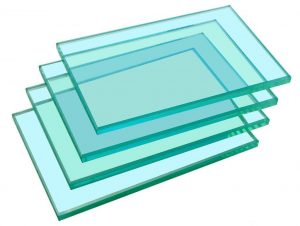
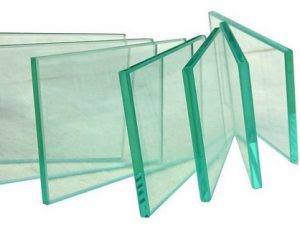
Float glass is a smooth, high-clarity glass with minimal optical distortion that serves as the base material for manufacturing various processed glass products, including laminated glass, (toughened) tempered glass, coated glass for interiors, and insulated glass units. Owing to its versatility, it is often referred to as the “mother of all glass.” To learn more about its manufacturing process, features, and applications, read our detailed guide on what is float glass? all you need to know.

Features of Float Glass

  • Durability: Float glass is highly durable because it is treated in ovens to increase its strength and durability. Although it is the same thickness as regular glass, it is far more efficient. The uniform structure of float glass makes it an ideal choice for designing the interiors and exteriors of your home.
  • Environment-friendly: Float glass helps keep indoor spaces cool during the hot summer months by regulating the temperature. This reduces energy bills, as you have to rely less on air conditioners for cooling.
  • Smooth Surface: The floating process results in an even, smooth surface.
  • Versatility: The properties of float glass allow it to be moulded into designs of varying thicknesses, shades, and sizes, making it suitable for achieving your desired aesthetics.

Uses of Float Glass

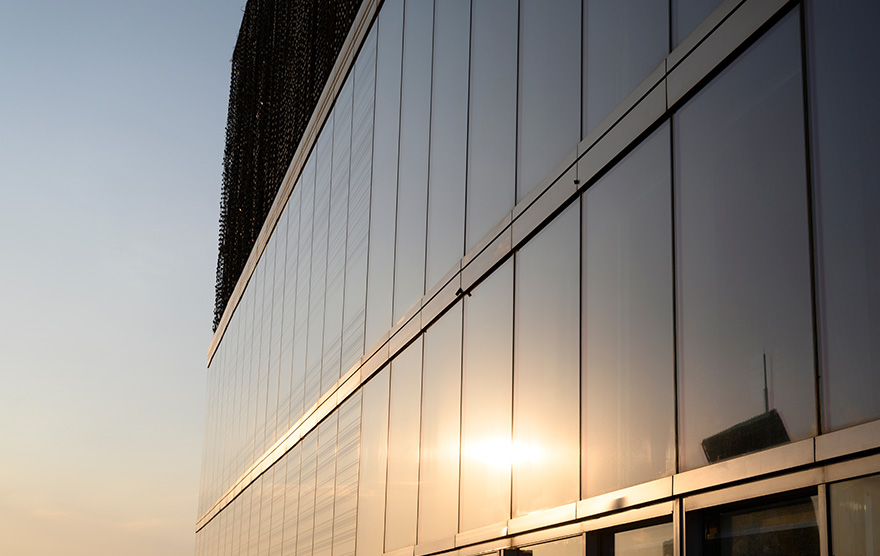
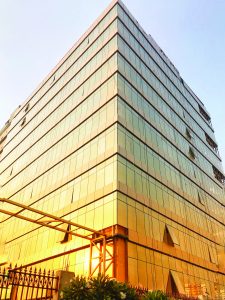
  • Used as a base material for façades in skyscrapers to give them a glistening, glazed look.
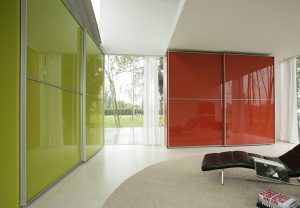
  • Used for making wall panels in residential and commercial spaces, adding much-needed vibrancy or a splash of colour.
  • Tabletops and cabinet doors are also made of float glass. Not only does it make your home look more elegant, but using float glass also makes your tabletops and cabinets sturdier and more durable.

What is Low-E Glass?

Low-E (low-emissivity) glass is an energy-efficient glass designed to reflect heat and reduce thermal transfer. It features a microscopically thin metallic coating that allows natural light to pass through while helping block ultraviolet (UV) and infrared (IR) rays, improving indoor comfort and energy efficiency. To learn more about its features, benefits, and applications, read our detailed guide on what is low-e glass?

Features of Low-E Glass

  • Minimises heat gain and heat loss during the hot summer and winter months, respectively.
  • Helps reduce the entry of harmful solar radiation.
  • Low-E coatings come with various coating options based on the climate and application.
  • Reduces reliance on heating and cooling systems, lowering carbon emissions.

Uses of Low-E Glass

  • Used in windows to reduce heat transfer,
  • Used in both commercial and residential buildings to enhance insulation, improve comfort, and increase energy efficiency.
  • Low-E glass is used in greenhouses to help regulate temperature and humidity.

Low-E Glass Vs Float Glass

ParametersFloat GlassLow-E Glass
Energy EfficiencyNo significant thermal insulation or energy-saving benefitsReflects heat and reduces thermal transfer and minimised energy consumption
UV ProtectionDoes not block UV raysBlocks UV rays
CostAffordable and easily availableExpensive due to multiple coatings but offers savings in the long term
DurabilityIt can be brittle if unprocessedTypically available as tempered glass, offering enhanced strength and safety
Aesthetic appealClear and smooth, providing a natural look, ideal for most designsIt may have a slightly reflective or tinted appearance
CustomisationIt can be tinted, frosted or laminated for various purposesAvailable in different coatings for various climatic regions
Environmental ImpactNatural; does not contribute or take away much from the environmentEco-friendly, reduces energy consumption and carbon footprint
Common Use CasesIndoor partitions, mirrors, tabletops, retail shelves, and interior doors.Energy-efficient residential windows, commercial building facades, and UV-protected spaces.

Conclusion

When deciding between float glass and Low-E glass for your project, choose the option that best suits your requirements, budget, and performance expectations. If you are looking for a versatile and cost-effective solution, float glass is an excellent choice. However, if energy efficiency, UV protection, and improved thermal comfort are your priorities, Low-E glass offers greater long-term value.

Understanding the features and benefits of both glass types is essential to making an informed decision. As one of the top Low-E glass manufacturers in India and a trusted float glass supplier, AIS offers a comprehensive range of high-quality glass solutions designed to meet diverse residential and commercial requirements. Manufactured using advanced technology and stringent quality standards, our glass products deliver exceptional performance, durability, and aesthetics. Get in touch with AIS today to find the right glass solution for your next project.


Categories

Common Challenges and Solutions while Installing Fire-Resistant Glass

Unlike regular glass, installing fire-resistant glass can be a complex task filled with challenges that may compromise its functionality, safety and integrity. 

From frame compatibility to meeting regulatory requirements, the process demands proper planning with precision, careful execution and complete knowledge of the glass’ properties and installation techniques. 

This post tackles the most common challenges faced while installing fire-resistant glass and provides practical solutions to overcome them and achieve a flawless installation. 

Identifying and Addressing Common Obstacles in Fire-resistant Glass Installation 

Challenge Number 1: Handling fire-resistant Glass 

Handling fire-resistant glass requires utmost care and attention. If not handled properly, the glass can get damaged, resulting in cracks and scratches. 

Improper handling of fire-resistant glass can compromise its integrity and even reduce its effectiveness in the event of fire. 

Solution 

To ensure that the glass stays safe and damage-free, follow the below-written precautions and instructions: 

  • Use a sturdy and flat surface to support the glass. 
  • Use a suction cup or specialised glass handling tool to lift the glass. 
  • Follow proper glass handling techniques, such as lifting the glass vertically, keeping it away from wall edges and other objects and storing it in a dry and secure area. 
  • Ensure that personnel involved in installation are trained and experienced in handling fragile objects. 
  • Wear protective gear (including gloves, glasses and protective clothing). 

Challenge Number 2: Ensuring Compatibility with the Frame 

An incompatible frame can have a negative impact on the fire-resistant properties of the glass, which can compromise the safety of the premises and its occupants. 

Solution 

  • Conduct thorough research about the frame material and its compatibility with fire-resistant glass. 
  • Use a frame system that is specifically designed for fire-resistant glass applications. 

Challenge Number 3: Installing Fire-resistant Seal 

Fire-resistant seals play a crucial role in ensuring the long-lasting performance of fire-resistant glass and preventing the spread of fire, heat and smoke through the glass and frame assembly. Therefore, proper seal installation is essential to ensure optimal thermal insulation. 

Solution 

  • Before installing the seal, run a dry cloth down the groove to remove any loose dust and debris from the frame. 
  • Check that the seal’s depth matches the groove’s dimensions. 
  • After installing the seal, confirm that the seal is securely installed with a snug and even fit. 

Challenge Number 4: Managing Installation Cost and Time 

Fire-resistant glass installation takes up a lot of time and requires specialised skills, materials and equipment. 

As a result, managing cost and time proves to be a major challenge for the installer, especially if it is a DIY installation. 

Solution 

  • Create a plan to ensure timely fire-resistant glass installation. 
  • Calculate the estimated installation cost and keep some additional funds aside for unexpected expenses. 
  • Choose a reliable glass manufacturer and supplier. 
  • Consider hiring a professional installer.  

Challenge Number 5: Managing Installation Waste 

The fire-resistant glass installation process generates different types of waste, including small glass fragments, packaging waste, framing materials and other non-recyclable elements. If not managed properly, this waste can cause environmental pollution and safety hazards. 

Solution 

  • Adopt the three Rs (reduce, reuse and recycle) to minimise environmental impact and reduce waste disposal costs. 
  • Partner with a waste management company that specialises in hazardous waste management. 

Challenge Number 6: Curved or Angled Installation Site 

Installing fire-resistant glass in uneven spaces, such as curved or angled surfaces, can be complicated. The unique geometry of such sites requires precise measurements and specialised skills and knowledge. 

If not addressed properly, curved or angled installations can result in financial losses and potential legal liabilities. 

Solution 

  • Contact experts to assess the site’s requirements. 
  • Use custom-designed frames. 
  • Hire installers with the required training, expertise and tools. 

Wrapping Up 

After exploring the various challenges associated with fire-resistant glass installation, it is clear that this is not an easy process. 

However, you can set yourself up for success by staying informed, prioritising precision and safety and sourcing fire-resistant glass from a reliable glass solutions company, such as AIS Glass. 

AIS Glass offers a range of fire-resistant glass products that meet the highest standards. From AIS Pyrobel to AIS Boropane, AIS Glass provides extremely durable and shatterproof fire-rated safety glasses that aesthetically meet functional needs. 

Ready to find the right fire-resistant glass? Visit AIS Glass now! 

Categories

Fact vs. Fiction: The Real Benefits of Low-E Glass for Your Home

From the scorching summers to chilly winters, India’s diverse and often extreme climate poses a significant challenge for homeowners who want to maintain a comfortable living space. 

Low-E glass offers a smart solution to this problem, offering excellent thermal insulation that keeps your home cool in the summer and warm in the winter. But is it the right solution for your home and does it live up to the hype? 

Let us shed light on this by cutting through the myths and exploring the real benefits of Low-E glass. To begin, let us understand what Low-E glass is. 

A Short Overview of Low-E Glass 

Low-emissivity glass, also known as Low-E glass, is designed to reduce heat transfer between indoor and outdoor environments. 

Treated with a microscopic metallic coating, Low-E glass boasts exceptional solar control and thermal insulation properties which allow it to reflect heat instead of absorbing it. 

This makes this glass the most suitable choice for homes and buildings requiring high levels of thermal protection and energy efficiency. 

Low-E Glass: Separating Fact from Fiction 

Myth #1: Low-E Glass is Too Expensive and Not Worthy 

While it is true that Low-E glass is comparatively more expensive than regular glass, its features outweigh its cost. 

By reducing heat transfer and minimising energy consumption, Low-E glass significantly lowers heating and cooling expenses which in turn leads to increased long-term savings and a rapid return on investment. 

Myth #2: Low-E Glass Reduces Light and Makes the Space Appear Darker 

After learning about the Low-E glass’ coating, people often assume that it will block natural light. However, this is a common misconception as the metallic coating present on Low-E glass is applied on a microscopic level and has a negligible effect on light transmission. 

Despite being thin, this coating effectively reflects heat without affecting the view and the brightness of the space, ensuring that your home stays well-lit and energy-efficient all year round.   

Myth #3: Low-E Glass is Only Suitable for Cold Weather 

As heat loss is considered a major concern in cold seasons, people believe that Low-E glass is solely beneficial in cold climates. 

However, in reality, Low-E glass can be beneficial in any climatic condition as it is not only designed to reduce heat loss but also to minimise heat gain from outside by blocking UV rays. 

This glass helps regulate temperatures and reduce energy consumption, ultimately resulting in comfortable indoor conditions regardless of the season. 

Myth #4: Low-E Glass is Difficult to Clean and Maintain 

Another widespread myth about Low-E glass is that it demands special cleaning products and techniques which is not true. 

Contrary to the misconception, Low-E glass is just as easy to clean and maintain as regular glass. Its smooth and durable surface resists dirt, dust and grime which allows for simple cleaning with soap, water and a soft cloth. 

Low-E glass requires no special maintenance, making it a hassle-free option that provides years of optimal performance with minimal upkeep. 

Myth #5 Low-E Glass is the Same as Tinted Glass 

While both Low-E glass and tinted glass are especially made to reduce the amount of solar heat entering a building, both of them work in different ways and provide distinct benefits. 

Unlike tinted glass, Low-E glass provides better visible light transmission by allowing optimum light to pass through. This glass does not block direct sunlight but instead reflects it, creating a harmonious balance between solar radiation control and thermal insulation. 

Summing Up 

By debunking the common myths, we have revealed numerous benefits of Low-E glass. For those who demand the best, AIS Glass is the name you can trust for exceptional quality, performance and value. 

AIS Glass provides a range of Low-E glass products that offer the right blend of energy saving, visual comfort and thermal control. 

Set to bring new ideas to life, the Ecosense range by AIS includes various types of glass, including Ecosense Exceed, Ecosense Essence, Ecosense Edge and Ecosense Excel, each with unique features and benefits. 

Transform your home with AIS Glass Low-E glass and discover a new standard of comfortable living. 

Categories

Understanding the Different Coatings and Treatments for Eco-Friendly Glass

The world is shifting towards a sustainable future and the glass industry is no exception. The advent of eco-friendly glass has made a positive impact by offering a blend of sustainability, performance and style. 

However, as the use of eco-friendly glass continues to grow, so does the demand for more sophisticated features. 

To address this demand, glass solutions providers are turning to advanced coatings and treatments that enhance eco-friendly glass’ performance and functionality. But what exactly are these coatings and treatments? 

Let us find out.  

Role of Coatings and Treatments for Eco-Friendly Glass 

Eco-friendly glass coatings and treatments are specialised layers that are applied to the surface of eco-friendly glass to improve its performance, functionality and aesthetic appeal. 

While these coatings and treatments may seem like a small deal, it is important to note that they significantly affect the overall sustainability and energy efficiency of eco-friendly glass. 

Furthermore, the application of such coatings and treatments transforms eco-friendly glass into a high-performance material that offers various benefits, from thermal insulation to solar control and privacy. 

Eco-Friendly Glass Coatings and Treatments: Types and their Specific Purpose 

Low-E Coatings 

Low-E coating, also known as low emissivity coating, is a type of glass coating that reduces the amount of heat emitted or radiated through an eco-friendly glass. 

In simple words, this coating helps the eco-friendly glass to reflect the radiant heat instead of absorbing it. This minimises heat transfer through the glass, thereby resulting in reduced heat loss in the winter and reduced heat gain in the summer. 

This way, low-E coatings for eco-friendly glass improve the overall energy efficiency and enhance interior comfort. 

Solar Control Coatings 

As the name suggests, solar control coatings are designed to regulate and control the solar radiation that enters a building through eco-friendly glass. 

When applied to eco-friendly glass, solar control coatings absorb infrared rays and block direct solar radiation which in turn reduces the amount of heat entering the space. 

This enhances the comfort and well-being of the occupants, reduces energy consumption and prevents belongings from fading while maintaining a bright and natural atmosphere. 

Heat-Reflective Coatings 

Heat-reflective coatings are specifically used to reflect the sun’s heat away from the interior while allowing natural light to enter. 

These eco-friendly glass coatings protect occupants from harmful UV rays and minimise the load on air conditioning systems, helping create a more energy-efficient and sustainable environment. 

Although heat-reflective coatings may seem similar to solar control coatings, they have different functions. For example, unlike solar control coatings, heat-reflective coatings mainly focus on reflecting solar radiation rather than controlling heat gain. 

Tinted Coatings 

Tinted coatings are another type of coating that is used to impart a tint and add heat-absorbing properties to eco-friendly glass. 

This coating protects against glare and UV radiation and prevents discomfort and eye strain for occupants. 

Plus, tinted coatings allow the space to remain cool and enhance its aesthetic appearance, making tinted eco-friendly glass an ideal solution for spaces with high levels of natural light. 

Copper-Free Coatings 

Copper-free eco-friendly glass coatings serve as an eco-friendly alternative to traditional copper-based coatings. 

This eco-friendly glass coating provides excellent solar control and thermal insulation properties while keeping it free from harmful materials (particularly copper and lead). 

Along with reducing environmental impact, copper-free coating offers a number of practical benefits of eco-friendly glass, including corrosion resistance and improved durability and longevity. 

Wrapping Up 

As we have explored the different types of coatings and treatments available for eco-friendly glass, it is clear that the options are vast and varied. 

From solar control coatings to tinted coatings, each type comes with unique benefits and features. Builders, designers and architects can easily craft iconic architectural spaces that are not only eco-friendly but also visually stunning. 

But, to make this a reality, partnering with a pioneering glass solutions company, such as AIS Glass, is crucial. AIS Glass has an extensive range of eco-friendly glass products with specialised coatings that cater to different needs and applications. 

Ready to create a beautiful, eco-friendly space? Contact AIS Glass today and step towards a sustainable future. 

Categories

How to Maintain and Clean Toughened Glass for Optimal Performance?

From windows, roof lights and canopies to windshields and sunroofs, toughened glass is being used everywhere and for good reason.

Its high level of intrusion resistance, acoustic insulation and exceptional thermal stability justifies its rang of application .

However, to maintain its performance, longevity and clarity, periodic maintenance and cleaning is a must.

So, let us explore the best practices for maintaining and cleaning toughened glass to ensure that it stays functional for years to come.

Tips and Tricks to Clean Toughened Glass for Optimal Performance

  • Choosing the Right Cleaning Solution: Opt for mild soap and water or specialised cleaning solutions, particularly those which are ammonia-free and will not leave streaks.

    You can also use vinegar and water for cleaning, however, remember to rinse the glass properly as it can leave residue on the glass surface.

  • Using a Lint-Free Cloth: Lint-free cloths are gentle on the glass and leave no lint, streaks or scratches behind. When cleaning, wipe the toughened glass with the cloth in a circular motion, starting at the top and working your way down.

    For a better experience, consider using a microfibre cloth specifically designed for cleaning glass.

  • Avoiding Abrasive Materials: Do not use scrubbers, rough cloths, high-alkaline cleaners and harsh chemicals (such as bleach and ammonia) as they can scratch the surface. Additionally, avoid using tissues or paper towels to keep your glass damage-free.
  • Frequent Cleaning: Clean the toughened glass from time to time to prevent dirt, dust or grime buildup and the growth of mould or mildew. By cleaning the glass frequently, you also keep stubborn stains and mineral deposits at bay.
  • Drying the Glass: Once you are done cleaning, thoroughly dry the glass and its corners and edges to ensure that they remain clean and spotless.

Additional Toughened Glass Maintenance Tips

  • Regular Inspection: Inspect the glass periodically for chips, cracks, scratches, wear and tear or other signs of damage and visible defects. This will help you identify the issues and deal with them before they escalate or become serious.

    It is suggested that toughened glass be inspected every six months or more frequently if it is under heavy use or faces harsh climatic conditions.

  • Proper Coating: Applying a suitable coating or sealant to the glass will protect it from environmental factors, such as water spots, mineral deposits, UV rays, etc., and minimise the upkeep requirements. However, it is important to note that you need to choose a coating that is compatible with the type of toughened glass in use.
  • Lubrication: Regular lubrication of moving parts, especially hinges and locks, helps reduce friction and wear and tear, ensuring smooth functioning, preventing potential damage and maintaining optimal performance and longevity of the glass.
  • Frame Cleaning: Often overlooked but an important part of maintenance, frame cleaning removes dirt and debris and prevents mineral deposits from forming.

    When cleaning the frames around the toughened glass, use a soft-bristled brush and a mild detergent and dry the frame right away to ensure that the glass remains secure, durable and aesthetically appealing.

  • Thermal Protection: Extreme temperature changes cause thermal stress which increases the possibility of glass breakage or shattering. Therefore, it is crucial that you do not install or keep the toughened glass in areas where it is exposed to direct sunlight, particularly during peak hours.

    Furthermore, you can apply a thermal barrier coating to extend the lifespan of your toughened glass and avoid costly repairs.

  • No Adhesive Materials: Do not apply stickers, decals or other adhesive materials on the glass as they can leave behind residues and scratches and trap moisture and dirt, compromising the glass’ performance.

Key Takeaways

Taking care of a toughened glass is quite simple, just follow the guidelines mentioned in the post while cleaning.

By doing so, you will be able to use toughened glass for years without worrying about scratches, damage or compromised performance.

Now that you know how to keep the toughened glass in top condition, it is time to choose a trusted toughened glass manufacturer, such as AIS Glass.

AIS Glass’ is a dominant player in both automotive and architectural segments. Designed to provide Level 2 and Level 3 protection, AIS Glass’ toughened glass also offers greater impact resistance and high strength.

Want to learn more? Visit AIS Glass

Categories

Solar Control Glass: An Overview of Its Uses and Benefits

What Is Solar Control Glass

The growing demand for energy-efficient solutions has resulted in the emergence of solar control glass. Solar control glass is a special type of glazing that helps to reduce solar heat gain and glare by reflecting, absorbing, and dissipating solar radiation. It has numerous applications, including use in residential and commercial buildings, car windows, skylights, sunrooms, conservatories, and more.

By helping maintain comfortable indoor temperatures while reducing the need for excessive cooling, solar control glass can improve energy efficiency and enhance indoor comfort. In this article, we explore what solar control glass is, its benefits, and its various applications. Let’s get started:

An Overview of Solar Control Glass

Solar control glass is a window glazing solution that helps reduce solar radiation, glare, and solar heat gain. It can lower energy consumption and maintain indoor comfort by limiting unwanted solar heat while allowing natural light to enter. Solar control glass can be made using different technologies and materials, including Low-E coated glass. Want to learn more about how Low-E glass improves energy efficiency? Explore our detailed guide to Low-E glass for energy efficiency. Other options include tinted mirror glass and reflective films applied directly to the window surface.

The amount of solar radiation and solar heat gain blocked by solar control glass depends on the type of material used in its construction.

Uses of Solar Control Glass

There are various uses for solar control glass, ranging from commercial buildings to solar power systems. Mentioned below are the different uses of solar control glass:

  • Reducing solar loads: Solar control glass helps reduce solar heat gain in buildings and other structures, thus keeping the temperature of the interior more comfortable. It also lowers air-conditioning costs due to its insulation properties without compromising on natural daylight.
  • Increasing solar energy yields: Solar control glass can increase solar energy yields by reducing reflection and losses of solar radiation. Solar control glass is great for solar panel systems as it increases solar cell efficiency and reduces their temperature, thus providing better performance overall.
  • Reducing glare: Solar control glass helps reduce glare from the sun, making it easier to see through windows without being blinded or distracted. This is particularly useful in areas where strong sunlight may cause a problem.
  • Increasing safety: Solar control glass also protects people from excessive UV rays that can cause skin damage and other health issues. The solar control glass also protects against harmful substances like smoke particles and carbon monoxide.

Benefits of Solar Control Glass

Mentioned below are the numerous advantages solar control glass has to offer:

  • Solar control glass reduces solar heat and glare, giving homeowners greater comfort and energy efficiency in their living spaces.
  • It also helps block out damaging ultraviolet rays that can cause fading of fabrics, carpets, and furniture over time.
  • One of the greatest advantages solar control glass offers is its ability to significantly reduce air-conditioning costs due to its insulation properties – as much as 30%.
  • This type of glass is also available in visible light transmittance levels, allowing you to customize it to your specific needs and preferences.
  • Finally, solar control glass can be tinted or coated with solar control films to give you the perfect amount of solar protection and visual comfort.

The Bottom Line

Solar control glass is a great choice for homeowners and businesses looking to reduce solar heat gain and glare while maintaining clear outdoor views. With its ability to enhance indoor comfort and improve energy efficiency, it is easy to see why solar control glass is becoming a popular choice for modern buildings. As one of the leading solar control glass manufacturers in India, AIS offers advanced glass solutions designed to help create more comfortable and energy-efficient homes and workplaces. For anyone looking for an effective solar control solution, explore AIS solar control glass options to find the right fit for your needs.

Categories

Using Lacquered Glass in Commercial Spaces: Benefits and Ideas

When it comes to commercial spaces, functionality and practicality often take centre stage. However, aesthetics and design elements should not be overlooked. Adding some decorative flair to restaurants, retail stores or offices can greatly enhance the ambience and create a welcoming atmosphere.

One versatile and stylish option that can elevate the look and feel of any commercial space is lacquered glass. From conference rooms and lounges, to lift lobbies and escalator panels, using lacquered glass can enhance the overall ambience.

So, let us dive in and explore the benefits and ideas for using lacquered glass in business spaces.

Why is Lacquered Glass a Smart Choice for Commercial Premises?

High-Quality

Made using a special type of high-quality paint, lacquered glass boasts a flawless gloss finish that remains vibrant and beautiful for years. This guarantees an unmatched level of quality by other glass options and helps businesses create a lasting impression on clients and customers.

Durable

Lacquered glass is oven-cured through a unique process that locks in the colour and finish, provides an easy-to-clean surface and ensures a long-lasting appearance.

This allows the glass to withstand the demands of high–traffic areas without losing its functionality and aesthetic appeal, making it ideal for commercial applications.

Humidity-Proof

Lacquered glass has a humidity-proof coating, making it resistant to moisture and humidity.

This is a total game-changer glass for commercial spaces that are prone to high humidity levels, such as spas, restaurants, museums, and gyms, ensuring that the glass stays clean and crystal clear even without regular upkeep.

Environment-Friendly

Lacquered glass boasts of having a low Volatile Organic Compound (VOC) emission rate, which means that this glass does not release harsh chemicals into the air, contributing to better indoor air quality.

This makes lacquered glass perfect for commercial premises with poor ventilation, particularly meeting spaces, hospitals, restaurants and research facilities.

Wide Colour Options

The lacquered glass features a palette with a diverse colour range, allowing commercial spaces to customise and create, a warm and an inviting ambience, reflecting the brand’s personality.

With a wide range of colour options to choose from, businesses can seamlessly integrate lacquered glass into their existing interior décor or explore new possibilities to craft a sleek, modern, and visually stunning space.

Heat and UV-Resistant

Lacquered glass, being heat and UV-resistant, remains intact even in harsh environments.

This glass withstands high temperatures without cracking, warping and discolouring, making it best-suited for commercial spaces exposed to sunlight and extreme weather conditions, such as:

  • Restaurant patios and outdoor seating areas
  • Storefronts
  • Office building lobby areas
  • Hotels and resorts
  • Airport terminals
  • Shopping malls
  • Stadiums, etc.

Ideas for Using Lacquered Glass in Commercial Spaces

  1. Reception Countertops: Add a touch of sophistication and elegance to your reception area with a lacquered glass countertop.
  2. Conference Rooms: Use lacquered glass to create a sleek and modern conference table, logo display and functional whiteboard for brainstorming sessions.
  3. Signages: Make a bold statement with easy-to-read lacquered glass signages that prominently showcase your brand’s identity and provide important details to visitors.
  4. Surface Cladding: Add a pop of colour to your walls with lacquered glass and create an eye-catching, striking feature wall that leaves a memorable mark.
  5. Lift Lobbies: Elevate the style of your lift lobby with a lacquered glass table, adding a touch of luxury and style to your existing decor.
  6. Doors and Partitions: Use lacquered glass in doors and partitions to allow natural light to filter through and create a sense of transparency and depth in your commercial space.
  7. Display Shelves: Showcase art pieces, food and beverages and retail products, such as jewellery, cosmetics or electronics, with lacquered glass and create a visually appealing and engaging display for your customers.

Wrapping Up

Lacquered glass is a modern, stylish and versatile material that can transform a commercial space into a unique and vibrant hub, elevating its overall aesthetic.

Looking for a reliable partner to buy lacquered glass? Consider AIS Glass, your one-stop shop for high-performance lacquered glass.

With a rich legacy of innovation and excellence, AIS Glass offers end-to-end solutions that suit the diverse needs of customers.

Visit AIS Glass to explore our broad range of automotive and architectural glass products now!

Categories

Top Applications for Fire-resistant Glass in Modern Architecture

Beyond damage to property, fire is capable of causing irreversible harm to human life and emotional well-being. Fortunately, advancements in architectural solutions have given rise to cutting-edge materials, such as fire-resistant glass.

This specialised glass keeps fire at bay and gives people time to escape, providing a critical layer of protection against fire-related hazards. Given its potential to save lives and prevent damage, it is crucial to understand how it can be used in modern architecture.

By incorporating fire-resistant glass, architects can design safer spaces without compromising on aesthetics or functionality. Join us as we explore the top applications of fire-resistant glass.

Importance of Fire-resistant Glass

Fire-resistant glass is specifically engineered to withstand extreme levels of temperatures while restricting heat transfer and preventing the passage of smoke and flames.

This glass keeps you safe from heat, smoke, and fire for an extended period and ensures protection against conductive heat transfer and radiation.

Installing this glass can significantly reduce the spread of fire and avoid fatalities and costly damages, making it an integral part of modern building designs.

Applications of fire-resistant Glass in Modern Architecture

Exterior Facades

Being 3 times stronger than normal annealed glass, fire-resistant glass plays a crucial role in exterior facades. It effectively prevents the spread of fire without getting affected by extreme temperatures.

Furthermore, fire-resistant glass retains its strength and clarity even when exposed to intense heat. This feature ensures that occupants safely evacuate the building, making it ideal for creating safe and aesthetically pleasing modern facades.

Doors and Windows

Fire-resistant glass offers a unique blend of safety, high mechanical strength, and resistance to breakage.

The absence of nickel sulphide particles in fire-resistant glass prevents shattering and spontaneous breaking during handling, transportation, installation, as well as post-installation.

This exceptional durability and reliability make fire-resistant glass a good choice for doors and windows, eliminating the risk of unauthorised access and providing a safe and secure barrier against fire.

Partitions and Walls

When used in walls and partitions, fire-resistant glass helps create open, airy spaces that are visually appealing and safe.

Fire-resistant partitions and walls can effectively contain fires within a specific area and prevent them from spreading to other areas of the building or floor.

Escape Routes

From providing a safe and secure passage for occupants to evacuate the premises to stopping fire spreading in the unfortunate event of a fire, this glass keeps the occupants and the building safe from fire damage.

Thanks to the robust fire-resistant properties, fire-resistant glass maintains its strength even when exposed to intense heat, ensuring that people can safely navigate escape routes even in smoky or fire-filled conditions.

Rooflights

Fire-resistant glass boasts an exceptional ability to withstand extreme temperatures and remain secure and functional during fire.

Designed to meet the fire-safety requirements of modern architecture, fire-resistant glass serves as a perfect barrier against radiant heat and provides a safe and reliable solution for natural light transmission while maintaining fire safety.

Overall, this glass is an ideal material for skylights and rooflights, offering safety, energy efficiency, and a sleek and modern look to your building project.

Applications of Fire-resistant Glass across Industries

Fire-resistant glass plays a vital role in various industries, offering both safety and functionality. Some of its key applications include:

  • Hospitals
  • Schools
  • Hotels
  • Restaurants
  • Retail stores
  • Malls and shopping centres
  • Industrial buildings
  • Warehouses
  • Laboratories
  • Office buildings
  • Metros
  • Airports

Ending Notes

Fire-resistant glass is an innovative architectural material that not only provides unparalleled security and durability but also adds a level of visual appeal to buildings that is hard to match. From partitions and facades to doors, windows and rooflights, fire-resistant glass has various applications in modern architecture.

Whether you are a homeowner, architect, designer, or developer looking to create a space that demands a high level of safety and excellent performance, fire-resistant glass is the way to go.

Take your building’s safety and style to new heights with AIS Glass, a leading integrated glass solutions company. AIS Glass offers a high-end range of fire-resistant glass, including AIS Pyrobel and AIS Boropane, that is especially engineered to offer fire safety for up to 2-3 hours in the event of a fire.

Want to learn more about our fire-rated safety glass? Visit AIS Glass.

Categories

4 Precautions to Take With Your Car's Side Windows

There are many different window glass types such as laminated and tempered glass which are used in automotive glass installations. While windshields, which represent the most important glass installation in a car, are made from laminated glass, side windows are constructed from tempered glass. Many people prioritise windshield maintenance and repair for their cars, but that doesn’t mean that they neglect the side windows.

Unlike annealed and laminated glass, good quality tempered glass, such as Temperlite-LT by AIS Glass, breaks away into tiny pebble-like pieces that are harmless and powdery in nature. This property ensures that the passengers and the drivers remain uninjured in case the side windows get shattered. While tempered glass does make the side windows strong and durable, there are many precautions you need to take in order to ensure that it does not get damaged beyond repair.
Here are four things to keep in mind so as to ensure safe working car glass windows:

  1. Do not delay repair

From time to time, it is important to inspect the condition of your car windows. This becomes extremely important in the aftermath of an accident which might have caused some damage to the structure of the car. Even if your windows have a small crack, a minor chip or a scratch, do not assume that it is harmless. These damages have a habit of exacerbating over time while also weakening the glass, thus putting you and other passengers in danger the next time an accident occurs. Therefore, always get the windows repaired quickly by the experts in your vicinity. 

  1. Do not slam the car doors violently

Yes, slamming the car doors time and time again can lead to damaged side windows. One has to understand that these sudden closing of the doors with force generate vibrations inside the car. If they occur with high frequency, then there is a chance that some integral structural damage might occur to the window installation or the windows might loosen. It is best to be gentle and mannerly while shutting the car door. 

  1. Do not use ammonia-based cleaning agents

It is important to know the right type of cleaning agents for your car windows. Ammonia-based agents are usually used in architectural glass inside homes and buildings, and can damage the tint of the car windows. Also, while cleaning car windows, use a clean cloth or microfiber towel so as to avoid leaving damaging streaks. 

  1. Do not expose car windows to long periods of intense, direct sunlight

Long exposure to harsh heat and sunlight causes UV ray damage to car windows, thereby decreasing their lifespan and also affecting the structural integrity of your car. Always try to park your car in the shade, a garage or with a protective cover.

Categories

Why are Modern Architects in Love with Architectural Glass?

Modern architecture has reached new heights, thanks to the rapid progress in technology, improvement in the quality of the material used and limitless innovations! But there’s one thing that the modern architects seem to be loving a little too much, architectural glass. Be it any famous building you can think of, the use of glass certainly enhances the beauty of any building.

Properties of Glass

Architectural Glass
Architectural Glass

Glass is majorly used in the construction of buildings, museums and other structures due to the following properties:

1. Transparency

The most unique property of glass is that it is transparent (or translucent). Caused due to its non-crystalline nature and peculiarity of the bonds within the glass, its transparent appearance allows it to manipulate lights, block certain waves from entering and even reflect them, thereby providing the architects tons of opportunities to play around and create masterpieces.

2. Insulation

Glass has good insulation properties which makes it a commonly used product in the construction industry. It can resist and provide a good insulating response against light transmission, heat, electricity and even sound transmission (if the glass is thick enough). You might have heard of interlayered glass or similar variants being used in construction as the glass pane’s thickness can be modified for effective insulation, unlike its stiffness and damping.

3. Strength

Appearances can be deceptive. Despite its glossy, high-end and fragile appearance, glass is quite durable and strong, thanks to the massive optimisation in its manufacturing process and the premium quality material used. Techniques such as etching, thermal strengthening and fibre reinforcement increase the glass’ deformation resistance under load so that it can be used as partitions, staircase, railings, etc without compromising the safety of the user.

4. Recyclable

Given the rapid deterioration of the environment, it is necessary to use environment-friendly products and the fact that glass can be recycled completely makes it a favourite among architects! It not only helps in creating new products without expending more resources but also helps reduce emissions.

5. Resistant to Fire and Chemical

Glass is highly resistant to chemicals and fire which means that it can not only withstand extreme weather conditions but can also be used abundantly in the construction of laboratories, research centres and other buildings meant to contain hazardous chemicals. Heat-treated glasses are also available in the market and are capable of preventing the spread of fire into other areas by trapping the smoke and toxic gases emanating from burned furniture and objects.

Types of Architectural Glass

Now that your curiosity is somewhat quenched, we will move on to the different kinds of architectural glass that are being commonly used by architects in construction these days. Companies like us (AIS) have been using state-of-art technology and optimised processes to make sure these glasses don’t lack appearance, strength or durability which makes them a great solution for all kinds of buildings, designs and infrastructure.

1. Laminated Glass

Laminated glass is made by bonding multiple layers of ordinary glass using a transparent and flexible material. It is widely used in architecture and can be used to create other types of glasses as well (like float, wired or toughened glass). Laminated glass can help block UV rays and sound transmission and is often used in the construction of bridges, aquariums, canopies, etc.

2. Energy-efficient Glass

Smart architectural designs not only look good but also help with energy efficiency and hence glass manufacturers like us (AIS) have also come up with energy-efficient glasses. It is made using glazing float glass and has a special coating on one side which allows solar energy to pass through while reducing the transfer of thermal energy in the other direction. This helps in regulating the temperature inside so that electronic devices don’t have to work overtime, thereby reducing carbon footprints and electricity bills.

3. Privacy Glass

Privacy glass is glass that allows you to change the transparency at the touch of a button. These can have many advantages when it comes to both commercial and residential buildings.

4. Tinted Glass

It’s no secret that tinted glasses are one of the top choices when it comes to the construction of commercial or residential spaces. These glasses are made by adding a certain type of ion to normal glass, which adds colour to it without affecting any other property of the glass. Tinted glasses can be used in the exteriors as windows, entrances, balconies, stairways, museums, exhibitions, and various other places. These not only add a personal touch to the space but also offer a greater sense of privacy even in commercial spaces.

5. Toughened Glass

Yet another commonly used glass is toughened or tempered glass. Even if you feel its primary job is to protect your phone’s screen, it is being used extensively in construction due to its superior strength and the ability to break down into safer pieces instead of large shards. It can also be coupled with laminated panels to make it more secure and safe for residential spaces. Be it shower pool fencing, kitchen splashbacks or shower screens, toughened glass has proved its usefulness effectively.

The list can be quite long but we have covered the most commonly used glasses so that you can start exploring in the right direction with the help of the information provided above. If you are looking to purchase premium quality glasses for designing your dream home or office space, then do visit our website to explore the countless options available so that you can design your space in the best way possible at affordable rates.

Categories

Best Balcony Glass Design Ideas for Modern Homes

If you recently bought your dream home or are simply planning to renovate your home for a refreshing look, then this article might help you decide how to enhance the looks of your balcony. We all love relaxing in a quiet, refreshing nook in our house where we can spend some quality time, and a well-designed balcony can fulfil that purpose.

To ensure your balcony looks modern, sophisticated, and unique, we have compiled together some interesting balcony glass design ideas that are not only practical but also pleasing to the eyes!

Are Glass Balconies Safe?

If you are hesitant about investing in balcony glass design due to safety concerns, then you can leave those worries behind as the rapid progress in technology has resulted in several useful inventions like toughened glass for balconies which is highly durable and resistant to impact under extreme conditions.

All you need to do is purchase them from reliable brands like AIS as they make sure that the glass is manufactured as per international standards and are durable enough to stay undamaged for a longer duration.

In the modern world, glass has emerged as one of the top choices when it comes to renovation and construction as it can be used in creating walkways, staircases, fenestrations, facades and much more using different kinds of glass for your home (like toughened glass for balcony)

6 Modern Balcony Glass Design Ideas to Elevate Your Space

Here are some glass designs you can install in your balcony to make it stand apart and create a minimalistic yet elegant space for yourself.

  • Acoustic Glass

Don’t be fooled by the looks of the acoustic glass as it might look fragile but is quite sturdy, thereby making it a good choice. It features a PVB interlayer that contributes to the glass that helps in reducing external noise. A laminated glass railing goes well with all kinds of interiors, so it will add a minimalistic yet sophisticated touch to your home’s exterior without any trouble. Last but not least, it eliminates the need for installing additional grills or shutters, as the glass itself is quite strong and can handle heavy impact. If you want to invest in something more durable then you can opt for heat-strengthened laminated glass which offers higher stability and eliminates the need for grills and shutters.

  • Insulated Glass

Yet another toughened glass for the balcony is the insulated glass. It can include two or more panels that are separated by air, aluminium or other types of spaces around the edges. The perimeter is sealed to make sure it doesn’t break off easily while the drying agent eliminates moisture in the cavity, thereby making it even more strong. This composition also makes it an energy-efficient solution so you can also use it in windows or the wider panels on the balcony and reduce your electricity bills. Insulated glass made by companies like AIS (AIS IGU) can also block harmful UV rays and increase wind load strength. The insulated glass made in this manner is quite durable and won’t be easily damaged, thereby saving you from the trouble of replacing it time and again.

  • Tempered Glass

Tempered or toughened glass for a balcony is recommended by most experts as it beautifully combines looks and strength so that you can enjoy panoramic views without worrying about the safety of your loved ones. You can combine high-tempered glass with steel borders or railings and make sure your balcony looks attractive without increasing the risk of impact-related breakage.

  • Tinted Glass

If you live in an area where the sunlight is usually harsh then you might want to invest in tinted glass. It not only adds a layer of privacy but also proves to be effective in blocking the sun’s heat, thereby helping in lowering the room’s temperature without compromising on aesthetics. The best part about tinted glass is that you can add a hint of colour and make your balcony a little more lively by investing in shades of grey, bronze, blue, green and uniquely designing your balcony!

  • Frosted Glass

Yet another glass design that can instantly enhance the style and looks of your balcony is frosted glass. It is popular since it gives you greater privacy while admitting light which means you are obscured from the public eye as you admire the clear skies and rejuvenate on your balcony. Frosted glass is made using superior glass manufacturing techniques and is also available in shades like green blue and bronze which helps in adding a personal touch to your balcony in no time!

  • Reflective Glass

Reflective glass has gained popularity due to its unique design, which is not only visually appealing but also highly effective in ensuring privacy and keeping heat at bay. To understand its features and benefits in detail, learn more in our guide on reflective glass. Companies like AIS manufacture reflective glass using advanced coating technology, which, when combined with its brilliant aesthetics, results in an energy-efficient solution that is not only pleasing to the eye but also helps regulate indoor temperatures to some extent.

Conclusion

Now that you have a better idea about the kinds of glass that can adorn your balcony, it’s time to get in touch with trusted glass manufacturers like AIS and make your balcony stand out. As one of the top Indian glass manufacturers in India, AIS offers premium balcony glass solutions that are not only durable but also easy to maintain. When sourced from a genuine glass manufacturer, these solutions ensure long-lasting performance, so you won’t have a hard time keeping your balcony stylish and presentable!

Categories

5 Security Glass Applications in the Hospitality Sector

Glass installation instantly improves the two pillars of the hospitality sector, aesthetics and space. Hence, they are a staple material for this sector.  Although they are considered fragile, the advancements in technology have rendered the glass more sturdiness and durability. Further, they can be used in various creative ways to enhance the kerb appeal as well.

Security glass is dominating the fenestration world owing to the innumerable benefits it has in store – from being highly durable to withstanding significant impact. Its mechanism and features make them a suitable choice for the hospitality sector. Here’s how you can incorporate it in different areas-
1)      Glass Walkways and Balconies
The hospitality industry is usually known for the amazing views that visitors get to enjoy. This is where glass walkways and balconies come into play. They offer admirable views of outdoors and their sleek design adds aesthetic features to the indoors. However, ensuring security and avoiding accidents are mandatory as well. Security glass is the ideal solution to ensure both the safety and aesthetic appeal as it’s architecturally sound. These anti-slip and highly durable glasses are perfect for the guests to enjoy walking on glass.
2)      Shower Cubicles
Since the hospitality industry is all about servicing clients, every precaution must be taken to ensure the safety of the guests. Although the chances of the glass shower enclosure breaking are very less, willingly sheltering this potential risk is not worth it. Security glass is designed to sustain heavy blows and not break. However, even if it breaks, its unique mechanism prevents the glass from shattering into large shards that can injure the guests. Hence, they are the ideal choice for shower cubicles.
3)      Windows
Security glass, when installed in windows, helps in maintaining safety as well as preventing outside noise from entering the reception area or other rooms. This helps to ensure a quiet and peaceful environment for the guests.  Also, they eliminate the chances of burglaries and thefts owing to their impact resistant feature.
4)      Entrance Doors
The entrance door is the center of attraction and makes the first impression. Hence, it must be in an impeccable condition and meticulously designed. With security glass, you never have to worry about cracks or any other damage. Besides ensuring security, it accentuates the entrance of the property.
A reliable glass company in India such as AIS Glass is your best bet in case you are planning to enhance the security of the hospitality sector.

Categories

Buy High-Performance Tempered Glass for Homes in Prayagraj

Tempered Glass, also known as toughened glass, is a popular choice in the architecture and construction industry owing to its durability, safety and aesthetic appeal. Whether you are designing a new home in Prayagraj or renovating an old one, tempered glass is an excellent choice.

In this blog, we will examine the features and uses of tempered glass for homes to help you make a better purchase decision.

What is Tempered Glass?

Tempered glass is the top choice for homeowners who want durability, safety and an exceptionalphysical appeal.

Tempered glasses are four to five times stronger than a normal annealed glass, against physical, environmental and thermal stress, making them a more viable choice for residential doors and windows.

Benefits of Tempered Glass

Let’s take a look at some of the benefits of installing a tempered glass at your home in Prayagraj:

  • Increased Strength: Tempered glass is made by heating annealed glass and suddenly cooling  it to enhance its strength and durability This process of quenching makes the tempered glass four to five times resistant to scratches, impacts and other damages.
  • Safety Concerns: Unlike regular glass, which, when shatters, breaks into sharp pieces, tempered glass has harmless dull edges even when it shatters. This reduces any risk of serious injury, making it a safe option to install in your homes.
  • Thermal Resistance: Tempered glass offers immense thermal protection, especially in Prayagraj’s extreme climate. The tempered material can withstand temperature changes without succumbing to climatic pressures

Common Applications of Tempered Glass

Listed below are a few of the most common applications of tempered glass at home:

  • Windows and Doors: Tempered glass is majorly used in windows owing to its functionality and aesthetic appeal. It is strong, durable, scratch-resistant, energy efficient, and provides sound insulation, making it an ideal choice for homes in Prayagraj.
  • Shower Enclosures and Partitions:  Tempered glass is also used in shower enclosures and partitions in bathrooms. Tempered glass provides a sleek and elegant design making it ideal for a modern bathroom setting.
  • Balcony and Stair Railings: Tempered glass is often used in balconies and staircase railings to ensure safety while providing a more sophisticated and aesthetic look.
  • Furniture and Appliances: Tempered glass is also used in furniture’s and interior applications such as glass tables, shelves, cabinets and more. It is heat-resistant, easy to clean, and less prone to breaking, making it a worthy choice for your home and kitchen needs.

To explore more unique applications of tempered glass and how it can enhance various aspects of your home, check out this comprehensive guide: https://www.aisglass.com/blog/unique-applications-of-tempered-glass/

Conclusion

Investing in high-performance tempered glass is a smart choice. Whether you are living in the heart of the Prayagraj or near the Prayagraj junction, contact Asahi India Glass Ltd (AIS) at seemore@aisglass.com, to help you find the best quality tempered glass for your home for a happy living.

Categories

How to Maintain and Clean One-Way Glass for Longevity?

One-way glass, commonly referred to as privacy glass, is a specialised glass that allows observers to see through from only one side of the glass. This unique feature is made possible by a delicate, reflective coating which is applied to the observer’s side of the glass. 

To ensure that this coating remains intact and functional, proper maintenance and care of one-way glass should be a top priority. 

This guide will outline the best practices for maintaining and cleaning one-way glass, including the recommended techniques and precautions to take.

 Best Practices for Cleaning One-Way Glass 

  • Use Soft Cotton Cloths: Using rough cloth or scrubbers can damage the reflective coating on one-way glass, making it useless. Therefore, it is recommended that you only use soft cotton cloths or lint-free cloths to avoid scratching the glass and tearing the coating. 
  • Avoid Harsh Cleaning Agents: Cleaning agents, such as alkaline solutions, washing detergents, acids, ammonia-based cleaners and de-scaling agents, should not be used for cleaning. 

    You must only use a mild soap solution which can be made by mixing a small amount of dish soap with warm water.

  • Dampen the Cloth: Excess moisture from the liquid can damage the coating or leave streaks on the one-way glass surface. Thus, you must dip the cloth in the solution and wring it out thoroughly afterwards. 
  • Follow Expert Cleaning Techniques: When cleaning, avoid hard rubbing and wipe the glass gently in straight, horizontal strokes rather than using circular motions. 
  • Dry the Glass: Wipe out the water residues with a dry, lint-free cloth to prevent streaks and any possible damage to the glass or its coating. 
  • No High-Pressure Washes: Another important trick you have to follow while cleaning one-way glass is to avoid high-pressure washes as they can dislodge the reflective coating and even scratch the glass. 
  • Clean in a Suitable Space: Do not clean the glass in areas with high humidity or where chemicals are present as it can cause a buildup of fumes and moisture, permanently damaging the class. 

Best Practices for Maintaining One-Way Glass 

  • Cleaning Frequency: The cleaning frequency for one-way glass depends on the environmental conditions, usage and traffic. 

    For example- if the glass is installed in a low-traffic area, you must clean it every 2-3 months. Or if you live in an area exposed to high-traffic and harsh weather, the glass needs to be cleaned every 1-2 weeks.

  • Regular Inspections: Inspections must be performed to identify potential issues, such as visible damage (including scratches, cracks or damaged coating), corrosion, mineral deposits, worn-out seals and loose hardware. 

    These inspections should be conducted on a regular basis, ideally monthly, quarterly and annually.

  • Avoid Exposure to Moisture: Moisture can seep into one-way glass’ layers, damaging the coating, frame and other components. Ensure that one-way glass is properly installed and sealed to prevent such problems. 
  • Protect from Physical Impact: Physical stress can scratch, crack, break or dislodge one-way glass from its frame, compromising its integrity and optical clarity. 

    Therefore, it is crucial to handle one-way glass with care to prevent accidental bumps or knocks and keep heavy objects and furniture away from it to prevent potential damage from physical impact.

  • Timely Repair: If you notice any form of damage on one-way glass, address it promptly through timely repair as delaying repairs can result in further damage and increased repair costs. 

    Thus, you must prioritise immediate maintenance and repair. It will help you prevent minor issues from escalating, ensuring optimal performance and longevity of your one-way glass.

Summing Up 

Maintaining and cleaning one-way glass calls for gentle care, regular upkeep and swift action. 

By following the simple and effective tips provided above, you can significantly extend the lifespan of your one-way glass while ensuring reliable performance and a lasting impression. 

Now that you know the essential steps to keeping your glass in pristine condition for years, it is time to find the best one-way glass solution for your space with AIS Glass. 

Being an industry leader, AIS Glass specialises in crafting innovative, unique and functional glass solutions that seamlessly integrate with any existing architectural design. 

Are you tired of compromising on style and functionality? Contact AIS Glass and discover a world of choice where performance and aesthetics seamlessly blend together. 

Categories

How Switchable Glass Can Enhance Privacy and Aesthetics of Modern Home? 

In recent years, the glass industry has witnessed some unique technological advancements that have entirely changed the way people use this versatile material.  

At the forefront of this revolution is switchable glass, also called smart glass. This glass is a groundbreaking innovation that provides unmatched flexibility, convenience, energy efficiency and design freedom.  

This article will explore how switchable glass can be integrated into modern designs, discovering how it can elegantly enhance the privacy and aesthetics of homes. But first, let us understand what switchable glass is.  

Switchable Glass: A Short Introduction  

As the name suggests, switchable glass is an advanced type of glass that can be switched between transparent and translucent states at the click of a button.  

In simple words, switchable glass can function as a transparent as well as opaque glass solution depending on the needs, allowing users to control the level of light passing through it.  

This makes smart glass an ideal choice for not only commercial spaces but also modern homes where homeowners desire to create versatile spaces that adapt to their changing needs and moods.  

Key Features of Switchable Glass 

  • Manufactured using extra clear glass  
  • Activates in less than 10 microseconds  
  • Available in a variety of colour tints  
  • Works with an electric switch or a remote control device  
  • Blocks harmful UV rays  
  • Works in temperatures ranging from -10°C to 50°C  
  • Blocks up to 50% light in the ‘Off’ mode  
  • Lowers electricity consumption  
  • Contains an interlayer that behaves as a security film, resisting intrusion and impact  
  • Dampens outside noise  
  • Offered with Laminated IGU combination for exterior applications  

 Understanding How Switchable Glass Enhances Privacy of Modern Homes  

  • Instant Privacy: A simple flip of a switch changes the opacity of switchable glass within milliseconds, letting you enjoy transparency in the ‘ON’ mode and experience privacy in the ‘OFF’ mode.  
  • Controlled Transparency: Switchable glass provides complete control over its level of transparency, allowing you to choose when and how much privacy you need and make your space private or open on-demand.  
  • Enhanced Security: The interlayer of switchable glass offers excellent impact and intrusion resistance, reducing the risk of break-ins and creating a more secure space.  
  • Acoustic Insulation: Smart Glass boasts acoustic properties that dampen unwanted outside noises, helping you enjoy a more secluded, peaceful and private living environment.  

Understanding How Switchable Glass Enhances the Aesthetics of Modern Homes  

  • Variety of Colour Tints: Available in multiple colours, switchable glass allows you to customise your glass installations as per your unique aesthetic preferences, setting your home apart from neighbouring structures.  
  • Sleek Appearance: Smart glass boasts a modern, sophisticated design and slim profiles that offer unobstructed views while adding a touch of elegance to the space.  
  • No Need for Curtains: Switchable glass can instantly switch from opaque to transparent and vice versa, eliminating the need for curtains, blinds and shades, reducing clutter and creating a clean, inviting atmosphere.  
  • Light Control: Switchable glass features a light transmission feature that blocks up to 50% of light in the “Off” mode.  

Thanks to this facility, you can adjust the light level whenever you want which allows you to create a sense of openness or privacy and tailor the ambience of your space to meet your varying aesthetic needs.  

Applications of Smart Glass in Modern Homes  

  • Bathrooms: Use switchable glass in doors, windows or shower enclosures and enjoy instant privacy with just a touch of a button.  
  • Bedrooms: Replace traditional windows and doors with smart glass and seamlessly shift between a private and open space as needed.  
  • Living Areas: Install smart glass partitions and doors to protect your belongings from harmful UV rays without compromising on natural light.  
  • Home Offices: Choose switchable glass for doors and windows in your home office and experience a noise-free, private environment in just a click.  

Key Takeaway  

Switchable glass is a transformative glass solution that holds the power to unlock new design possibilities and create building structures that are not only aesthetically beautiful but also energy-efficient and functional.  

Want to create a modern home that is truly one-of-a-kind? Choose AIS Glass to get a switchable glass for your home and experience the power to define your private moments while maintaining a seamless connection with your surroundings.  

Categories

Smart Glass Applications: From Residential to Commercial and Beyond 

Smart glass technology is the ultimate superpower for buildings and spaces. With this innovative technology, users can effortlessly control the amount of sunlight entering a space with just the click of a button.  

Also known as switchable glass, smart glass is considered ideal for a wide variety of applications, from residential premises to commercial spaces and beyond.  

This post will showcase the versatility of smart glass, highlighting its numerous applications and benefits across different industries.  

Smart Glass: A Next-Generation Building Material  

Smart glass can change its opacity and transparency levels in response to an electrical signal given through an electric switch or remote control device.  

This high-tech, dynamic material seamlessly transitions from transparent glass to opaque or frosted glass at the switch of a button, providing instant privacy and control over sunlight, heat and glare entering the space.  

Residential Applications of Smart Glass   

  • Glass Doors: Smart glass boasts excellent intrusion and impact resistance properties which make it a good option for residential glass doors.

    By installing smart glass doors in various areas of the home, such as entrances, patios and rooms, you can create a sense of openness or enjoy privacy whenever needed. 

  • Windows: Smart glass effectively blocks harmful UV rays while offering design flexibility.  

    You can use this glass for windows in your living room, kitchen or bathroom to reduce energy consumption and add comfort and convenience to your space. 

  • Skylights: A smart glass skylight system can offer natural light and ventilation while minimising heat transfer and UV damage.  
  • Shower Enclosures: Smart glass shower enclosures can switch from transparent to opaque in less than 10 microseconds, allowing users to control the level of privacy and adding a touch of luxury and sophistication to bathroom design.  

Commercial Applications of Smart Glass  

  • Retail Forefronts: With smart glass, you can transform your storefront into an interactive and engaging platform, attracting more and more customers while maintaining optimal security.  
  • Doors and Partitions: Smart glass offers on-demand privacy by quickly switching between transparent and opaque modes, making it an ideal option for doors and partitions in commercial spaces, such as offices, retail outlets and restaurants.   
  • Facades: Choose smart glass for commercial buildings (office towers, banks, shopping malls, airports, resorts) and prevent the sun’s heat from getting in, saving power and bringing down energy bills.  
  • Display Cases: High-end jewellery stores, boutiques and retail stores can use smart glass display cases to showcase their latest collections. This can give customers an immersive experience without compromising on security.  
  • Office Cabins or Cubicles: Use smart glass for your office cabin/cubicle to reduce noise levels, minimise energy consumption and regulate visibility as per your privacy needs.  
  • Projector Screen: Create the ideal backdrop for your project’s visual content with smart glass projector screens. 

Specialised Applications of Smart Glass  

  • Automotive: Elevate your driving experience and get your standard windshields replaced by smart glass, a perfect way to reduce glare, UV rays and heat entering the car.  
  • Transportation: Smart glass is the most suitable option for train and aircraft windows, helping create a more enjoyable travel experience for passengers.  
  • Healthcare: Replace blinds and curtains with smart glass and get an elegant and more efficient glass solution for controlling light and privacy in patients’ rooms. This can improve patient comfort, promote a restful environment and support faster recovery times.  
  • Education: Upgrade classrooms with smart glass whiteboards, windows and doors and create engaging and collaborative spaces, providing students with a more comfortable and technologically advanced learning atmosphere.  
  • Museums and Galleries: Protect priceless artefacts from UV rays and develop dynamic, flexible exhibits with smart glass, reducing glare to optimise the viewing experience for visitors.  

Conclusion  

The versatility of smart glass technology is transforming various sectors and spaces, from residential and commercial premises to educational institutions, healthcare facilities and the automotive industry.  

As the demand for smart glass rises, it is crucial to choose a reliable glass company that offers high-quality and innovative smart glass products.  

This is where AIS Glass comes in with its top-of-the-line products and solutions, meeting functional needs aesthetically.  

Take your space’s versatility to the next level. Choose AIS Glass and get smart glass in a variety of tints, expertly crafted to meet your space’s aesthetic needs.  

Categories

Maintaining and Caring Annealed Glass: Tips for Longevity and Optimal Performance

Annealed glass, also known as float glass, is a widely used glass with various applications, from doors and windows to partitions and even table tops. Its durability, functionality and affordability make it the preferred choice among designers, architects, builders and homeowners.  

However, despite its widespread use, many people are unaware of proper maintenance and care techniques that can help extend its life, maintain its clarity for years and ensure its optimal performance.  

This is why we have put together this comprehensive maintenance guide, helping you get the most out of your annealed glass and enjoy its benefits for years to come.  

Tips for Maintaining and Caring for Annealed Glass  

Inspection and Repair  

Regular inspection and on-time repair are the foundations of long-lasting annealed glass.  

It is essential that you inspect the condition of your float glass from time to time and look for signs of deterioration, such as chips, cracks or scratches. This will ensure that your float glass stays the same even after years.  

Catching these issues early can help you prevent further glass damage and take necessary actions to avoid costly repairs or replacements.  

If you find minor scratches or cracks on your annealed glass, you can use specialised repair kits to recover the damage. However, for more extensive damage, it is best to contact professionals for repair. 

Cleaning

Dirt, dust, grime and other contaminants can compromise the clarity and appearance of annealed glass, leading to irrecoverable damage.  

To prevent this situation, periodically cleaning annealed glass using the right techniques and cleaners is paramount.  

For effective and safe cleaning of annealed glass, follow the essential tips given below:  

  • Using a Microfibre Cloth: Rough cloths can scratch the surface of glass. To avoid this, use soft, lint-free cloths, such as cotton or microfibre cloth, for cleaning as they can easily pick up dust, dirt and grime from annealed glass without causing any damage.  
  • Picking a Suitable Cleaning Product: Rather than using harsh cleaning agents to clean your annealed glass, opt for a homemade solution that can be prepared by mixing water and dish soap.  
  • Gentle Cleaning Only: When cleaning annealed glass, do not put pressure on it as it can damage the surface. Always clean the glass gently, working from the top to the bottom.  

Replacing Worn-Out Seals  

Gradually, the seals that hold annealed glass and its frame in place, can deteriorate which can lead to air leaks, moisture intrusion, compromised performance and even glass breakage.  

Thus, it is vital to inspect the seals regularly and replace them when necessary, in addition to the glass.  

Once the seal is removed, clean the area to remove any remaining adhesive. Apply a new sealant especially designed for annealed glass and using a roller to apply even pressure to avoid defects.  

Additional Tips

  • Protect from Weathering: Avoid installing annealed glass in areas with intense sunlight, heavy rainfall or extreme temperature variations. 

     This will help protect the glass from thermal stress, discolouration and degradation, ensuring its longevity and optimal performance. 

  • Keep the Glass Clean: Consider cleaning annealed glass every week to maintain clarity and prevent contaminants from accumulating on the surface.  
  • Address Issues Promptly: Take quick action against any damage to annealed glass, such as cracks, chips, scratches or signs of wear and tear, to limit further deterioration and stop problems from becoming more extensive.  
  • Avoid Exposure to Chemicals: Certain chemicals can weaken annealed glass’ structure and compromise its integrity, making it prone to breakage or shattering.

    To avoid this, keep chemicals away from the glass and clean it using recommended cleaning solutions or products. 

Conclusion  

When properly maintained and cared for, float glass can provide years of uninterrupted service and optimal performance. 

By following the tips mentioned in this guide, you can ensure that your annealed glass remains in good condition and offers optimal functionality. 

Furthermore, it is essential that you source it from a reputable glass company, like AIS Glass, to ensure that your annealed glass meets the highest standards of performance and quality. 

AIS Glass offers 100% distortion-free float glass that can give any space a clean and modern look, enhancing its aesthetic appeal and adding unparalleled charm. 

Consider AIS Glass for your float glass needs and experience the difference for yourself. 


Categories

Green-Tinted Glass vs. Clear Glass: Which is Better for Energy Efficiency?  

With rising energy costs and growing concerns about environmental degradation, prioritising energy efficiency is no longer optional – it is a necessity.

While every building component plays a crucial role, glass is a key factor in reducing energy consumption and creating more eco-friendly spaces.

This blog compares two popular glass options – green-tinted glass and clear glass – with a focus on their energy efficiency, helping you make an informed choice for energy-efficient glass.  

Green-Tinted Glass: A Solar Control Solution

 Green-tinted glass is a specialised glass solution manufactured by adding specific metal oxides to the raw material. This addition imparts a tint to the glass while enhancing its heat-absorbing properties. 

The resulting green-tinted glass absorbs around 30% to 45% of solar heat (depending on tint and thickness), significantly reducing the amount of solar radiation that enters a building and making the structure more energy-efficient and environmentally friendly. 

This offers several benefits, including:

  • Minimised heat gain and solar glare 
  • Reduced air-conditioning usage and energy costs 
  • Improved occupant comfort 
  • Enhanced UV protection 
  • Minimal fading of furniture and carpets

Clear Glass: A Transparent Solution

Clear glass is a versatile solution that features a uniform, smooth surface with a transparent, crystal-clear finish. It allows natural light to pass through while providing distortion-free vision. 

This provides several advantages, such as: 

  • Maximum natural light transmission 
  • Reduced need for artificial lighting 
  • Unobstructed and clear views 
  • Improved aesthetics 

Unlike green-tinted glass, clear glass does not absorb solar heat, which can lead to increased heat gain and higher energy costs.

In terms of energy efficiency, clear glass does not inherently possess energy-saving properties. However, it can be enhanced with high-performance coatings, such as: 

  • Low-E Coating: Minimises heat transfer between spaces and reduces energy loss. 
  • Glare Control Coating: Absorbs sunlight glare and reduces reflectivity from the glass surface. 
  • Tinted Coating: Absorbs solar heat and glare, reducing heat gain, lowering energy bills, and protecting belongings from degradation.
  • Insulation Coating: Minimises thermal conductivity, reflects radiant heat, and creates a thermal barrier. 

Green-Tinted Glass vs. Clear Glass: A Comparison Based on Energy Efficiency

When it comes to energy efficiency, green-tinted glass is generally considered the better option, as it absorbs solar heat, reducing energy consumption and electricity bills. 

This makes green-tinted glass ideal for buildings in warm climates or areas with high solar exposure. 

On the other hand, clear glass, while aesthetically pleasing, allows heat transfer, which can increase energy consumption. 

However, this does not mean that clear glass cannot be energy-efficient. When paired with advanced coatings that provide heat insulation, clear glass can also be a suitable choice. 

Thanks to these coatings and treatments, clear glass can transform a standard space into an energy-efficient one while maintaining transparency and aesthetic appeal. 

Green-Tinted Glass vs. Clear Glass: A Comparison Based on Other Factors

ParameterGreen-Tinted GlassClear Glass
MaintenanceEasy to clean and resistant to dirt and stainsEasy to clean but may show dirt and stains
CostGenerally more expensiveComparatively less expensive
WeightHeavierUsually lighter than green-tinted glass
SuitabilityIdeal for those seeking an added level of privacyPerfect for those who want their space to feel more spacious and open
BenefitsSolar heat absorption, enhanced aesthetic appeal, and protection against glareminimal distortion, clear vision, and sparkling surface
UsagePartitions, doors, shelves, furniture, and windowsShopfronts, partitions, doors, shelves, furniture, and windows

Conclusion

From an energy efficiency perspective, both green-tinted glass and clear glass have their own strengths and weaknesses. 

Ultimately, the choice between the two depends on specific building requirements, climate, budget, and design preferences. 

By considering factors such as solar exposure, thermal performance, and visual appeal, architects, designers, and builders can select the right glass to achieve the desired level of energy efficiency and sustainability. 

Whether you need clear or green-tinted glass, AIS Glass – one of the top glass suppliers in India – offers a comprehensive selection of products to meet varying architectural needs.

To find the perfect glass solution for your project, visit AIS Glass today.

Categories

Asahi India Glass Limited: A leading glass manufacturer in India

The glass industry is one of the fastest-growing industries in India. Several companies manufacture and supply glass products to various sectors. Whether it is the building and construction industry, the automobile industry, or other related sectors, glass plays a crucial role in products such as windows, windshields, roofs, and more.

This makes it essential to find a reliable and trusted supplier that offers high-quality glass along with a wide range of products. This is exactly what Asahi India Glass Limited (AIS) provides, making it one of the leading glass company in India. In this article, we will briefly discuss AIS and the various products and services it offers.

About Asahi India Glass Limited (AIS)

Asahi India Glass Limited (AIS) is a well-established and reputed provider of glass and window solutions in India. The company has a strong presence in both domestic and international markets. AIS delivers high-quality glass products to the automotive and building and construction industries.

The company offers a wide range of glass products, including back-painted glass, soundproof glass, toughened glass, tinted glass, high-performance glass, and solar control glass. AIS ensures superior quality across its offerings by strictly adhering to Indian and international standards, as well as the quality norms of global and domestic OEMs.

At AIS, we also provide specialised glass solutions across various categories, including security (such as AIS Stronglas), aesthetics (such as tinted, frosted, and clear glass), acoustics (such as AIS Acousticglas), privacy (such as AIS Swytchglas), and energy efficiency (such as AIS Ecosense and AIS Opal). These solutions are designed to cater to diverse customer requirements.

AIS also places a strong emphasis on employee development by continuously enhancing its HR practices. The company ensures that employees are aligned with its vision and goals while providing opportunities to upskill and grow. This focus on talent development contributes to both individual career growth and overall organisational success.

Different Products Manufactured by Asahi India Glass Limited (AIS)

AIS manufactures a wide range of glass products across multiple segments, including automotive, building and construction, consumers and traders, and industrial applications. Let’s take a brief look at each category:

1. Glass for Automotive

This category includes windshields and window glass used in cars, trains, buses, and other vehicles. Automotive glass is typically supplied to auto manufacturers (OEMs), the aftermarket (ADSL), and individual car owners.

2. Glass for Building and Construction

This includes large glass panels used in office buildings, apartment complexes, glass facades, roofs, and more. These products are generally supplied to architects, developers, fabricators/processors, and government or industrial projects.

3. Glass for Consumers and Traders

This segment covers decorative glass used in homes and offices, window glass, and other interior applications. These products are distributed across residential and commercial markets through dealers and distributors.

4. Glass for Industrial Segment

Industrial glass is commonly used in white goods (OEMs) as well as in construction and agricultural equipment.

Why Choose Asahi India Glass Limited (AIS)?

Asahi India Glass Limited (AIS) is one of the top glass manufacturers in India, offering end-to-end solutions – from manufacturing and processing to fabrication and installation. The company supplies a wide range of glass products across industries, including architecture and automotive.

With a strong presence in both domestic and international markets, AIS Glass has built a strong reputation as a reliable and trusted glass supplier in India. The company is committed to delivering high-quality glass solutions that meet diverse customer needs.

If you are looking for durable, high-performance glass products, AIS is a dependable choice.

FAQs

AIS operates across India, supplying products nationwide. The company has 15 manufacturing plants and 4 sub-assembly units across the country, along with a corporate office in Gurugram that oversees its operations.

AIS manufactures a wide range of glass products, including automotive glass, building and construction glass, and consumer glass.

The promoters of AIS include Mr. Sanjay Labroo, Maruti Suzuki India Ltd. and Asahi Glass Co. (Japan). (For the latest shareholding pattern, please refer to official disclosures.)

AIS offers multiple glass solutions and services, provided to customers by their consumer business verticals – AIS Windows (uPVC & aluminium doors and windows solutions), AIS Glasxperts (high-performance glass and fenestration solutions) and, AIS Windshield Experts (aftermarket automotive glass repair and replacement services).

Categories

Step-by-Step Guide to Laminated Glass Installation: What You Need to Know

In modern construction, laminated glass has emerged as a preferred choice for builders and homeowners who demand exceptional quality, safety, energy efficiency, design flexibility and aesthetic appeal. To better understand its features and benefits, know more about what laminated glass is and how it is useful. Its unique properties and installation requirements demand precision, making proper installation essential for optimal performance. 

However, its unique properties and installation requirements demand precision. To help you navigate the process, let us walk you through a step-by-step guide and essential considerations for successful laminated glass installation. 

Steps to Install Laminated Glass Like a Professional 

Pre Laminated Glass Installation Steps 

  1. Confirming compatibility between the framing system and laminated glass is vital for a successful laminated glass installation process. To do this, you need to check the frame material, dimensions and other specifications. 
  2. The next step is to accurately measure the opening and glass frame to avoid potential obstructions and irregularities during installation. 
  3. To ensure proper measurement, double-check and verify them against the manufacturer’s specifications. 
  4. Another important task is to select the suitable type of laminated glass based on your project needs.

For example: if your project requires supreme security against intrusions, prefer security glass. In case sound insulation is a priority, consider acoustic glass for your project. 

  1. Gather necessary tools and equipment, such as sealants, screwdrivers, safety gear, fasteners and hardware, to ensure uninterrupted installation. 

By considering the above-listed factors and investing time in thorough preparation, you can reduce the risks of setbacks and have a stress-free laminated glass installation process.

Thus, it is suggested that you follow these steps to avoid potential issues and guarantee optimal functionality of your laminated glass. 

Frame Preparation 

Clean the dust, dirt and dried sealant present on the old frame. Check the frame’s condition by looking for any damage, corrosion or debris that may obstruct the laminated glass installation process. 

This will help you ensure that the frame is in good condition and it can adequately support the weight of the laminated glass.

Once you are done with frame preparation, apply sealants to the frame’s joints and corners to ensure it is properly sealed, aligned, and levelled to prevent any structural issues and water infiltration. 

How to Install Laminated Glass

  1. Wear essential protective gear (including safety glasses for optical clarity, gloves for protection from cuts and abrasions and a mask to prevent inhalation of debris). 
  2. Lift the laminated glass using the correct glass lifting techniques to prevent dropping and injuries. Do not touch the glass surface as it will transfer oil and moisture to it. 
  3. Carefully place the glass onto the frame and align it with the frame’s glazing to ensure even spacing. 
  4. Apply gentle pressure using a roller to ensure a snug fit and minimize air gaps.
  5. Once aligned, confirm that the laminated glass is centred and square to the frame and securely positioned. 
  6. Secure the glass with clips compatible with the frame and type of glass to prevent damage or distortion. 
  7. Tighten the clips evenly to maintain glass stability and reduce the risk of glass displacement or movement. 

Sealing and Testing 

After completing the installation, inspect the glass and frame for visible gaps or openings. Apply sealants evenly around the glass perimeter, ensuring even distribution to add an extra layer of protection and address any gaps or imperfections. 

Final Steps 

The final step involves finishing touches, including cleaning the glass and removing dust, fingerprints and excess sealant. To prevent scratches, use a lint-free cloth and mild glass cleaner. 

By completing the final steps, you can guarantee a high-quality, professional-looking glass installation that meets the highest standards and enhances the overall aesthetics of your space. 

Wrapping Up 

With the right tools, accurate measurements, proper planning and skilled execution, you can easily carry out laminated glass installation and enjoy its long-lasting benefits, including durability and minimal maintenance and repair. Choosing the best laminated glass in India also plays a crucial role in ensuring long-term performance, safety and aesthetic appeal.

So, whether you are building or renovating, follow the steps outlined above to ensure your project features a safe, energy-efficient and visually appealing space.

For assistance, visit AIS for a seamless experience – from consultation to laminated glass installation. As a top laminated glass manufacturer, AIS offers expert site assessments, customised solutions and precise fittings to meet your needs with high-quality glass solutions designed for superior performance.

We use cookies to help you get the best possible experience of our site. By clicking 'Accept' you agree to our use of cookies.