AIS Masterclass – Industry Insights (Ar.Rahul Mehta – PG Patki Architects)


AIS Masterclass – Industry Insights (Ar.Rahul Mehta – PG Patki Architects)
When it comes to building homes and offices, glass is considered the material of choice by architects and designers across the globe. It has numerous advantages and various properties which makes it ideal to use in most places in interiors and exteriors. Modern reflective glass offers a high amount of flexibility and it can be used to make green buildings that help save on your energy bills, which is why it’s the preferred choice of architects.
For an architect, glass solutions are vital when it comes to building ‘smart’ and eco-friendly houses and business areas. AIS provides a wide range of products that will help you find the ideal glass based on where you desire to use it as well as the functionality required. For an all in one glass solution while designing a home or office, reflective glass can be a smart choice. Our glass solutions come along with advanced coatings that can filter heat and radiation from sunlight, letting in pure light and no heat. Architects and designers find it a lot easier to work with modern glass as its endless benefits can be used to create elegant designs that are not only eco-friendly but also bring with them a contemporary feel.
Solar glass works in three distinct mechanisms namely reflectance, absorbance and transmittance. As a result, such glass can reflect, absorb and transmit solar energy and prevent it from entering your homes and office spaces. Replacing the glass in your homes can guarantee protection from (IR) Infrared and (UV) Ultraviolent wavelengths. By reflecting these wavelengths the amount of heat can be reduced within your home and even in an office building.
You can choose from a wide array of our solar control glass products such AIS Ecosense glass, AIS Sunshield, AIS Opal glass and many others that have different properties that come in use in various situations and for various structures. Overall, architects have at their disposal different types of glass that can be used to build comfortable and better living facilities. Companies who are looking to reduce their carbon footprint should opt for AIS energy efficiency solutions. Those looking for customized solutions can get in touch with our experts. They are well informed about all the types of glass that we provide and will guide you to the right solution. If you are an architect and are looking to provide clients with something extra ordinary, look no further than us and our glass solutions.
The world of architecture and interior design is no stranger to glass as a building material. Glass is a front-runner in many designers’ projects. It is not just the striking appearance that glass brings to a space that makes it a cherished material, but also the connection it creates with the outdoors and the natural light it lets in.
Glass has long been perceived as fragile and delicate. Even after decades of technological advancements, these misconceptions still persist. Many people remain unaware that modern glass is far from fragile. While it retains the delicate appearance of traditional glass, modern glass is characterised by strength and extreme durability, capable of withstanding heavy external impacts. Toughened glass, also known as tempered glass or safety glass, is one such member of the glass family, known for being robust and sturdy.

The following are the toughened glass properties it is known for:
Sunlight can cause glass to expand and contract at uneven rates, creating stress that may lead to breakage. Using toughened glass can prevent the risk of thermal damage, as it has excellent heat-resisting capacity.
Toughened glass is both physically and thermally strong. Research shows that it can withstand surface compression of at least 10,000 lbs per square inch, which is why it is considered safety glass. It is also four to five times stronger than annealed glass and three times stronger than heat-strengthened glass. As this glass is robust, it reduces the risk of damage if they encounter an accident.
Toughened glass is produced by heating regular glass to extreme temperatures and then rapidly cooling it. This process alters the chemical composition of the glass, making it more resilient.
If toughened glass is subjected to a strong impact, it does not break into sharp, jagged shards. Instead, it shatters into small, harmless circular pieces, reducing the risk of injury. These small chunks are also easier and safer to clean compared to the shards of regular glass.

Toughened glass is rigid but impact-resistant, making it suitable for a wide range of applications. Tempered glass is now available in various styles, making it an ideal choice for modern interior settings.

There are significant advantages of toughened glass over standard glass, especially for buildings with extensive glass exteriors. Here’s why choosing toughened glass is essential when constructing modern structures with multiple glass panes:
One of the primary reasons for tempering glass is to give it the strength to withstand rigorous environmental conditions. Because it is far less likely to break, many high-rise buildings, skyscrapers, and standalone glass partitions use toughened glass. Even if it fails under extreme conditions, it breaks safely. Unlike standard glass, which shatters into sharp shards that can cause serious injuries, toughened glass develops countless small cracks and breaks into blunt pieces, making it suitable for spaces around children.
Toughened glass resists daily wear and tear, maintaining its sheen and finish for years. It is ideal for glass partitions, residential and commercial doors, and windows. Even strong impacts, such as a cricket ball hitting the window, are unlikely to cause damage.

Regular annealed glass can shatter when exposed to high temperatures, creating hazardous shards. Toughened glass, however, is heat-tempered and can endure high temperatures and humidity without damage. This makes it perfect for applications like bathroom shower stalls, which can handle hot water safely.
Due to its incredible strength and heat resistance, toughened glass can be used in a wide range of applications – from residential applications to commercial buildings. Common uses include frameless glass doors, tabletops, mobile phone screens, laboratory equipment, and, when combined with multiple laminated windscreens, bullet-resistant glass for vehicles.
Toughened glass is available in various patterns and designs to suit different needs. Options include frosted, translucent, coloured, clear, and engraved styles for home or office spaces, allowing you to combine aesthetics with safety.
Uneven exposure to sunlight can cause glass surfaces to expand and contract at different rates, creating stress that may lead to damage or breakage. Toughened glass can withstand temperature differentials of up to 250 °C, making it highly resistant to sunlight-induced stress.
In many countries, governments mandate the use of toughened glass in high-rise buildings because it can withstand air pressure while remaining lightweight. This type of glass is ideal for areas that experience heavy wind, snow, or thermal loads, where regular annealed glass would fail. Due to its structural strength, toughened glass is widely used in architectural applications such as glass doors, partition walls, and windows on building facades.
In office spaces, toughened glass enhances the environment when used in doors, desks, and partitions. It is low-maintenance and can be easily cleaned using a high-quality glass cleaner and a clean, damp cloth. Additionally, glass partitions create the illusion of a more spacious workplace, making the area appear larger than it is.
Tabletops and shelves made from toughened glass allow you to store items safely without worrying about weight or damage.

Having explored the wide range of functionalities of toughened glass, let’s look at how it can also enhance the visual appeal of your workspace. You can choose toughened glass with frames or frameless, depending on the installation location. For example, framed toughened glass works well for conference or boardroom walls, while frameless options are ideal for cabin entrance doors.
Toughened glass can also be transformed post-tempering to serve additional functions and elevate aesthetics. For privacy, it can undergo sandblasting or acid-etching to create frosted glass. If your privacy needs are temporary, you can opt for switchable glass – privacy controlled at the push of a button – produced using PDLC technology.
Additionally, toughened glass can be back-painted to add a pop of color and help segregate different spaces. Back-painted glass is especially popular for room dividers and partitions, as it breaks up large, plain walls and fills empty spaces creatively. Back-painted toughened glass can even serve as marker boards. Depending on your requirements, toughened glass can also be laminated – in ordinary, coloured, or fabric-laminated glass forms – to further enhance its utility and visual appeal.
With its many advantages, toughened glass is ideal for offices, homes, schools, and other commercial spaces. For the best performance, trust AIS Stronglas from AIS, one of the leading suppliers of the best tempered glass in India – a high-grade toughened glass that is durable, resilient, and able to withstand harsh conditions without cracking or breaking easily upon impact.
AIS Stronglas has versatile applications, including tabletops, balustrades, shelves, facades, shower enclosures, and partitions. Consult with our team of experts to ensure high-quality products are delivered and installed professionally. Get in touch with us today to enhance the safety and aesthetics of your spaces.

We all know that the idea of sustainability is more important than ever at a time when environmental issues are high on the global agenda. Sustainability in ecology refers to the ability to persist; it describes how biological systems can continue to be diversified and productive indefinitely. We as human beings should try adopting methods that are more sustainable than ever.
There’s no doubt that small adjustments can have a big impact. Using eco-friendly glass, for example, can significantly alter things. In this post, you’ll read all about eco-friendly glass.

In the architectural world, the demand for green buildings has become widespread, and many designers are going above and beyond to create such structures. Glass is a key component of green building design and construction.
Well, the single layer of glazing found in most glass is now replaced with double or triple glazing in energy-efficient, eco-friendly glass. As a result, thermal insulation to some extent is provided by the energy-efficient glass. This indicates that the glass won’t allow heat from the outside of the window or door to enter your house. This is how glass is made.
These glass kinds seek to achieve the ideal mix of style, economy, finesse, and purpose. It was specifically created with the tropical environment of the Indian Subcontinent in mind. It shields a space from solar radiation and produces a cooling effect as opposed to a heating effect.
It is an energy-efficient solution that also lets in plenty of natural light. Additionally, a significant amount of near-infrared heat is absorbed and reflected by it. This makes it possible to keep a structure’s interior and its occupants cool in any climate or weather.
Such glass is typically used on a building’s exterior in places like windows, facades, and even skylights.
Manufactured through a technology called Sputtering, this soft coat glass can yield desired outcome or specification as the coating parameters can be controlled to a certain extent.
A hard coted reflective glass where the coating is done through Chemical Vapor Deposition technology making it extremely durable and integral part of the glass. Known for its superior performance and this range of glasses are available in variety of colors that enhances the appearance of the building. AIS Opal range is extremely cost-effective and is primarily made to prevent heat from entering the structure. Typically, windows, facades, and the exteriors of buildings all have solar control glass installed.
Contact us to learn everything about eco-friendly glasses and how glass is made.
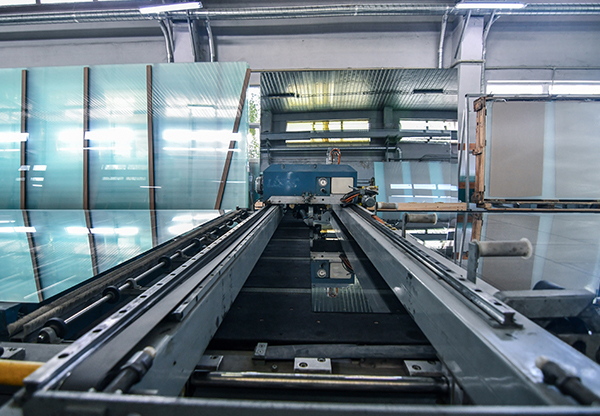
Glass has grown so ordinary that it’s easy to gaze straight through it without thinking twice. It’s in our screens, windows, cabinets, and electronics daily. Even though glass is commonly found all around, you may need help understanding how it’s created or made. You’ve scratched the surface even if you believe you know the fundamentals.
This article will discuss the history of glass making and the step-by-step procedure of how glass is made.
Glassmaking dates to around the second century BC in Mesopotamia. Around the year 2500 BC, the Egyptians began to experiment with glassmaking. Manufactured glass originally appeared in Mesopotamian or Egyptian civilizations, but they employed tools crafted from volcanic glass obsidian in the Stone Age. On the other hand, Ancient China discovered methods to manufacture glass much later.
Glass beads were among the first goods created from glass. Their emergence is largely coincidental. Glassmaking ceased in the late Bronze Age. Back then, glass was considered a luxury material.
Stained glass became popular in churches and palace windows in the 10th century. Following the Renaissance, architectural processes evolved dramatically, resulting in a reduction in the use of colored glass as construction material. Following the industrial revolution, household use of glass surged. During this time, glass windows, vessels, and beads became common in Europe.
Let’s know the production technique for those of you who want to know how glass is made. The best quality manufacturing processes are required to create the right sheets of float glass. Sir Alistair Pilkington invented the PPG method in 1952, now the most renowned float glass technology for manufacturing. Naturally, numerous procedures are involved, and careful attention is taken at every step to be accurate and comprehensive with the creation of glass.
The correct set of raw components is necessary to manufacture clear glass. This comprises soda ash sodium oxide (Na2O), silica sand (SiO2), dolomite (MgO), limestone/dolomite calcium oxide (CaO), and feldspar (Al2O3). These components are amalgamated properly before being carried into a furnace preheated to a temperature of 1500 degrees.
Some metal oxides are added to the batch to color the glass.
The hot substance from the heating chamber flows onto the float bath, which has a reflecting surface of molten tin. This substance enters the bath at approximately 1500 degrees Celsius and exits at roughly six hundred degrees Celsius. It has the appearance of a solid ribbon at the exit.
Suppose reflective surfaces for glass are being produced to help keep the inside cooler. In that case, coating techniques are employed, during which either a hard coating or a soft coating is put to the surface of the cold ribbon at extreme temperatures.
The internal tensions in the glass are then removed via a process known as annealing. This method enables the glass strip to pass across a layer that removes any stresses on the surface of the glass and progressively cools it to its ultimate hardened shape. This makes cutting and shaping the glass much easier.
Over one hundred million inspections can be performed during the glass production procedure using precise and progressive inspection equipment to detect air bubbles, strains, or sand grains that refuse to melt. This is critical for quality-proofing the finished form of glass.
Finally, diamond steel trim and slice the glass ribbons into square shapes.
By choosing AIS Glass solutions, you can be certain of receiving high-quality glasses with designs that are long-lasting, aesthetically beautiful, and adaptable.
Our glass solutions provide increased safety and security, making them the optimum choice for usage in high-security areas.
As the industry’s leading supplier of glass solutions, we offer a wide range of glasses, such as energy-efficient, frosted, and smart glass. We perform comprehensive market research before developing our products to ensure the best degree of client pleasure.

Up until the rapid increase in urbanisation, superstructures such as 100+ floor buildings were a rare sight. Today, fueled by limited land availability and the growing demand for premium high-rise developments that offer the experience of being “on top of the world,” 100-floor skyscrapers are commonplace structures. One can find super-tall, skinny buildings in almost every metropolitan city in the world.
However, designing such colossal edifices means overcoming several challenges, of which wind load is one of the most predominant.
Notwithstanding the demand for buildings with beanstalk proportions, a major architectural challenge in constructing such structures is that the taller a building, the more likely it is to sway at the top owing to high wind loads.
For instance, on a standard breezy day, a building that has 100 floors may sway a couple of inches at the top, according to consulting engineers Rowan Williams Davies and Irwin. Strong wind forces that occur annually and travel at around 50 miles per hour can move a 100-floor superstructure by about half a foot. At least once every 50 years, wind speeds of around 100 miles per hour can cause even greater deflection at the top of the structure.
Now, not only can such swaying movements prove to be a safety hazard, but they can also make the occupants of such superstructures woozy. This is especially a serious matter of consideration if the 100-floor building in question is a residential one. After all, not many people want to feel like they’re living on a giant pendulum!
As a result, architects and construction engineers incorporate damping systems and advanced façade systems that act as shock absorbers, helping protect occupants from high-velocity wind forces at such enormous heights.
While designing buildings with 100+ floors, wind effects such as:
must be carefully considered in accordance with IS 875 (Part 3) standards.
One construction material that has gained popularity as the protective shield of 100-floor edifices has been glass. However, it is important to keep in mind that all glass structures and installations should be designed to withstand project-specific wind pressures based on structural and environmental conditions.
Glass glazing systems, particularly double or triple glazing, are designed to withstand wind forces while maintaining structural performance.
Glass envelopes or glazed glass facades are strong enough to withstand some of the harshest weather elements, be it the sun’s heat, rain, or high-velocity winds. Moreover, since such glass facades do not rust or weather, environmental effects will not damage the aesthetics of huge structures such as 100-floor buildings.
The load-bearing capabilities of glazed glass facades depend on various components, including:
All of these are determined by the wind loads in the area. Advanced engineering methods such as wind tunnel testing and Computational Fluid Dynamics (CFD) are used to accurately predict wind pressures, which is critical in designing complex 100-floor superstructures.
If inter-storey drifts are high owing to wind and seismic loads, façade systems may require customisation, such as wider vertical joints or stiffer façade profiles.
Let’s consider the example of Port Baku Tower 2 in Azerbaijan.
The development features towers of varying heights, including 240 m and 100 m. It uses a complex unitised curtain wall system with a curved southern façade, creating a spectacular skylight over the entrance.
In total, 12 different façade typologies were incorporated to withstand varying wind pressures. Bespoke façade designs were developed to accommodate differential wind pressure in the podium area (4.0 kPa) and the main tower (-7.5 kPa), while also accounting for inter-storey drifts.
For providing a strong foundation for 100-floor superstructures, AIS provides a comprehensive range of glass façade solutions that are multifunctional – offering resistance against extreme heat, harmful UV rays, rain, and high-velocity wind forces.
These solutions also provide optimal natural lighting while maintaining comfortable indoor temperatures throughout the year.
Discover the benefits in our architect’s guide to glass façades by AIS Glasxperts.
So, what are you waiting for? Enveloping 100-floor buildings against the impact of high-velocity wind forces is easy with AIS. Get in touch today for an expert consultation.
The world is moving towards a greener, more eco-friendly way of living. It is therefore only natural that the space where people live and work also reflects this green evolution. The way we build has changed, and glass has made this transformation possible. For decades, architects and builders around the world have explored ways of designing the ‘nearly-Zero Energy’ building. Today, modern technology and innovative building materials has made that dream a reality. Builders are offering customers the opportunity to explore a life that’s smart, efficient, and above all, sustainable.
Green standards – IGBC and GRIHA
In India, ‘green buildings’ are rated as per two independent rating systems:
NBC and ECBC codes
Apart from the above, the Government of India is also enabling environmental conservation through its building codes. The National Building Code (NBC), developed by the Bureau of Indian Standards (BIS), was introduced in 1970. After three amendments, it provides guidelines for regulating construction activities across the country today. For using glass in buildings, NBC has issued revised norms that are broadly classified under the sections:
The Energy Conservation Building Code (ECBC), created by the Bureau of Energy Efficiency (BEE) and introduced in 2007, offers three distinct compliance approaches: Prescriptive (Component-based): Each system and sub-system should comply with minimal performance requirements. Trade-off (System-based): Permitted only between building envelope components – roofs, walls, fenestration, overhangs, etc. Whole Building Performance: Evaluation is based on a computer model of the proposed design and comparing it to a standard design, with various factors taken into account.
Building green with glass
The extensive use of innovative glass products in today’s buildings has helped reduce the need for artificial lighting and thereby minimised energy consumption. Green buildings cost more to build but have substantially reduced operational costs, compared to conventional buildings. Various types of glazing solutions – internal as well as external – have made spaces more efficient while unlocking new possibilities in design and aesthetics.
Green solutions from Asahi India Glass Limited As India’s leading integrated glass company, AIS has been at the forefront of moving towards an ecofriendly future. It has pioneered innovations in glass processing technology to develop both single-glazed and double-glazed products with the best ‘green’ parameters. This is giving developers and their architects greater choice and the ability to explore possibilities. These solutions enhance the aesthetics, efficiency and economics of commercial and residential spaces, compared to traditional building materials.
The future is green
According to IGBC, of 2761 buildings registered with it in India, 516 are certified as green. By 2022, it aims to register 10 billion sq. ft. of green building projects. The idea of green buildings has now gained momentum, with greater use of green materials like glass. The environmental impact of increased construction activity has been on the agenda of Government entities and the Environment Ministry. Building code changes are in the pipeline. Construction houses are striving to obtain sustainability certifications, to ensure a better quality of life and to help conserve the environment. Living in harmony with nature is the surest way of ensuring a sustainable future for the planet. ‘Green buildings’ are helping us achieve that ideal.
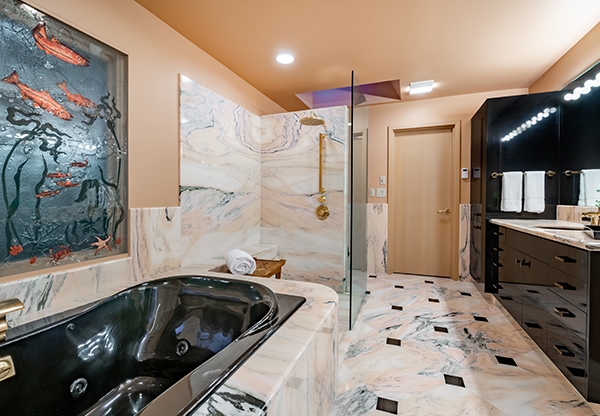
As a staple element in modern architecture, glass is widely used by revered architects and designers to add life to their projects – whether it is residential or commercial. After all, its natural clarity adds refinement and simplicity to a structure. Moreover, modern glass is processed to provide several other useful functionalities – acoustic insulation, energy-efficiency, extreme durability, to name just a few.
Today’s glass designs have gone even a step further and are not limited to the classic standard colour and transparency of glass. Their opacity can be enhanced through colour coating that can take the aesthetics of your space to the next level. Welcome this picturesque member of the glass family – lacquered glass.
Lacquered glass is a type of decorative glass that possesses a layer of colour coating on one of its surfaces. Hence, it is also known as back-painted glass. Made from a highly durable and opaque lacquer, this lacquered glass coating is baked and cured in the oven. This helps the lacquer bond correctly with the glass and ensures a smooth finish. Since the glass is back painted, lacquered glass possesses an opaque coloured appearance to enhance the aesthetic brilliance of your homes and offices. And although typically used for achieving stylish interiors, lacquered glass can now be processed to acquire durable properties as well.
Lacquered glass is highly sustainable and helps maintain clean and environmentally friendly surroundings. The manufacturing process of back-painted glass complies with stringent regulations for controlling formaldehyde emissions and other volatile organic compounds (VOCs), ensuring enhanced environmental safety. Additionally, like most types of glass, lacquered glass is 100% recyclable and non-toxic. To learn more about back-painted glass, its uses, and applications, read our guide on a simplified guide to back-painted glass.
At AIS, we possess the ultimate AIS Décor Glass – a high-quality back painted glass that is oven-cured through a superior process to achieve its lustrous finish and opaque colour appearance. At AIS, our processing procedure goes through a few extra premium steps to ensure world-class lacquered glass designs for our clients. Once the coat of lacquer has bonded, the final product can be cut, edge-finished, drilled, grounded, bevelled, and even polished to achieve the desired look requested by the customer.
Thus, our specially designed AIS Décor Glass offers users the opportunity to decorate their spaces with endless choices of lacquered glass designs. They are available in a wide range of attractive shades – 16 to be precise, namely Venetian Red, Black Pearl, Sterling Silver, Snow White, Chrome Yellow, Stone Grey, Turquoise Green, Hazel Brown, Sparkling Beige, Azure Blue, Earthy Brown, Sparkling Snow White, Nile Blue, Spring Green, Autumn Orange and lastly Sparkling Regal Gold and can be customised in a thickness of 4mm, 5mm and 6mm depending upon the customer’s requirements.
Now that we’ve seen the wide variety of lacquered glass designs that can be created through customisation, let’s take a look at a few smart ways to incorporate lacquered glass in residential as well as commercial spaces.
Enduring daily wear and tear, your wall panels deserve a makeover from time to time. But after a few makeovers, repainting the walls can start feeling like a tedious process. Moreover, the toxic fumes from the lead-based paints can have adverse effects on your family and employees. And that’s precisely why you need to use lacquered glass – the revolutionary glass design to redefine your home and office environment with smart aesthetics. Be it the decorative panels in your drawing rooms or the partitions for your personal cabin; you can choose from a wide variety of lacquered glass designs to brighten up your space with their attractive hues. Furthermore, AIS Décor section possesses supreme quality back lacquered glass designs that are extremely attractive and durable, and their beautiful shades do not fade despite regular wear-and-tear.
You may often wonder whether your home and office are starting to look dull and dreary. You may go through multiple home design catalogues for redecorating your spaces only to realise that all you need is a splash of colour to brighten up the room. Whether it’s the bedroom cupboards at home or filing cabinets in the office, you can highlight the beauty of your interiors with vibrant lacquered glass designs from the AIS Décor collection. Designed to be heat and moisture-resistant, they work great in kitchens and bathrooms as they hold a heating capacity of up to 65 degrees Celsius. They are also perfect for spaces that receive much sunlight as its UV-resistant features prevent discolouration of the glass.
When appealing aesthetics meets smart functionality, you get the magnetic glass marker board. Trending in the interior designing space, these magnetic markerboards created by applying a hard-wearing coating of lacquer followed by a metal plate that can serve multiple purposes – ideal for magnetizing photos to personalise the space or to directly write down your grocery list or office agenda-for-the-day – these marker boards are a perfect example of lacquered glass’ utility.
Installing lacquered glass designs can instantly elevate the look and feel of your interiors, adding elegance and functionality to any space. When searching for the top lacquered glass manufacturers in India, AIS stands out with its premium range of back-painted glass solutions – AIS Décor.
Available in an exclusive palette of 16 striking shades, AIS Décor features a premium finish achieved through a world-class manufacturing process, ensuring long-lasting colour durability. Furthermore, AIS Décor is resistant to humidity, scratches, heat, and UV rays, making it an ideal choice for both residential and commercial interiors.
AIS Décor is also available in a variety of processing options – it can be cut, drilled, ground, polished, bevelled, or edge-finished according to your specific requirements. So, transform your interiors both aesthetically and practically with AIS Décor. Get in touch with us today!

The right choice of window glass and framing system can influence the appearance, comfort and performance of a commercial space. Every commercial space needs to represent the brand identity and architectural vision in the most accurate way possible and it can be done by selecting the right type of window glass and frames.
Before finalizing the window glass for your commercial space you need to know about the different types of glass available in the market. A little research will help you install glass solutions that can provide privacy, complement the interiors and fulfil all your requirements without costing you a fortune. To help you save some time and effort, here’s a list of different kinds of window glass that you can invest in.
Depending on the looks and purpose of the glass, you can choose between the following glass types:
Windows not only increase the aesthetic value of a space but also make sure the space is well ventilated and bright. Transparent or clear glass not only allows natural light to come in but has several other benefits as well. It makes sure that the space remains naturally lit throughout the day and allows maximum daylight transmission and creates bright, open interiors. Moreover, it can reduce reliance on artificial lighting during daytime, potentially lowering electricity consumption.
When combined with advanced coatings or insulating glazing systems, clear glass can contribute to improved energy performance.
Glass that has a film coating to give them a different shade is known as tinted glass. Tinted or coated glass comes in various shades which allows you to pick the shade that goes well with the overall theme of your office. These are effective in blocking harmful rays of the sun, enhancing privacy by reducing visibility from the outside during daylight hours. Some tinted and coated glass solutions offer enhanced UV protection. If purchased from an authentic seller, tinted glass can prove to be quite reliable and long-lasting so you won’t have to replace it quite often. Coated glass is energy-efficient as it helps with temperature regulation and contributes to lower cooling costs.
If the space is located in areas with extreme weather conditions then you can probably opt for insulated glass. Insulated Glass Units (IGUs) help in decreasing heat transfer. This helps with regulating the temperature inside and also provides sound insulation so your conversations aren’t overheard by anyone.
The multiple layers improve thermal insulation, energy efficiency and acoustic comfort.
Frosted Glass adds to the elegance and style of space as it is aesthetically pleasing and can be a beautiful addition to any commercial space. Frosted glass is easy to clean and does not corrode or rust easily. Moreover, its textured surface prevents it from streaking and scratching.
If properly sealed, it can help regulate the room temperature and reduce monthly bills as you won’t have to use excessive lights or heating and cooling devices.
If you are more focused on the value that the glass provides, then here’s a list of glass that caters to specific needs like privacy, sound and heat insulation so your meeting rooms, cabin and office spaces are protected against break-ins, extreme weather conditions and other challenges without any hassles.
The top-most priority is to ensure that your space is secure, and safety glass focuses exactly on that. You won’t have to worry about break-ins after installing safety glass in your windows as this is toughened glass that is designed to improve impact resistance and occupant safety.
Safety glass can be up to four to five times stronger than ordinary annealed glass and the main reason why it’s called safety glass is that even when it breaks, the pieces aren’t sharp. They are blunt, small and pebble-like so no one is harmed.
Every commercial space needs a conference or meeting room that can be used to discuss crucial business-related matters without the fear of being overheard or any information being leaked out. Privacy glass aims to fulfil this need quite efficiently as it can partially or completely block out the interiors from the outsider’s view.
Tinted and frosted glass are categorised under privacy glass and they also add to the beauty of the interiors, thus serving both aesthetic and privacy requirements.
You can even opt for smart glass that allows you to switch between transparent and opaque glass with a single press of a button and enjoy privacy on demand
Heat-reflective glass helps in the conservation of energy and light. This eco-friendly and economical glass reduces solar heat gain and glare while allowing natural daylight into the space. It also helps with the regulation of temperature so the heating and cooling systems don’t have to work overtime to ensure that the desired room temperature is maintained at all times. This reduces the power consumption, electricity bills and carbon footprint significantly.
There are countless types of glass available in the market today, each designed to meet different requirements. Advancements in glass manufacturing technology are also helping address some of the limitations of traditional glass.
Whether you are looking for tinted glass or smart glass, you can choose a solution that meets your needs and budget. Choosing products from the best glass manufacturers can also help you find suitable glass solutions for your home or office.
Make sure to purchase window glass and frames from authorised sellers to ensure product authenticity and avoid low-quality imitations that may require frequent replacement.
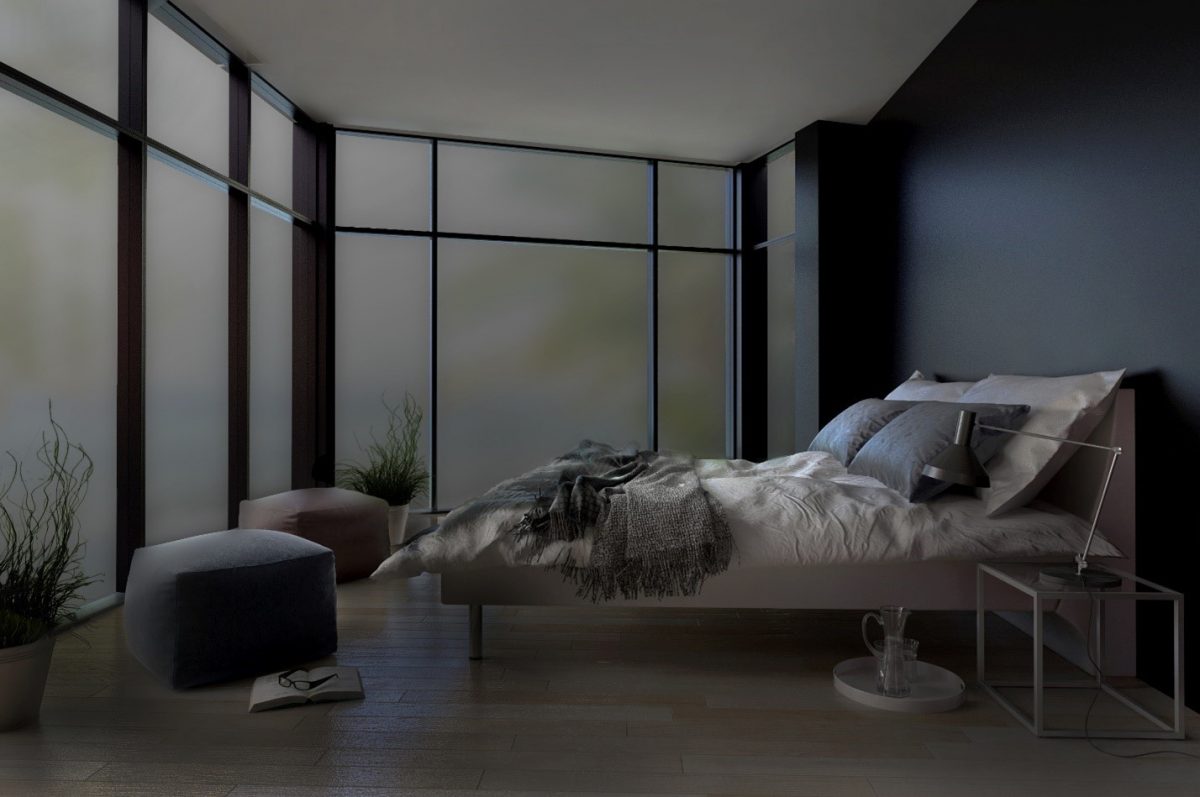
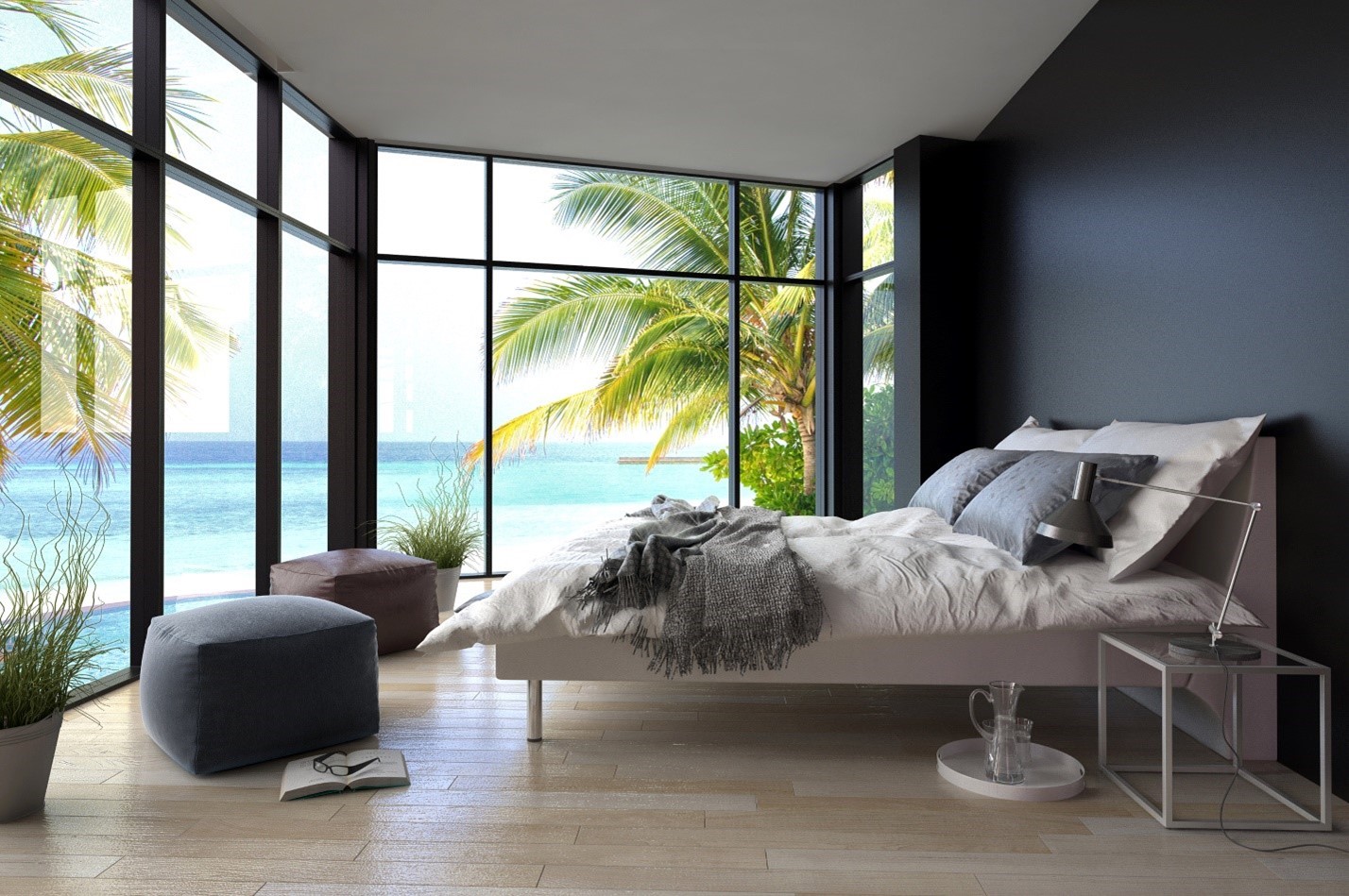
In the glass technology field, an exciting and groundbreaking development is underway. It’s known as switchable or smart glass, redefining how we experience and use glass. In this article, we’ll discuss in detail about switchable glass technology, how it works, its benefits, and its different applications.
Here are the points that explain how switchable glass works:
Switchable glass offers a plethora of advantages:
Switchable glass technology has found its way into numerous industries:
Switchable glass, also called smart glass, is a transformative technology that offers enhanced privacy, aesthetics, and durability. It’s a popular choice for various applications, from offices to hotels. AIS Glass provides cutting-edge solutions in this field with AIS Swytchglas. This smart glass technology allows you to switch transparent glass to translucent with the click of a button using an electric switch or a remote control. Call us to get a quote.
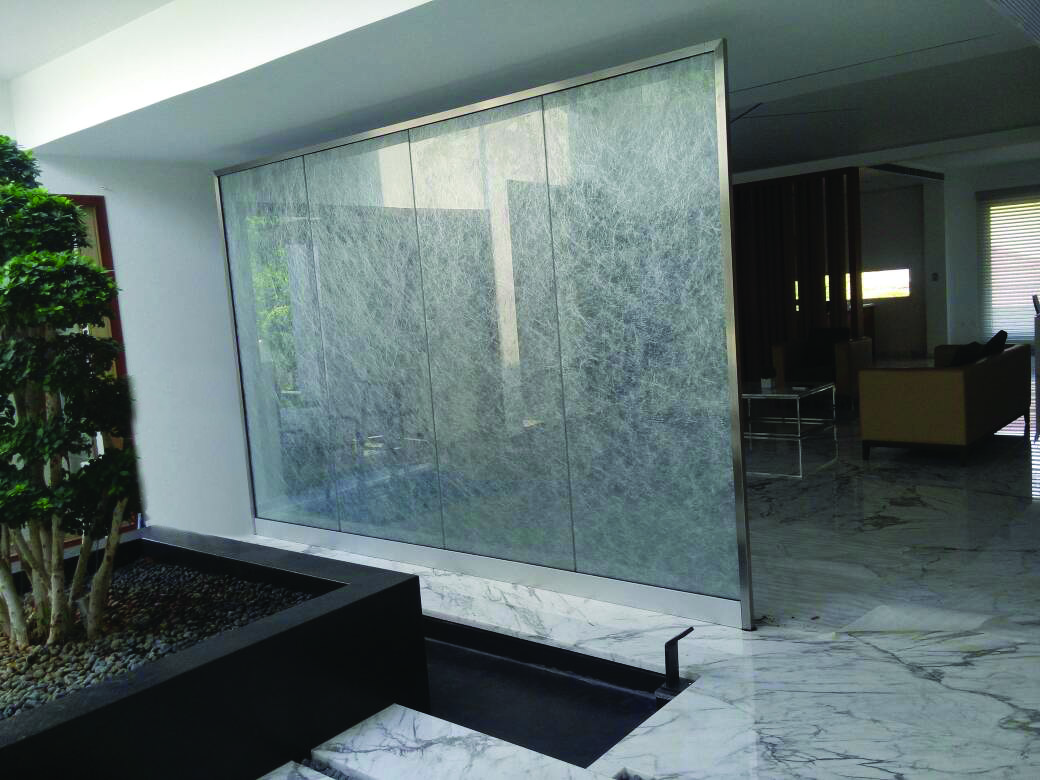
The kitchen is often considered the heart of the home, a place where we gather, create delicious meals and make lasting memories. If you want to revamp your kitchen and add a touch of elegance and modernity, consider incorporating opaque glass into your design. Opaque glass adds a unique aesthetic appeal and offers practical benefits. This blog will explore the transformative power of opaque glass in the kitchen and discuss its various applications.
Opaque glass, also known as frosted or translucent glass, is a type of glass that diffuses light, making it partially or completely non-transparent. It is achieved by sandblasting, acid etching, or applying a frosted film to the glass surface. Opaque glass is available in various textures, patterns, and levels of opacity, allowing you to choose the perfect style for your kitchen.
One of the most popular ways to incorporate opaque glass in your kitchen is by replacing some or all of your cabinet doors with opaque glass panels. This instantly adds a touch of sophistication and visual interest to the space. Here are some benefits of using opaque glass cabinet doors:
Another way to transform your kitchen with opaque glass is by using it as a backsplash. Opaque glass backsplashes offer a distinct alternative to traditional tile or stone options. Here’s why you should consider an opaque glass backsplash:
If you have an open-plan kitchen or desire a seamless transition between spaces, consider using opaque glass as room dividers. This can be particularly useful in separating the kitchen from the dining or living area. Benefits of using opaque glass room dividers include:
Incorporating opaque glass into your kitchen design can have a transformative effect, adding elegance, sophistication, and practicality to the space. Whether you choose to replace cabinet doors, install a backsplash, or use it as a room divider, AIS Glass’s opaque glass offers a range of benefits that enhance both the visual appeal and functionality of your kitchen. Remember to consult with AIS Glass professionals to ensure a seamless installation and enjoy stunning results for years to come.
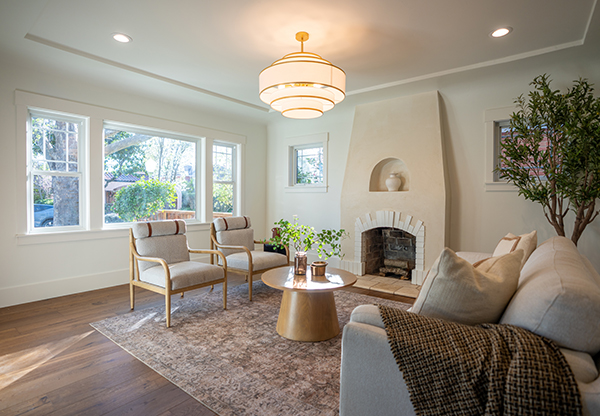
“The history of architecture is the history of the struggle for light.” Is it not marvellous that one of the first elements in creation was also light? – “let there be light.” Light dispels all darkness and shows the direction to take. Is it any surprise then that light directs architects in the path they should take towards successful residential building? However, incorporating abundant amounts of natural light is not an isolated theory, but very much supported by science.
Why You Must Light up Your World!
What would you call a room without natural light? Why a prison cell! A dark, dimly-lit room not only lacks aesthetic appeal but it exudes a dull and gloomy vibe. Natural light possesses a kind of power that artificial light only wishes it had. A room bathed in rich hues of natural sunlight instantly aids its occupants in being happier and more productive – well, that’s not an opinion, that’s science backed by research. A study conducted by Professor Alan Hedge of the Department of Design and Environmental Analysis at Cornell found that those working under natural light reported a whopping 84% drop in eyestrain, blurred vision, and headaches as compared to those working under artificial lighting conditions.
Being exposed to natural light increases your body’s ‘feel-good’ serotonin levels and can lift one’s spirits. It also reduces stress levels and improves your health significantly. Exposure to natural light is also the best way to receive a sufficient amount of Vitamin D. Moreover, natural light in your home also reduces the growth of mildew or mould, keeping your space hygienic. Hence, natural light is a must-have element of any home.
Let There be Light and Plenty of it with These Premium Glass Solutions
When one thinks of natural light, glass is a material that is bound to come to mind. However, with modern advancements, glass’ daylight management abilities have enhanced manifold. Use these glass solutions for meeting your daylighting needs.
Frosted Glass
Frosted glass solution is a type of translucent glass that is produced by the process of sandblasting or acid etching. The rough or pitted surface on one side of the glass pane gives it a frosted or foggy appearance due to which light is scattered and diffused. This causes the glass to obscure the view while still allowing light to pass through it. Frosted glass, thus, offers the best of both worlds – optimal daylight management and privacy. Installing frosted glass windows in your home will provide you privacy from neighbouring homes or passer-by, while still allowing natural light inside. You can also use frosted glass in your bathroom as shower doors to brighten up your bathroom while still maintaining privacy.
Reflective Glass
Reflective glass comes with a metallic oxide coating. This metallic coating is applied to one side of the glass pane, giving it a mirror-like appearance. This reflective coating enhances the amount of heat that can be reflected by the glass. The glass can reflect the harmful UV rays and infrared rays of the sun, while still allowing natural light to enter. Furthermore, reflective glass can also prevent excessive solar glare. If you opt for reflective glass solutions, you will not only get brighter interiors, but also efficient thermal comfort.
Switchable Glass
Switchable glass or smart glass is a high-tech and innovative glass solution whose opacity levels can be easily adjusted with the flick of a button. Meaning, smart glass can become opaque or transparent, even translucent with the switch of a remote control. Switchable glass offers privacy on-demand but not at the expense of natural light. This type of glass is perfect for fenestrations, partitions, skylights, etc.
Invite More Light in These Effective Ways
Besides the usual fenestrations, you can bring in more natural light by using glass in the following new ways.
Skylights
Skylights are often known as the ‘windows for the roof’ and they pour in waves of natural light without being blocked or shadowed by external objects. Available in a variety of shapes and styles, skylights can easily blend in with your interior décor.
Glass Walkways or Floorings
Installing glass walkways or floorings in your home can lead to optimum day-lighting. Glass walkways can allow light to pass through the floor. If you have a light-filled upper floor, you can install a glass floor to let the light into the room below. Adding glass floorings or walkways can not only make your home brighter, but they will allow you to make a unique style statement.
Glass Staircase
Conventionally, a staircase would make your home darker; however, this is not the case with a glass staircase, which only reflects light in different angles to give the space a brighter and larger appearance. To maximise daylighting further, you can have bifurcated glass staircase installed with glass balustrades.
Mirror
If you place mirror glass on the neighbouring walls of windows, you can easily take the brightness of your space to the next level. This is because mirror glass is manufactured in a way that it reflects light exceptionally well to maximise the amount of natural light received by a space.
Looking for intelligent glass solutions for your residential space? Zero in on AIS Glass – India’s largest integrated glass manufacturer. We manufacture a range of superior-quality glass solutions for all kinds of needs – privacy, security, energy-efficiency, acoustic comfort, and optimal daylight and glare management.
Contact us today to avail our wide range glass solutions for your space!
In the glass industry, laminated glass is held in very high regard. It is an extremely important type of glass that finds numerous applications due to its properties and benefits. In the field of architecture and automobiles, laminated glass is used almost everywhere: laminated glass windows, doors, facades, table-tops, bathrooms, meeting rooms, partitions, cabins, car windscreens, etc.
For the uninitiated, laminated glass is manufactured by sandwiching a plastic interlayer, usually polyvinyl butyral (PVB), between two or more glass panes. This layer acts like glue and a buffer zone, which provides the glass with many highly beneficial properties like impact resistance, acoustic insulation, temperature control, etc. One very important property of laminated glass is that, if at all it does break, it does not shatter like ordinary glass or tempered glass. The glass sheets crack but do not separate as they remain stuck to the plastic interlayer.
Depending on their usage and functionality, there are many different types of laminated glass available in the market.
for Noise Cancellation It has become increasingly essential for the interior atmosphere of any building, whether it be a home or an office, to be harmonious and peaceful. This means that all the unwanted external noise and disturbances that might affect people inside need to be eliminated.
In such a scenario, laminated glass varieties that are specifically built to cancel out external noise, such as AIS AcousticglasTM, should be incorporated into the building architecture. This type of glass has a
PVB interlayer that dampens sound by up to 90% and is ideal for not only the building exterior but the partitions, cabins, and meeting rooms inside as well.
for Security & Safety The primary use for laminated glass comes in the form of reinforcing the safety and security of a building and its interiors. In the architectural segment, high grade specialised laminated glass is used to provide not only protection against heavy impact and damage but also forced entry and intrusion.
Most of these glass types don’t even require grills or shutters and can be combined with multi-locking systems to safeguard your home, office, or retail store. Additionally, laminated safety glass is also highly durable and provides high light transmission as well. Some laminated glass varieties, like the AIS Securityplus TM with Dupont Sentry interlayer, are five times stronger than ordinary laminated glass.

Imagine a silky-smooth wall with a flawless finish and colour, creating a luxurious and refined look for your space. Luxury is all about the right juxtaposition of traditional and modern to create a look that is sleek and current, but not sterile by any means. A pop of colour can be that little touch required to make any space cutting-edge and inviting. And when coupled with the glossy finish of glass, the outcome is more splendid. Back painted glass is a member of the glass family, which though popular for decoration, is a material where form meets function.
This type of glass has diverse applications, and it can be used in almost every home or office. Be it the kitchen, bathroom, study, living room, or dining room at your home or conference hall, cabins, or cubicles in your office; this type of glass provides elegance wherever it is installed.
Also known as lacquered glass, back painted glass is exactly what it sounds like – glass that has been painted from one side. This makes the glass appear opaque from the front side. Lacquered glass is rapidly gaining popularity due to its aesthetic prowess and has found applications in commercial complexes, residential properties, and entertainment venues. Glass has always added a certain “Je ne sais quoi” or X-factor to the interiors and exteriors of buildings. Back painted glass enhances this X-factor up a notch. Distempering can never give your wall the same flawless finish as lacquered glass can.
A pre-cut sheet of glass is first cleaned thoroughly to ensure that no dry or wet debris is lingering on the surface. Debris left uncleaned will get embedded on the glass surface and will lead to a substandard product finish. After this, masking tape is laced throughout the front edges of the slab to ensure that it does not get coated with paint. The glass pane is then laid flat on a surface and paint is applied to the open side, usually in multiple coats. Many-a-times, the glass can be transferred to a large oven, which will bake the wet paint, ensuring good adhesion. Back painted glass can be cut and polished in case the size and dimensions need to be altered following its manufacture.
If you are looking to amplify the spatial aesthetics of your home or office, then back painted glass is your ideal pick. There are several benefits to getting this type of glass installed, and they are all not related to aesthetics alone. Keep reading to find out how lacquered glass can complete the spectrum of design, safety, and durability.
Gone are the days when glass was considered useful only because of its transparency and could be used only for doors, windows, and partitions. Glass applications today have quadrupled, and back painted glass is one of the reasons why. There is a vast variety of colours and patterns available in this type. You will be spoiled for choice. There is a back painted glass colour for every personality and every mood. Select from a range of striking colours or pastels, depending on your desire and the purpose of your space.
The finish on the back painted glass offers long-lasting durability as opposed to painted or textured walls. Since the paint is behind a sturdy surface of glass, it never comes into direct contact with heat, humidity, or moisture. This preserves the look and finish of the coloured glass wall, thus making it low maintenance. You can also drill a hole into it to hang photo frames. Back painted glass does not allow much grime or dirt to settle on its surface and is also very easy to wipe clean. The multiple coatings of paint make this glass very strong and durable. It is resistant to cracks, chips, or dents and can withstand external pressure.
Back painted glass has fantastic applications in kitchens and bathrooms since it has a great capacity to endure heat and humidity. Be it hot oil spills from pans or hot water from showers, lacquered glass will happily sustain such spill-overs while giving your rooms a gorgeous sense of style and chicness. If you want a sense of luxury in your bathroom or kitchen, clad your plain, dull-looking walls, basins, slabs, backsplash, kitchen island, and cabinets with back painted glass.
If you are looking for the best back painted glass in India by AIS, whatever your spatial goals may be for your home or office, back painted glass can easily fit into your design requirements. With a wide range of colours and finishes, you will certainly find a shade that matches your aesthetic preferences.
Learn more about back painted glass here: A simplified guide to back painted glass
Get premium solutions for the best back painted glass in India by AIS. Our spectacular range of AIS Décor offers an extensive selection of colours and finishes. From soothing earthy tones like Earthy Brown and Terracotta, to bold shades such as Autumn Orange, Chrome Yellow, and Venetian Red, to elegant metallic tones like Sterling Silver and Sparkling Mystic Gold – AIS Décor has it all.
Rely on our team of professionally trained experts who use state-of-the-art tools to deliver high-quality installation and service for all your glass requirements.
So, what are you waiting for? Get in touch with us today!
Established in 1984, Asahi India Glass Ltd. or popularly known as AIS has grown from being a ‘single product, single customer’ company to a world-class integrated glass solutions company. AIS has evolved and sustained leadership and excellence in all the fields it operates in.
AIS offers solutions to all your glass needs for your Car, Home and Business. AIS is structured into four verticals:
Home décor and furnishing trends have come a long way. From wood to metals and now glass, there are stylish designs options that can instantly beautify your interiors. Nowadays, usage of glass has become very popular among home owners as it not only adds beauty and grace to the décor, but also increases the functionality of the space. However, if quality glass material is not used, it can be a serious safety hazard. It is therefore important for homeowners to invest in quality glass which is breakage and injury free. Toughened glass, also known as tempered glass, is the perfect solution to all your worries. Listed below are the top reasons why you should go for it over other glass materials:
1.Glass was always looked up as a fragile material. However, with modern advancements in technology, today it is one of the strongest materials. Toughened glass is five times stronger than regular glass, and thus can bear load without breakage. This safety and resilient quality of toughened glass makes it a perfect fit for homes, especially those with young children.
2.Toughened glass is manufactured by exposing regular glass to extreme heat. The glass is then cooled rapidly. The quick heating and cooling process changes the chemical composition of the glass, making it more resilient.
3.Another benefit of using toughened glass over other types of glasses is that in a situation of severe impact, which may cause it to break, the glass does not shatter into spikes/shards. Rather, it crumbles into very small, blunt pebbles. This significantly reduces chances of any injury. Annealed glass, on the other hand, breaks into long, sharp spikes and can cause serious injury.
4.The impact resilience of toughened glass makes it a safer option to invest in. It adds a sense of security to the place. Moreover, doors and windows fixed with toughened glass can be adapted to provide sound proof solution, which makes it a perfect choice for every area/neighbourhood.
5.Another benefit of choosing this material is that it is very flexible and versatile, allowing you to customize it as per your choice and requirements. Toughened glass is available in variety of styles, which makes it a perfect choice for modern interior settings. One can choose from a myriad of options available or can also get it customized for a unique and personal touch. Nowadays, toughened glass with frosted appearance has become very popular as it allows privacy and also enhances the aesthetics of the space.