Categories

Common Challenges and Solutions while Installing Fire-Resistant Glass

Unlike regular glass, installing fire-resistant glass can be a complex task filled with challenges that may compromise its functionality, safety and integrity. 

From frame compatibility to meeting regulatory requirements, the process demands proper planning with precision, careful execution and complete knowledge of the glass’ properties and installation techniques. 

This post tackles the most common challenges faced while installing fire-resistant glass and provides practical solutions to overcome them and achieve a flawless installation. 

Identifying and Addressing Common Obstacles in Fire-resistant Glass Installation 

Challenge Number 1: Handling fire-resistant Glass 

Handling fire-resistant glass requires utmost care and attention. If not handled properly, the glass can get damaged, resulting in cracks and scratches. 

Improper handling of fire-resistant glass can compromise its integrity and even reduce its effectiveness in the event of fire. 

Solution 

To ensure that the glass stays safe and damage-free, follow the below-written precautions and instructions: 

  • Use a sturdy and flat surface to support the glass. 
  • Use a suction cup or specialised glass handling tool to lift the glass. 
  • Follow proper glass handling techniques, such as lifting the glass vertically, keeping it away from wall edges and other objects and storing it in a dry and secure area. 
  • Ensure that personnel involved in installation are trained and experienced in handling fragile objects. 
  • Wear protective gear (including gloves, glasses and protective clothing). 

Challenge Number 2: Ensuring Compatibility with the Frame 

An incompatible frame can have a negative impact on the fire-resistant properties of the glass, which can compromise the safety of the premises and its occupants. 

Solution 

  • Conduct thorough research about the frame material and its compatibility with fire-resistant glass. 
  • Use a frame system that is specifically designed for fire-resistant glass applications. 

Challenge Number 3: Installing Fire-resistant Seal 

Fire-resistant seals play a crucial role in ensuring the long-lasting performance of fire-resistant glass and preventing the spread of fire, heat and smoke through the glass and frame assembly. Therefore, proper seal installation is essential to ensure optimal thermal insulation. 

Solution 

  • Before installing the seal, run a dry cloth down the groove to remove any loose dust and debris from the frame. 
  • Check that the seal’s depth matches the groove’s dimensions. 
  • After installing the seal, confirm that the seal is securely installed with a snug and even fit. 

Challenge Number 4: Managing Installation Cost and Time 

Fire-resistant glass installation takes up a lot of time and requires specialised skills, materials and equipment. 

As a result, managing cost and time proves to be a major challenge for the installer, especially if it is a DIY installation. 

Solution 

  • Create a plan to ensure timely fire-resistant glass installation. 
  • Calculate the estimated installation cost and keep some additional funds aside for unexpected expenses. 
  • Choose a reliable glass manufacturer and supplier. 
  • Consider hiring a professional installer.  

Challenge Number 5: Managing Installation Waste 

The fire-resistant glass installation process generates different types of waste, including small glass fragments, packaging waste, framing materials and other non-recyclable elements. If not managed properly, this waste can cause environmental pollution and safety hazards. 

Solution 

  • Adopt the three Rs (reduce, reuse and recycle) to minimise environmental impact and reduce waste disposal costs. 
  • Partner with a waste management company that specialises in hazardous waste management. 

Challenge Number 6: Curved or Angled Installation Site 

Installing fire-resistant glass in uneven spaces, such as curved or angled surfaces, can be complicated. The unique geometry of such sites requires precise measurements and specialised skills and knowledge. 

If not addressed properly, curved or angled installations can result in financial losses and potential legal liabilities. 

Solution 

  • Contact experts to assess the site’s requirements. 
  • Use custom-designed frames. 
  • Hire installers with the required training, expertise and tools. 

Wrapping Up 

After exploring the various challenges associated with fire-resistant glass installation, it is clear that this is not an easy process. 

However, you can set yourself up for success by staying informed, prioritising precision and safety and sourcing fire-resistant glass from a reliable glass solutions company, such as AIS Glass. 

AIS Glass offers a range of fire-resistant glass products that meet the highest standards. From AIS Pyrobel to AIS Boropane, AIS Glass provides extremely durable and shatterproof fire-rated safety glasses that aesthetically meet functional needs. 

Ready to find the right fire-resistant glass? Visit AIS Glass now! 

    Categories

    Fact vs. Fiction: The Real Benefits of Low-E Glass for Your Home

    From the scorching summers to chilly winters, India’s diverse and often extreme climate poses a significant challenge for homeowners who want to maintain a comfortable living space. 

    Low-E glass offers a smart solution to this problem, offering excellent thermal insulation that keeps your home cool in the summer and warm in the winter. But is it the right solution for your home and does it live up to the hype? 

    Let us shed light on this by cutting through the myths and exploring the real benefits of Low-E glass. To begin, let us understand what Low-E glass is. 

    A Short Overview of Low-E Glass 

    Low-emissivity glass, also known as Low-E glass, is designed to reduce heat transfer between indoor and outdoor environments. 

    Treated with a microscopic metallic coating, Low-E glass boasts exceptional solar control and thermal insulation properties which allow it to reflect heat instead of absorbing it. 

    This makes this glass the most suitable choice for homes and buildings requiring high levels of thermal protection and energy efficiency. 

    Low-E Glass: Separating Fact from Fiction 

    Myth #1: Low-E Glass is Too Expensive and Not Worthy 

    While it is true that Low-E glass is comparatively more expensive than regular glass, its features outweigh its cost. 

    By reducing heat transfer and minimising energy consumption, Low-E glass significantly lowers heating and cooling expenses which in turn leads to increased long-term savings and a rapid return on investment. 

    Myth #2: Low-E Glass Reduces Light and Makes the Space Appear Darker 

    After learning about the Low-E glass’ coating, people often assume that it will block natural light. However, this is a common misconception as the metallic coating present on Low-E glass is applied on a microscopic level and has a negligible effect on light transmission. 

    Despite being thin, this coating effectively reflects heat without affecting the view and the brightness of the space, ensuring that your home stays well-lit and energy-efficient all year round.   

    Myth #3: Low-E Glass is Only Suitable for Cold Weather 

    As heat loss is considered a major concern in cold seasons, people believe that Low-E glass is solely beneficial in cold climates. 

    However, in reality, Low-E glass can be beneficial in any climatic condition as it is not only designed to reduce heat loss but also to minimise heat gain from outside by blocking UV rays. 

    This glass helps regulate temperatures and reduce energy consumption, ultimately resulting in comfortable indoor conditions regardless of the season. 

    Myth #4: Low-E Glass is Difficult to Clean and Maintain 

    Another widespread myth about Low-E glass is that it demands special cleaning products and techniques which is not true. 

    Contrary to the misconception, Low-E glass is just as easy to clean and maintain as regular glass. Its smooth and durable surface resists dirt, dust and grime which allows for simple cleaning with soap, water and a soft cloth. 

    Low-E glass requires no special maintenance, making it a hassle-free option that provides years of optimal performance with minimal upkeep. 

    Myth #5 Low-E Glass is the Same as Tinted Glass 

    While both Low-E glass and tinted glass are especially made to reduce the amount of solar heat entering a building, both of them work in different ways and provide distinct benefits. 

    Unlike tinted glass, Low-E glass provides better visible light transmission by allowing optimum light to pass through. This glass does not block direct sunlight but instead reflects it, creating a harmonious balance between solar radiation control and thermal insulation. 

    Summing Up 

    By debunking the common myths, we have revealed numerous benefits of Low-E glass. For those who demand the best, AIS Glass is the name you can trust for exceptional quality, performance and value. 

    AIS Glass provides a range of Low-E glass products that offer the right blend of energy saving, visual comfort and thermal control. 

    Set to bring new ideas to life, the Ecosense range by AIS includes various types of glass, including Ecosense Exceed, Ecosense Essence, Ecosense Edge and Ecosense Excel, each with unique features and benefits. 

    Transform your home with AIS Glass Low-E glass and discover a new standard of comfortable living. 

      Categories

      Understanding the Different Coatings and Treatments for Eco-Friendly Glass

      The world is shifting towards a sustainable future and the glass industry is no exception. The advent of eco-friendly glass has made a positive impact by offering a blend of sustainability, performance and style. 

      However, as the use of eco-friendly glass continues to grow, so does the demand for more sophisticated features. 

      To address this demand, glass solutions providers are turning to advanced coatings and treatments that enhance eco-friendly glass’ performance and functionality. But what exactly are these coatings and treatments? 

      Let us find out.  

      Role of Coatings and Treatments for Eco-Friendly Glass 

      Eco-friendly glass coatings and treatments are specialised layers that are applied to the surface of eco-friendly glass to improve its performance, functionality and aesthetic appeal. 

      While these coatings and treatments may seem like a small deal, it is important to note that they significantly affect the overall sustainability and energy efficiency of eco-friendly glass. 

      Furthermore, the application of such coatings and treatments transforms eco-friendly glass into a high-performance material that offers various benefits, from thermal insulation to solar control and privacy. 

      Eco-Friendly Glass Coatings and Treatments: Types and their Specific Purpose 

      Low-E Coatings 

      Low-E coating, also known as low emissivity coating, is a type of glass coating that reduces the amount of heat emitted or radiated through an eco-friendly glass. 

      In simple words, this coating helps the eco-friendly glass to reflect the radiant heat instead of absorbing it. This minimises heat transfer through the glass, thereby resulting in reduced heat loss in the winter and reduced heat gain in the summer. 

      This way, low-E coatings for eco-friendly glass improve the overall energy efficiency and enhance interior comfort. 

      Solar Control Coatings 

      As the name suggests, solar control coatings are designed to regulate and control the solar radiation that enters a building through eco-friendly glass. 

      When applied to eco-friendly glass, solar control coatings absorb infrared rays and block direct solar radiation which in turn reduces the amount of heat entering the space. 

      This enhances the comfort and well-being of the occupants, reduces energy consumption and prevents belongings from fading while maintaining a bright and natural atmosphere. 

      Heat-Reflective Coatings 

      Heat-reflective coatings are specifically used to reflect the sun’s heat away from the interior while allowing natural light to enter. 

      These eco-friendly glass coatings protect occupants from harmful UV rays and minimise the load on air conditioning systems, helping create a more energy-efficient and sustainable environment. 

      Although heat-reflective coatings may seem similar to solar control coatings, they have different functions. For example, unlike solar control coatings, heat-reflective coatings mainly focus on reflecting solar radiation rather than controlling heat gain. 

      Tinted Coatings 

      Tinted coatings are another type of coating that is used to impart a tint and add heat-absorbing properties to eco-friendly glass. 

      This coating protects against glare and UV radiation and prevents discomfort and eye strain for occupants. 

      Plus, tinted coatings allow the space to remain cool and enhance its aesthetic appearance, making tinted eco-friendly glass an ideal solution for spaces with high levels of natural light. 

      Copper-Free Coatings 

      Copper-free eco-friendly glass coatings serve as an eco-friendly alternative to traditional copper-based coatings. 

      This eco-friendly glass coating provides excellent solar control and thermal insulation properties while keeping it free from harmful materials (particularly copper and lead). 

      Along with reducing environmental impact, copper-free coating offers a number of practical benefits of eco-friendly glass, including corrosion resistance and improved durability and longevity. 

      Wrapping Up 

      As we have explored the different types of coatings and treatments available for eco-friendly glass, it is clear that the options are vast and varied. 

      From solar control coatings to tinted coatings, each type comes with unique benefits and features. Builders, designers and architects can easily craft iconic architectural spaces that are not only eco-friendly but also visually stunning. 

      But, to make this a reality, partnering with a pioneering glass solutions company, such as AIS Glass, is crucial. AIS Glass has an extensive range of eco-friendly glass products with specialised coatings that cater to different needs and applications. 

      Ready to create a beautiful, eco-friendly space? Contact AIS Glass today and step towards a sustainable future. 

        Categories

        How to Maintain and Clean Toughened Glass for Optimal Performance?

        From windows, roof lights and canopies to windshields and sunroofs, toughened glass is being used everywhere and for good reason.

        Its high level of intrusion resistance, acoustic insulation and exceptional thermal stability justifies its rang of application .

        However, to maintain its performance, longevity and clarity, periodic maintenance and cleaning is a must.

        So, let us explore the best practices for maintaining and cleaning toughened glass to ensure that it stays functional for years to come.

        Tips and Tricks to Clean Toughened Glass for Optimal Performance

        • Choosing the Right Cleaning Solution: Opt for mild soap and water or specialised cleaning solutions, particularly those which are ammonia-free and will not leave streaks.

          You can also use vinegar and water for cleaning, however, remember to rinse the glass properly as it can leave residue on the glass surface.

        • Using a Lint-Free Cloth: Lint-free cloths are gentle on the glass and leave no lint, streaks or scratches behind. When cleaning, wipe the toughened glass with the cloth in a circular motion, starting at the top and working your way down.

          For a better experience, consider using a microfibre cloth specifically designed for cleaning glass.

        • Avoiding Abrasive Materials: Do not use scrubbers, rough cloths, high-alkaline cleaners and harsh chemicals (such as bleach and ammonia) as they can scratch the surface. Additionally, avoid using tissues or paper towels to keep your glass damage-free.
        • Frequent Cleaning: Clean the toughened glass from time to time to prevent dirt, dust or grime buildup and the growth of mould or mildew. By cleaning the glass frequently, you also keep stubborn stains and mineral deposits at bay.
        • Drying the Glass: Once you are done cleaning, thoroughly dry the glass and its corners and edges to ensure that they remain clean and spotless.

        Additional Toughened Glass Maintenance Tips

        • Regular Inspection: Inspect the glass periodically for chips, cracks, scratches, wear and tear or other signs of damage and visible defects. This will help you identify the issues and deal with them before they escalate or become serious.

          It is suggested that toughened glass be inspected every six months or more frequently if it is under heavy use or faces harsh climatic conditions.

        • Proper Coating: Applying a suitable coating or sealant to the glass will protect it from environmental factors, such as water spots, mineral deposits, UV rays, etc., and minimise the upkeep requirements. However, it is important to note that you need to choose a coating that is compatible with the type of toughened glass in use.
        • Lubrication: Regular lubrication of moving parts, especially hinges and locks, helps reduce friction and wear and tear, ensuring smooth functioning, preventing potential damage and maintaining optimal performance and longevity of the glass.
        • Frame Cleaning: Often overlooked but an important part of maintenance, frame cleaning removes dirt and debris and prevents mineral deposits from forming.

          When cleaning the frames around the toughened glass, use a soft-bristled brush and a mild detergent and dry the frame right away to ensure that the glass remains secure, durable and aesthetically appealing.

        • Thermal Protection: Extreme temperature changes cause thermal stress which increases the possibility of glass breakage or shattering. Therefore, it is crucial that you do not install or keep the toughened glass in areas where it is exposed to direct sunlight, particularly during peak hours.

          Furthermore, you can apply a thermal barrier coating to extend the lifespan of your toughened glass and avoid costly repairs.

        • No Adhesive Materials: Do not apply stickers, decals or other adhesive materials on the glass as they can leave behind residues and scratches and trap moisture and dirt, compromising the glass’ performance.

        Key Takeaways

        Taking care of a toughened glass is quite simple, just follow the guidelines mentioned in the post while cleaning.

        By doing so, you will be able to use toughened glass for years without worrying about scratches, damage or compromised performance.

        Now that you know how to keep the toughened glass in top condition, it is time to choose a trusted toughened glass manufacturer, such as AIS Glass.

        AIS Glass’ is a dominant player in both automotive and architectural segments. Designed to provide Level 2 and Level 3 protection, AIS Glass’ toughened glass also offers greater impact resistance and high strength.

        Want to learn more? Visit AIS Glass

          Categories

          Emerging Concepts in Glass Architectural Building

          Glass no more exists to provide transparency alone. You can also use it to diffuse light by purchasing a variant that is translucent or tinted. Secondly, that glass is weak and shatters on contact is now a myth. Of course, glass is not as strong as concrete or steel, but modern innovations have provided it with a substantial amount of strength, which was not the case before. There are many emerging variants of this material that can be used in renovating or constructing properties. Our list here can act as your starter kit for understanding the multifaceted nature of this stellar material.

          If you are planning to reinvent your home or office and want to add a sense of openness to that space, then glass is the right material for you! A tonne of spatial innovation is possible if you know which type of glass does what and where it can be used best.  

          Switchable/Smart Glass

          This elegant material just got more attractive! Smart glass uses modern-day technology to switch from opaque to transparent or vice versa. This type of glass can alternate the light transmitting through it by passing an electric current through it. While manufacturing smart glass, a film of liquid crystals in introduced to the pane which is sensitive to electrical current. With just the push of a button, this glass turns transparent.

          The applications of such a product are manifold. It’s predominantly used for creating privacy and can be utilised in making partitions and/or windows at offices, hospitals and houses. It also works as electronic curtains providing privacy when needed.

          Highly-Reflective Glass

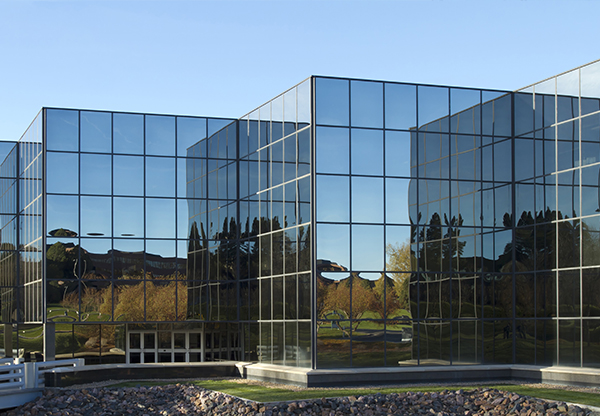
          This awe-inspiring variant is what gives modern-day glass skyscrapers their visual appeal. But that is not all; this variant is exceptional at sun control and reflects away a considerable amount of heat. Highly-reflective glass has a unique metallic coating on it which cuts off solar heat. This coating also provides a slight mirror-like effect on the glass’ surface. Ever wondered why the sky reflects so clearly on these gorgeous glass offices? It is because of this coating on the surface of ordinary glass, making it highly reflective.

          Since this variant does not absorb much heat, it makes any structure very energy-efficient. This glass has maximum applications in office complexes. Employees working inside these structures get a beautiful view of their external surroundings along with ample daylight, but the people outside are unable to look inside.

          Lacquered Glass

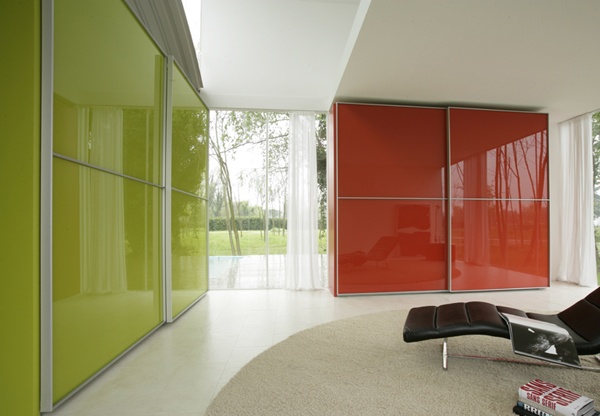
          Imagine a coloured wall made of glass. Lacquered glass is a back-painted glass variant which is available in countless colours and designs. This type of glass has a silky and fluidic appeal to it. Lacquering is achieved by coating one side with high-quality paints followed by an oven-curing process to lock in its unique features. Apart from the ornamental benefits, this coating also provides a great deal of strength to the glass, making it very durable and long-lasting. This type of glass requires zero-maintenance and is excellent for dealing with wet and humid surroundings. Lacquered glass has fantastic applications in turning your bathroom and kitchen into nothing less than a work of art. Use it to build bathroom walls, shower stalls, kitchen drawers or cabinets and rest assured that this variant won’t let you down.

          Frosted or Acid-Etched Glass

          This is a beneficial variant that allows for pristine light diffusion, thus, amplifying the elegance of any room it’s used in. Frosted glass is manufactured by taking a transparent sheet of glass and purposely blasting it with sand or by using acid for etching on it. The surface of this variant is not clear but rather translucent which allows for light to smoothly diffuse around it. The light scatters on this surface which obscures visibility.

          This type of glass is mostly used in skylights, bedroom doors, office cabins and bathrooms. Talking further about skylights; solar rays can usher in aggressively during the morning time. The frosted glass used in skylight windows turns the harsh solar rays into gentle diffused ones.

          Toughened Glass

          This is a type of safety glass manufactured via a process in which standard glass is toughened through chemical or thermal tempering. It is desired mainly because of its durability, impact-resistance and safety. Even on rare occasions when toughened glass succumbs to an external impact, it does not shatter into sharp shards unlike standard glass but into small, blunt, pebble-like pieces incapable of causing injuries. This variant can be used on the ceiling-to-floor French windows or tall balcony doors. It also has wide applications in exhibition areas and window displays.

          Contemporary glass skyscrapers have overwhelmed onlookers. Various high-profile residential dwellings, for instance, the renowned Ambani home called ‘Antilia’, have learned to harness this material at its very best. Invest in this great material by visiting AIS Glass today! We are leading India’s glass innovation by manufacturing glass solutions that cater to all aesthetic and functional needs. Step into the world of AIS Glass and step out with innovative solutions for all your glass-related needs! Get in touch today.

            Categories

            Different Applications of Mirror Glass

            For all of us, mirrors are fundamental grooming aids, but that is not the only benefit they provide. They also act as vital decoration tools that transform spaces and provide a sense of openness. You can set a lively and cheery mood in any room with the help of mirrors decorated tastefully. Mirrors have been a part of the human lifestyle since ancient times. The Greeks, Egyptians and Romans used handheld polished metal mirrors thousands of years ago. Mirrors made of glass came with the Venetians. They were the pioneers of casting glass into sheets and then silvering those sheets into mirror panes.  

            The Science behind Mirror Glass

            Mirrors are nothing but clear glass panes metallically coated on one side with either aluminium or silver that renders them reflective. This process is called silvering. The metallic coat is usually applied in multiple layers on a float glass pane. The manufacturing process of mirror glass begins with smoothening and flattening the glass’ surface before applying metal coatings of uniform thickness on the inner side of the surface. These coatings have to be applied very carefully because if even one layer of the coating ends up being thicker than the rest, the mirror will either make you look fatter or thinner, or stretched out. If the silvering is too thin, you will be able to see through to the other side of the mirror. This is how one-sided mirrors are made.

            Types of Mirrors

            Mirrors are an affordable way to enhance the beauty of any space. They light up any room they are placed inside. Mirror glass is readily available in three major types. They are listed below for your quick reference –

            Plane Mirrors –These are the most commonly used flat mirrors that reflect an object or a person situated in front of them in normal proportions and reversed from left to right. Plane mirrors are used by all of us daily in our bedrooms, bathrooms, living rooms, etc.

            Convex Mirrors – These mirrors are spherical and bulge out slightly, distorting the image placed in front of them by making it look smaller. Convex mirrors are used in sunglasses, telescopes, roads with blind curves, etc.

            Concave Mirrors – These mirrors are also spherical, however, unlike convex mirrors, they curve inward like a spoon. Convex mirrors make an image look larger, and are typically found in make-up and shaving mirrors, etc.   

            Varied Mirror Glass Applications

            Mirror or mirror glass has a wealth of applications and they are not all aesthetic. Let us look at how mirrors in different shapes, sizes, thickness and brightness have diverse applications – 

            Ornamental Applications

            Clear mirrors reflect a lot of light, to the extent of visually doubling the size of a room. This is a great benefit for people living in metropolises with limited square footage. You can place a couple of full-length mirrors on the walls of your cramped corridor. Mirrors also work beautifully as a masthead behind your bed, as opposed to putting up paintings that do nothing to open up space. Interior decorators love working with mirrors rightly so. You can yourself carry out a small experiment with mirrors to gauge its impact. Place a couple of floor-length mirrors at the entrance and other important corners of your home and see the space transform.

            Safety Applications

            Countless lives are made safer and more functional with the help of rear-view and side-view mirrors used in cars and two-wheelers that protect drivers, riders as well as passengers from accidents. Road safety is a major concern in India and automotive mirrors go a long way in making our streets safer. Security personnel also occasionally use mirrors to supervise hard to reach areas inside a parking lot or garage. Another safety application of mirror glass is in the form of lenses in your sunshades that protect you from retinal damage when you step out in the sun.        

            Textile Applications

            Fashion designers and merchandisers use mirrors to gauge their designs from all angles simultaneously. This helps them assess the practicality and overall impact of the garment. All apparel retailers affix three-way mirrors inside trial rooms so that customers can accurately evaluate how well a piece of clothing fits them. Small mirror pieces are also stitched into clothing to give it a more ethnic appeal. Mirrors are cut into different shapes and stuck onto skirts, tops, dresses, etc. and are very popular among buyers.      

            Scientific Applications

            Mirrors and lenses when combined are used in magnification technologies. For instance, all telescopes used to study celestial bodies, or keep an eye on new species of birds and animals require high-quality mirrors to function in tandem. Mirrors help scientists evaluate and investigate objects that are at a great distance and not visible to the naked eye.  

            The Bottom Line

            Whatever your aesthetic or scientific goals may be, mirror glass will surely find an application within them. High-quality mirrors, especially made by leading glass manufacturers like AIS Glass have copper-free coatings, are resistant to corrosion and are eco-friendly. We also offer tinted mirrors that carry high optical clarity and are available in several colours, sizes and thicknesses. Our team of professionally-trained experts are equipped to provide you with end-to-end solutions with quick turnaround time. So, get in touch with us today!

              Categories

              International Women’s Day

              As we all know, International Women’s Day is celebrated across the world on 8th March every year. In the year 1909, the earliest celebration was held as a socialist political event in New York. The celebration is to appreciate, respect and express love towards women. This day is celebrated in different regions to praise their economic, political and social achievements.
              To celebrate the essence of womanhood, we decided to honour the successful women architects in our country for their contribution in our field. The concept was based on #BreakTheGlassCeiling where the focus was on all those women who have achieved remarkable success in their career. We spoke about sportswomen, CEOs, Prime Ministers and more. The idea was to show how a woman can have it all.

              On the day of International Women’s day, we celebrated this day with exemplary women architects by felicitating them with ‘The Keystone Award’ in honour of their work, dedication and the progress in the field of architecture. Many women architects were felicitated with this prestigious award.

              In honour of this award, we celebrated this occasion with them and their respective associations. Renowned architects like Ar. Kavita Talib from Soyuz Talib Architects, Ar. Alpa Shikre from Sandeep Shikre and Associates, Ar. Nina Puri from Sanjay Puri Architects and many more were felicitated with ‘The Keystone Award’. You can view the pictures here.

              We also shared the videos of women architects where they shared their journey of success and taught to face challenges in life,  encouraged to follow dreams  and achieve success in any field we want to. Their story is truly an inspiration of every woman out there!
              To watch these videos, Click Here.
              We celebrated this accomplishment with them which added an essence of contentment. Due to this, it was not just AIS but also all the firms were delighted by this moment on the occasion of women’s day was a memorable one for everyone.  To view the album, Click Here.

              As quoted by Harriet Beecher Stowe, “Women are the real architects of the society.” We believe that women can achieve success in any field they step in as they not only have qualities like strength and courage, but also a thirst to prove themselves!

                Categories

                Changing trends in building Façade

                For architects, facades play a vital role from a design and structural point of view. Facades are usually known to set the tone for the complete glass infrastructure. Architecturally the most important aspect of a building, facades have transformed, altered and evolved into an expression of contemporary design and reflect the brilliance and concept of the architect themselves. Also, if considered from an engineering facet, facades play a very important role in altering the constitution and sustainability of a building.

                History of Facades:
                Evolving from the Neo-Greek and Egyptian architecture to the Georgian buildings, facades have evolved from the simple and majestic Great Pyramids of Egypt to the elegant and royal Buckingham Palace in London, to the massive glass skyscrapers we see now.  Contemporary facades are even more diverse and add to the sustainability of the building, not just its artistic value.
                The changing trends in glass facades reflect a contemporary amalgamation of the traditional and non-traditional ideas. The modern facades extend far beyond the mere use of glass and composite panels for the spandrel area.
                Indoor to outdoor boundaries can be diminished by using a more open façade that merges seamlessly with the interior of the building, giving it a more contemporary look. Architects can provide clients/customers with better lighting solutions, heating solutions and add vibrancy to the building by using a combination of tempered glass glazing and other laminates.
                Depending on the degree of glazing, glass can conserve energy and reduce the need for artificial lighting. It will also retain heat in the cold season, hence keeping the rooms warm during winters. During summers, the glazing also prevents excessive heating and keeps the glare and harmful rays out. This gives the room a more open and enriched look and will increase the architectural evaluation of any building. The glazing solutions will enhance the façade of any structure and make it ecologically enhanced.

                AIS Ecosense Glass and AIS Opal Glass are two popular façade solutions that can be used by architects and designers. These value-for-money products are available in a variety of natural shades that require the least amount of maintenance. Buying them from the right provider guarantees tailored solutions that suit your requirements.
                Take a look at what we have to offer-
                AIS Ecosense Glass: This type of glass is available in four different types of natural shades as mentioned below:

                1. Enhance (Solar Control)
                2. Exceed (Solar Control Low-E)
                3. Essence (Low-E) and
                4. Edge (solar control glass & thermal insulation – Low E)

                By using AIS Ecosense glass you can create the perfect balance between indoor and outdoor that suit the unique Indian climate.
                AIS Opal Glass:  A popular choice for heat reflective glass, using this product will help your clients maintain a comfortable temperature within the buildings. As a result, this type of glass is a smart choice for exterior glass and looks stylish as well.
                With such products and technology at your disposal, creating the ideal aesthetic, economic and environmental solution can be done without any difficulty.

                  Categories

                  Opaque Glass Windows: Types, Uses & How to Choose the Right Type

                  Have you ever marveled at the beauty of stained-glass windows and wished to incorporate them into your home or workspace? Opaque glass offers an alternative way to achieve similar aesthetics. In this guide, we will explore everything about the composition and uses of opaque glass, from its historical origins to modern designs. Whether you’re looking for a classic or contemporary style, opaque glass can be the perfect addition to your space.

                  So, let’s get started!

                  What is Opaque Glass?

                  Opaque glass is a type of glass that is non-transparent and does not allow visibility through it. It is widely used in applications where privacy, light control, energy efficiency, and aesthetics are important. Compared to clear or transparent glass, opaque glass effectively conceals what lies behind it. It can be made from natural or synthetic materials and is available in a variety of styles, textures, colours, and thicknesses.

                  Types of Opaque Glass

                  1. Frosted Glass:

                  Frosted glass has a slightly blurred appearance, offering a degree of privacy. It also diffuses light, creating an even spread of illumination throughout the space.

                  2. Textured Glass:

                  Textured glass is made by pressing patterns onto flat sheets of glass to create unique designs. This makes it ideal for decorative applications such as windows and doors.

                  3. Sandblasted Glass:

                  Sandblasted glass is created using a process that involves blasting crushed materials (usually quartz) at high pressure onto the surface of the glass. This creates a rough texture that provides semi-privacy. It can help reduce glare; however, UV protection depends on the base glass specification.

                  Uses of Opaque Glass

                  1. Privacy and Security Applications

                  Opaque glass has a variety of uses in privacy and security applications. It is often used in places such as bank vaults, government buildings, secure laboratories, and other areas where the need for high privacy is paramount. It can also be used in homes to protect against prying eyes or unwanted visibility.

                  2. Design Applications

                  Opaque glass is not only useful for security purposes but also for creating contemporary interior designs. For instance, opaque glass panels can be used as room dividers to maximize space while still allowing diffused light to pass through. Its finish adds a modern aesthetic that enhances the overall look of any space.

                  3. Skylight Applications

                  Opaque glass is also used for skylights, allowing natural light to enter your home without compromising privacy. By installing opaque glass skylights, you can enjoy daylight while maintaining privacy throughout the day. Since opaque glass allows light transmission without clear visibility, it is also suitable for bathrooms and other spaces where privacy is essential. Learn more about the top 5 uses of opaque glass in detail in our blog.

                  How to Choose the Right Type of Opaque Glass for Your Project

                  • Assess your requirements for privacy, security, and decorative purposes.
                  • Consider the specific environment to determine which type will work best in the given space.
                  • Evaluate factors such as aesthetics, light transmission, cost, and durability.
                  • Research available options, such as sandblasted glass or patterned ceramic frit glass.
                  • Determine the appropriate thickness and size of the glass for your project.
                  • Consider the level of light transmission required while maintaining the desired level of privacy.
                  • Check with local building authorities to ensure the selected glass meets safety regulations.
                  • View samples in person before making a purchase decision to ensure the product meets your expectations.

                  The Bottom Line

                  Opaque glass is an excellent way to add privacy, style, and visual appeal to your space. It can be used across a wide range of applications, including windows, doors, and even interior walls. With its variety of colours, textures, and designs, you can easily find an option that complements your space.

                  However, keep in mind that opaque glass may require specialized installation techniques. It is advisable to consult a professional before making any decisions or purchases.

                  If you’re looking to invest in high-quality solutions, consider choosing from the top glass suppliers in India, such as AIS, to ensure durability, performance, and design excellence.

                    Categories

                    5 Advantages of Using Toughened Glass in an Office

                    Toughened glass, also known as tempered glass, boasts a wealth of diverse applications. Be it oven and microwave doors, laboratory equipment, indoor partitions, etc. Toughened safety glass provides top-notch structural strength and safety. Have you ever wondered how toughened glass gains its strength and durability? It is a man-made phenomenon and not a naturally occurring one. Let us understand the secret behind the structural strength of tempered glass. To learn more, explore these things you need to know about toughened glass. 

                    The Science Behind Toughened Glass

                    Toughened glass is made from ordinary float glass panes that undergo the process of thermal tempering. Pre-cut float glass panels are passed through a roller table inside a 650°C preheated furnace, close to its softening point. The outside surface of the glass cools more rapidly than the inner surface. This creates compressive stress on the surface and tensile stress within the core of the glass.

                    The end-product is a sheet of heat-tempered glass capable of withstanding higher temperatures and is four to five times stronger than standard annealed glass. Float glass must be cut to size or bent into the desired shape before going through the annealing process. Glass panes that undergo the toughening process cannot be cut, drilled or modified after tempering.

                    Advantages of Toughened Glass in an Office Space 

                    The benefits of toughened glass in the office outweigh the ones provided by ordinary glass panes. In shared spaces like offices, you need to use materials that are easy to maintain, award a sense of openness, and usher in oodles of natural light. Toughened glass checks all three boxes. Let us understand the benefits of tempered glass in detail.

                    1. Strength and Safety

                    People scuttle more frequently inside offices. A constant hustle of personnel moving around, rushing to attend meetings is common, which is why safety is key among all the rush and shove. One of the best things about toughened glass is that it does not shatter into sharp and jagged pieces upon impact. Even if someone walks into a pane or it breaks due to unforeseeable circumstances, people around it will not get hurt. Tempered glass is great for office cabins and dividers because it breaks into small, relatively blunt fragments and reduces the risk of serious injury.

                    Toughened glass is also a great solution for the exterior of office façades. Heat tempering provides glass panes exceptional strength to combat rigorous environmental conditions, especially at higher altitudes. This is why several high-rise office buildings and skyscrapers are built using toughened glass. To learn more about its applications and properties, explore this guide to toughened glass uses and properties. 

                    2. Heat and Moisture-Resistant

                    Ordinary annealed glass can crack or shatter when exposed to sudden temperature changes, causing sharp glass shards to scatter across your office floor and posing a safety risk to staff members. To know more in detail about what is annealed glass, you can explore our detailed guide. Toughened glass, on the other hand, is specifically designed to withstand substantial temperature variations and harsh weather conditions. It can be used in areas such as shared office bathrooms and windows, where durability and safety are important considerations. 

                    3. Easy to Maintain

                    In an office setting, from furniture to furnishings, everything needs to be ready for rough and frequent usage, and toughened glass is solidly up to the task. Tempered glass panels do not require extensive maintenance and can be cleaned easily. Your janitorial staff can simply wipe them once or twice a week with a soft, damp cloth, maintaining a clean and polished appearance. You can also choose to give toughened glass panels a thorough soapy water wash once every six months, but that is not an absolute necessity. Hire a professional window cleaning company to take care of your exterior tempered glass windows. For more detailed guidance, explore these maintenance tips for toughened glass windows. 

                    4. Scratch-Resistant

                    Scratches on glass windows kill the aesthetic charm of a glass structure. Since tempered glass is tough, it becomes durable and suitable for a high-traffic office environment. This property of tempered glass comes in handy, especially during dust storms when unwanted debris can scratch your windows. Toughened glass is ideal for office partitions, cabins, cubicles, conference table-tops, bathroom and pantry furnishings, etc.

                    5. Design Diversity

                    Toughened glass can be combined with various styles and designs to set the correct tone inside your office. For example, you can choose from a range of frosted glass, translucent, back painted glass and clear glass panels for different rooms that serve different purposes in your office. Back painted toughened glass can make your office more contemporary, whereas frosted toughened glass can enhance privacy during important meetings. These design options can address all design as well as performance concerns in your office.

                    The Bottom Line

                    Toughened glass is the ideal choice for offices, with so many versatile applications and advantages. Get toughened glass professionally installed by AIS. We at AIS offer a superior-quality toughened glass called Stronglas. As one of the trusted glass suppliers in India, AIS provides high-quality glass solutions that are safe, durable, and designed to withstand harsh weather conditions. Stronglas is also less prone to thermal breakage. Enjoy the best of toughened glass with AIS. Get in touch today! 

                      Categories

                      5 Stylish Ways to Use Window Glass in Your Offices

                      The fenestration system you choose for your office can significantly impact its utility costs and the overall aesthetic appeal. There are a wide variety of window types that can decorate the walls of your office, depending on how willing you are to explore your options. However, before choosing a particular type of window, it is important to know the most commonly used types of window glass.

                      Types of Window Glass

                      Windows are responsible for ushering in natural light. They can offer sunlight without any of the heat, glare or street noise if coupled with the right kind of glass. This quick reference guide will help you to understand the kinds of window glass available for your office.    

                      Laminated Safety Glass

                      This glass is extra strong and is manufactured by fusing two panes around an inner layer of PVB (Polyvinyl Butyral). This special inner layer does not allow the glass to shatter into sharp jagged panes. Laminated safety glass is tough and very hard to break. This type of glass is used in skyscrapers and high-rises where wind pressures can be torrid.

                      Tempered Glass

                      Tempered glass, also called toughened safety glass is at least four to five times stronger than float glass. This type of window glass is manufactured through a heat tempering process that provides it with undulating strength and durability. Tempered glass is widely used in office windows, doors, partitions, etc.

                      Insulated Glass

                      Insulated glass is responsible for thermal comfort. It also makes an office building more energy-efficient providing it with superior sustainability. Insulated panes are a terrific choice for exterior window glass as they keep you warm in winters and cool during summers.

                      Acoustic Glass

                      This type of window glass is greatly helpful in muffling street noises that can otherwise cause anxiety and thwart productivity. Acoustic glass is great for soundproofing your windows and can reduce outside commotion by almost 90%.

                      5 Stylish Window Designs for Offices

                      Now that you know about the types of window glass on offer, it’s time to decide the design of your office windows. Choose one or more from this list of window designs that match your design sensibilities the most –

                      Fixed windows

                      These are one of the simplest yet most popular types of windows used to complete office structures. Fixed windows cannot be opened or closed. The glass panes are static and the ventilation for offices in such cases is done through air-conditioning vents. Since these windows do not open or close, they provide the office interiors exceptional energy-efficiency, when coupled with insulated glass. Fixed windows are also weather-proof since they do not allow rain, dust and humidity to pass through.

                      Sliding French Windows

                      These windows look great and provide a sense of openness to an office space. Sliding French windows can be opened and closed with ease, can be installed in various sizes and lengths. They will usher in more natural light into your workspace as opposed to fixed windows. If your office is small, you can save up on space by installing sliding windows that do not eat up extra room space when opened.

                      Pivoting Windows

                      A pivoting window rotates on a central fixed axis and allows the window to open from either side. These kinds of windows have an old-world charm to them and can bring the same old-world charm inside your office. Installing pivoting windows is a great idea, especially if you own an event management company, an advertising agency, or a design studio, where the aesthetics of your workplace play a key role in reeling in a client.

                      Bi-fold Windows

                      These windows hinge out and slide on a single track. They generally have two separate panes of glass partially folding into one another. Bi-fold windows allow you to create wider window frames, ushering in tonnes of natural light and fresh air. They provide an unobstructed view of the outside. If your office or boutique is on a quiet, tree-lined street; bi-fold windows are the perfect choice for you.  

                      Casement Windows

                      A classic casement window design never goes out of style. This type of window is hinged on one side and is mostly designed to open outwards. Casement windows are great at resisting rain and harsh winds. However, they cannot be installed on walls that open up passages or that face a corridor.   

                      Final Thoughts

                      Can’t decide which type of window to pair with which type of window glass? Turn to AIS Glass for all your glass needs. We provide end-to-end innovative window glass solutions with quick turnaround time. AIS Glass has been around for over three decades and is India’s leading integrated glass manufacturer. So, what are you waiting for? Get in touch with us today!

                        Categories

                        Use of glass in hospitality industry

                        Noise pollution is detrimental to health. It can cause psychological and physiological damage to a person. As a result, noise becomes hostile and can make your environment unpleasant.  By using the right glass, architects can decrease the amount of unwanted noise and make your surroundings pleasant. One such important commercial segment where noise pollution needs to be kept at bay is the hospitality industry. Besides noise pollution, high energy bills and excessive light are other major problems faced by players in the restaurant and hotel sector. As the industry focusses on the comfort of their guests, such issues need to be resolved effectively.

                        Why use glass?
                        Installing glass doors and windows can help create audacious designs and aesthetic environments. If privacy is what you are looking for, make sure you use frosted glass. Acoustic insulation glazing can be used to cancel the noise and create that tranquil setting you desire.  Glass has added benefits such as durability and high performance, and will assist in creating an aesthetic appearance. Therefore, architects who are working on a project should explore the option of using glass as it is a highly versatile building material.

                        Types of glass
                        In this competitive market, hoteliers often find it challenging to provide customers with the very best. The noise, poor glazing, and many other issues result in unsatisfactory conditions for guests. By making use of architectural, float, or annealed glass, you can create the right conditions for guests and make rooms look appealing, too. Architects are guaranteed to impress their clients / customers with these aesthetic layout designs that can keep the decibel levels
                        very low.
                        Take a look at our noise proof glass and energy-efficient solutions listed below:
                        Aesthetic: AIS Aesthetic glass in hotels not only gives an appealing look to the interiors, but it also adds a touch of modernity. Using attractive glass also enhances the beauty of the interiors.
                        Sound Insulation: The interlayers of AIS Acousticglas can reduce any kind of external sound. It is multifunctional and offers high-performance benefits. This glass can also be useful to preserve the aesthetic appearance of a structure. Besides reduction of noise pollution, there are many other options that provide an array of energy-saving solutions. Such solutions can be useful to reduce the energy consumption drastically.
                        Security: It is the perfect solution for contemporary living spaces. AIS Securityglas can provide level-2 and level-3 protection from burglar attacks. With such solutions architects can ensure that a building’s aesthetics are satisfactorily addressed, while taking care that occupants’ safety and security aspects are not compromised.
                        Privacy: The latest AIS Swytchglas is designed with modern technology that will help you maintain your privacy at just the click of a button. This unique glass technology enables the transformation of transparent glass to opaque glass with just the flick of a switch.
                        Energy Efficiency: With AIS Ecosense glass, one can achieve that subtle balance between the environment inside and outside the structure. Getting optimum daylight and energy efficiency in every sense is achieved by using this glass.
                        This green-standard glass is available in a variety of shades. They are classified further into three categories, as follows:

                        • Enhance (Solar Control)
                        • Exceed (Solar Control Low E0)
                        • Essence (Low E) and Edge (Solar Control & Low E)

                        With these glass solutions, building the world closer to nature is easier. The glass can be useful to improve efficiency, aesthetics, and eco-sensitivity.
                        Hotels and restaurants built in certain parts of India require thermal insulation and better light transmission. These glass solutions can adequately meet such requirements. With the availability of this glass in different shades, implementing energy-efficient and aesthetic building designs has now become possible.

                          Categories

                          Keep Your Safety Concerns at Bay with AIS Security Glass Solutions

                          It goes without saying that safety and security are the most critical aspect of any home interior set-up. A home truly feels like home when all of its residents feel secure and safe enough to live in peace. One way to ensure a theft-free environment inside the house without marring the beauty of the décor is by installing beefed-up glass doors and windows.
                          While glass has been conventionally thought of as a fragile material, with modern advancements in technology, it is one of the strongest materials today. There are various types of glasses available today with different kinds of functionalities. These glass solutions are aesthetically gratifying and customizable according to one’s personal choice. Here is a guide on how to use and apply different kinds of glasses in the house to enhance its beauty as well as security.
                          Tempered Glass
                          Toughened or tempered glass is known to be up to five times stronger than your regular glass, which means that it is able to bear considerable load without breaking. The safety and resilience that toughened glass offers make it a perfect fit for homes, especially those with young children.
                          Another useful attribute of toughened glass is that the glass does not break into shards or spikes in a situation of severe impact. Instead, it crumbles into small, blunt pebbles that significantly cut down the risk of injury.
                          What makes the AIS Stronglas even more formidable is the fact that it is processed and controlled by thermal treatment. This makes it much stronger than any ordinary glass. The process involves heating the glass to its melting point and cooling it rapidly that puts the outer surface into compression and the inner surface into tension. It can be installed in table tops, balustrades, shelves, facades, shower enclosures, etc.

                          1. Laminated Glass

                          Laminated glass is produced by adhering two or more sheets of glass with  PVB interlayer/s. It is the ‘laminated’ interlayer, processed with heat and pressure under factory conditions, which lends the glass its integrity and makes it sturdy. In case any damage occurs, the interlayer holds all the fragments together preventing them from scattering and reducing injury risk.

                          1. Insulated Glazed Unit :

                          IGU consists of two or more panels of glass separated by an air spacer and an aluminium or other type of spacer, around the edges, sealed to the perimeter in a controlled condition. The space contains a drying agent which eliminates the moisture vapour in the cavity. This combination makes this glass type a superior energy-efficient method of glazing.

                          1. Heat Strengthened Glass :

                          Heat- Strengthening is the process where the glass is first heated slowly and cooled gently. This makes the glass twice as strong as annealed glass . This glass type can withstand high temperature differentials.
                          Doors and windows made from AIS Securityglas are ideal as they are safe and strong. Breaking into a home secured by laminated uPVC doors & windows is not easy as it involves a lot of effort and noise. The AIS Securityglas is of superior quality and provides a good degree of sound proofing to shut out undesirable noise pollution.
                          Safety is the primary concern of the residents. With AIS Glass safety and security solutions, your home will become your serene sanctum.

                            Categories

                            Importance of Tempered Glass in Office Spaces!

                            Tempered glass, additionally known as toughened glass boasts a wealth of benefits for use in residential and commercial buildings. Toughened glass offers top-notch structural protection along with safety. 

                            For commercial buildings such as offices, tempered glass can offer a range of advantages not just for the employees but also the owners of the business. Have you ever wondered how glass profits you in terms of electricity management and durability? Keep reading to know more! 

                            The Science of Tempered Glass

                            Toughened glass is crafted from normal float glass panes that go through the method of annealing or heat-based tempering. Float glass panels are passed through a curler desk inside a 650°C preheated furnace. This softens the panes, which causes a chemical reaction that makes them go past their transmission temperature. The outer section of the glass cools hastily when compared with the internal section. This leads to “center tension” withinside the glass pane. The tension that is created then alters its bodily traits permanently. 

                            The end-product is a sheet of heat-tempered glass able to withstand better temperatures and is 4 to 5 times sturdier than normal annealed glass. Float glass has to be reduced to the desired length or bent into the preferred shape before it is tempered. The shaping happens during the annealing method. This is because the panes that go through the toughening method cannot be altered in size or shape once the tempering is done.

                            What Makes it a Great Choice for Your Office?

                            Investing in the undulating strength of tempered glass is a no-brainer. Sure, it enhances aesthetics but also offers ease of movement and incredible functionality to your office. But, is that all? Far from it! Check out other benefits tempered glass surfaces provide your office with. 

                            ADVANTAGES OF TEMPERED GLASS IN AN OFFICE SPACE 

                            The blessings of toughened glass outweigh those supplied via means of normal glass panes. In shared areas like workspaces, you want to install glass panels which are smooth to maintain, award a feel of openness, and bring in oodles of natural light. Toughened glass does all of these three things. Let us recognize the advantages of tempered glass: 

                            1. MORE STRENGTH AND SAFETY 

                            People scuttle more often in offices. A consistent hustle of employees transferring round, dashing to conference areas is common, and that is why protection is needed when it comes to your glass. One of the exceptional matters about toughened glass is that it does not break into sharp or even jagged portions upon impact. Even if a person walks right into a pane or it breaks because of unforeseeable circumstances, humans around it’ll now no longer get hurt. Tempered glass is superb for workplace cabins and dividers as it breaks into pebble-like portions and cannot cause severe accidents to employees. 

                            Tempered glass is likewise a superb answer for the workplace façades in the lobby or other external areas. Heat tempering presents glass panes strength to fight rigorous environmental conditions, mainly at higher altitudes. This is why numerous high-rise workplaces are constructed using toughened glass. 

                            2. HEAT RESISTANT  

                            Ordinary float glass is known to crack or shatter if uncovered due to unwarranted temperature differentials. It can end up resulting in sharp shards of glass all throughout your workplace floor. This may be quite harmful to the employees. Toughened glass is particularly designed to reliably undergo excessive temperatures and humidity. You can use them in your shared workplace lavatories and home windows. They are immune to thermal breakage and might remain affixed on the building for years on end. 

                            3. EASY TO MAINTAIN 

                            In a workplace setting, from furnishings to ecor , the whole lot must be equipped for regular and rough usage. Toughened glass is solid and is definitely up for the task. Tempered glass panels now no longer accumulate dirt or grime, are very smooth to maintain and are scratch proof. Your janitorial team of workers can actually wipe them a few times per week with a soft, damp fabric and they may end up shining like a brand-new pane of glass. You also can apply a soapy water wash as soon as every six months however that isn’t always an absolute necessity. 

                            4. SCRATCH-RESISTANT 

                            Scratches on glass office windows kill the classy appeal of a glass structure. Since tempered glass is tough, it’s much less likely to have scratches when compared to conventional annealed glass. This feature of tempered glass is generally quite handy, mainly at some stage in dirt storms during which undesirable particles can scratch your office windows. Apart from windows, toughened glass is right for workplace partitions, cabins, cubicles, and more. 

                            5. MULTIPLE DESIGNS AND STYLES 

                            Toughened glass may be mixed with numerous patterns and designs to set the best tone in your workplace. For example, you may pick out from more than a few frosted, translucent, back painted and clean glass panels for exclusive rooms that serve exclusive functions to your workplace. Back painted toughened glass could make your workplace highly edgy, while frosted toughened glass can bring some privateness to the space. These layout diversities can be used in all sorts of office layouts. 

                            Final Thoughts

                            Toughened glass is absolutely perfect for offices, thanks to them having a lot of legitimate benefits and applications. Get toughened glass professionally set up via means of AIS. We at AIS provide a superior and exceptional toughened glass known as Stronglas. Stronglas is safe, long lasting and at a much lower risk of thermal breakage. Enjoy exceptional toughened glass with AIS. Get in contact today! 

                              Categories

                              Innovation in the world of glass

                              Revamp your interiors with innovative glass solutions
                              Modern innovations in architecture and design have changed the entire functionality of glass as a building material. Earlier considered to be quite plain and fragile, architectural glass has come a long way in becoming one of the premier materials preferred by architects and designers alike. This modern solution can offer numerous advantages while being extremely sturdy and durable. Read on for some of the leading innovations that have revamped this material.
                              Privacy – Every space has once section or the other that is completely personal and requires privacy from outsiders. Modern glass solutions help you achieve this in a stylish and trendy manner.
                              Frosted glass: A cloudy and opaque glass solution, frosted glass is perfect in places that require complete privacy. Retaining the open and light properties of glass, this solution is visually appealing and can be fitted in homes, offices and even hotels.
                              Smart glass: A revolutionary invention, smart glass solutions like the swytch glass offer inhabitants privacy as and when they want. This transparent glass solution turns completely opaque at the click of a button giving the person instant privacy. These are perfect for bedroom windows or office cabins and hospitals as well.

                               Insulation – Noise, pollution, heat – all of these factors are fine when one is outside, but can be distressing when found indoors as well. Traditional glass was no barrier for the barrage of noise in the city or the harsh summer months, but that’s not the case with modern glass.
                              Acoustic windows: Glass windows fitted with an acoustic interlayer can make your interiors noiseless again. A calm and peaceful home is essential for mental peace. Additionally, in commercial spaces like offices, hotels, malls and even hospitals, sound can be disruptive for work, making sound proof glass an ideal fit.
                              Energy efficient glass: Harsh summer months can make the interiors feel like a sauna. However, innovative solar control glass like ecosense and sunshield can protect the interiors from heat and intense glares. These glasses have a heat reflective glazing, which can be natural or tinted, for optimum lighting and heat control.

                              Safety and Security – The durability of this earlier fragile solution is what has been most surprising for everyone. Now, different processes and techniques have enabled glass manufacturer to toughen glass up to several times its regular strength.
                              Toughened glass: This modern innovation requires exposing a sheet of annealed glass to an intense heat in a furnace which makes it 4 to 5 times stronger. Additionally, the change in its chemical properties is also reflected when it breaks. Taking into account safety of indivisharp shards that could injure somebody.
                              Laminated glass: Advances in glass have also led it to acts as a personal security force for your space. In places where security is a concern, people can opt for laminated glass solutions. This glass is created by fusing two glass sheets with a plastic interlayer. In case of damage, the glass pieces stay stuck to the interlayer and do not disburse, thus not providing any entry point for thieves.
                              Widespread advances in glass solutions have made it customisable and adaptable for almost every requirement. A leading glass supplier in your city can help you with additional information and product selection to suit your needs.

                                Categories

                                Tips to Find the Best Glass Manufacturing Company in India

                                Design requirements for residences or offices demand careful consideration. For instance, you need to think about style and design, energy-efficiency, longevity, thermal comfort, quality, etc. All of these concerns can be addressed easily if you just choose the right glass manufacturing company.

                                There are lots of small and big glass manufacturers out there trying to reel customers in daily, but how do you decide which one suits your sensibilities. Performing due diligence while choosing your glass company will ensure that you receive the correct advice, professional service and exceptional after-sales service. To make things easier, here is a list of five things that will help you to find the best glass manufacturing companies in India –

                                Brand Stability

                                Consumers assume that the glass company they buy from will continue to stay in the trade of glazing for the foreseeable future. That way, if you are ever in need of advice, repairs, after-sales service, etc. help is readily available. A brand’s stability can be judged by how well it has been able to stand the test of time. If a brand has been around for a while, without rumours of shutting down or declaring bankruptcy, it might be worth adding to your checklist. 

                                However, if you haven’t heard of the glazing company before, but are happy with its prices and product range, gauge their commitment towards glazing solutions by looking at the professional bodies they are affiliated with. Scan through their website, especially read the ‘about us’ section and figure out if they have any trustworthy certifications and affiliations. Many certifying agencies insist upon stringent quality measures and financial stability before awarding brands certifications.    

                                Cancellation Terms

                                It is generally a good idea to read through all the terms and conditions provided in a contract. But, when it comes to glazing work for your home or office, make sure you read the cancellation and refund conditions of your contract thoroughly. Also, check the cooling-off period duration. A cooling-off period is a stipulated time duration within which either party is allowed to cancel the contract without incurring any penalty.

                                Ask your manufacturer about their cooling-off policy before saying yes to them. Occasionally, in glazing work, materials are cut and made to fit the dimensions of your property. Many companies may not offer a cooling-period policy for such customised work. Otherwise, make sure your manufacturer offers at least a seven-day cooling-off period.      

                                Guarantees and Warranties

                                Genuine manufacturers will always provide proper guarantees on workmanship, and warranties on their products. If there is little to no warranty provided by a prospective glazing company, do not commit to them, even if they are offering products at cheaper prices. Doors and windows are a long-term investment, and they need to be long-lasting. Also, ask your glazing expert about the average lifespan of the products you are considering buying. Seeking out this piece of information will not just talk about the quality of services provided by the company, but will also save you from any nasty surprises down the line.

                                Guarantees and warranties are also transferrable to new owners if you decide to sell your property. Quiz the glazing manufacturers that are on your shortlist about specific warranty clauses before committing. The warranty periods are likely to differ from company to company.

                                Code of Conduct

                                Once trade professionals come to your home for surveying, quoting and carrying out installations, you would expect them to act professionally and provide good customer care service at all times. But, this does not happen many times. If the company is not able to adhere to set deadlines for sharing quotations with you or is failing to send technicians to your location at the promised time, they most likely are not process-oriented. Try avoiding such glazing companies.

                                Seek out businesses that operate as per a comprehensive consumer code. Also, talk to friends and acquaintances who recently got some fenestration work done. They will be able to give you great recommendations on not just product quality, but also after-sales services.   

                                The Bottom Line

                                You spend a lot of your time at home as well as in the office, and it is only fair that you receive top-notch glazing services for both these dwellings. With this in mind, we invite you to step into the world of AIS Glass. We are one of the leading glass manufacturing companies in India with over three decades of experience in providing exceptional glazing solutions. Our team of professionals provides end-to-end services with a short turnaround time and exceptional after-sales service. Whether you are looking for toughened safety glass, laminated glass, back-painted glass, energy-efficient glass, simple annealed glass, etc. we have it all!

                                So, what are you waiting for? Make haste and get in touch with us today!

                                  Categories

                                  3 Things to Consider While Choosing Windows for Bathrooms

                                  The bathroom in your home should be the one place you feel completely relaxed and at peace with yourself. It is in the process of taking a shower or soaking in a bath that we allow the stress and madding pace of the day to fall away. The interiors of a bathroom should reflect this need for warmth, peace, and privacy. The windows of the bathroom are quite different in their function from the windows used elsewhere. Let us look at the 3 important things to consider when choosing windows for bathrooms –
                                  Privacy
                                  In a country like India where apartments and buildings are built close together, privacy is a real concern. We tend to combat this with the use of curtains or drapes but the high moisture content inside the bathroom leaves them limp and moist all the time. Cleaning becomes an issue as well. Our frosted glass windows come in as the perfect solution to such a concern. These allow ample light to enter the bathroom without being transparent.

                                  Humidity
                                  It goes without saying that the humidity levels of the bathroom are perhaps the highest. These make the bathrooms difficult to clean and susceptible to mould attacks. Removing moulds from window frames is a huge concern for home owners as well. It is best to opt for uPVC windows for bathrooms. These are resistant to rust, water damage, and stains. Also, they can be customized to fit the size and shape of your bathroom and look very attractive as well.
                                  Size
                                  In India, most bathroom windows are quite small. This is often due to the high need for privacy. However, it means that the need for customizing windows is high as well. Again, unlike windows of other rooms, outward opening or inward opening windows take up too much of space making them ill efficient. For this challenge too, uPVC windows come up as the best solution. These can be customised according to the size and the sliding designs are perfect space savers.
                                  Choosing the perfect bathroom window is always a fine balancing act between aesthetics, privacy, and functionality. Getting it right is the key to designing a great bathroom space.

                                    Categories

                                    Solar Control Glass: An Overview of Its Uses and Benefits

                                    What Is Solar Control Glass

                                    The growing demand for energy-efficient solutions has resulted in the emergence of solar control glass. Solar control glass is a special type of glazing that helps to reduce solar heat gain and glare by reflecting, absorbing, and dissipating solar radiation. It has numerous applications, including use in residential and commercial buildings, car windows, skylights, sunrooms, conservatories, and more.

                                    By helping maintain comfortable indoor temperatures while reducing the need for excessive cooling, solar control glass can improve energy efficiency and enhance indoor comfort. In this article, we explore what solar control glass is, its benefits, and its various applications. Let’s get started:

                                    An Overview of Solar Control Glass

                                    Solar control glass is a window glazing solution that helps reduce solar radiation, glare, and solar heat gain. It can lower energy consumption and maintain indoor comfort by limiting unwanted solar heat while allowing natural light to enter. Solar control glass can be made using different technologies and materials, including Low-E coated glass. Want to learn more about how Low-E glass improves energy efficiency? Explore our detailed guide to Low-E glass for energy efficiency. Other options include tinted mirror glass and reflective films applied directly to the window surface.

                                    The amount of solar radiation and solar heat gain blocked by solar control glass depends on the type of material used in its construction.

                                    Uses of Solar Control Glass

                                    There are various uses for solar control glass, ranging from commercial buildings to solar power systems. Mentioned below are the different uses of solar control glass:

                                    • Reducing solar loads: Solar control glass helps reduce solar heat gain in buildings and other structures, thus keeping the temperature of the interior more comfortable. It also lowers air-conditioning costs due to its insulation properties without compromising on natural daylight.
                                    • Increasing solar energy yields: Solar control glass can increase solar energy yields by reducing reflection and losses of solar radiation. Solar control glass is great for solar panel systems as it increases solar cell efficiency and reduces their temperature, thus providing better performance overall.
                                    • Reducing glare: Solar control glass helps reduce glare from the sun, making it easier to see through windows without being blinded or distracted. This is particularly useful in areas where strong sunlight may cause a problem.
                                    • Increasing safety: Solar control glass also protects people from excessive UV rays that can cause skin damage and other health issues. The solar control glass also protects against harmful substances like smoke particles and carbon monoxide.

                                    Benefits of Solar Control Glass

                                    Mentioned below are the numerous advantages solar control glass has to offer:

                                    • Solar control glass reduces solar heat and glare, giving homeowners greater comfort and energy efficiency in their living spaces.
                                    • It also helps block out damaging ultraviolet rays that can cause fading of fabrics, carpets, and furniture over time.
                                    • One of the greatest advantages solar control glass offers is its ability to significantly reduce air-conditioning costs due to its insulation properties – as much as 30%.
                                    • This type of glass is also available in visible light transmittance levels, allowing you to customize it to your specific needs and preferences.
                                    • Finally, solar control glass can be tinted or coated with solar control films to give you the perfect amount of solar protection and visual comfort.

                                    The Bottom Line

                                    Solar control glass is a great choice for homeowners and businesses looking to reduce solar heat gain and glare while maintaining clear outdoor views. With its ability to enhance indoor comfort and improve energy efficiency, it is easy to see why solar control glass is becoming a popular choice for modern buildings. As one of the leading solar control glass manufacturers in India, AIS offers advanced glass solutions designed to help create more comfortable and energy-efficient homes and workplaces. For anyone looking for an effective solar control solution, explore AIS solar control glass options to find the right fit for your needs.

                                      Categories

                                      Using Lacquered Glass in Commercial Spaces: Benefits and Ideas

                                      When it comes to commercial spaces, functionality and practicality often take centre stage. However, aesthetics and design elements should not be overlooked. Adding some decorative flair to restaurants, retail stores or offices can greatly enhance the ambience and create a welcoming atmosphere.

                                      One versatile and stylish option that can elevate the look and feel of any commercial space is lacquered glass. From conference rooms and lounges, to lift lobbies and escalator panels, using lacquered glass can enhance the overall ambience.

                                      So, let us dive in and explore the benefits and ideas for using lacquered glass in business spaces.

                                      Why is Lacquered Glass a Smart Choice for Commercial Premises?

                                      High-Quality

                                      Made using a special type of high-quality paint, lacquered glass boasts a flawless gloss finish that remains vibrant and beautiful for years. This guarantees an unmatched level of quality by other glass options and helps businesses create a lasting impression on clients and customers.

                                      Durable

                                      Lacquered glass is oven-cured through a unique process that locks in the colour and finish, provides an easy-to-clean surface and ensures a long-lasting appearance.

                                      This allows the glass to withstand the demands of high–traffic areas without losing its functionality and aesthetic appeal, making it ideal for commercial applications.

                                      Humidity-Proof

                                      Lacquered glass has a humidity-proof coating, making it resistant to moisture and humidity.

                                      This is a total game-changer glass for commercial spaces that are prone to high humidity levels, such as spas, restaurants, museums, and gyms, ensuring that the glass stays clean and crystal clear even without regular upkeep.

                                      Environment-Friendly

                                      Lacquered glass boasts of having a low Volatile Organic Compound (VOC) emission rate, which means that this glass does not release harsh chemicals into the air, contributing to better indoor air quality.

                                      This makes lacquered glass perfect for commercial premises with poor ventilation, particularly meeting spaces, hospitals, restaurants and research facilities.

                                      Wide Colour Options

                                      The lacquered glass features a palette with a diverse colour range, allowing commercial spaces to customise and create, a warm and an inviting ambience, reflecting the brand’s personality.

                                      With a wide range of colour options to choose from, businesses can seamlessly integrate lacquered glass into their existing interior décor or explore new possibilities to craft a sleek, modern, and visually stunning space.

                                      Heat and UV-Resistant

                                      Lacquered glass, being heat and UV-resistant, remains intact even in harsh environments.

                                      This glass withstands high temperatures without cracking, warping and discolouring, making it best-suited for commercial spaces exposed to sunlight and extreme weather conditions, such as:

                                      • Restaurant patios and outdoor seating areas
                                      • Storefronts
                                      • Office building lobby areas
                                      • Hotels and resorts
                                      • Airport terminals
                                      • Shopping malls
                                      • Stadiums, etc.

                                      Ideas for Using Lacquered Glass in Commercial Spaces

                                      1. Reception Countertops: Add a touch of sophistication and elegance to your reception area with a lacquered glass countertop.
                                      2. Conference Rooms: Use lacquered glass to create a sleek and modern conference table, logo display and functional whiteboard for brainstorming sessions.
                                      3. Signages: Make a bold statement with easy-to-read lacquered glass signages that prominently showcase your brand’s identity and provide important details to visitors.
                                      4. Surface Cladding: Add a pop of colour to your walls with lacquered glass and create an eye-catching, striking feature wall that leaves a memorable mark.
                                      5. Lift Lobbies: Elevate the style of your lift lobby with a lacquered glass table, adding a touch of luxury and style to your existing decor.
                                      6. Doors and Partitions: Use lacquered glass in doors and partitions to allow natural light to filter through and create a sense of transparency and depth in your commercial space.
                                      7. Display Shelves: Showcase art pieces, food and beverages and retail products, such as jewellery, cosmetics or electronics, with lacquered glass and create a visually appealing and engaging display for your customers.

                                      Wrapping Up

                                      Lacquered glass is a modern, stylish and versatile material that can transform a commercial space into a unique and vibrant hub, elevating its overall aesthetic.

                                      Looking for a reliable partner to buy lacquered glass? Consider AIS Glass, your one-stop shop for high-performance lacquered glass.

                                      With a rich legacy of innovation and excellence, AIS Glass offers end-to-end solutions that suit the diverse needs of customers.

                                      Visit AIS Glass to explore our broad range of automotive and architectural glass products now!

                                        Categories

                                        Top Applications for Fire-resistant Glass in Modern Architecture

                                        Beyond damage to property, fire is capable of causing irreversible harm to human life and emotional well-being. Fortunately, advancements in architectural solutions have given rise to cutting-edge materials, such as fire-resistant glass.

                                        This specialised glass keeps fire at bay and gives people time to escape, providing a critical layer of protection against fire-related hazards. Given its potential to save lives and prevent damage, it is crucial to understand how it can be used in modern architecture.

                                        By incorporating fire-resistant glass, architects can design safer spaces without compromising on aesthetics or functionality. Join us as we explore the top applications of fire-resistant glass.

                                        Importance of Fire-resistant Glass

                                        Fire-resistant glass is specifically engineered to withstand extreme levels of temperatures while restricting heat transfer and preventing the passage of smoke and flames.

                                        This glass keeps you safe from heat, smoke, and fire for an extended period and ensures protection against conductive heat transfer and radiation.

                                        Installing this glass can significantly reduce the spread of fire and avoid fatalities and costly damages, making it an integral part of modern building designs.

                                        Applications of fire-resistant Glass in Modern Architecture

                                        Exterior Facades

                                        Being 3 times stronger than normal annealed glass, fire-resistant glass plays a crucial role in exterior facades. It effectively prevents the spread of fire without getting affected by extreme temperatures.

                                        Furthermore, fire-resistant glass retains its strength and clarity even when exposed to intense heat. This feature ensures that occupants safely evacuate the building, making it ideal for creating safe and aesthetically pleasing modern facades.

                                        Doors and Windows

                                        Fire-resistant glass offers a unique blend of safety, high mechanical strength, and resistance to breakage.

                                        The absence of nickel sulphide particles in fire-resistant glass prevents shattering and spontaneous breaking during handling, transportation, installation, as well as post-installation.

                                        This exceptional durability and reliability make fire-resistant glass a good choice for doors and windows, eliminating the risk of unauthorised access and providing a safe and secure barrier against fire.

                                        Partitions and Walls

                                        When used in walls and partitions, fire-resistant glass helps create open, airy spaces that are visually appealing and safe.

                                        Fire-resistant partitions and walls can effectively contain fires within a specific area and prevent them from spreading to other areas of the building or floor.

                                        Escape Routes

                                        From providing a safe and secure passage for occupants to evacuate the premises to stopping fire spreading in the unfortunate event of a fire, this glass keeps the occupants and the building safe from fire damage.

                                        Thanks to the robust fire-resistant properties, fire-resistant glass maintains its strength even when exposed to intense heat, ensuring that people can safely navigate escape routes even in smoky or fire-filled conditions.

                                        Rooflights

                                        Fire-resistant glass boasts an exceptional ability to withstand extreme temperatures and remain secure and functional during fire.

                                        Designed to meet the fire-safety requirements of modern architecture, fire-resistant glass serves as a perfect barrier against radiant heat and provides a safe and reliable solution for natural light transmission while maintaining fire safety.

                                        Overall, this glass is an ideal material for skylights and rooflights, offering safety, energy efficiency, and a sleek and modern look to your building project.

                                        Applications of Fire-resistant Glass across Industries

                                        Fire-resistant glass plays a vital role in various industries, offering both safety and functionality. Some of its key applications include:

                                        • Hospitals
                                        • Schools
                                        • Hotels
                                        • Restaurants
                                        • Retail stores
                                        • Malls and shopping centres
                                        • Industrial buildings
                                        • Warehouses
                                        • Laboratories
                                        • Office buildings
                                        • Metros
                                        • Airports

                                        Ending Notes

                                        Fire-resistant glass is an innovative architectural material that not only provides unparalleled security and durability but also adds a level of visual appeal to buildings that is hard to match. From partitions and facades to doors, windows and rooflights, fire-resistant glass has various applications in modern architecture.

                                        Whether you are a homeowner, architect, designer, or developer looking to create a space that demands a high level of safety and excellent performance, fire-resistant glass is the way to go.

                                        Take your building’s safety and style to new heights with AIS Glass, a leading integrated glass solutions company. AIS Glass offers a high-end range of fire-resistant glass, including AIS Pyrobel and AIS Boropane, that is especially engineered to offer fire safety for up to 2-3 hours in the event of a fire.

                                        Want to learn more about our fire-rated safety glass? Visit AIS Glass.

                                          We use cookies to help you get the best possible experience of our site. By clicking 'Accept' you agree to our use of cookies.