Categories

Applications in Glass – User’s Guide

Glass and modern-day architecture share a special relationship. This material combines the best of aesthetics and high functionality. Structurally strong, durable and maintenance-free, glass finds its applications in several areas. Gone are the days when glass as a material was considered fragile. With the advent of advanced technologies, this material has emerged stronger than ever through the invention of toughened glass. Toughened glass is also called tempered glass and is a type of safety glass that is not easily breakable.

The Science Behind Tempered Glass

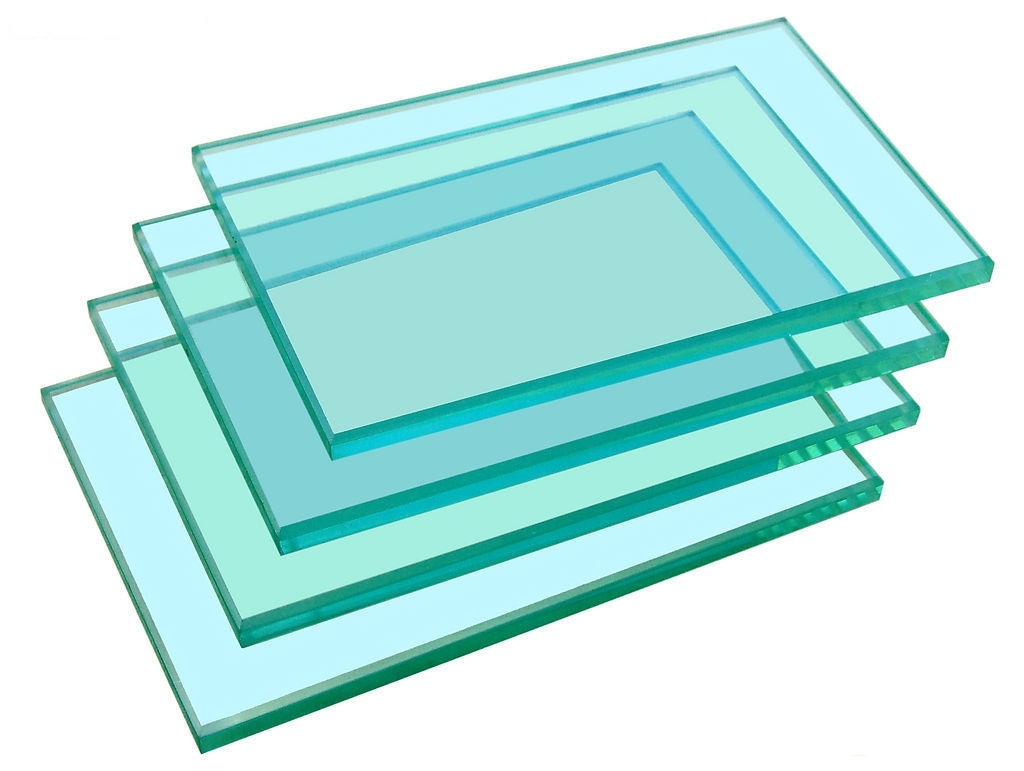
Tempered glass is about four to five times stronger than ordinary annealed glass. Before tempering glass, the panes need to be cut to the desired shape and size. After cutting, the glass is inspected for any imperfections that may lead to potential breakage during the toughening process. Tempered glass is manufactured from cut and thoroughly examined annealed glass panels that are made to undergo the process of heat tempering. Standard annealed glass panes are made to travel through a 620°C preheated industrial oven or furnace. Once the panes attain said temperature, they undergo a high-pressure cooling process called ‘Quenching’.

Quenching is achieved by blasting the outer surface of the glass with high-pressure air through a series of nozzles in varying positions. This process cools the outer layer of glass rapidly while the inner glass takes longer to cool down. As the center of the glass cools slowly, it tries to tug at the outer surface creating tension inside and compression outside. This chain of reactions gifts tempered glass with increased strength and durability.

Countless Use Cases

One of the tempered glass’s distinct features is that it does not break into sharp jagged shards. Tempered glass fractures into small pebble-like blunt pieces that are totally harmless. This type of safety glass does not break or chip easily.

Due to its unique safety features, tempered glass is used in a wide variety of commercial, industrial, and residential applications. Its versatility also makes it an obvious choice for people who are looking for sophisticated interiors without compromising on safety and durability. Let us look at some of the popular applications of tempered glass –

Residences

Tempered glass makes for the most beautiful and long-lasting table-tops, patio furniture, kitchen cabinets, shelves, partitions, bookshelves, shower stalls, bathroom doors, etc for residential dwellings. Tempered glass is scratch-proof, has high wear-and-tear resistance, and demands practically zero maintenance. If you are renovating your home and wish to create a sense of openness by installing interior sliding doors then the tempered glass is the right choice for you. Since this glass is very durable and safe, you can use it abundantly in your home without the fear of it hurting anybody in case of breakage, especially with little kids running around. 

Offices

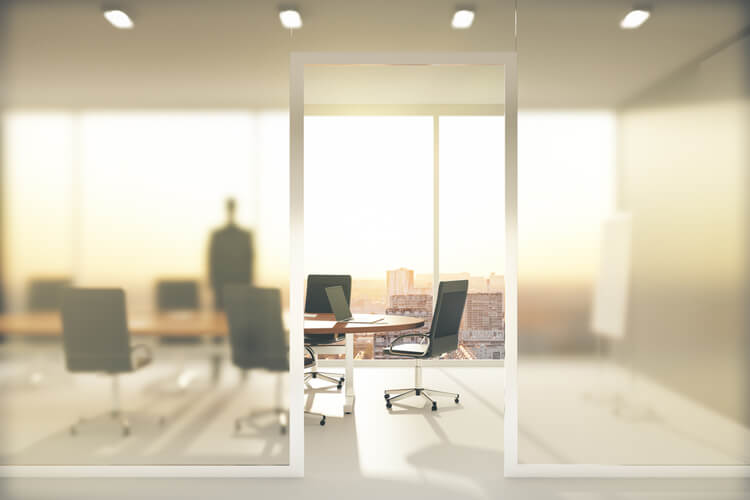
This type of glass is widely used in commercial interiors for conference table-tops, office desks, display cases, office partitions, etc. If your office has an open floor plan then the tempered glass is ideal for creating temporary partitions. This way the office space will look expansive. Tempered glass is strong enough to endure daily office wear-and-tear.

Shop and Restaurant Displays

Tempered glass panes are commonly used for retail window displays, countertops and partitions in designer boutiques, grocery stores, malls, restaurants, etc. Since these displays are routinely touched by employees and countless shoppers; strength and durability are imperative. For instance, the display cases at most electronics shops are made of tempered glass. 

Stairwell Railings

Where there are stairs, there will be railings! Tempered glass railings are a fantastic addition to your home or office décor. Since railings get touched a lot daily, they need to hold up against a great deal of wear and tear, and the strong and thick tempered glass will do the trick. This type of glass is very easy to maintain. All you need to do is wipe these railings with a soft damp cloth once a week and let it air dry.

Appliances

Apart from being strong and durable, tempered glass can also withstand both very hot and very cold temperatures comfortably. This is why they are used with varied thickness to make oven doors, microwave doors, refrigerator shelves, etc.

Sports Arenas

Have you ever wondered why glass panels around an ice skating rink or an ice hockey rink don’t shatter when skaters or hockey players knock into them? The credit goes to the unmatched strength of tempered glass. Panels made from tempered glass are far less likely to break even when a great deal of force comes smacking into them. These panels eliminate the risk of injury by creating a solid barrier between the players and the spectators. 

Experience the Goodness of Tempered Glass with AIS Glass

Looking for tempered glass for your home or office? To experience the best of tempered glass, always trust AIS Glass – India’s leading glass manufacturer. We provide you with end-to-end solutions for all your glass-related woes. Rely on our team of experts to help you pick the right glass and install it professionally at your place of interest. Our AIS Stronglas is a high-grade tempered glass that is highly strong and durable, capable of resisting heavy impacts. It can be widely used in table-tops, balustrades, shelves, facades, shower enclosures, partitions, washbasins, and canopies. So, what are you waiting for? Get in touch with us today!

    Categories

    4 Precautions to Take With Your Car's Side Windows

    There are many different window glass types such as laminated and tempered glass which are used in automotive glass installations. While windshields, which represent the most important glass installation in a car, are made from laminated glass, side windows are constructed from tempered glass. Many people prioritise windshield maintenance and repair for their cars, but that doesn’t mean that they neglect the side windows.

    Unlike annealed and laminated glass, good quality tempered glass, such as Temperlite-LT by AIS Glass, breaks away into tiny pebble-like pieces that are harmless and powdery in nature. This property ensures that the passengers and the drivers remain uninjured in case the side windows get shattered. While tempered glass does make the side windows strong and durable, there are many precautions you need to take in order to ensure that it does not get damaged beyond repair.
    Here are four things to keep in mind so as to ensure safe working car glass windows:

    1. Do not delay repair

    From time to time, it is important to inspect the condition of your car windows. This becomes extremely important in the aftermath of an accident which might have caused some damage to the structure of the car. Even if your windows have a small crack, a minor chip or a scratch, do not assume that it is harmless. These damages have a habit of exacerbating over time while also weakening the glass, thus putting you and other passengers in danger the next time an accident occurs. Therefore, always get the windows repaired quickly by the experts in your vicinity. 

    1. Do not slam the car doors violently

    Yes, slamming the car doors time and time again can lead to damaged side windows. One has to understand that these sudden closing of the doors with force generate vibrations inside the car. If they occur with high frequency, then there is a chance that some integral structural damage might occur to the window installation or the windows might loosen. It is best to be gentle and mannerly while shutting the car door. 

    1. Do not use ammonia-based cleaning agents

    It is important to know the right type of cleaning agents for your car windows. Ammonia-based agents are usually used in architectural glass inside homes and buildings, and can damage the tint of the car windows. Also, while cleaning car windows, use a clean cloth or microfiber towel so as to avoid leaving damaging streaks. 

    1. Do not expose car windows to long periods of intense, direct sunlight

    Long exposure to harsh heat and sunlight causes UV ray damage to car windows, thereby decreasing their lifespan and also affecting the structural integrity of your car. Always try to park your car in the shade, a garage or with a protective cover.

      Categories

      Valuable Tips to Maintain Your Car Windscreen

      Most of the car owners indeed pay adequate attention to the maintenance of their cars. They take them for their periodic visit to the service centre but many often forget to consider the car windscreen of their vehicles in these periodic visits. Simply put, many car owners think the least about the windscreen. But, a car windscreen is extremely vital as it serves the functional roles of rendering structural integrity to the car, offering unobstructed visibility, and ensuring the safety of all passengers and hence, requires proper maintenance.

      Importance of a Car Windscreen

      The car windscreen is not an ornamental addition to your car but it plays an important part in your car. The most important function of a car windscreen is to protect you and your fellow passengers from the wind, dust, debris, stones, and other outside elements. It is also a vital component of your car as it provides structural integrity to your car. Your car windscreen keeps the roof intact and in the face of an accident, prevents it from falling and crushing the occupants of the car. Your car windscreen also prevents you from being thrown out of the car in the face of a harsh impact. A damaged and weak windscreen will not be able to withstand the severity of an impact in an accident like a normal windscreen can. If you are not wearing a seat-belt, the impact can cause you to be thrown out of the car, causing fatal injuries. 

      Just like any other component of your car, your car windscreen also requires routine maintenance. If you don’t maintain your car windscreen then gradually the dirt stuck on it will obstruct the view of the driver and they won’t be able to see the road ahead. This automatically becomes a risky way of driving on the road. A dirty windscreen also impacts the overall image of your car. To maintain your car windscreen, the first and foremost thing that you should do is treat your car windscreen with utmost care as you do with the car’s engine or tires. Even a minor issue with your windscreen that you choose to neglect can land you in deep trouble and can endanger the safety of you and your loved ones.

      To help you maintain your car windscreen, here are a few valuable tips –

      Clean Your Car Windscreen

      Your car windscreen is important and it requires proper care. Leaving pollen, dead insects and dirt on the windshield are hazardous. They create an obstruction in your line of sight, impair your visibility and compromise the integrity of your windscreen glass. If not cleaned on time and properly, tiny pieces of debris or stones can scrape the windscreen glass. These scrapes create micro-abrasions and repeated micro-abrasions can make your car windscreen more prone to cracking. But if you make it a point to clean your windshield routinely and to take it to a service centre for regular screening then you will prolong its life.

      Swap the Wipers

      Daily use and sun exposure can cause damage to the wipers. These damaged wipers can subsequently cause damage to the car windscreen. It is important to get your car windscreen wipers replaced at least every six months. If you tend to leave your car parked in the sun or you regularly drive long distances then you might need to change your wipers more frequently. Car owners should remember that when it comes to vision and safety, there shouldn’t be any compromises.

      Hire Professionals

      Doing so will prevent further serious damage to your car windscreen. Car windscreens always run the risk of getting chipped or cracked. A crack or a chip may seem like a small problem but over time they have the potential to become more money-consuming and time-consuming. Due to this, it becomes mandatory for you to hire professional help to deal with the situation. A highly-trained technician will be adept at handling situations like this. They will assess your car and give you the best solution based on the severity of the damage regarding whether it will be feasible to repair windscreen or replace the windscreen. Minor chips that are smaller than 1 inch, they can get easily repaired. If the chip damage on your windscreen is restricted to only the outer layer of the glass then a simple repair can solve the problem. But anything beyond two chips requires a car windscreen replacement. For example, if your windscreen is littered with numerous chips or cracks then it cannot be repaired, as the structural loss due to a damaged car windscreen can be extremely risky. If the damage occurred a while ago, and a significant amount of time has passed then also a simple repair job may not suffice. Hence, in such cases, it is best to opt for windshield replacement performed by a professional. While getting a replacement job, you can choose a variety of different types of value-added auto glasses offered by AIS Glass. AIS Glass has a range of automotive glass products that are engineered to the highest global quality standards. These glass products will not only ensure vision and safety but they are also designed to offer special functions like rain-sensor windscreens, heat-screen windscreens, extruded windscreens, etc.

      Your best defence against replacing the entire car windscreen and maintaining it is to have it evaluated by a business that you trust and if or when you find cracks or chips, do not resort to DIY solutions, rather hire professional help.

      If you are on the lookout for value-added automotive glass products, especially related to your car windscreen then look no further than AIS Windshield Experts – India’s largest and leading car glass network.  Our windshields are made using high-quality laminated glass, our experts are highly trained and observe international safety standards, and our 80+ conveniently-located service centres in over 45 cities and several mobile vans allow us to reach you whenever and wherever. So, what are you waiting for? Get in touch with us today!
        Categories

        Back Painted Glass by AIS: Uses and Applications

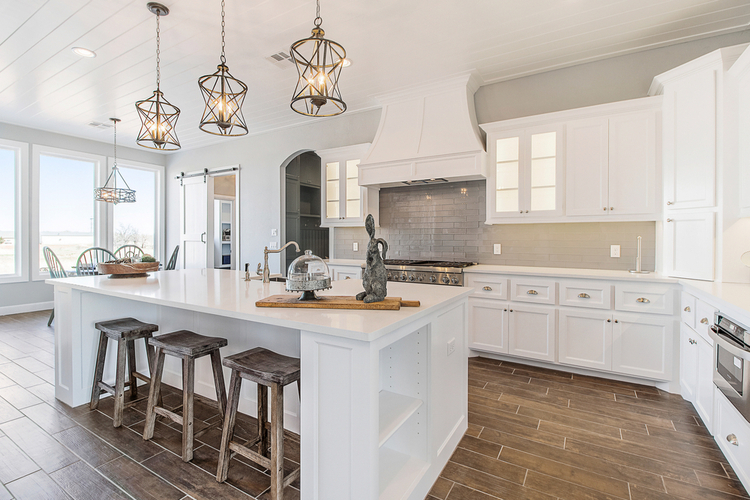
        Have you ever wondered why certain homes, lobbies, kitchens and bathrooms look more slick, colourful and modern than the others? Check again, back painted glass might be the answer. Imagine a perfectly smooth-coloured wall with an impeccable finish and sheen that lasts for years on end. That is back painted glass for you.     

        What Is Back Painted Glass?

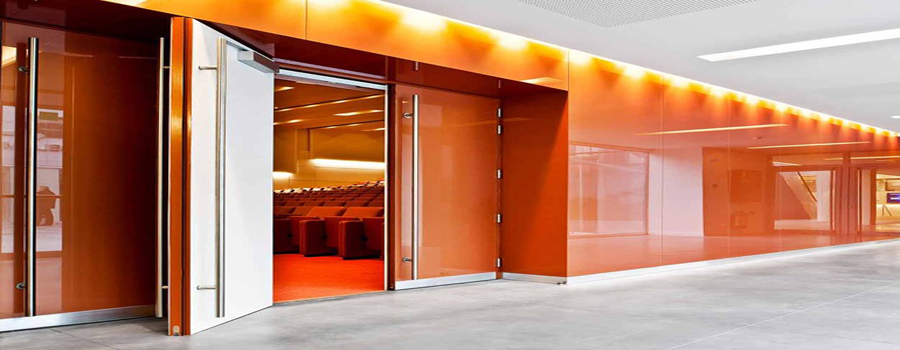
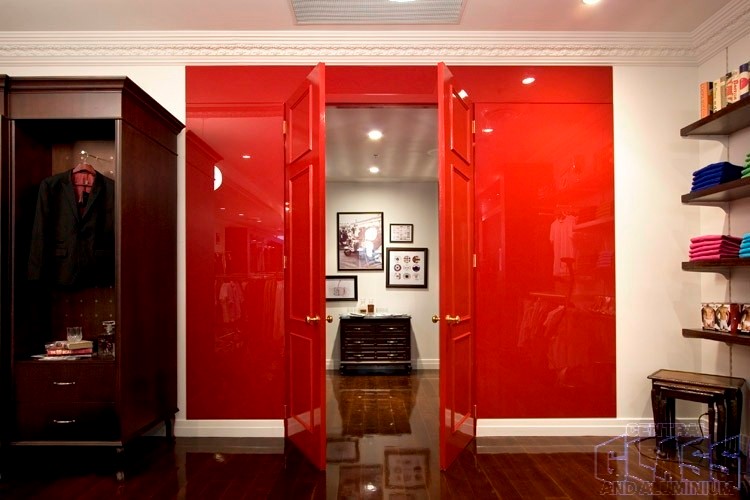
        Back painted glass refers to panes that are painted or coated on one side, rendering the glass’ surface opaque. It is installed with the unpainted side facing outside. Back painted glass looks great and is rapidly gaining popularity. Try back painted glass instead of distempering or wallpapering to create an elegant and contemporary look. Back painted glass boasts a seamless finish that lasts much longer than other wall colouring or cladding materials. 

        Applications of Back Painted Glass

        A surface that looks as beautiful as this is bound to have a diverse set of applications. Back painted glasses provide an upscale look to any place they are installed in. If you are looking to renovate your home or office, back-painted glass walls are a good starting point. 

        Back Painted Glass for Your Kitchen 

        Back painted glass in kitchens are preferred by many as they do not get stained due to spills or splatters. You can simply wipe these glass walls off with a damp cloth and there will be no residual sign of a stain left. Distempered walls, especially inside kitchens tend to get splotchy fast and need a fresh lick of paint now and then. Back painted glass in kitchens can rid you of maintenance woes completely. These glass panes are resistant to moisture and steam and can maintain their finish for a very long time. You can choose back painted glass for cladding kitchen walls, kitchen island tops, etc. 

        Back Painted Glass for Your Bathrooms 

        Nothing freshens- up dated bathroom interiors like back painted glass. Bathrooms are moist, wet, and humid, which is why they are harder to maintain than other parts of your home. Back painted glass withstands moisture comfortably, is easy to clean and looks phenomenal. You can use back painted glass for shower wall panels, bathroom walls, washbasin tops, etc.  

        Integrating back painted glass into your bathroom can completely alter its ambience and make it noticeably edgier. 

        Back Painted Glass for Commercial Structures

        In commercial spaces, back painted glass can be used to make conference room tables, wall claddings, room partitions, etc. Back painted glass has a clean, crisp, and sharp finish. These qualities blend very well with the formal or semi-formal demeanour you may want to set in an office space. Moreover, since back painted glass is available in a universe of colours, you can fashion it to match the colours of your company’s logo to enhance branding. Back painted glass is also popularly used in shopping malls, stores, entertainment venues, restaurants, etc. 

        Back Painted Glass for Marker Boards

        A white-coloured back painted glass when placed on a wall instantly becomes an easy to clean whiteboard. This application also works wonderfully inside meeting rooms, waiting areas, and other office corners where you may want to otherwise install a notice board.    

        Advantages of Back Painted Glass

        Back painted glass is predominantly installed to enhance the aesthetics of any space, but its list of benefits doesn’t end there. It has many more unsung benefits that are listed below for your reference:

        Colour and Pattern Diversity 

        Back painted glass is available in a vast variety of colours and patterns. You will surely be spoilt for choice! There is a colour available to set the tone and mood for every room of the home. You can choose striking yellows or oranges for your kids’ room, or go for sombre pastels for the lounging or living areas of your home or office. The chromatic assortment is simply mind-blowing! 

        Durable and Low on Maintenance 

        While the outer surface of back painted glass can endure heat, humidity, and moisture routinely, the inner coated side is comfortably tucked away, always looking good as new. This quality makes back painted glass pretty much maintenance-free. This surface is very easy to wipe clean in case any dirt or grime settles on it. It also receives multiple coatings of paint which structurally strengthens it, thus increasing overall durability. 

        Can Withstand Heat and Moisture 

        Back painted glass panes look fresh even after years of installation. The paint never gets chipped or distorted, which is why it is great for bathrooms and kitchens. A hot splash of water or curry splutter is nothing this glass cannot handle. Unlike wall paint or paper that starts showing wear, back painted glass looks brand new every single day.   

        The Bottom Line 

        Looking for back painted glass solutions near you? Turn to AIS Glass for back painted panes and take the benefit of our 34 striking colours that range from sombre earthy pastels to metallic shades to pure placid colours. Give your living room wall a touch of Terracotta or jazz up your bathroom with a punch of Sparkling Coral, or light up your kitchen walls with Miami Blue, we have them all! Our team of trained technicians is fully equipped to address all your glass-related woes. AIS Glass has been a leader in glazing solutions for over three decades. Contact us today! 

          Categories

          Tips to Select Window Glass for Your New Home

          Countless studies have concluded that humans have an unrelenting need to expose themselves to ample amounts of natural light on a routine basis. This helps them stay productive, whether at the office or at home. People spend the majority of their time indoors these days, which is why daylight management is accomplished through glass windows. Whether you want to design an ideal workspace or your new home whose interiors reflect your personality, windows with the right type of glass are at the core of any building. A cheery and conducive atmosphere can be achieved through them, but how do you decide on the type of glass these windows should contain? Here are a few tips and tricks that can help you figure out the type of glass better-suited for your home’s windows.

          Importance of Selecting the Right Window Glass

          Windows will be responsible for thermal comfort inside your home. Inefficient management of heat moving through windows can dramatically reduce your home’s energy-efficiency. As a result, your home’s interiors will be overly hot during summers and freezing cold during winters. This will spike up the usage of heating and cooling devices and, in turn, energy bills. The type of window glass used for your spaces should disallow heat loss during winter and heat gain during summer. Energy-inefficient glass can burden your air-conditioning system, while too much glare can make sitting inside a room uncomfortable. The good news is that with the advent of high-performance window glass solutions, windows have been able to overcome the problems related to thermal discomfiture. 

          Modern-day homes lay a lot of emphasis on the aesthetic exteriors as well as interiors. This is often achieved through gorgeous, sizable glass windows. While consulting with a window glass dealer, inquire about the basic glass performance indicators namely, the R-values and the U-values. These values are a measurement of heat loss. Windows that have a high R-value or low U-value will provide the best thermal comfort for your home without compromising on the glamour.

          Consider These Factors Before Choosing Window Glass

          Before zeroing-in on a particular type of glass for your windows, ask the following three questions to gain a deeper understanding of what you want – What is the nature of my safety requirements (especially if there are kids around)?, how noisy is my neighbourhood (is it located in a busy part of town or on the main street)?, what is the climate of my city around the year?

          Firstly, if your new home is situated in a very busy part of the city, security concerns should take precedence. You will need to choose a type of window glass that is strong and can withstand any unfortunate incidents, like a break-in. Also, if you have children running and playing around your home, you need windows and doors made of safety glass. Laminated glass or toughened glass would be ideal in both of these scenarios. Both of these glasses are stronger than normal glass and can resist heavy external impact. Moreover, each of these glasses is designed in a manner that on the rare event of breakage, they do not shatter into sharp shards, unlike regular glass. Instead, toughened glass breaks into small, blunt, pebble-like pieces and laminated glass pieces remain stuck to the special PVB interlayer – used to bind the two glass sheets into a single, strong layer.

          Secondly, if your home is in an especially noisy neighbourhood with reduced privacy then installing soundproof or frosted window glass will work best for you. These types of glass are a variant of laminated glass so they are very strong. Acoustic insulation can have you living comfortably in one of the busiest neighbourhoods without the menace of traffic noise, whereas, frosted glass can address your privacy concerns. Too much noise can leave you stressed as well as fatigued, whereas, reduced privacy can lead to safety concerns.

          Thirdly, if you live in a particularly hot or cold city or near the ocean then window glass that provides thermal comfort is imperative. Low-E and insulated glass panes are strong, energy-efficient and will work best in this situation. Low E-glass has an invisible metallic coating that blocks excessive solar heat transfer and also keeps humidity at bay. This does not only maintain comfortable internal temperatures but also prevents the solar glare from fading your interior furnishings such as carpets, rugs, etc. Low-E window glass absorbs the majority of UV rays from the sun and provides for a better dwelling experience, especially during the warmer months. During winters, this type of window glass allows the sunlight to stream through and naturally keeps your home warmer.

          Another thing to keep in mind going forward with your decision is that panes today are available in both double as well as triple-glazing. Singular-paned glass in residential windows is fast becoming a thing of the past. Double-glazed windows made from any of the aforementioned types of window glass are great for thermal comfort, security and sound-resistance. However, if you live in an extremely cold city then going for triple-glazing might work better when it comes to increased thermal comfort.

          The Bottom Line

          Choosing the right kind of glass may seem like an afterthought while installing windows, but this decision will have major repercussions on the comfort, safety, security and the privacy of your family members. No matter which type of window glass you zero-in on from the list above or otherwise, AIS Glass will provide you end-to-end solutions for all your window glass needs. So, what are you waiting for? Get in touch with us today!
            Categories

            Why are Modern Architects in Love with Architectural Glass?

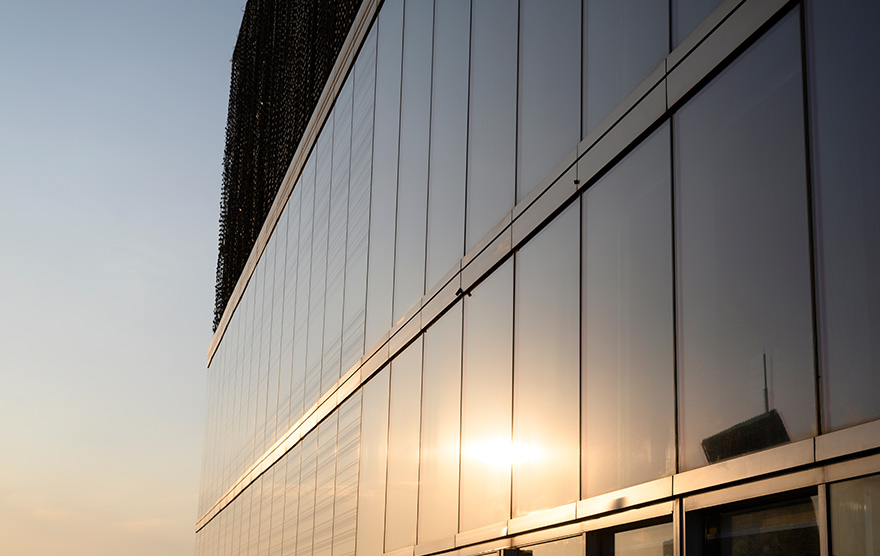
            Modern architecture has reached new heights, thanks to the rapid progress in technology, improvement in the quality of the material used and limitless innovations! But there’s one thing that the modern architects seem to be loving a little too much, architectural glass. Be it any famous building you can think of, the use of glass certainly enhances the beauty of any building.

            Properties of Glass

            Architectural Glass
            Architectural Glass

            Glass is majorly used in the construction of buildings, museums and other structures due to the following properties:

            1. Transparency

            The most unique property of glass is that it is transparent (or translucent). Caused due to its non-crystalline nature and peculiarity of the bonds within the glass, its transparent appearance allows it to manipulate lights, block certain waves from entering and even reflect them, thereby providing the architects tons of opportunities to play around and create masterpieces.

            2. Insulation

            Glass has good insulation properties which makes it a commonly used product in the construction industry. It can resist and provide a good insulating response against light transmission, heat, electricity and even sound transmission (if the glass is thick enough). You might have heard of interlayered glass or similar variants being used in construction as the glass pane’s thickness can be modified for effective insulation, unlike its stiffness and damping.

            3. Strength

            Appearances can be deceptive. Despite its glossy, high-end and fragile appearance, glass is quite durable and strong, thanks to the massive optimisation in its manufacturing process and the premium quality material used. Techniques such as etching, thermal strengthening and fibre reinforcement increase the glass’ deformation resistance under load so that it can be used as partitions, staircase, railings, etc without compromising the safety of the user.

            4. Recyclable

            Given the rapid deterioration of the environment, it is necessary to use environment-friendly products and the fact that glass can be recycled completely makes it a favourite among architects! It not only helps in creating new products without expending more resources but also helps reduce emissions.

            5. Resistant to Fire and Chemical

            Glass is highly resistant to chemicals and fire which means that it can not only withstand extreme weather conditions but can also be used abundantly in the construction of laboratories, research centres and other buildings meant to contain hazardous chemicals. Heat-treated glasses are also available in the market and are capable of preventing the spread of fire into other areas by trapping the smoke and toxic gases emanating from burned furniture and objects.

            Types of Architectural Glass

            Now that your curiosity is somewhat quenched, we will move on to the different kinds of architectural glass that are being commonly used by architects in construction these days. Companies like us (AIS) have been using state-of-art technology and optimised processes to make sure these glasses don’t lack appearance, strength or durability which makes them a great solution for all kinds of buildings, designs and infrastructure.

            1. Laminated Glass

            Laminated glass is made by bonding multiple layers of ordinary glass using a transparent and flexible material. It is widely used in architecture and can be used to create other types of glasses as well (like float, wired or toughened glass). Laminated glass can help block UV rays and sound transmission and is often used in the construction of bridges, aquariums, canopies, etc.

            2. Energy-efficient Glass

            Smart architectural designs not only look good but also help with energy efficiency and hence glass manufacturers like us (AIS) have also come up with energy-efficient glasses. It is made using glazing float glass and has a special coating on one side which allows solar energy to pass through while reducing the transfer of thermal energy in the other direction. This helps in regulating the temperature inside so that electronic devices don’t have to work overtime, thereby reducing carbon footprints and electricity bills.

            3. Privacy Glass

            Privacy glass is glass that allows you to change the transparency at the touch of a button. These can have many advantages when it comes to both commercial and residential buildings.

            4. Tinted Glass

            It’s no secret that tinted glasses are one of the top choices when it comes to the construction of commercial or residential spaces. These glasses are made by adding a certain type of ion to normal glass, which adds colour to it without affecting any other property of the glass. Tinted glasses can be used in the exteriors as windows, entrances, balconies, stairways, museums, exhibitions, and various other places. These not only add a personal touch to the space but also offer a greater sense of privacy even in commercial spaces.

            5. Toughened Glass

            Yet another commonly used glass is toughened or tempered glass. Even if you feel its primary job is to protect your phone’s screen, it is being used extensively in construction due to its superior strength and the ability to break down into safer pieces instead of large shards. It can also be coupled with laminated panels to make it more secure and safe for residential spaces. Be it shower pool fencing, kitchen splashbacks or shower screens, toughened glass has proved its usefulness effectively.

            The list can be quite long but we have covered the most commonly used glasses so that you can start exploring in the right direction with the help of the information provided above. If you are looking to purchase premium quality glasses for designing your dream home or office space, then do visit our website to explore the countless options available so that you can design your space in the best way possible at affordable rates.

              Categories

              Best Balcony Glass Design Ideas for Modern Homes

              If you recently bought your dream home or are simply planning to renovate your home for a refreshing look, then this article might help you decide how to enhance the looks of your balcony. We all love relaxing in a quiet, refreshing nook in our house where we can spend some quality time, and a well-designed balcony can fulfil that purpose.

              To ensure your balcony looks modern, sophisticated, and unique, we have compiled together some interesting balcony glass design ideas that are not only practical but also pleasing to the eyes!

              Are Glass Balconies Safe?

              If you are hesitant about investing in balcony glass design due to safety concerns, then you can leave those worries behind as the rapid progress in technology has resulted in several useful inventions like toughened glass for balconies which is highly durable and resistant to impact under extreme conditions.

              All you need to do is purchase them from reliable brands like AIS as they make sure that the glass is manufactured as per international standards and are durable enough to stay undamaged for a longer duration.

              In the modern world, glass has emerged as one of the top choices when it comes to renovation and construction as it can be used in creating walkways, staircases, fenestrations, facades and much more using different kinds of glass for your home (like toughened glass for balcony)

              6 Modern Balcony Glass Design Ideas to Elevate Your Space

              Here are some glass designs you can install in your balcony to make it stand apart and create a minimalistic yet elegant space for yourself.

              • Acoustic Glass

              Don’t be fooled by the looks of the acoustic glass as it might look fragile but is quite sturdy, thereby making it a good choice. It features a PVB interlayer that contributes to the glass that helps in reducing external noise. A laminated glass railing goes well with all kinds of interiors, so it will add a minimalistic yet sophisticated touch to your home’s exterior without any trouble. Last but not least, it eliminates the need for installing additional grills or shutters, as the glass itself is quite strong and can handle heavy impact. If you want to invest in something more durable then you can opt for heat-strengthened laminated glass which offers higher stability and eliminates the need for grills and shutters.

              • Insulated Glass

              Yet another toughened glass for the balcony is the insulated glass. It can include two or more panels that are separated by air, aluminium or other types of spaces around the edges. The perimeter is sealed to make sure it doesn’t break off easily while the drying agent eliminates moisture in the cavity, thereby making it even more strong. This composition also makes it an energy-efficient solution so you can also use it in windows or the wider panels on the balcony and reduce your electricity bills. Insulated glass made by companies like AIS (AIS IGU) can also block harmful UV rays and increase wind load strength. The insulated glass made in this manner is quite durable and won’t be easily damaged, thereby saving you from the trouble of replacing it time and again.

              • Tempered Glass

              Tempered or toughened glass for a balcony is recommended by most experts as it beautifully combines looks and strength so that you can enjoy panoramic views without worrying about the safety of your loved ones. You can combine high-tempered glass with steel borders or railings and make sure your balcony looks attractive without increasing the risk of impact-related breakage.

              • Tinted Glass

              If you live in an area where the sunlight is usually harsh then you might want to invest in tinted glass. It not only adds a layer of privacy but also proves to be effective in blocking the sun’s heat, thereby helping in lowering the room’s temperature without compromising on aesthetics. The best part about tinted glass is that you can add a hint of colour and make your balcony a little more lively by investing in shades of grey, bronze, blue, green and uniquely designing your balcony!

              • Frosted Glass

              Yet another glass design that can instantly enhance the style and looks of your balcony is frosted glass. It is popular since it gives you greater privacy while admitting light which means you are obscured from the public eye as you admire the clear skies and rejuvenate on your balcony. Frosted glass is made using superior glass manufacturing techniques and is also available in shades like green blue and bronze which helps in adding a personal touch to your balcony in no time!

              • Reflective Glass

              Reflective glass has gained popularity due to its unique design, which is not only visually appealing but also highly effective in ensuring privacy and keeping heat at bay. To understand its features and benefits in detail, learn more in our guide on reflective glass. Companies like AIS manufacture reflective glass using advanced coating technology, which, when combined with its brilliant aesthetics, results in an energy-efficient solution that is not only pleasing to the eye but also helps regulate indoor temperatures to some extent.

              Conclusion

              Now that you have a better idea about the kinds of glass that can adorn your balcony, it’s time to get in touch with trusted glass manufacturers like AIS and make your balcony stand out. As one of the top Indian glass manufacturers in India, AIS offers premium balcony glass solutions that are not only durable but also easy to maintain. When sourced from a genuine glass manufacturer, these solutions ensure long-lasting performance, so you won’t have a hard time keeping your balcony stylish and presentable!

                Categories

                3 Smart Ways To Incorporate Lacquered Glass In Your Home

                Also known as back painted glass, lacquered glass is made by simply coating the back of the float glass using highly durable lacquer that is baked afterwards at a constant temperature in a furnace. As a result, the lacquer gets perfectly bonded to the surface of the smooth glass. Opaquely coloured in appearance, lacquered glass is a booming trend in the present time.  Incorporating all the features of float glass, lacquered glass has a wide range of applications. Be it renovating your kitchen or making your bathroom look more colourful yet sophisticated, lacquered glass is the perfect glass option for your varied requirements.
                Here are 3 smart ways to incorporate lacquered glass in your home. Have a look –

                1. Wall Panels – When it comes to designing your house, lacquered glass is the perfect solution. Painting the walls is a repetitive process that costs more in the long run as well. Creating wall panels with coloured lacquered glass not only eliminates the need to paint but adds a creative look to the wall as well. Since they are durable, there are very little chances of breaking.
                1. Kitchen Cabinets – Adding lacquered glass to your kitchen cabinets will change the entire look of your kitchen. Versatile and easygoing, cabinets made using lacquered glass are definitely more practical than their traditional counterparts. A lot of house owners are usually worried that using glass in their kitchen cabinets would reveal all the contents of their kitchen and may appear cluttered. The best way to tackle this problem is to use coloured lacquered glass as it will not reveal the contents of your kitchen without compromising on the aesthetics. Moreover, you can use tuffen glass for the same purpose as well.
                1. Furniture – If you are done with your boring furniture and want to give it a makeover, lacquered glass is just perfect for you. With superb finish and modern look, tabletops and other furniture made using lacquered glass are not only durable but also highly resistant to moisture, adding to its longevity.

                Made using special manufacturing process, lacquered glass is also an environment-friendly alternative. Giving a new and fresh look to the interiors of your house, it exhibits brilliant properties like scratch resistance and colour adhesion. Furthermore, always buy this product from premium glass suppliers like AIS Glass who offer other types of glass like energy efficient glass, frosted glass etc. as well to ensure the quality.

                  Categories

                  How Do You Manage Efficiency of Work With Day Light

                  Form always follows function and never the other way around. This is the fundamental principle of design and architecture since time immemorial. The essence of this doctrine iterates that the function of a building should decide its composition. Recognising the true purpose behind any construction is the primary condition for its design. A physical place of work, therefore, should motivate an employee to feel productive, and the infrastructure of that place has a huge role to play in the psyche of an individual. 

                  Productivity at Work Is Higher Under the Gleaming Sun

                  Countless studies have proven that humans have an unrelenting need to experience ample daylight routinely to stay productive. The reason behind this is our body’s circadian rhythm.

                  The human circadian rhythm is our body’s natural clock which makes us feel and do certain things during certain times of the day. There is a reason why most of us do not feel like going to work at night or sleeping during the day. There exists insurmountable evidence that daylight keeps the circadian rhythm in check. Messing up this rhythm pushes humans into feelings of depression, disruptive sleep patterns, lethargy, dysfunctionality, etc. Exposing your body to natural light during the day and darkness during the night ensures a healthy circadian rhythm which elevates functionality.

                  Therefore, efficiency at work is closely linked with daylight. Studies conducted by the Lighting Research Centre at the Rensselaer Institute in New York have concluded that employees in offices with little or no natural light spend lesser time on their work stations as compared to employees working in windowed offices with ample daylight. The positive impacts of natural light on productivity make a compelling case to incorporate daylight while designing buildings, both residential and commercial.

                  It can be comfortably said that daylight ensures efficiency and productivity by improving employee alertness, improving the indoor experience (employees find it more comfortable to sit on their desks for longer), and leading to feelings of higher positivity and energy.

                  How Do You Achieve Optimal Daylight Management in Offices?

                  You achieve it through the right kind of glass. It is as simple as that! Modern-day architects understand the need for gargantuan glass windows in offices, through which pure daylight can enter. Moreover, modern-day glass solutions come with energy-efficiency and optimal glare management features, ensuring that while optimum natural light enters into a space, it does not disrupt work by bringing in unnecessary heat and glare with it.

                  Factors to Consider While Choosing Glass for the Workplace

                  Be Wary of Energy Inefficiency

                  The standard glass absorbs a lot more heat compared to most materials. Therefore, it makes economic sense to choose a glass that does not absorb much heat and saves energy required to heat up or cool down an office building. Glass with high energy-efficiency clubbed with aesthetics will complete the utility spectrum for commercial buildings.       

                  Define Your Visual Needs 

                  Identify the window direction, the glare possible and the amount of privacy required. If you have an east-facing office overlooking the street, get a tinted double-glazed window glass. The tint is for added privacy. The double glazing is to increase the strength and reduce the solar potency and the subsequent glare which is the highest during the day. You can also opt for switchable or smart glass that offers you the freedom to control its opacity levels with a hand-held remote device. Moreover, you get the added benefit of having privacy on demand.

                  Adjust Artificial Lighting to Suit Daylighting, Not the Other Way Around

                  This is a no-brainer. If artificial lighting is required during the day along with the natural light, reduce the former’s potency. Bright artificial lighting during the day culls the efficacy of natural light that ushers in through ginormous glazed windows.

                  Consider Ultraviolet (UV) Protection

                  Sunlight that reaches us is made up of UV-A and UV-B rays. While glass filters out UV-B rays, the UV-A rays are deeper and get through the glass. This may cause skin damage and irritation. If your building’s direction eats up too much sunlight, then consider investing in glass solutions that offer UV protection.

                  Which Glass Works Best for Daylight Inclusion?

                  The solution is a high-performance and energy-efficient glass which allows for day light inclusion, but absorbs and reflects away UV rays and near-range infrared heat. A good example would be the Ecosense Exceed Solar Control Low-E glass manufactured by AIS Glass. This range provides a complete solution by keeping indoor spaces brighter and cooler while allowing a good amount of natural light to seep through.

                  Investing and procuring the best quality glass is critical for not just the design of your commercial complex, but also for the productivity of the employees working within that structure. The experts at AIS Glass understand this, which is why we are a leading player manufacturing high-performance, heat-reflective, energy-efficient glass solutions. The Ecosense Exceed Solar Control Low-E glass by AIS provides the perfect blend of energy efficiency and daylighting coupled with the benefits of visual and thermal comforts. Gift your employees the workspace they deserve with AIS Ecosense glass range.

                    Categories

                    Frequently Asked Questions on Annealed Glass

                    Modern-day glass innovations have left many with a sense of awe and wonder. After all, glass’ multitudinous abilities are the reason for it being revered as the choicest building material in many an architect’s and interior designer’s books. But, wouldn’t it be a delight to know the genesis of it all? Where did it all begin? Well, with the process of annealing! Annealed glass is the foundation on which all contemporary glass innovations rest. So, let’s find out about this wondrous glass in detail. 

                    The Process of Annealing: A Wonder in Itself

                    One of the unique features of glass is how it behaves with temperature variation. When exposed to heat, it expands, and when exposed to cold, it contracts. Exposure to differential temperatures creates stress between the outer and inner layers of glass. The difference in stress levels within the glass pane can lead to breakage at room temperature. This is why it is imperative to cool glass down in a controlled manner and according to a predetermined temperature gradient. Doing this allows the interior as well as the exterior surface to cool off uniformly without breaking. The process where glass is made to cool in a controlled manner to relieve stress is called annealing.

                    What Is Annealed Glass?

                    Also known as float glass or plate glass, annealed glass is the glass that results from the process of annealing. For most glass panes, the annealing temperatures fall between 454°C to 482°C. Once the annealing process is complete and the glass has cooled down systematically, it can be drilled, cut, filleted and polished without the fear of it shattering. In a nutshell, annealed glass is the base to all modern-day innovative glass solutions.     

                    Multifarious Applications: Journey of Annealed Glass

                    Annealed glass is commonly used in small-size windows that do not need to withstand high temperatures or pressures. Since this type of glass is easy to mould, it can also be used as a transparent glazing material for the building envelope, like external walls. This type of glass tends to shatter on impact which is why it is mostly made to undergo further processing like heat-strengthening, chemical tempering, lamination, back painting, etc., to improve its applications. As a result, annealed glass can be made stronger and more durable, decorative and aesthetically more appealing, energy-efficient, noise-resistant, opaque in appearance, and so on.

                    Annealed Glass: From Crystal-Clear Clarity to Much More

                    Since annealed glass intrinsically has high-clarity, it allows for a higher degree of light to pass through it. Using windows made of annealed glass allows a healthy amount of natural light to permeate into your homes and makes them bright and comfortable. Alternatively, if you like natural light, but not too much of it, annealed glass also comes in several tints, with an ability to produce a diverse range of opacities. Since this glass can be cut, drilled and polished easily, fabricators often customise it as per the final requirements before putting it through the final process of tempering or laminating. Annealed glass is manufactured in an eco-friendly manner. This makes it sustainable and environment-friendly.

                    Difference between Annealed Glass and Toughened Glass

                    Annealed glass is at the base of every type of further glass processing. For instance, it is put through the process of tempering through which toughened safety glass is manufactured. Tempering does not alter the shape or size of the pre-cut annealed pane, it simply makes it at least four to five times stronger than its counterpart. When annealed glass breaks on impact, it may shatter but heat-tempered glass does not shatter easily. It also does not smash into pieces if the impact is strong enough to break it. Tempered glass shatters into blunt, pebble-like pieces that do not fall to the floor easily.

                    How Do I Install Annealed Glass?

                    You don’t! You call a trained technician who works with a reputed glass manufacturer and get it professionally-installed. Since annealed glass is not tempered, it can shatter into relatively sharper pieces if not handled with care. Getting annealed glass installed in your new home or getting an old annealed window pane replaced is a task that needs expert equipment and hands. Purchase annealed panes from a trusted brand that has been in this industry for several years.

                    The Bottom Line

                    Annealed or Float glass has several applications, both in residential properties as well as commercial enclaves, especially once it is toughened and laminated. With modern advancements in glass fabrication, product variants such as ultra-thin annealed glass are finding applications in electronics technology, such as computer and mobile phone screens, and new-age televisions. 

                    Looking for annealed or any other type of glass for your next project? Reach out to AIS Glass for all your glass-related woes and needs. Our Clear Float Glass comes with a precise surface flatness that ensures 100% distortion-free vision. As a result, both true and reflected images appear very bright with crystal-clear clarity. Moreover, all processing techniques such as insulating, laminating, glazing, thermal toughening, enamelling, silk-screen printing, sandblasting, acid-etching, and bending can be easily carried out on AIS Clear Float Glass. So, what are you waiting for? Get in touch with us today!

                      Categories

                      Different Uses of Reflective Glass

                      Reflective glass holds a significant place in the awe-inspiring universe of glass due to its superior aesthetics and stellar functionalities. It protects against solar glare, contributes to architectural aesthetics, and increases energy efficiency. The reflective glass reflects away a greater amount of heat as compared to ordinary float glass and is also less prone to thermal breakage. 

                      Applications of Reflective Glass

                      Glass with reflective coatings has found several applications in architecture. These coatings have high reflectance, which provides UV and IR protection. Listed below are some of its applications for your reference.  

                      Exterior applications

                      Reflective glass is widely used in the exteriors of commercial façades, shopping malls, educational institutions, stand-alone storefronts, air traffic control towers, restaurants, hotel rooms, petrol bunk windows, and much more.

                      Benefits of Reflective Glass

                      As seen above, reflective glass is a versatile material with multiple applications. Its prime advantage is that it significantly reduces solar glare absorption, but that is not all. Listed below are a few key benefits of installing reflective glass at your home or office.

                      Optical comfort

                      Coated reflective glass undoubtedly provides a more soothing atmosphere inside an office space by reducing the harsh solar glare. It is designed specifically for optimal sunlight infiltration. The tint or hue further eliminates the need to install blinds or window shutters inside a room, which means you get an enhanced sense of space. Reflective glass manufactured with a Low-E coating increases optical comfort and makes the building more energy-efficient. Energy efficiency makes a structure more sustainable, reduces energy bills, provides enhanced thermal comfort, reduces the need for artificial lighting, and much more.

                      Varied colour choices

                      Reflective glass is available in various shades, such as bronze, silver, dark grey, green, dark blue, etc. You can choose a shade that best aligns with the colour of your structure’s framing, panelling, stonework, etc. Reflective glass panes also significantly reduce HVAC (Heating Ventilation and Air Conditioning unit) costs and enhance their lifespan.

                      Ensures Privacy

                      A certain type of thin metallic coating on the glass’s surface can also provide it with a one-way mirror effect, rendering it opaque for people standing on the outside looking in. This gives people on the inside of the glass structure privacy while letting them take advantage of the panoramic views of their external surroundings. People and vehicles on the outside can only see a reflection of themselves on the surface of such buildings.

                      Summer comfort

                      Reflective surfaces cut back on the solar glare and scorching heat but allow for tonnes of natural light to pass through, enhancing overall thermal comfort inside a building. This makes dwelling behind reflective glass very comfortable, especially during the sweltering summer months. If you work or live inside a structure that is in the direct line of solar glare, reflective glass is the perfect solution for you.

                      Unsung health benefits

                      The hues on the reflective glass are not just for show. The coating protects the interiors of your building from absorbing harmful ultraviolet (UV) and infrared (IR) rays. This is not only beneficial for you but also for your furnishings, like upholstery, carpets, rugs, etc. Exposure to harsh sunlight can cause these furnishings to fade quickly.

                      The Bottom Line

                      Looking to get reflective glass panes installed? Turn to AIS for all your glass-related woes. We offer high-quality reflective glass in several colours, sizes, and thicknesses. AIS has been one of the leading reflective glass manufacturers in India for over 30 decades. We provide end-to-end services with a quick turnaround time. Log on to our website or give us a call to get a customised quote today!

                        Categories

                        How to Block Street Noise: 6 Expert Soundproofing Tips

                        It is no secret that our cities have become painfully noisy over the last decade. This problem is no longer limited to peak office hours. The sound of construction and traffic is a constant cacophony throughout the day – and sometimes even at night.

                        Street noise creates stress and fatigue. Your home should be a place where you can wash off the day’s troubles and unwind in peace. If you live in a noisy neighborhood with no recourse, learning how to stop outside noise in room can make a huge difference. The same applies to office settings, where noise pollution can significantly hinder productivity. Imagine trying to complete a task with horns blaring right outside your office window – this is why knowing how to block noise from outside is essential.

                        A wall is a relatively solid structure that reduces sound transmission more effectively than windows and doors. Windows and doors, however, are the main sources of noise leakage. In essence, they act as openings that let sound enter or escape. In modern architecture, there is increasing emphasis on replacing long solid walls with multiple glass windows and doors. While this increased fenestration brings in more natural light and opens up spaces, it also raises the potential for noise to penetrate our dwellings.

                        How to Stop Outside Noise in a Room: 6 Ways to Block Street Noise

                        A significant reduction in sound can be achieved by addressing the main sources of noise leakage—doors and, more importantly, windows. If you are wondering how to block noise from outside window, the following tips can help. While it is impossible to control your external surroundings completely, these measures can significantly reduce street noise.

                        1. Install Soundproof Windows (Acoustic Glass by AIS)

                        Acoustic glass in soundproof windows is specially designed to reduce street noise by up to 42 decibels. This is achieved through double glazing, where two layers of laminated glass are fitted inside a single frame, trapping external noise between them. Double-glazed acoustic windows absorb sound and prevent it from reverberating inside a room.

                        For example, windows made from AIS Acoustic Glass have exceptional sound absorption properties. They can reduce street noise by up to 90%, making them 60% more effective than a standard 5mm glass window.

                        To learn more about how soundproof glass works, read our detailed blog: Understand how sound proof glass work?

                        2. The Science Behind Soundproof Windows

                        Noise proof windows create a strong barrier between external noise and your ears. This barrier must be capable of fragmenting and capturing sound waves. Walls, doors, and windows all act as barriers that absorb sound throughout the day.

                        To increase a window’s noise-reducing ability, manufacturers typically:

                        • Add mass to a glass pane by increasing its thickness.
                        • Increase the space between two glass panes to trap more sound waves.
                        • Use a glass-plastic-glass laminated pane for enhanced sound absorption.

                        Double-paned soundproof glass, combined with an airtight frame, is the most effective solution for blocking noise. In addition to sound reduction, noise proof glass improves thermal comfort, is easy to maintain, provides UV protection, and reduces the amount of dust entering your home or office.

                        3. Seal Sound Leaks

                        Check your walls carefully for cracks or gaps, especially around window frames. Even the smallest openings can allow external noise to seep in. Once identified, have a professional assess the situation. They may recommend replacing your windows with noise reducing glass windows if the existing ones are old or structurally compromised. Otherwise, seal the gaps using noise-blocking caulk or sealant. To learn more about the differences between soundproof and regular glass, read our detailed blog.

                        4. Reinforce with Soundproof Curtains

                        In particularly noisy neighborhoods, soundproof curtains can effectively complement sound dampening windows. These curtains are designed to reduce street noise, but they work best when used alongside such windows. Using them alone may be less effective and could result in unnecessary expense.

                        5. Build Natural Barriers

                        Plants and shrubs can serve as natural noise barriers by breaking up sound waves. For ground-floor homes with a lawn or footpath outside, planting a row of tall shrubs can help reduce street noise while enhancing your home’s aesthetics and contributing to the environment.

                        6. Reinforce Your Doors

                        Noise often enters through doors. For homes near highways or busy streets, consider installing solid, well-sealed wooden glass doors. Both wood and glass are effective at absorbing sound. In addition to reducing noise, these doors allow natural light to enter and create a sense of openness.

                        Final Thoughts

                        Looking to improve acoustics and reduce street noise in your home or workplace? If you are wondering how to block sound from outside, turn to AIS Glass, one of the leading glass suppliers in India, for a permanent solution. Our soundproof glass windows feature a laminated PVB interlayer with exceptional sound absorption qualities, reducing external noise by up to 40%.

                        Don’t let street noise affect your comfort or productivity – get in touch with us today!
                          Categories

                          Choosing the Right Back Painted Glass for Your Kitchen

                          Those homes are the best where the kitchen is loved well. After all, the heart of the home must have the heart of its residents. One way of expressing your love for your kitchen is giving it a makeover – one that reflects the delectability of the mouth-watering dishes that adorn its counter-tops.

                          And when it comes to revamping your kitchen, no other architectural material offers a more perfect blend of modernism and elegance as glass. After all, as they say, absolute perfection cannot be improved! Incorporation of glass into a space instantly adds a touch of sophistication, the likes of which remain unchallenged to this day. No wonder glass has become the most beloved material among architects and homeowners alike.

                          Moreover, modern-day glass solutions have overcome the standard fluid visual appeal that is inherent to glass. Ordinary glass has evolved from its humble origins to include all types of colourful shades that are capable of sprucing up any space from drab to fab. One such glass solution is the lacquered glass – made by back painting one surface of float glass with a solid coating of lacquer and then oven-curing to lock in its unique features of opacity and coloured appearance.

                          Benefits of Lacquered Glass

                          Durable

                          If you are worried that by opting for lacquered glass, you will be compromising on quality for aesthetics, then you can breathe a sigh of relief. Lacquered glass is more than just its flawless finish on the surface. The lacquer applied at the back of the glass protects it from damage and ensures its durability. The long-lasting nature of the solution used and the toughness of the glass make sure that your lacquered glass looks as good as new even after years of usage. 

                          Easy to Modify and Model

                          Lacquered glass gives you a lot of flexibility to experiment with. It can easily be cut, drilled, and edge-finished. You can also get it polished as per your needs. 

                          Resistant to Moisture and Heat

                          What makes lacquered glass a great addition to your home is its exceptional ability to withstand temperatures of up to 80-degrees Celsius, making it an excellent option for highly humid areas such as your kitchen. Along with this, lacquered glass blocks out harmful UV rays, thereby staying immune from discolouration. 

                          Easy to Maintain and Clean

                          Lacquered glass is very easy to maintain. All it requires is a wipe down. It also doesn’t trap germs or bacteria, ensuring that your kitchen is hygienic and clean.  

                          Increases Visual Appeal

                          Available in a wide variety of colours, the installation of lacquered glass in your home can breathe new life into its interiors, given the vibrant shades of the glass and its highly glossy finish.

                          Uses of Lacquered Glass in Kitchen

                          For the space that brings friends and family together through sumptuous meals, the high-end, trendy look of lacquered glass is all that is needed to give that ‘x’ factor. Here are some ways that you can use lacquered glass to stylise and innovate your kitchen –

                          Backsplash

                          Lacquered glass works great as kitchen backsplash. After all, a dull backsplash makes for a very uninspiring kitchen – a space where cooking up delectable victuals becomes a challenge. Installing lacquered glass as a backsplash allows you to add colours to your kitchen. Moreover, they are stain-resistant and also make for easier clean-ups, unlike their traditional counterparts – kitchen tiles.

                          Kitchen Cabinets

                          If you want to give your kitchen a sleek and modern appearance then installing lacquered glass cabinets is the perfect option. As lacquered glass is easy to clean and does not trap germs, lacquered glass cabinets can make your kitchen look more high-end and contemporary than their traditional counterparts.

                          Wall-Panelling

                          Creating wall panels with colourful lacquered glass panels adds a creative look to your kitchen wall. Not only do they enhance your kitchen’s look, but they also eliminate the hassle of getting your kitchen walls repainted year after year.

                          Countertops

                          You can also use lacquered glass on kitchen countertops or kitchen island tops to increase the visual appeal of your kitchen. The scratch-resistance, low-maintenance properties of lacquered glass are handy features that allow you to bake your heart out without fearing any mess!

                          Magnetic Boards

                          Have a tough time keeping track of your day’s to-dos and organising your grandma’s recipes? Why opt for a lacquered glass magnetic board on which you can easily and readily note down your daily to-do list. Moreover, the board hanging right in front of the gas-top serves as a handy means to look up the recipe for the day!

                          Looking for top-of-the-line, aesthetically appealing lacquered glass solutions? Look no further than AIS Glass – a full-service offering of India’s largest integrated glass manufacturer – Asahi India Glass Limited. We offer lacquered glass in a myriad of shades ranging from bold and bright tones to calm pastel ones, even royal metallic shades. Be done with your kitchen’s bland interiors and grant it newfound life with the colourful world of lacquered glass! Our team of experts will provide you 360-degree support, right from the initial stage of product selection up until installation and even after-sales guidance.

                          So, what are you waiting for? Revive your kitchen today! Get in touch with us.

                            Categories

                            An Architect’s Guide to Glass Façades

                            Glass Façades have become a defining feature of modern commercial and residential skyscrapers. Today, one of the most preferred ways to instantly enhance the visual appeal of a tall building is a glass façade. Apart from lending a contemporary yet open look to a modern-day building, glass façades also offer acoustic insulation and thermal performance, making them a favourite of architects. Bespoke cladding, challenging geometrical designs, and striking outlooks of glass facades can be engineered to withstand wind loads and accommodate seismic movement. As an architect, you might be familiar with the basics of a façade. To enrich you more, here is a valuable guide about the intricacies of glass facades.

                            Types of Glass Facades

                            1. Curtain Wall

                            Curtain walls are non-load bearing curtain-like structures attached to the building’s structural frame in which the façade is to be incorporated. Such facades support their own weight and transfer wind loads to the primary building structure. Connections exist between the curtain wall and the building’s columns and floors so that the wind loads can be transferred from the façade. These types of facades are both aesthetically pleasing and exceedingly functional, providing resistance to wind and water infiltration. Resistance to seismic forces and a thermal barrier is also provided by such glass facades.

                            Curtain walls can be customised according to the need of the building and the design choice of the client. It can take the form of many interesting patterns and styles.

                            2. Storefront Wall

                            This is another non-load bearing façade type designed primarily for ground floors. It is typically installed at ground level and designed for low-rise applications, and offers optimal thermal and sound insulation when constructed using specialised glasses. It is a cost-effective option and can be customised according to the client’s desires.

                            Framing Systems

                            1. Stick Systems

                            Vertical support mullions form the frames for these types of glass facades. These extrusions are usually entirely constructed away from the site of installation. Later, the mullions are taken to the location of construction and glass panels are fit into them. Typically, the vertical extrusions are also supported by horizontal frames, which in turn, make the glass-framed from all sides.

                            Usually, the mullions used in the stick systems are made using materials like aluminium, steel, concrete, or wood. Depending on the desired aesthetic, any of these materials can be used. Stick systems are commonly used in low- and mid-rise buildings because they are flexible and relatively cost-effective.

                            2. Unitized System

                            As the name suggests, such glass facades are usually made in the factory and then carried to the site of installation. This essentially means that unitized systems come ready to be installed at the building. These systems are particularly suitable for high-rise buildings and can span multiple floors. Vents and windows can also be installed in unitized-framed facades. Since the entire framing system is constructed in a factory with controlled climatic conditions, features like moisture and air-resistance can easily be incorporated into them. Mobile street cranes, tower cranes, or monorails are usually used to carry the completed systems to the site.

                            3. Semi-Unitized Systems

                            Semi-unitized systems consist of the best of both stick systems and unitized systems. Glass panels are pre-assembled into metal cassettes that are later installed onto a site-assembled framing system. The bonding of one metal case with another happens with gaskets, making the assembly and installation both fast and safe. These types of systems require the application of structural silicone during the installation process.

                            4. Building Performance

                            The purpose behind the installation of glass facades is not merely their aesthetic value. Glass facades can add other features to the building.

                            5. Regulated Energy Consumption

                            To make a building more energy-efficient, the kind of glass used for a façade should be selected carefully. Energy-efficient glass made by AIS can help reduce solar heat gain and improve building performance. Building-integrated photovoltaics (BIPV) can also be incorporated to generate renewable energy.

                            6. Acoustics

                            High-quality acoustic glass can be used in construction where a quiet environment is desired. Sound Transmission Class and Outdoor-Indoor Transmission Class (OITC) indices can be used to evaluate the acoustic performance of buildings with glass facades.

                            7. Security

                            While getting glass facades, security is often the primary concern. The best way to ensure safety is using toughened glass like AIS Stronglas or similar solutions. Additional security measures can also be taken in framing or installation.

                            Looking for reliable glass façade manufacturers for your building project? AIS offers a wide range of high-quality glass solutions designed for contemporary, stylish and high-performance façades. Our glass solutions can be customised according to project requirements, including different sizes, thicknesses and specifications. Explore our range of interior and exterior glass solutions and get in touch with AIS today!

                              We use cookies to help you get the best possible experience of our site. By clicking 'Accept' you agree to our use of cookies.