
Categories

The Ultimate Guide to Car Windscreen Maintenance: Protecting Your View and Your Investment

Having a clear windscreen is crucial for safe driving, yet many car owners need to give their windshield the care it needs. Over time, small chips and cracks can develop into major damage, compromising visibility and even the structural integrity of the vehicle.  

In this article, we will learn why proper windscreen maintenance matters and following some best practices, drivers can prolong the life of this vital component. Read on for tips on keeping your car windscreen in good shape. 

The Role of the Windscreen 

A car’s windscreen serves several key functions. Firstly, it protects vehicle occupants from wind, debris, insects, and other hazards while driving. It also provides an unobstructed view of the road ahead for the driver. Additionally, the car windscreen is a structural component, helping to support the vehicle’s roof and prevent collapse in a roll-over accident.  

For all these safety reasons, it is crucial to address any windscreen damage right away and perform routine maintenance. Let’s look at some specific steps: 

1.Regular Cleaning  

One of the easiest ways to care for your windscreen is to clean it thoroughly on a regular basis. Allowing dirt, grime, sap, and dead insects to accumulate can make seeing out difficult. Additionally, debris stuck to the glass can get ground into tiny abrasions on the surface over time. 

Get into the habit of clearing off your car windscreen each time you stop to refuel. To clean your windscreen effectively, you can spray some glass cleaner and wipe the entire surface of the windscreen. It is important to pay special attention to the edges and lower corners where debris tends to accumulate. 

Besides cleaning the outside, you’ll also want to keep the inside surface of the windscreen free of fogging and film. Wipe the full interior with a glass cleaning product to remove smoke residue, vapour, and dust. 

2.Replacing Wiper Blades  

The windscreen wipers play an important backup role in maintaining clear visibility. If the rubber wiper blades become worn and degraded, they will start to streak across the windscreen instead of wiping cleanly. This makes driving in the rain or snow dangerous due to reduced visibility. 

Plan to replace your wiper blades about every six months. Signs that they need swapping include: 

  • Squeaking noises. 
  • Sticking to the windscreen surface. 
  • Visible cracks in the rubber. 
  • Streaky wiping performance. 

Installing new wiper blades takes only minutes and is inexpensive preventative maintenance. 

3.Prompt Chip Repair 

Flying residue on the road can hit your car windscreen hard enough to create chips or cracks on the glass surface, despite your best efforts to avoid it. If left untreated, these damages can become worse over time due to vibration and additional impacts. In such cases, full windscreen replacement may be necessary. 

It’s highly recommended to address small chips on your car windscreen as soon as possible to avoid expensive replacement costs. You can consult an automotive glass specialist to explore options for repairing small, localised chips and cracks up to one inch long.  

Knowing When to Replace 

Though chips and short cracks can often be repaired successfully, in some cases, full car windscreen replacement is necessary to restore safety and integrity. Common signs that the windscreen is too far gone include: 

  • Multiple crack lines extending over two inches. 
  • Cracks running from an edge across the field of view.   
  • Sections where two cracks intersect. 
  • Evidence the windscreen glass has lost structural strength.  

Don’t take chances with severely compromised windscreens that exhibit any of the above issues. The trained technicians at AIS Glass can assess the damage and help determine whether repair or replacement is the right solution for your car.  

Conclusion 

Your car’s windscreen is essential for your visibility and safety while driving. Regularly cleaning and inspecting your wiper blades can prevent damage. Seek expert help if you notice any harm. Protect your windscreen by using a car windshield protector. Contact AIS Glass to assess any damage to your windscreen and to discuss the best options for repair or replacement. 

    Categories

    Architectural Elegance and Efficiency: The Role of Glass in Modern Building Designs

    Glass is an incredibly versatile material used extensively in building construction. This article explores the unique properties that make architectural glass so popular, including transparency, insulation, strength, recyclability, and fire/chemical resistance. 

    Read on to learn about the different types of Glass used in buildings, from laminated and energy-efficient to privacy and tinted Glass. Discover how innovations in glass manufacturing are creating new possibilities for architectural design.   

    The Unique Properties of Glass for Buildings 

    Glass is a highly versatile material for modern building construction due to its aesthetic appeal and functional properties, which offer architects a great deal of design flexibility. 

    1. Transparency  

    The transparent quality of Glass is its most defining feature. Unlike walls or barriers, Glass is a unique material that lets you see through its solid walls.  

    Glass allows natural light to enter the room and makes the whole space feel more open and. Glass can be used to make windows, walls, balconies, and other parts of a building look beautiful and modern. 

    2. Insulating Abilities 

    In addition to transmitting light, Glass not only lets light through but can also help control the temperature and noise levels in buildings. Some types of glass have special layers that provide extra insulation, which can save energy and lower electricity bills.  

    Additionally, Insulation glass can filter out harmful UV rays, keeping you safe and comfortable indoors. 

    3. Strength and Safety 

    Even though the glass looks fragile, it’s quite strong and long-lasting. There are special ways to make it even tougher, like heating it up and then cooling it down quickly. When this is done, the glass can manage heavy stresses without bending or breaking.  

    And if this toughened glass breaks it won’t break into dangerous pieces but instead into small, safe pieces. This makes it a great choice for places where there are lots of people. Some kinds of glass can even help stop fires from spreading. 

    4. Recyclability  

    Glass is a great choice for building things because it’s good for the environment. When you’re done with it, you can recycle it easily; it gets melted down and turned into new things without needing any extra stuff. Hence, it saves a lot of energy and keeps a lot of waste out of the trash. 

    5. Chemical Resistance 

    Glass exhibits high resistance to chemicals. Acid solutions or other corrosive substances which damage other substances leave Glass unaffected. This property allows extensive use of glass machines in scientific laboratories and industrial facilities dealing with hazardous compounds.   

    Types of Architectural Glass 

    Specialised techniques give rise to an array of unique glass products for different building applications. 

    1. Laminated Glass  

    Layers of glass bonded by a transparent vinyl interlayer give laminated Glass enhanced strength and shatter resistance. The vinyl also dampens noise transmission.  

    Common architectural uses include glass for buildings‘ exteriors, glass floors, skylights, interior décor. 

    2. Energy-Efficient Glass   

    This “smart” Glass contains specialised surface coatings which modulate light and radiation passage to improve energy efficiency. Solar heat gain is reduced while allowing abundant natural light to enter. Use cuts HVAC costs, benefiting commercial property owners and residential consumers alike.   

    3. Privacy Glass 

    Electronically switchable Glass can change from transparent to translucent to opaque. This adjustability affords privacy control for interior spaces. Just a click of a remote alters the amount of visibility. Privacy glass is growing in popularity for offices, hospitals, homes, and anywhere variable transparency is desired. 

    4. Tinted Glass 

    Adding colourant minerals while manufacturing infuses Glass with tint while preserving other physical qualities. Tinted glass cuts glare and boosts aesthetics. Using in hotels, restaurants, lobbies, atriums, and entryways make a stylish design statement.   

    5. Toughened / Tempered Glass  

    Tempered or toughened Glass undergoes controlled heating and then rapid cooling during production. This compresses the surface layers while putting the glass core under compression for vastly improved tensile strength.  

    When broken, it fractures into small, rounded bits rather than sharp shards. Abundant architectural uses include glass doors, partitions, facades, stair railings, and flooring.   

    Conclusion 

    Ongoing advances make Glass more versatile and multi-functional than ever, allowing architects to exercise great creativity. Consumers appreciate Glass for its aesthetic enhancements to living and working spaces as well as its sustainability advantages. Contact AIS Glass to explore the many possibilities glass offers for innovative construction projects. 

      Categories

      What is Low-e Glass?

      When it comes to making your home more energy efficient, one often overlooked area is the type of glass used in your windows. Upgrading to low-emissivity (low-E) glass can provide better insulation, improve solar heat gain, block UV rays, and reduce energy costs. In fact, it’s estimated that 10-50% of a home’s energy loss happens through these openings. This is where the low-E glass comes in handy.  

      Keep reading to understand what exactly low-E glass is and how it can help make your home more energy efficient. 

      What is Low-E Glass? 

      Low-E glass gets its name from its ability to reduce the emissivity and solar heat gain of standard glass. It does this through a microscopic metal coating that reflects infrared light. While regular glass allows heat or cold to pass through easily, Low-E glass blocks this transfer, keeping Indoor temp consistent. The result is a window with powerful insulating properties. 

      Benefits of Low-E Glass 

      1. Superior Insulation 

      With its advanced coating technology, low-E glass offers far better insulation than traditional glass windows. By limiting heat transfer, it can reduce energy demands placed on heating and cooling systems.  

      Low-E glass keeps the space warmer in the winter by retaining interior heat and cooler in the summer by blocking solar gain. This equates to greater comfort and lower utility bills all year long. 

      2. Solar Heat Rejection  

      In addition to insulation, low-E coatings significantly reduce solar heat gain and the amount of heat that penetrates through windows from sunlight. This capability can lower peak cooling loads by 10-15%.  

      Less heat permeating into the home means your AC system doesn’t have to work as hard to maintain a comfortable temperature. Summer energy savings from low-E glass can be substantial. 

      3. UV Ray Protection 

      Low-E coatings reflect the sun’s damaging ultraviolet rays instead of allowing them to stream through window glass. Without this protection, UV exposure can cause carpets, furniture, artwork and other items to fade or degrade prematurely.  

      Blocking UV rays helps maintain the integrity of valuables and gives interiors a fresher, newer look over time. 

      4. Durability  

      Modern low-E glass utilises a durable “hard coat” application fused to an inner windowpane. Unlike soft-coat low-E, hard-coat glazing resists scratching, acidity, temperature swings and moisture.  

      Properly fabricated, it can retain its performance features over the entire lifetime of the insulated glass unit itself. Low-E glass couples energy efficiency with excellent reliability. 

      5. Versatility in Design 

      A common misconception is that low-E glass must look distinctly different from normal glass. However, quality low-E products have a transparent coating that maintains visibility while still reducing heat flow.  

      Low-E can also be combined with tinted or reflective glass for customised performance. It does not interfere with other glazing features like security, noise reduction, decorative etchings or self-cleaning technology. 

      Conclusion 

      With ever-rising energy prices, low-emissivity glass should be considered for any new construction or window replacement project. It delivers meaningful benefits in thermal insulation, comfort, UV protection, and sustainability. Advances in low-E technology ensure these performance gains don’t come at the expense of aesthetics, clarity or durability. For attractive windows that help shrink energy usage, low-E is the smartest choice, contact AIS Glass to learn more about the right low-E solution for your home. 

        Categories

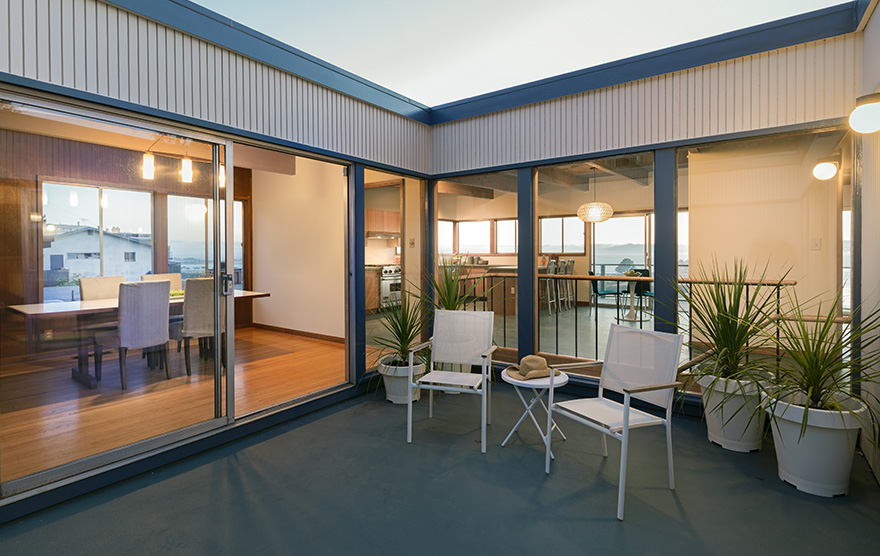
        Clear Glass Solutions: Upgrading Your Space for Style and Functionality

        For ages, clear glass windows and doors have brought wondrous qualities of light and vision into home architecture across countless cultures. Yet clear glass interlayers continue evolving, getting stronger, smarter and more energy-efficient while retaining their crystalline clarity. This article delves into the timeless charm and advanced capabilities of transparent glass panes and panels especially suited to welcoming, bright and temperate contemporary households.   

        The Varieties of Clear Glass 

        There are several varieties of clear glass to suit different needs: 

        1. Float Glass  

        The most common type, float glass, is created by floating molten glass on a bath of molten tin, which yields a pristinely smooth surface ideal for windows and doors. This smooth quality also enables easy cleaning. 

        2. Tinted Glass 

        Tinted clear glass is treated with a subtle colour tint, which cuts glare and blocks UV rays while still allowing light transmission, making it well-suited to sun-facing orientations. The tint lends a soft ambience. 

        3. Laminated Glass  

        Laminated clear glass sandwiches a resilient pvb interlayer between two glass sheets, preventing shattering and enhancing security. Helpful in regions prone to extreme weather and security concerns. 

        The Benefits of Clear Glass  

        When it comes to using clear glass, there are several advantages to consider. For one, it allows for maximum visibility and natural light to flow through a space. Additionally, clear glass can create a sleek and modern aesthetic, which can be especially beneficial for contemporary designs. 

        1. Abundant Natural Light 

        One of the best things about clear glass for home is how well it transmits daylight into a space. Rooms lit with ample natural light feel more uplifting and airier to spend time in. The clean transparency of clear glass allows sunlight to reach into every corner of a room, reducing the need for artificial lamps during daytime hours and saving on electricity usage. Those bright yet gentle rays also make interior decor and furnishings pop with vivid colour.  

        2. Access to Outdoor Views   

        Gazing out through clear barriers reminds inhabitants of the lush landscapes or vibrant soundscapes just steps beyond wall confines while making rooms feel larger. Frame favourite scenery through unobscured glass portals. Given transparent access to the outdoors, inner spaces quickly feel continuous with exterior zones. 

        3. Design Flexibility   

        Clear glass has a clean and basic simplicity that links well with almost any interior design aesthetics you want to create. Whether your tastes run modern or traditional, minimalist or ornately decorative, clear glass windows and doors serve as a neutral backdrop that won’t compete visually with other elements of the room. The transparency of clear glass provides the perfect template for building your unique design vision. 

        4. Energy Savings 

        Thanks to advanced glazing methods and built-in weatherproofing, today’s clear glass delivers fantastic thermal insulation. Multi-paned insulating clear glass units with inert gas fillings and low-emissivity coatings greatly reduce UV light and heat transfer between indoor and outdoor temperatures. This increased energy efficiency means lower utility bills for the homeowner. 

        Inspirational Design Concepts 

        • Floor-to-ceiling clear glass walls lend an airy, spacious sensibility while allowing plentiful sunlight to infuse the home’s depths. Try this in a family room in addition to feeling connected with nature. 
        • Clear glass sliding doors seamlessly unite the patio and living room for free-flowing indoor-outdoor entertaining. Friends will love circulating between the garden seating and the inner alcove. 
        • Strategically placed clear glass skylights or roof windows flood top-floor rooms with radiant natural light you never expected.  

        Conclusion   

        Beyond their concrete functions, such as sun lighting, noise buffers, and thermal insulation, clear float glass doors and windows provide psychological benefits by elevating mood, creating a relaxed sense of security, and enabling a stronger connection to the outdoors. Contact AIS Glass to access specialised products that match unique architectural needs and climate conditions. Investing in quality clear glass delivers tangible home improvements for years to come. 

          Categories

          Understanding the Different Types of Low-E Glass

          With rising energy costs and growing environmental concerns, many households search for ways to save energy. Installing solar control low-emissivity (Low-E) glass windows is one way to address this. By keeping the heat outside in the summer and inside during the winter, these windows improve energy efficiency in your house and save your electricity costs.  

          Improved insulation, enhanced energy efficiency, and lower utility bills are all benefits of Low-E glass windows. Read on to understand what Low-E glass is, explore the different types of Low-E glass available, and learn how they improve energy efficiency, thermal comfort, and sustainability in modern buildings.

          What is Low-E Glass?

          Low-E (Low-Emissivity) glass is manufactured by applying a thin, virtually invisible metallic oxide coating to the glass surface. This special coating reflects thermal radiation, helping reduce heat transfer through the glass and maintain a comfortable indoor temperature throughout the year.

          Windows and doors are among the primary sources of heat gain and heat loss in buildings. In fact, up to 90% of heat loss through windows occurs through the glass itself. Low-E glass significantly minimizes this energy loss, enhancing energy efficiency and improving the performance of passive solar building designs.

          As global temperatures continue to rise, making environmentally conscious choices has become increasingly important. The energy we consume daily has a direct impact on the environment. By incorporating energy-efficient materials into modern architecture, we can reduce energy consumption and contribute to a more sustainable future. Today, different types of Low-E glass are available to address varying climatic and performance requirements, offering a combination of energy efficiency, thermal comfort, and sustainability benefits.

          Different Types of Low-E Glass

          1. Passive Low-E Glass (Hard Coat Low-E Glass)

          Passive Low-E glass is designed to maximize solar heat gain while reducing heat loss from the interior. It allows the sun’s warmth to enter a building and helps retain indoor heat, making it suitable for colder climates where heating requirements are higher.

          Benefits:

          • Improves thermal insulation
          • Reduces heating costs
          • Maximizes natural solar heat gain
          • Suitable for cold regions

          2. Solar Control Low-E Glass (Soft Coat Low-E Glass)

          Solar Control Low-E glass is designed to minimize solar heat gain while allowing natural daylight to enter. Its advanced metallic coating reflects infrared heat, helping maintain comfortable indoor temperatures and reducing reliance on air conditioning.

          Benefits:

          • Reduces solar heat gain
          • Enhances indoor comfort
          • Lowers cooling costs
          • Ideal for warm and tropical climates

          3. Double Silver Low-E Glass

          Double Silver Low-E glass features two layers of silver coating that provide enhanced solar control and thermal insulation. It offers a balance between daylight transmission and energy efficiency.

          Benefits:

          • Better thermal performance
          • Improved energy efficiency
          • Enhanced occupant comfort

          4. Triple Silver Low-E Glass

          Triple Silver Low-E glass incorporates three layers of silver coating for superior solar control and thermal insulation. It is commonly used in high-performance green buildings.

          Benefits:

          • Exceptional energy savings
          • Superior solar heat rejection
          • Higher thermal comfort
          • Supports green building goals

          What is Solar Control Low-E Glass?

          Solar control Low-E glass is a specialized type of low-emissivity glass that features a microscopically thin, transparent metallic coating designed to reduce heat transfer. This advanced coating reflects a significant portion of infrared heat radiation away from the building, helping to minimize heat gain while maintaining indoor comfort.

          Unlike ordinary glass, which readily absorbs and transfers radiant heat, solar control Low-E glass effectively manages solar heat gain, making buildings more energy-efficient. It allows ample natural daylight to enter the space while reducing the amount of heat transmitted through the glass from direct sunlight.

          As a result, solar control Low-E glass windows help keep interiors cooler, reduce reliance on air conditioning, and lower energy consumption. This makes them an ideal choice for homes and commercial buildings seeking a balance between natural light, thermal comfort, and energy efficiency.

          Key Benefits of Solar Low-E Glass 

          The following are some of the key benefits offered by solar control Low-E glass: 

          1. Stopping Glare in its Tracks 

          Well-lit rooms can be comforting, but too much sunlight can lead to skin and vision problems. Solar control Low-E glass is designed to provide the perfect balance between healthy exposure to sunlight and protection from its harmful effects. 

          This type of Low-E glass works by helping reduce infrared heat transfer, resulting in ineffective solar control. It helps maintain a consistent indoor temperature and enhances visual and thermal comfort. When designing sustainable buildings, solar control Low-E glass is an efficient and effective glazing solution. 

          2. Optimising Thermal Performance 

          While outdoor temperatures are beyond our control, the right glazing solution can help maintain a comfortable indoor environment. Solar control Low-E glass helps keep the inside temperature comfortable. This type of glazing is especially useful in regions that experience extreme temperatures.

          Solar Control Low-E glass windows work by keeping excess heat out during hot weather and keeping warmth in during cold weather. This means less need for air conditioning or heating systems. These windows are often used in double glazing (two layers of glass with a gap in between) to provide good insulation and help reduce solar heat gain. 

          3. Saving Money and the Planet 

          For an energy-efficient and eco-friendly glazing solution, solar control Low-E glass is an excellent option. By providing better temperature regulation and insulation, this glass helps reduce energy usage from cooling, heating, and lighting appliances. 

          In doing so, homeowners can reduce electricity bills while also conserving resources and cutting carbon emissions – supporting both cost savings and sustainability goals. And by letting in natural daylight, reliance on artificial lighting also decreases. 

          Conclusion  

          When designing or renovating residential and commercial spaces, it is important to choose a trusted Low-E glass company in India that understands your performance and sustainability requirements. AIS, one of the best Low-E glass manufacturers in the country, offers advanced solar control Low-E glass solutions that deliver superior energy efficiency and thermal comfort. Compared to ordinary glass windows, these innovative glazing products help reduce energy consumption, lower utility bills, and support greener building practices. Contact AIS today to learn how solar control Low-E glass can help create more sustainable and comfortable living and working spaces.

            Categories

            How the AIS Dark Green UV Cut Glass Prepares/Endows Your Car for Indian Conditions

            India is a hot country with temperatures averaging 35 to 37 degrees and even crossing 45 degrees in some areas. It is no wonder then that car owners here desire attributes that ensure lesser heat inside the cabin. Apart from the thermal discomfort accentuated in tropical summers, the sunlight also transmits harmful UV radiation which is detrimental for our skin and the cause behind various skin-related disorders. Moreover, high temperatures also put a strain on the engine and battery and impede optimum functionality of the air conditioner.

            In its penchant to offer better solutions for Indian conditions, AIS has worked extensively to develop a unique offering called Dark Green UV Cut glass. Apart from reducing the thermal load inside the cabin, it also eliminates the UV radiation by more than 80 percent. It perfectly complies with the Indian regulation for light transmission of 50 percent for side lights and provides a life-long solution, unlike sun-control films which have been banned for use in India.
            Here are some product highlights –
            1. The dark green glass combination is enabled to cut more than 82% UV rays entering the car, hence protecting people inside the car from a number of harmful skin diseases and ailments including sunburn, premature ageing of the skin, eye damage and skin cancer.
            2. Unlike the normal green glass, this glass leads to a drop of close to 2 degrees in cabin temperature.
            3. With its ability to curb down the heat accumulating inside the car, this UV protection glass can also reduce the usage of air-conditioning by 10-to-15%. This s decrease the load on the compressor and thereby the engine, which improves fuel efficiency and noticeably lowers your monthly fuel expenses. It helps in decreasing the carbon footprint as there are lesser carbon dioxide emissions.
            4. Prolonged exposure to sunlight can tarnish the car’s upholstery besides other things of necessity in the car. With its ability to check the amount of heat getting into the interior of the vehicle, these glasses are better equipped to protect interiors of the car from repeated exposure to high temperatures.
            Fully compliant with Indian rules regarding car glass, the Dark Green UV Cut glass is yet another product innovation by AIS that perfectly suits Indian climate.

              Categories

              Types of Heat Resistant Glass

              Heat resistant glass can withstand high temperatures without cracking or breaking. Therefore, it is suitable for many applications, from making cookware and ovens to fireplace doors. Depending on the application, different types of heat resistant glass may be used, each with its unique properties and applications.

              Here are some common types of heat resistance glass you should know:

              1. Tempered Glass:

              • It is a type of high temperature glass that has been treated at high temperatures to make it extra strong. This makes it safer and more durable than regular glass, as it can withstand impacts and other physical shocks without breaking. It is also resistant to thermal shock, which means it can handle rapid temperature changes without damage.
              • Tempered glass usually comes in two varieties: annealed and heat-strengthened. Annealed glass can withstand temperatures up to 250°C (482°F), while heat-strengthened glass has a maximum temperature rating of 350°C (662°F), learn more about what is annealed glass here. This makes it suitable for applications such as fireplace doors, stovetop covers, skylights, and windows in areas with extreme weather.
              • They are also scratch-resistant and can be designed to be non-reflective, making them a great choice for outdoor applications. Furthermore, since it is four times stronger than regular glass, this type of heat resistant glass for windows is more resistant to breakage in the event of an accident or impact.

              2. Ceramic Glass:

              • Ceramic glass is made from silica, boron oxide, alumina, and other materials. It is known for its high strength and thermal stability. Ceramic glass can withstand temperatures up to 1000°C (1832°F). This makes it ideal for use in high-temperature environments such as fireplaces, kilns, and furnaces.
              • It is also non-porous, so it will not absorb liquids or odours. This makes it a great material for use in stoves and cookware where liquids are involved. It offers good scratch resistance as well, making it ideal for applications such as countertops and kitchen surfaces that are exposed to wear and tear.
              • It also blocks UV radiation, making it great for laboratory applications where UV radiation needs to be blocked.
              • Ceramic glass is more expensive than tempered or borosilicate glass because of its higher production cost. However, its durability and long lifespan make up for the expense over time.

              3. Soda-Lime Glass:

              • Soda-lime glass is the most common type used in commercial and residential applications. It is made from a combination of sand, soda ash, calcium carbonate, and other materials. Compared to borosilicate and quartz glass, soda-lime glass is not as strong or temperature resistant glass, and it can withstand temperatures up to 350°C (662°F).
              • However, its low production cost makes it ideal for use in windows, lighting fixtures, oven doors, cookware, food storage containers, and even art projects. Its ability to be moulded into different shapes also makes it a great choice for decorative purposes.

              Summary

              Heat proof glass is an essential material for many applications due to its ability to withstand extreme temperatures and impacts. Depending on your needs, you can select the right type, such as tempered, ceramic, quartz, or soda-lime. Each type has unique features and benefits, making it suitable for different purposes. With the right selection, you can be sure that your projects will remain safe and secure.

                Categories

                Your guide to a safer lead-free mirror glass

                Today’s consumers (or customers) are always on the lookout for environment- friendly options in the market. They are aware of the long-term benefits of embracing environment-friendly products vis-à-vis their counterparts. What if you can give back to the environment by selecting a copper-free mirror glass for your brand new home?

                The mirror is one of the essential accessories when you upgrade to your bathroom, wardrobes, or cupboards. When using the mirror, you would always want a distortion-free image. How do you find the perfect environment-friendly mirror for your home? Though there are different types of glasses available in the market, none can beat the offerings of copper-free or lead-free mirrors. Here’s everything you want to know about this lead-free glass alternative.

                What is a lead-free mirror?

                Ordinary mirrors manufactured using copper or lead are non-environment-friendly products and tend to produce distorted images. Copper-free or Lead-free mirrors are the most-modern mirrors that are manufactured without using copper or lead.

                As there is no copper usage in the manufacturing process, copper-free mirror glass is resistant to humidity and corrosion.

                Conventional glass mirror vs Lead-free glass mirror

                Corrosion in conventional mirrors begins typically from the mirror’s edges and spreads inside like an infection. The corrosion factor is more prevalent when glass mirrors are used in bathrooms. On the other hand, lead-free glass mirrors are resistant to corrosion and ageing.

                Environment-friendliness and humidity resistance are the two most important factors for choosing lead-free glass mirrors over other options for glass mirrors. A lead-free glass mirror is more durable than a conventional mirror since its surface is resistant to harsh cleaning products.

                Lead-free glass mirrors from AIS are known to last up to three times longer than conventional mirrors.

                If you are looking to bid farewell to the distorted reflections from ordinary mirrors, you should opt for lead-free glass mirrors. 

                Critical Applications of lead-free glass mirrors

                Lead-free or Copper-free glass mirrors can be used in a wide range of applications. Here are some of the standard applications of these environment-friendly glass mirrors:

                • Showrooms that are looking for a more spacious appearance
                • Display cases
                • Bathrooms
                • Sliding doors for cupboards, wardrobes, etc.

                In a nutshell, bathrooms, homes, offices, retail spaces, restaurants, etc. are ideal places for lead-free mirrors. 

                Why choose lead-free glass mirrors from AIS

                Copper-free mirrors from AIS are crafted to perfection using superior materials and state-of-the-art technology. The mirrors are manufactured using advanced Belgian technology from Glaverbel. Distorted images would be a thing of the passé with AIS mirrors that deliver high optical clarity.

                Mirrors from AIS, equipped with copper-free coatings, make the mirror look new even after years of usage. With improved resistance to harsh cleaning products, lead-free mirrors from AIS last three-times longer than conventional mirrors.

                Mirrors manufactured by AIS adhere to IS 3438, EN 1036, and ASTM C 1503 manufacturing standards. Irrespective of where they need to be installed, you have the option to choose from a wide range of colours – Clear, Bronze, Grey, and Aqua Blue.

                Conclusion

                When you plan to pick up new mirrors for your home or business, you should choose environment-friendly options free from lead and copper. Copper-free mirrors are not only better for the environment but are also corrosion-free and resistant to humidity.

                Unlike conventional mirrors that produce distorted images, lead-free mirrors are best known to deliver crystal clear images. Lead-free glass mirrors from AIS are best-suited for usage in bathrooms, showrooms, display cases, and more.

                  Categories

                  Automotive Glass Guide: Everything You Need to Know About Types & Safety

                  When you’re on the road, you are not alone; thousands commute every single day to various destinations. Traffic woes and safety worries can make one overshadowed by constant anxiety and frustration. At times like these when road accidents have increased significantly, paying attention to safety measures is a big necessity.

                  The automobile industry has been transforming our riding experience with innovative ideas. The use of automotive glass in the manufacturing of windscreens, side windows, and rear car glass has significantly enhanced safety on all parameters. When you buy your vehicle, ensure that it comes equipped with a high quality automotive glass. This guide will help you learn all about automotive glass.

                  What is Automotive Glass?

                  Glass that is used in automobiles can be broadly termed as automotive glass. It is a kind of processed float glass that undergoes heating and chemical treatments. Through this toughening process, the glass becomes sturdier and stronger to handle stress from external factors.

                  Automotive glass can also be processed to include other beneficial properties like protection against harmful infrared rays, prevention of excessive heating in the car, and reduction of noise. All these properties can be incorporated into the glass for optimum comfort while you drive your vehicle. You can learn more about how the right automotive glass improves driving safety and comfort in this detailed guide.

                  Types of Automotive Glass

                  There are primarily two kinds of automotive glass that are used in the automobile sector.

                  Tempered Glass

                  Tempered glass is float glass that is strengthened through a unique toughening process. Float glass is subjected to a heating process, after which it is quenched. The instant cooling of the glass creates compressive stress on its surface and tensile stress within its body. This helps the glass become physically and thermally stronger than normal glass. It is sturdier than glass of the same thickness and highly resistant to tensile stress.

                  Tempered automotive glass is highly effective in reducing impact-related breakage. In case the glass is hit by an external force, safety is not compromised as it shatters into small, blunt pieces. Tempered automotive glass is also durable and helps reduce noise and vibrations inside your vehicle. It also offers clear visibility for a comfortable driving experience.

                  Temperlite-LT from AIS is a type of automotive glass used primarily for side and rear windows. Since it undergoes superior processing, this glass is sturdier and stronger than normal glass. It can also withstand greater temperature differentials for enhanced performance.

                  Laminated Glass

                  Two or more sheets of either annealed or heat-treated glass are bonded with a special PVB interlayer to ensure perfect adhesion between the constituent layers. The interlayer is normally made of PVB (Polyvinyl Butyral), a type of resin that provides strong binding, optical clarity, and toughness.

                  Laminated automotive glass offers enhanced safety upon breakage. When it breaks, the glass pieces remain stuck to the PVB interlayer and do not fall apart. In contrast, normal glass forms large shards that can cause serious injury. The interlayer acts as an additional layer of protection against such risks. Laminated windscreen glass also offers greater impact, stress, and intrusion resistance, making it significantly safer than standard glass. For better security, durability, and optical clarity, laminated automotive glass is the preferred choice.

                  AIS Securityglas™ is a strong laminated safety glass that offers higher strength and impact resistance and provides Level 2 and Level 3 protection against burglary attempts. This safety glass also effectively reduces noise for enhanced acoustic performance.

                  Value Additions for Automotive Glass

                  • Glass Antennae for Rear Windows

                  Glass antennae are far more appealing than metal ones. They send and receive signals through printed conductive patterns embedded in the glass. These antenna printed windscreens are highly durable and maintenance-free additions to your vehicle.

                  • Solar Control

                  Vehicles can become unbearably hot during summer months. High-quality automotive glass helps maintain a cooler interior temperature and reduces the load on the air conditioning system. It also provides protection against harmful UV rays and helps prevent skin irritation. AIS’s UV Cut Glass for sidelites is designed specifically for this purpose.

                  • Acoustic Windshield

                  Your acoustic automotive windshield glass can be engineered to reduce noise and provide a quieter ambience inside the car. With lower noise levels, you experience greater comfort, especially while listening to soft music during driving.

                  In Summation

                  Safety should be your number one priority when buying a vehicle. With increasing traffic on roads, driving conditions are becoming more challenging. Ensure greater security for yourself and your loved ones by investing in high-quality automotive glass designed for comfort and protection.

                  AIS is recognized as one of the top automotive glass manufacturers in India and has been the preferred choice of automotive OEMs for over thirty years. With a 77% share of the market, its products are featured in some of India’s leading vehicles.

                  AIS is a leading integrated glass manufacturer offering a comprehensive range of products and services, manufactured in state-of-the-art facilities. We provide automotive glass for passenger and commercial vehicles, trains, metros, railways, and off-highway applications. You can choose from value-added, high-quality customised solutions tailored to your needs. Look no further than AIS for seamless service and reliable delivery. Contact us today to find out more.

                    Categories

                    Essential Glass Handling Safety Tips for Manufacturers

                    Handling glass can be a dangerous task, especially for manufacturers who handle and deliver large quantities of glass. Whether you’re cutting, drilling, or moving glass, certain safety precautions must be followed. In this article, we’ll provide you with 16 tips for glass handling safety for manufacturers.

                    1. Wear Appropriate Personal Protective Equipment (PPE):

                    Wearing the right PPE is crucial when working with glass. Safety glasses, gloves and steel-toed boots are some of the essential protective equipment you should always have on hand.

                    2. Use Proper Lifting Techniques:

                    When lifting glass, it is essential to use proper lifting techniques to avoid back injuries. Lift with your legs and keep your back straight.

                    3. Keep the Work Area Clean and Organised:

                    A clean and organised work area helps prevent accidents and minimises the risk of damage to the glass.

                    4. Use the Right Tools:

                    Using the right tools for the job can make all the difference. Ensure that you are using the appropriate tools for the specific task at hand.

                    5. Secure the Glass Properly:

                    Before beginning any work, ensure that the glass is securely fastened and will not shift or move during the process.

                    6. Use Caution When Cutting or Drilling:

                    When cutting or drilling glass, proceed with caution and take your time to avoid cracking or shattering the surface. The glass manufacturing process can be challenging, which is why it is essential to remain extra cautious during cutting and drilling.

                    7. Have an Emergency Plan in Place:

                    It is important to have a proper plan in case of emergencies. Ensure all employees are aware of the emergency plan and know what to do in the event of an accident.

                    8. Communicate Effectively:

                    Effective communication is essential when working with glass. Ensure all employees are aligned and understand the task at hand.

                    9. Train Employees on Proper Glass Handling Techniques:

                    Proper training is crucial to ensure employees know how to handle glass safely and avoid injuries.

                    10. Use Caution When Moving Glass:

                    Moving large glass sheets can be dangerous. Ensure you have a clear path and exercise caution while transporting the glass.

                    11. Use Proper Storage Techniques:

                    Proper storage techniques are essential to prevent damage. Store glass in a dry, secure location to minimise the risk of breakage.

                    12. Inspect Equipment Regularly:

                    Regular equipment inspections can help prevent accidents and ensure all tools are in good working condition. Inspecting equipment regularly during the glass manufacturing process is essential to maintain workplace safety.

                    13. Have a First Aid Kit on Hand:

                    In case of an injury, it is essential to have a first aid kit readily available. Ensure all employees know where the first aid kit is located.

                    14. Use Caution When Working at Heights:

                    Working at heights can be dangerous. Exercise caution and ensure that all safety equipment is properly installed and used.

                    15. Take Breaks as Needed:

                    Glass handling can be physically demanding. Encourage employees to take breaks when needed to avoid fatigue and reduce the risk of injury.

                    16. Follow All Safety Guidelines and Regulations:

                    Finally, it is essential to follow all safety guidelines and regulations when working with glass. This includes adhering to OSHA regulations and any company-specific safety protocols.

                    Summary:

                    Handling glass can be dangerous, but following these tips can help prevent accidents and ensure employee safety. By providing proper training, using the right tools and equipment, and adhering to safety guidelines and regulations, manufacturers can help prevent injuries and minimise the risk of glass damage.

                    Many industry leaders, such as AIS, one of the trusted glass suppliers in India, highlight these practices as part of their commitment to quality and safety, emphasising the importance of responsible glass handling throughout the manufacturing process.

                      Categories

                      What is Solar Control Glass? Meaning, Importance & Advantages

                      Owing to rising levels of heat, modern-day architecture is mainly energy-efficiency focused. Though natural light is vital for a comfortable existence, heat and glare are key challenges that need to be controlled. These two are notorious for causing unwanted health issues and rising energy bills.

                      On the other hand, glass still holds a prominent position in the construction industry, but can it address this problem? Well, ordinary glass is not effective at addressing this issue, but innovative glass solutions such as solar glass can deal with this issue with ease.

                      What is Solar Glass?

                      Solar glass or solar control glass is a specially coated glass that is designed to reduce the amount of heat entering the building. This glass reflects and absorbs the sun’s rays and helps control the glare. Solar glass allows significantly less heat to pass through when compared to normal glass, i.e., float glass. By upgrading your regular glass to solar glass, you will be able to keep the interior of your property cooler while also allowing ample natural light into your space. 

                      Importance of Solar Glass for Buildings

                      Solar control glass has many applications in the construction industry. Roofs, windows, skylights, façades – solar glass can be used in several ways in a building. Whether it’s commercial buildings like business centres, shopping malls, or residential properties, solar glass can be used for either of them. It can also be used for both external and internal purposes. 

                      Benefits of Solar Glass for Buildings

                      Given below are some advantages that solar glass offers to buildings –

                      • Energy-Efficient  

                      In a country like India, where generally the temperature during the summer months ranges from 35 to 40 degrees Celsius, the electricity bills increase quite a bit due to air-conditioners. By opting for solar glass, you can reduce the amount of heat entering the interiors. This can improve energy utilisation and decrease the operating cost of cooling systems, thereby reducing your electricity bills. Since solar glass allows natural light while reducing heat and glare, your property’s interior will not only remain cooler during the summer months, but it will also be brighter and airier. This will lessen your need for artificial lighting and further reduce energy bills while making your property an energy-efficient zone.

                      • Sustainable

                      Cutting down on needless CO₂ emissions is the need of the hour, and one effective way to achieve this is by opting for solar glass in homes and commercial establishments. Residential and commercial buildings that consume more energy than necessary for cooling are major contributors to unnecessary carbon emissions.

                      Solar control glass acts as a “green glass” solution, helping enhance sustainability by enabling the creation of energy-efficient and environmentally responsible structures. You can learn more about solar control glass, its meaning, and uses here.

                      Sustainability, energy efficiency, and reduction of carbon footprints lie at the core of solar glass. Incorporating it into building design is an environmentally conscious decision that supports long-term ecological balance.

                      • Comfortable Environment

                      Whether it is your home or office, solar glass helps reduce both heat and glare from entering your property and hence provides a comfortable and pleasant indoor environment.

                      • Privacy

                      If privacy is one of your major concerns, then the exterior of the solar glass can easily be made reflective to enhance its privacy. This is why reflective solar control glass is commonly used as glass facades for corporate offices.

                      • Multi-functional Uses

                      Solar control glass can be easily paired with other types of glass to achieve multi-functional glazing as per your requirements. Whether you want noise reduction, thermal insulation, or the desire to enhance the safety and security quotient, solar glass can easily be combined with additional features. 

                      Importance of Solar Glass for Cars

                      Laminated glass provides incredible strength to your car windshield. But when the special polyvinyl-butyral (PVB) interlayer of laminated glass is teamed up with solar control properties, your car’s windshield can tackle all heat-related issues.

                      Benefits of Solar Glass for Cars

                      Given below are some benefits of using solar glass in cars –

                      • Superior Comfort

                      Finding shade to park your car is not always possible. In such a situation, the accumulated heat inside your car takes a while to dissipate, making the interior highly uncomfortable until then. A solar coated windshield can absorb the sun’s infrared (IR) rays that cause excessive heat, thereby bringing down the interior temperature of your car.

                      • UV Protection

                      The harmful ultraviolet (UV) rays of the sun can cause various problems, such as sunburn, premature ageing of the skin, eye damage, and in some cases, even skin cancer. Solar glass can significantly reduce UV radiation and protect you and your loved ones.

                      • Longer Upholstery Life

                      Prolonged exposure to the harsh glare of the sun can gradually destroy the look of the upholstery. By installing solar glass on your car windshield, you can protect the upholstery from exposure to high temperatures. Moreover, this will also protect the other items that you often keep in your car, such as sunglasses, water bottles, etc.

                      When looking for a solar glass manufacturer in India, look no further than AIS. We are a leading integrated glass manufacturer in the country, offering 360-degree support for our innovative glass solutions.

                      Our premium-quality solar control glass effectively keeps unwanted heat and glare at bay while still allowing ample natural light to enter your space. Available in a variety of shades and sizes, our solar glass delivers an energy-efficient performance and enhanced comfort like no other.

                      Get in touch with us today to explore our advanced solar glass solutions.

                        Categories

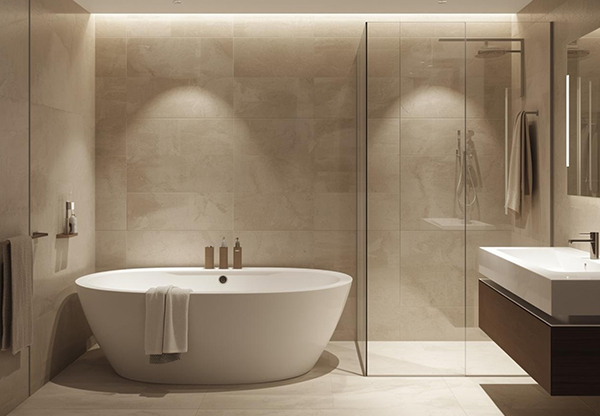
                        3 Best Glass Types for Bathroom Renovation You Should Choose

                        Among all the rooms and spaces in a home, bathrooms often undergo frequent renovations, whether it is changing tiles, or replacing bath fittings. Today, more and more homeowners are trying to build sleek, stylish, and airy bathrooms that become a salient feature of their home. To aid them in this mission, glass as a material, whether in the form of toughened glass, laminated glass or any other glass, is becoming increasingly popular.

                        One might believe that using glass – often associated with transparency – in a bathing area, which is naturally considered a highly private space, is contradictory. However, thanks to advanced processing techniques, the field of glass manufacturing has evolved into highly functional innovations that effectively address concerns such as safety and privacy quite deftly. Learn more about the glass manufacturing process here.

                        Looking for the best glass solutions for your bathroom renovation? Here are three types of glasses you should go for.

                        3 Types of Glasses for Your Bathroom Renovation

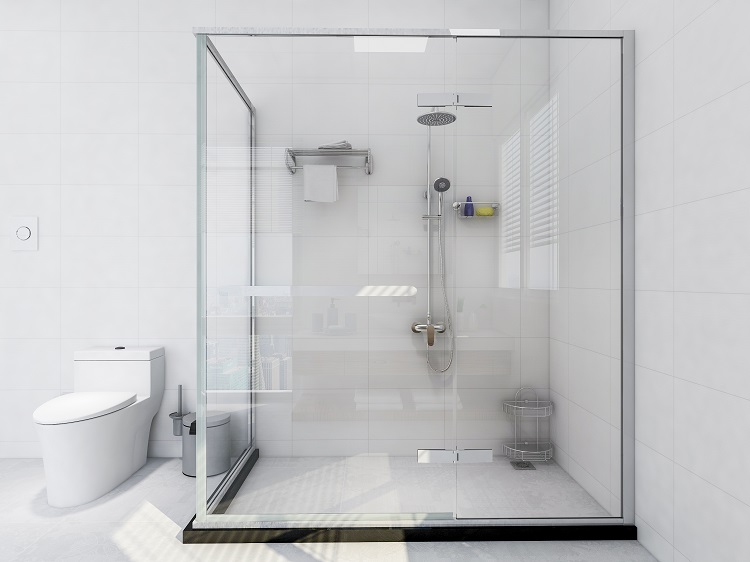
                        1. Tempered Glass for Shower Doors and Partitions

                        One of the primary ways to renovate a bathroom is to separate the bathing area from the rest of the space. This can be achieved through shower cubicles and enclosures that look sleek, modern, and luxurious. They are made of highly impact-resistant toughened glass, especially for doors, to provide adequate safety to occupants. After all, bathroom floors are often wet and slippery, which increases the risk of slipping. To reduce the risk of injury and damage to bathroom fittings, using tempered glass in shower doors, cubicles, and partitions is highly recommended. The installation of tempered glass ensures enhanced durability and safety, making it an excellent choice for modern bathroom renovations.

                        2. Frosted Glass for Windows and Shower Enclosures

                        To enhance privacy inside a bathroom without compromising on aesthetics, you should opt for frosted glass such as AIS Krystal, which limits visibility while still allowing light to pass through. Frosted glass is created through sandblasting or acid etching, resulting in a translucent and hazy surface. This makes frosted glass an ideal material for bathroom windows, partitions, and even shower enclosures.

                        3. Lacquered Glass for Cabinets and Shelves

                        Looking to add some colour to your bathroom glass? If this is your primary requirement, you can introduce vibrant highlights to the space using lacquered glass such as AIS Décor. This type of coloured glass has one surface painted with a premium hue, ensuring a high-quality and long-lasting finish. Using lacquered glass in cabinets, shelves, and other small installations creates a stylish and elegant bathroom aesthetic. Additionally, AIS Décor is moisture- and heat-resistant, making it ideal for the demanding bathroom environment.

                        Conclusion

                        A well-planned bathroom renovation is not just about aesthetics—it is also about choosing materials that offer the right balance of style, safety, privacy, and durability. Glass plays a key role in modern bathroom design, helping create bright, spacious, and elegant interiors while meeting functional needs. If you are wondering which glass is best for bathroom partition, the answer depends on your priorities such as safety, privacy, and design preference.

                        From the strength and safety of tempered glass in shower enclosures, to the privacy offered by frosted glass, and the vibrant appeal of lacquered glass, each option serves a unique purpose in enhancing your bathroom space. By selecting the right type of bathroom glass, you can transform an ordinary bathroom into a modern, comfortable, and visually appealing retreat.

                        For high-quality, durable, and design-focused glass solutions from the best glass manufacturer, AIS offers a wide range of products tailored to meet diverse bathroom renovation needs.

                          Categories

                          5 Benefits of One-Way Glass

                          One-way glass, also known as a two-way mirror or half-silvered mirror, is a specially coated glass that appears reflective on the brighter side while allowing visibility from the darker side. Its performance depends on the lighting conditions on either side of the glass. To understand its working, features and applications in greater detail, learn all you need to know about one-way glass.

                          1. Privacy:

                          One of the most popular applications for one-way glass is privacy. One-way glass can enhance daytime privacy when exterior light levels are higher than interior light levels. For example, one-way glass can be used in observation rooms, meeting spaces and select commercial applications where controlled lighting conditions can be maintained.

                          2. Security:

                          It’s popularly employed in banks, airports, police stations, prisons, government buildings, and other high-security areas to create a barrier between the public and sensitive areas while still allowing security personnel to see what’s going on.

                          For example, one-way glass is often used in jewelry stores and other high-end retail establishments to allow security personnel to monitor transactions when lighting conditions are carefully controlled.

                          3. Energy Efficiency:

                          Reflective glass coatings can help reduce solar heat gain while still allowing daylight into a space. This reduces the need for artificial lighting and heating or cooling systems, resulting in lower utility bills.

                          It’s also beneficial for green buildings. They help reduce solar heat gain and glare without sacrificing natural light. This helps create a more comfortable environment with less reliance on electricity or other forms of energy.

                          4. Architectural Design:

                          They can also be used to add a creative and unique touch to any room. Half-silvered mirrors can be used as part of an interesting architectural feature, such as a partition wall or window, to create visual interest while still allowing light to pass through.

                          Moreover, they are often employed by architects and interior designers to maximize the use of space in homes and businesses. Using one-way glass allows rooms to appear larger than they actually are since it allows for more natural light without reducing privacy.

                          5. Medical Applications:

                          One-way glass has also been used in medical facilities and laboratories for observation purposes. For example, scientists use it to observe experiments without disturbing the environment or affecting results.

                          It’s also beneficial for hospitals and other healthcare centers since it allows doctors or nurses to monitor patients while maintaining their privacy. 

                          Conclusion:

                          In conclusion, one-way glass offers several benefits, including privacy, security and potential energy efficiency advantages, making it suitable for a range of applications. From homes and commercial buildings to entertainment and medical facilities, it provides a practical glazing solution while allowing natural light to enter, depending on the glass specification and lighting conditions.

                          As demand for modern glazing solutions continues to grow, choosing the right one-way glass manufacturer in India can help you explore suitable glass options for your project. With the right specifications and installation, one-way glass can enhance privacy and complement contemporary architectural designs.

                            Categories

                            Ways How Energy-Efficient Doors and Windows Can Save Money

                            A popular building component for decades, modern-day glass solutions do more than adorn a building. Contemporary glass solutions can take care of needs ranging from privacy to energy-efficiency.

                            Efficient use of energy is the need of the hour. And every year, the number of eco-conscious members of a society is seeing a surge. Even glass manufacturers have sensed this need and have come up with innovative energy-efficient solutions in glass since ordinary glass panes are incapable of making a space an energy-efficient zone. Energy-efficient glass is pioneering use of the material, facilitating optimal daylight and glare management and maintaining ideal interior temperatures throughout the year.

                            What is Energy-Efficient Glass?

                            Energy-efficient glass is one of the most popular high-performance glasses available in the market. This type of glass can be easily described as double glazing or triple glazing that is used in modern homes and commercial establishments. Energy-efficient glass is coated with various metal oxides that help in reducing excessive absorption of heat from the sun. This helps in reducing your property’s energy bills and also its carbon footprint. 

                            Given below are two of the most common energy-efficient glass types –

                            Low-E Glass

                            Low-E glass or low-emissivity glass is known for its thermal insulation properties. The low-E glass was developed to reduce the amount of infrared and ultraviolet rays that enter your spaces without compromising on ample natural light. Since it minimises the amount of UV and IR rays entering into your property, it is also able to protect the interiors of your building from the ill-effects of these rays. Low-E energy-efficient glass can thermally insulate your home to provide you with enhanced comfort, no matter what the weather conditions are. Low-E glass does not allow cool air to escape during the summer months and keeps your property’s interiors cool and comfortable. During the winter months, low-E glass prevents heat from escaping through your property’s doors and windows, keeping your interiors warm and cosy.

                            Solar Control Glass

                            Another common type of energy-efficient glass is solar control glass. Solar control glass is a special oxide-coated glass that is designed to reduce the amount of heat and glare entering inside your property. This glass reflects and absorbs the sun’s rays and only allows a small amount of heat to pass. While it controls the sun’s glare and heat, it does not reduce the amount of natural light from getting inside. The usage of solar control glass can reduce the need for artificial lighting inside your property as you get an ample amount of natural light from the glass. Solar control glass also protects the interiors of your property from harmful infrared (IR) rays that can lead to skin cancers and fading of furniture.

                            Benefits of Installing Energy-Efficient Glass

                            Comfortable Interiors throughout the Year

                            Installing energy-efficient glass provides an extra layer of insulation to the interiors of your building and can keep them cool by reflecting the sun’s heat away. During the colder months, energy-efficient glass keeps your property warm by trapping the heat inside. Installation of energy-efficient glass can help you maintain a comfortable temperature while making the interiors of your property an energy-efficient zone.

                            Reduction of Utility Bills

                            Whether you are a homeowner or an owner of a commercial establishment, one of the biggest benefits of installing energy-efficient glass is the reduction in your energy bills. As energy-efficient glass helps in maintaining an ideal temperature inside the building, it lowers the need for artificial heating and cooling systems, thereby helping you reduce your energy bills. As this glass reduces peak heating and cooling loads, you can easily install smaller heating and cooling systems to achieve your agreeable temperature. This will lead to you using less power, thereby reducing your energy costs.

                            Better Soundproofing

                            Sealed double and triple glazing energy-efficient glass can reduce medium to high-frequency noise. This helps in creating a peaceful environment inside your property, whether it is your home or your commercial establishment. 

                            Eco-Conscious Step

                            Energy-efficiency solutions are the need of the hour. Choosing energy-efficient glass for your buildings is a critical part of sustainable design. By using energy-efficient glass, you can achieve sustainable running costs for your commercial establishment or home. Residential and commercial buildings that use more energy than is necessary for heating or cooling purposes are a major source of unnecessary CO2 emissions. By using energy-efficient glass, central heating and cooling can be brought down, and hence, more sustainable structures can be created. Sustainability and ecological footprint reduction lie at the heart of energy-efficient glass and hence its installation in modern construction is an eco-conscious decision.

                            If you are on the lookout for energy-efficient glass solutions for your property, AIS Glass is your best pick. AIS Glass has emerged as India’s largest organised player in the architectural glass processing segment. We manufacture a range of high-grade architectural glass products and are known to provide our customers with 360-degree solutions for all their glass needs. Our high-performance energy-efficient glass range is developed to suit the climatic conditions of India and can very well satisfy all your requirements.

                            So what are you waiting for? Get in touch with us today!

                              Categories

                              Enhance the Look of Your Home with Glass Shower Doors

                              Are you interested in changing the way your bathroom looks? Perhaps, you’re looking to transform the tacky, dingy, and stuffy space to give it a brighter, open, and airy outlook. In that case, you need to consider installing glass shower doors in your bathroom. These shower doors can provide you with that sleek and sophisticated ambience and will most definitely make an impression on your guests.

                              Moreover, glass shower doors are quite the rage in contemporary designs. They are not only perfect for an improvement in aesthetic style but also offer excellent functionality. With glass doors, you can turn your entire bathroom space around to look ultra-modern. And let’s not forget how important it is to have a showering space that suits your sensibilities. Most of us start and end our day with a hot or cold shower. So, even if it means splurging in some vanity, you cannot deny the fact that glass shower doors are a luxury that you can’t miss out on.

                              In this article, we will explore the various ways in which glass shower doors can enhance the look of your home.

                              Rustic or Modern, They’re Highly Flexible

                              Let’s face it – some of us do not want to jump on the wagon of modern aesthetics. If you prefer a rather vintage or rustic vibe for your bathroom interiors, modern fittings just won’t do. However, with glass shower doors, you get an exquisite fusion that will satisfy your interior style while providing you with the benefits of advanced functionality.

                              You can fit glass doors with any sort of interior scheme. That’s the beauty of these doors. You may do a whole 360-degree transformation and go for an ultra-sleek finish. Or, you could bring rustic elements and combine them with contemporary ones. Since the doors are made up of glass, they are suitable for all kinds of lighting solutions. You can play around with that idea and create the vibe you desire. With good-quality glass shower doors, your shower space will certainly be levelled-up.

                              Framed or Frameless: Why It Matters

                              Glass shower doors can either be framed or frameless and depending on the type, they can influence the kind of maintenance they will require. Frameless glass doors are thicker in comparison due to which they are also sturdier. And if you are looking for a more stylish option, frameless glass doors take the win. They are also available in a variety of option to match with your interior design.

                              On the other hand, framed glass doors provide better stability because of the metal frame surrounding the glass. These doors are built watertight so they are less likely to leak. In case of a shower spray, the water remains inside the glass doors. Framed glass doors are also easy to install irrespective of the shower material. Keeping these differences in mind, you can choose glass shower doors that suffice your design and maintenance needs.

                              Designs that will Floor You (No Pun Intended)!

                              Having the option of a wide variety of designs is always a plus point. And glass shower doors are highly versatile and equitable choices that come in various designs. This means you get to have more freedom with the design element. You can choose the right door type with a type of glass that compliments it the best. This will help you create the ultimate interior look with a dash of personal touch.

                              You may opt for by-pass doors, which are sliding doors that are good for stand-alone or tub/shower configurations. Another good option is steam doors that are built air-tight to double up as a steam room. They will add much value to your amenity. For a smaller bathroom, neo-angle doors can be a good choice as they can be built into a corner. Because of this, they open out into the room cutting across a 90-degree angle and save space. Multiple types of glass shower doors can fit your aesthetic style. The choice, however, is all yours.

                              Expansive Room and Brighter Lighting

                              Bathrooms tend to be one of the smaller spaces in your home. Because of this, they can suffer from poor lighting or improper ventilation. Despite such problems, merely installing glass shower doors can help a great deal. The transparent nature of glass allows natural light to flood in to create a cosy ambience.

                              Not only are they perfect for improving lighting conditions, but these glass doors will also provide an enlargement of visual space. With glass shower doors, there will be lesser number of opaque surfaces inside the bathroom and you will be able to experience a sense of expansiveness. With better lighting and visual abundance, these glass doors are the ideal additions to your bathrooms.

                              AIS is known for our expertise in glass solutions. We offer end-to-end solutions in a variety of customisable options to befit the demands of your interior design. With the advanced technology of innovative glass solutions, AIS Glass offers high-end quality in all aspects of design.

                              Need to remodel your bathroom interiors? We can help. Get in touch with us today and avail top materials for creating the interiors of your dreams!

                                Categories

                                AIS Swytchglas: An intelligent privacy solution

                                The consumers of urban India today are a whole lot different from those over a decade ago. Smart, well informed, and with a new-age outlook, they demand a contemporary lifestyle that’s in tune with global tastes and trends – one that their predecessors only dreamt of.
                                The desire for a well-designed home, office or commercial space is a reflection of this transformation.
                                And glass has emerged as one of the favoured materials in architecture and interior design, which can fulfill these aspirations beautifully.
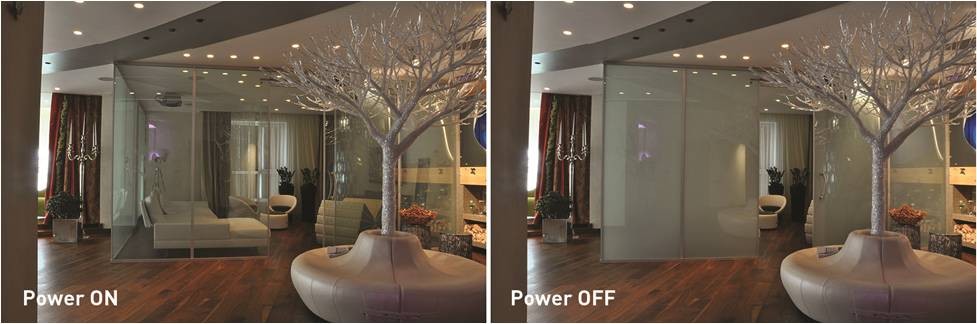
                                AIS Swytchglas is revolutionary smart glass which gives flexibility to switch at click of button.  It offers the cutting edge glass technology that combines the power to control both transparency as privacy as per your convenience.
                                With AIS Swytchglas, you can turn transparent glass to opaque glass to block visibility, at the switch of a button. This presents a view into a whole new world of opportunities with the smartglass.
                                Whether it is your home or a commercial space it is ideal solution for a wide variety of applications. AIS Swytchglas can help you strike the perfect balance between style and necessity. This presents a view into a whole new world of opportunities with smart glass in India.

                                How it works?
                                The principle behind Swytchglas is the Suspended Particle technology that is very similar to the concept of artificial magnets.
                                There is a smart film between the two Special Polymer films. The Smart Film is a suspension of liquid crystals in a polymer base that can be controlled using an electric charge. Under normal conditions the liquid crystals are randomly distributed and when light hits the glass, it is scattered by the liquid crystals. When an electric current is passed through the glass pane, the liquid crystals align themselves into straight lines allowing all the light to pass through without scattering.

                                Swytchglas for homes:
                                Expand horizons within the home with Swytchglas – the smartglass that offers the sophistication with comfort and privacy.

                                • Windows and Skylights: When you choose Swytchglas windows you have the flexibility of doing away with curtains and other obstructions to your view and also the comfort of blocking heat and the glare when you need to, saving air conditioning costs during summer.
                                • Walls and Partitions: You can turn OFF for complete privacy and ON when you need visibility. AIS’ smart glass solutions are best for houses where transparent or translucent glass walls lend the décor a rich and suave feel.

                                Swytchglas for Commercial Spaces:

                                • Conference Rooms:Making an impression on your customers or even your own team was never as easy. You can switch from transparent to opaque/translucent at the flick of a switch.

                                Façade Glass and Windows: Air conditioning and lighting are amongst the biggestcost factors of maintaining commercial spaces.With AIS Swytchglas, you can control the amount of heat and light that is let in.

                                • Hospitals, Salons and Spas: Selective privacy areas are crucial in many spaces. Blinds are cumbersome to use and curtains are not elegant. Swytchglas panels replace blinds and curtains quite elegantly and efficiently, letting you choose from transparent to opaque with the flick of a switch.
                                • Hospitality: Swytchglas is also suited to the hospitality domain right from restaurants to pubs, bars and clubs, business centres and conference facilities alike. It can serve as a suave and high-tech replacement to traditional curtains, blinds and opaque walls.

                                Glass has clearly come a long way and AIS Swytchglas is a testament to its progress and indispensability.

                                  Categories

                                  Back Painted Glass Guide: Meaning, Uses & Benefits

                                  When you are designing the interior of your house, there are quite a few things that your interior designer will take into consideration to make your home look elegant and beautiful. Your interior design may suggest opting for a lacquered glass kitchen which has somewhat become a popular choice among interior designers. Using lacquered glass or back-painted glass is a one-of-a-kind trend that is becoming more and more popular and is considered as a unique decor option by many interior designers.

                                  If you are also planning to incorporate back-painted glass in your home and kitchen decor, then this article might help you to understand more about this glass and its uses.

                                  What is Back Painted Glass?

                                  As the name suggests, back-painted glass is a glass that is painted on the back or one side. It is ultra-clear and the paint on the back side makes the front of the glass look sleek. The glass comes with a solid hue on the backside and has a glossy finish that suits the modern decor of your house.

                                  During installation, the unpainted or front side of the glass is always placed facing outward in order to incorporate the chosen paint colour and the sheen and clarity of the glass. When designing back-painted glass, low-iron glass is used so that the shade of the paint will come through nicely without any distortion or discolouration.

                                  Back-painted glass can be manufactured from annealed or tempered glass, which is available in different sizes and thicknesses. Back-painted glass can be adhered to many horizontal or vertical surfaces in your home or office settings. Using this glass for decor will give your home or office a chic and contemporary look and will make the interiors stand out.

                                  How Is Back Painted Glass Made?

                                  Back-painted glass is basically made by applying paint to one side of the glass by using careful techniques and special paint. It takes some skilled craftsmanship to manufacture a good back-painted glass which can be then used in your home or office decor. Through this skilled craftsmanship you can get the desired design and functionality in the back-painted glass. There is a five step process that goes into manufacturing a back-painted glass. We will go through this process step by step.

                                  • Step 1: A low-iron glass is selected and thoroughly cleaned to ensure that the surface is free from any foreign particles or debris.
                                  • Step 2: One side of the glass, or the back surface, is painted.
                                  • Step 3: Once the glass is painted, it is placed in an oven to allow the heat to cure the paint. When removed from the oven, the paint should be hard enough to resist peeling and flexible enough to prevent chipping. Therefore, it is important to remove the glass from the oven at the right time.
                                  • Step 4: To ensure colour protection, the glass is then coated with a protective layer over the paint.
                                  • Step 5: Finally, the glass undergoes another heat treatment to ensure that all three layers are properly bonded together, preventing the outgassing of VOCs in the future.

                                  If you are wondering about making back-painted glass yourself then you should keep in mind that to create an efficient and functional back-painted glass you will need all the necessary tools that go into the manufacturing process. It also needs a great level of skill which can only be seen in glass professionals. So it is safe to say that back-painted glass might not be the best DIY project and you should consider getting it done by a professional.

                                  Uses Of Back-Painted Glass

                                  Back-painted glass is popularly used in kitchens, bathrooms, commercial spaces, and many other settings. Over the years, it has become a preferred choice for designing homes and offices. The elegant and efficient design of this glass makes it an attractive option that can give your home or office space a modern and sophisticated look.

                                  Below are some of the common applications of back-painted glass:

                                  • Back-Painted Glass in the Kitchen

                                  Using back-painted glass in the kitchen not only enhances its visual appeal but also improves functionality. Since the glass is resistant to stains caused by spills and splatters, cleaning becomes much easier. This glass can be used for kitchen island tops, modern bar tops, custom glass tops, backsplashes, and more.

                                  • Back-Painted Glass in the Bathroom

                                  In bathrooms, back-painted glass is commonly used for shower walls and bathroom wall panels. Incorporating back-painted glass into your bathroom can enhance its overall ambience and give it a sleek, modern look.

                                  • Back-Painted Glass in Commercial Buildings

                                  In commercial buildings and offices, back-painted glass can be used for tabletops, glass wall panels, room dividers, and more. It can also be used to create stylish whiteboards for meeting rooms. This helps elevate the overall appearance of office interiors and adds a touch of elegance.

                                  Advantages Of Back Painted Glass

                                  Along with enhancing the look of your interiors and elevating the ambience of your home or office, back-painted glass offers several other benefits and advantages. Some of these are as follows:

                                  • Available in Various Colours

                                  Back-painted glass is available in a wide range of colours, allowing you to choose shades that best complement your interiors. You can easily customise back-painted glass in the colour of your choice to suit your design preferences.

                                  • Hygienic and Moisture-Resistant

                                  Back-painted glass panels do not easily absorb moisture or harbour bacteria, making them a highly hygienic option compared to many other materials.

                                  • Strong and Durable

                                  The manufacturing process of back-painted glass enhances its strength and flexibility. Its beauty and durability are retained even after years of use, making it a long-lasting solution for interiors.

                                  • Enhanced Colour Clarity

                                  Since low-iron glass is used in the manufacturing process, your chosen colour appears vibrant and true to shade after installation, without distortion or discolouration.

                                  • Customisable to Your Needs

                                  Back-painted glass can be custom-made to suit your specific requirements. The thickness, size, and colour can all be tailored according to your preferences.

                                  How To Clean Back Painted Glass?

                                  Cleaning back-painted glass is fairly easy. All you need is a damp cloth to wipe the surface clean. Regular cleaning is recommended, while avoiding abrasive materials that could damage the glass.

                                  Avoid using rough brushes, scrub pads, or harsh cleaning agents, as these may scratch the glass surface. Instead, a standard glass cleaner used with a soft cloth, sponge, or paper towel will help maintain its shine and finish.

                                  By going through the points above, you should now have a better understanding of how the best back painted glass in India can be used to its full potential and incorporated into your home décor to create an elegant and modern look.

                                  Whether you are choosing back-painted glass for your kitchen, bathroom, or office interiors, selecting high-quality solutions can significantly enhance the overall aesthetics and functionality of your space. You can refer to this simplified guide before choosing back-painted glass or opting for a lacquered glass kitchen, helping you better understand your interior designer’s recommendations.

                                  Looking for the best back painted glass in India? Get in touch with AIS to explore premium-quality, stylish, and durable glass solutions tailored to your needs.

                                    Categories

                                    8 Different Types of Window Glass for Your Home

                                    When you are designing the interiors of your house, windows play a significant role in enhancing the overall appearance. Window glass design is one of the important factors to focus on while designing your home. There are several types of window glasses available for residential use, However, having many options can make it difficult to choose the right glass. In this article, we are going to go through some of the commonly preferred window glass types for Indian homes.

                                    Listed below are various types of glasses:

                                    1. Toughened Glass

                                    Tempered glass, popularly known as toughened glass, is an impact-resistant glass that can withstand high impact and does not break easily. However, when this type of glass breaks, it usually breaks into tiny pieces, which have a low risk of causing injury. This makes the glass much safer than normal annealed glass, learn more about what is annealed glass here. So, as far as safety is concerned, tempered glass is a great choice for your home windows.

                                    2. Clear Float Glass

                                    clear class

                                    Float glass is also widely used for windows in Indian homes, given its superior light transmission and optical clarity. This is a fundamental glass type that is used for windows in domestic housing. Clear float glass can be further processed into laminated, insulated, Low-E, reflective, or coated glass. Clear float glass is also widely used as a base material in automobiles, tabletops, mirrors, and windows.

                                    3. Insulated Glass

                                    These types of glasses for windows are most commonly used in homes in cold regions where heat retention inside the house is important. Insulated glass has two or more tightly bound panes that provide excellent energy efficiency and help to keep the house warmer during winter and cooler during summer. The glass also has sound insulation, so that the peace and serenity of your home are maintained.

                                    4. Tinted Glass

                                    tintend class

                                    Tinted glass helps to keep direct sunlight out and reduces the brightness of light. This kind of glass is suitable for homes in places with tropical climates. You can get tinted glass in different colours that you can choose to best suit your interior. Such window glass is, however, not suitable for places where you need more light to come in.

                                    5. Laminated Glass

                                    Laminated glass is another good option for windows. It offers enhanced safety and UV resistance. Laminated glass can be used for different applications, like bullet-resistant glass, car windshields, and security glass for homes. This helps to provide safety to your home and prevent burglars from entering it.

                                    6. Reflective Glass

                                    reflective class

                                    With a mirror-like reflective coating, reflective glass reflects heat. The glass prevents solar heat gain from outdoors. Although reflective glass can be used for residential windows, it is more widely used for exteriors.

                                    7. Textured Glass

                                    Textured glass is designed by embossing patterns or decorative designs on molten glass. It has a translucent surface, which gives you complete privacy. This type of glass is usually used in bathroom windows. The glass allows natural light while maintaining privacy.

                                    8. Low-E glass

                                    Low-E (Low-emissivity glass) is designed to block harmful UV rays that cause skin damage. By doing so, this glass provides complete safety and comfort. Using such glass for your home windows will also protect your furniture and cloth fabrics from fading away.

                                    Conclusion

                                    All the above types of glass for windows are typically used in Indian homes. Types of window glass for home solely depends on your requirements. Depending on the price, safety nature, and other factors like heat protection, your choice of glass for windows can differ. It is necessary to take your specific needs and requirements into consideration while choosing the right window glass type for your home.

                                      Categories

                                      Benefits of Fire Resistant Glass

                                      Balancing critical safety upgrades compromising on design aesthetics or structural stability remains pivotal in effectively engineering new-age fire-resilient edifices. Fire resistant glass constitutes a multifunctional material that reconciles durability, strength, and elegance across facets, uplifting constructed atmospherics.  

                                      Here, we will learn the benefits of fire resistant glass, spanning from active flame retardancy and smoke permeability minimisation capabilities alongside passive illumination translucency retention offered by the fire-resistant glass. 

                                      1. Enhanced Fire Resistance 

                                      AIS Pyrobel can be produced to meet all fire resistance classes, offering protection ranging from 20 to 120 minutes for integrity (EW) and from 15 to 60 minutes for integrity and insulation (EI). This range allows designers to choose the appropriate fire resistance level for different building parts.  

                                      2. Tested and Approved for Multiple Frameworks 

                                      This glass has been thoroughly tested and approved for timber, steel, and aluminium framing systems. It’s also been extensively trialled in doors and partitions, ensuring its versatility in various structural contexts. 

                                      3. Compliance with Safety Standards 

                                      AIS Pyrobel adheres to EN 12600, a European standard for glass in buildings, indicating its ability to withstand impacts without compromising on safety. This classification ensures that it meets rigorous safety requirements. 

                                      4. Thermal and Solar Insulation Compatibility 

                                      Fire resistance glass can be used with AIS thermal insulation and solar protection coatings, providing a multifunctional approach to building safety and energy efficiency. 

                                      5. Bi-Directional Fire Resistance 

                                      The glass offers bi-directional fire resistance, ensuring protection from both sides, which is critical in preventing the spread of fire and smoke. 

                                      6. Durability Against Elements

                                      AIS Pyrobel is UV, water, and impact-resistant, increasing its longevity and reducing maintenance needs. It’s also available in large formats (up to 4.5 meters high), allowing for grand design without compromising safety. 

                                      7. Wide Temperature Range Tolerance 

                                      This glass is suitable for use in a range of temperatures, from -10°C to +50°C, making it versatile for different climatic conditions. 

                                      8. Quality Assurance 

                                      Despite the controlled quality and performance of AIS Pyrobel, the production process allows for minor imperfections, such as inclusions or bubbles, which do not affect the overall performance. These are not considered defects if they do not affect more than 5% of the glass, ensuring clarity and integrity. 

                                      Conclusion 

                                      The AIS Pyrobel range offers uncompromising quality and compliance with safety regulations, ensuring that buildings are safer in the event of a fire and maintain their aesthetic and functional integrity. For more information, contact AIS Glass to discuss the specific benefits and applications of AIS Pyrobel fire-resistant glass in building design.

                                        Categories

                                        All You Need to Know About Car Windscreens and its Solutions

                                        As the protective barrier between a vehicle’s cabin and the outside world, windscreens , often known as windshields play a crucial yet often overlooked role in driver safety and experience. Here, we will explore windscreen functionality, potential problems like chips and leaks, maintenance tips to prolong windscreen life, repair solutions for damage, and factors to consider when choosing new windscreen glass and service providers.  

                                        What is a Car Windscreen? 

                                        The windscreen provides a clear line of sight for the driver to see the road ahead and spot potential hazards. It also acts as a structural component, helping to support the vehicle roof during a rollover accident. Additionally, the smoothly contoured windscreen assists with passing airflow over and around the vehicle to reduce drag and turbulence. 

                                        Types of Car Windscreens 

                                        The two main types of auto glass are laminated and tempered. Laminated glass consists of two sheets of glass bonded together by a thin plastic interlayer, typically made of vinyl. The vinyl holds the layers of glass together even when broken, helping prevent shards from spraying occupants. Tempered glass does not have an interlayer.  

                                        Instead, it is heat-treated to increase strength and cause it to crumble into small rounded pieces rather than large sharp shards if it breaks. While laminated glass is required by regulations to be used for windscreens in most areas, tempered glass may still be found in some side and rear windows. 

                                        Common Windscreen Problems 

                                        Over their lifespan, windscreens may develop minor damage or more significant issues necessitating repair or replacement: 

                                        1. Chips and Cracks:

                                        Small surface chips or cracks can appear due to impact from flying road debris. If left untreated, they may spread across the windscreen over time or lead to larger cracks. 

                                        2. Pitting:

                                        Constant exposure to road debris and weather can cause pitting – small dings or cavities worn into the surface of the windscreen glass. These do not affect visibility at first but grow over time, increasingly scattering light and impairing driver vision.   

                                        3. Water Leakage:

                                        The rubber seals surrounding a windscreen may wear out or become misaligned, allowing water to drip inside the vehicle during rain or when going through a car wash. Water leakage can lead to electrical issues and corrosion within the dashboard and interior. 

                                        4. Delamination:

                                        Over many years of heat/cold cycles and exposure to the sun’s UV rays, the vinyl interlayer holding together a laminated glass windscreen can begin to separate or delaminate. This significantly weakens the windscreen structure. 

                                        Maintenance Tips for Windscreens 

                                        While windscreen damage is often unavoidable, drivers can take measures to help prolong their windscreen’s lifespan: 

                                        • Park in shaded areas when possible  
                                        • Have small chips repaired as soon as feasible with resin injection 
                                        • Inspect windscreen seals regularly and reseat/replace them if letting water or air inside 
                                        • Consider applying a high-quality glass sealant that repels water and contains UV blockers 

                                        Windscreen Repair Solutions   

                                        Windscreen repair provides a cost-effective alternative to full replacement for minor chips and cracks up to several inches long. Trained auto glass technicians use specialised injection resin and equipment to fill damaged areas, preventing the further spread of cracks. The repairs restore integrity, strength, and visibility to the windscreen. 

                                        More extensive damage necessitating replacement calls for a high-quality replacement windscreen properly bonded into place around the entirety of the window frame. Reliable auto glass providers like AIS Glass offer OEM and aftermarket laminated and tempered replacement glass windscreens for nearly all makes and models. Value-added options such as tint bands that block UV rays and water-repelling rain guards are also available.  

                                        When faced with windscreen damage, partnering with experienced service centres helps ensure any repairs meet strict safety standards. They can access factory glass manufactured to precise curvatures and thicknesses for proper fit and function. 

                                        How to Choose the Right Glass and Service Provider 

                                        With something as important as driver visibility and occupant protection involved, it pays to select replacement windscreens from reputable manufacturers and work with established local auto glass shops. Key factors to consider include: 

                                        a. Certified Technicians –

                                        Confirm technicians undergo regular training in the latest industry procedures and standards to remove old windscreens and keep new units in place properly.  

                                        b. Warranties-

                                        Quality windscreen replacements should come with at least 1-year workmanship/installation warranties. The glass itself may also carry extended warranties against defects.   

                                        c. Positive Reviews –

                                        Check what current customers say about the clarity, fit, timely delivery, and overall service levels of different auto glass replacement providers under consideration. 

                                        Conclusion 

                                        As one of the most pivotal yet vulnerable exterior components on vehicles, windscreens deserve close attention when problems develop. Understanding common issues, preventative care, repair options, and factors guiding windscreen choice allows drivers to quickly address any visibility or leakage concerns. Partnering with reliable glass and service providers ensures any fixes uphold the highest safety and performance standards.

                                          We use cookies to help you get the best possible experience of our site. By clicking 'Accept' you agree to our use of cookies.