
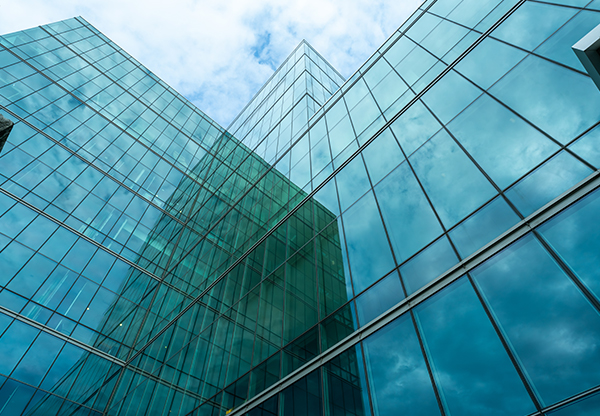
With rising energy costs and growing environmental concerns, many households search for ways to save energy. Installing solar control low-emissivity (Low-E) glass windows is one way to address this. By keeping the heat outside in the summer and inside during the winter, these windows improve energy efficiency in your house and save your electricity costs.
Improved insulation, enhanced energy efficiency, and lower utility bills are all benefits of Low-E glass windows. Read on to understand what Low-E glass is, explore the different types of Low-E glass available, and learn how they improve energy efficiency, thermal comfort, and sustainability in modern buildings.
What is Low-E Glass?
Low-E (Low-Emissivity) glass is manufactured by applying a thin, virtually invisible metallic oxide coating to the glass surface. This special coating reflects thermal radiation, helping reduce heat transfer through the glass and maintain a comfortable indoor temperature throughout the year.
Windows and doors are among the primary sources of heat gain and heat loss in buildings. In fact, up to 90% of heat loss through windows occurs through the glass itself. Low-E glass significantly minimizes this energy loss, enhancing energy efficiency and improving the performance of passive solar building designs.
As global temperatures continue to rise, making environmentally conscious choices has become increasingly important. The energy we consume daily has a direct impact on the environment. By incorporating energy-efficient materials into modern architecture, we can reduce energy consumption and contribute to a more sustainable future. Today, different types of Low-E glass are available to address varying climatic and performance requirements, offering a combination of energy efficiency, thermal comfort, and sustainability benefits.
Different Types of Low-E Glass
1. Passive Low-E Glass (Hard Coat Low-E Glass)
Passive Low-E glass is designed to maximize solar heat gain while reducing heat loss from the interior. It allows the sun’s warmth to enter a building and helps retain indoor heat, making it suitable for colder climates where heating requirements are higher.
Benefits:
- Improves thermal insulation
- Reduces heating costs
- Maximizes natural solar heat gain
- Suitable for cold regions
2. Solar Control Low-E Glass (Soft Coat Low-E Glass)
Solar Control Low-E glass is designed to minimize solar heat gain while allowing natural daylight to enter. Its advanced metallic coating reflects infrared heat, helping maintain comfortable indoor temperatures and reducing reliance on air conditioning.
Benefits:
- Reduces solar heat gain
- Enhances indoor comfort
- Lowers cooling costs
- Ideal for warm and tropical climates
3. Double Silver Low-E Glass
Double Silver Low-E glass features two layers of silver coating that provide enhanced solar control and thermal insulation. It offers a balance between daylight transmission and energy efficiency.
Benefits:
- Better thermal performance
- Improved energy efficiency
- Enhanced occupant comfort
4. Triple Silver Low-E Glass
Triple Silver Low-E glass incorporates three layers of silver coating for superior solar control and thermal insulation. It is commonly used in high-performance green buildings.
Benefits:
- Exceptional energy savings
- Superior solar heat rejection
- Higher thermal comfort
- Supports green building goals
What is Solar Control Low-E Glass?
Solar control Low-E glass is a specialized type of low-emissivity glass that features a microscopically thin, transparent metallic coating designed to reduce heat transfer. This advanced coating reflects a significant portion of infrared heat radiation away from the building, helping to minimize heat gain while maintaining indoor comfort.
Unlike ordinary glass, which readily absorbs and transfers radiant heat, solar control Low-E glass effectively manages solar heat gain, making buildings more energy-efficient. It allows ample natural daylight to enter the space while reducing the amount of heat transmitted through the glass from direct sunlight.
As a result, solar control Low-E glass windows help keep interiors cooler, reduce reliance on air conditioning, and lower energy consumption. This makes them an ideal choice for homes and commercial buildings seeking a balance between natural light, thermal comfort, and energy efficiency.
Key Benefits of Solar Low-E Glass
The following are some of the key benefits offered by solar control Low-E glass:
1. Stopping Glare in its Tracks
Well-lit rooms can be comforting, but too much sunlight can lead to skin and vision problems. Solar control Low-E glass is designed to provide the perfect balance between healthy exposure to sunlight and protection from its harmful effects.
This type of Low-E glass works by helping reduce infrared heat transfer, resulting in ineffective solar control. It helps maintain a consistent indoor temperature and enhances visual and thermal comfort. When designing sustainable buildings, solar control Low-E glass is an efficient and effective glazing solution.
2. Optimising Thermal Performance
While outdoor temperatures are beyond our control, the right glazing solution can help maintain a comfortable indoor environment. Solar control Low-E glass helps keep the inside temperature comfortable. This type of glazing is especially useful in regions that experience extreme temperatures.
Solar Control Low-E glass windows work by keeping excess heat out during hot weather and keeping warmth in during cold weather. This means less need for air conditioning or heating systems. These windows are often used in double glazing (two layers of glass with a gap in between) to provide good insulation and help reduce solar heat gain.
3. Saving Money and the Planet
For an energy-efficient and eco-friendly glazing solution, solar control Low-E glass is an excellent option. By providing better temperature regulation and insulation, this glass helps reduce energy usage from cooling, heating, and lighting appliances.
In doing so, homeowners can reduce electricity bills while also conserving resources and cutting carbon emissions – supporting both cost savings and sustainability goals. And by letting in natural daylight, reliance on artificial lighting also decreases.
Conclusion
When designing or renovating residential and commercial spaces, it is important to choose a trusted Low-E glass company in India that understands your performance and sustainability requirements. AIS, one of the best Low-E glass manufacturers in the country, offers advanced solar control Low-E glass solutions that deliver superior energy efficiency and thermal comfort. Compared to ordinary glass windows, these innovative glazing products help reduce energy consumption, lower utility bills, and support greener building practices. Contact AIS today to learn how solar control Low-E glass can help create more sustainable and comfortable living and working spaces.