
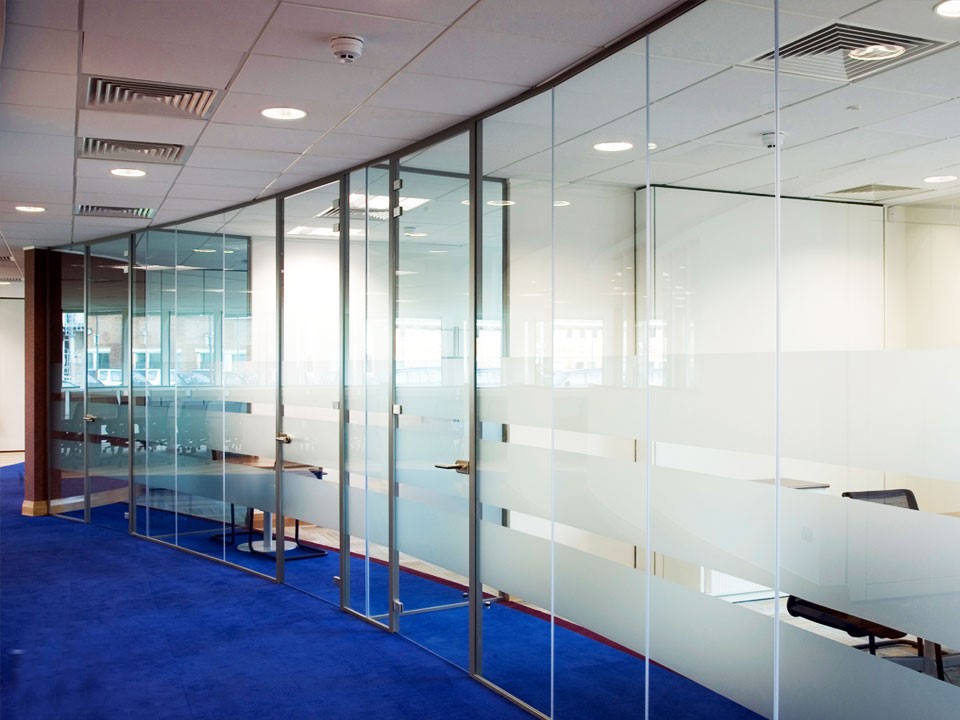
At a glance, bullet-resistant glass may appear no different from regular clear glass. However, it is engineered to provide high levels of protection in high-risk environments. Made with multiple layers and advanced materials, this specialised laminated glass is designed to resist bullet impact and offer security and clarity.
At AIS, we understand safety and aesthetics go hand-in-hand. With our bullet-resistant glass, we offer a solution that delivers high security while seamlessly blending into your space.
What is Bullet Resistant Glass?
Bullet-resistant glass is a specialised type of laminated safety glass designed to withstand and slow down the impact of bullets. Unlike ordinary glass, it is made by bonding multiple layers of glass with durable interlayers such as polyvinyl butyral (PVB) or polycarbonate.
This multi-layered construction helps absorb and disperse the energy of a bullet, reducing its force and preventing it from penetrating the glass. While no glass is completely bulletproof, bullet-resistant glass is engineered to provide varying levels of protection depending on its thickness, composition, and ballistic rating.
How Is Bulletproof Glass Made? Key Materials Used in Its Manufacturing
Bullet-resistant glass is manufactured using multiple layers of glass and specialised interlayer materials that work together to absorb and disperse ballistic impact. To understand what bulletproof glass is made of, it is important to look at the materials that provide its strength, durability, and ballistic resistance. Common materials used in the production of bullet-resistant glass include:
- Laminated glass
- Polycarbonate
- Polyvinyl Butyral (PVB)
- Acrylic
- Polyurethane
- Glass-Clad Polycarbonate (GCP)
Polycarbonate and acrylic are among the most commonly used materials in ballistic glazing systems due to their high impact resistance and durability. When combined in multiple layers, these materials help create a strong protective barrier capable of resisting bullet penetration while maintaining optical clarity.
How Does Bulletproof Glass Work?
The workings of bullet-resistant glass are fascinating. If you have ever wondered how bulletproof glass works, the answer lies in its multi-layered construction, where each layer helps absorb and disperse the bullet’s energy to prevent it from passing through the glass.
As mentioned, AIS Bullet Resistant Glass is made from a combination of glass and PVB interlayers. To understand the science behind it, let us understand how it works using an example:
- For example, when a handgun bullet strikes bullet-resistant glass, the bullet first impacts the outer glass layer, which may crack or fracture while absorbing part of the energy, before reaching the inner layers.
- These polymer layers, made from multiple other components, change shape, absorb the energy from the bullet and redistribute it over a large area, reducing its impact.
- This reduces the bullet’s speed, which then stops in the layers before exiting the glass material and hitting the object / person beyond the glass. Thus, the interlayers and thickness of the glass are important to stop bullets fired from different types of firearms.
There are several international standards to determine performance and bullet-resistance abilities. AIS products conform to European Norm EN 1063, set by the European Committee for Standardisation.
Based on European standards, the glasses are divided into classes ranging from BR1 to BR7, which tells us the type of ammunition the glass can handle.
Applications / Uses of Bullet Resistant Glass
Ballistic or bullet-resistant glass is a product made for specialised applications. This glass is made to ensure high-priority safety and defence. Common applications of bullet-resistant glass include:
- High-security buildings like government institutions, embassies, and military offices.
- Financial institutions such as banks or cash-handling areas use bullet-resistant glass for enhanced security.
- The windows of armoured or military vehicles typically use automotive bullet-resistant glass. It is also used in vehicles for cash transportation, VIP movement, and other high-security applications.
- Retail stores that deal with valuables like jewellery or high-end products can also leverage this glass for safety.
Conclusion
Bullet-resistant glass is a critical component in enhancing security in high-risk environments. Its strength and durability provide an added layer of safety, ensuring the protection of individuals and assets from potential harm.
If you are looking for ballistic glass solutions, AIS is recognised as one of the best bullet resistant glass manufacturers in India, offering advanced security glazing solutions for a wide range of high-security applications. We ensure proper standardisation, precise engineering, and high-grade protection. Contact us today to learn more about our diverse product range and put your safety first.