
Categories

What Is Flat Glass? 5 Things You Should Know About Its Uses and Benefits

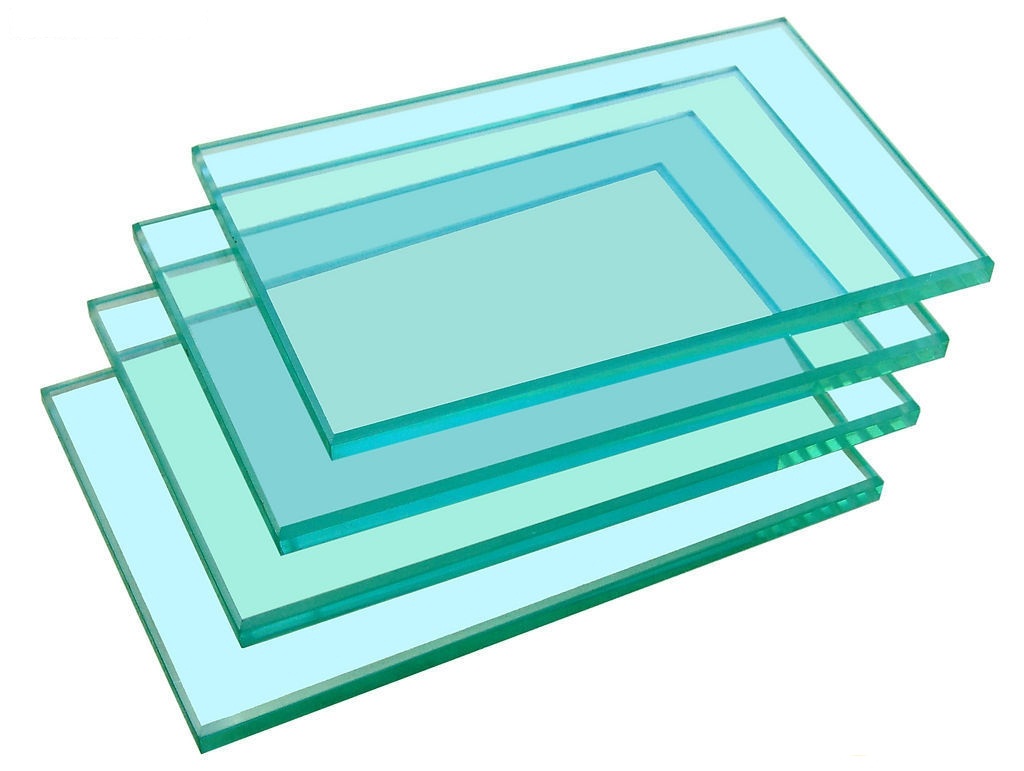
What Is Flat Glass?

Glass has undoubtedly secured its position in the world of architecture and interior designing, having no competitors to challenge its fluid aesthetic appeal and innovative functionalities. But, the evolution of glass as we know it today had its origins in a special type of glass, known as float, annealed, or even flat glass.

Invented in 1959, this glass is made using some of the most abundant raw materials found on the earth’s surface like silica sand, limestone, soda ash, dolomite, and glass cullet.    

How Is Float Glass Made?

Float glass is made by melting the aforementioned items in a 1600°C preheated furnace and then pouring them onto a shallow bath of molten tin. This molten glass allows it to cool on the tin by spreading itself out to form a flat surface. After cooling, the glass pane solidifies and flattens out evenly, which is why it is occasionally also called flat glass. Rollers run on top of the glass surface to pull and stretch it out, in case a thinner finish is needed. 

The cooling process is not as straightforward as it sounds. Molten glass is slowly brought down from the fierce temperature of 600°C to about 100°C. After the glass has cooled down, it is trimmed to remove any uneven or excess glass. These spare glass shavings are used as cullet for newer batches. The whole process is recyclable and highly sustainable, with almost nothing going to waste.

The process of cooling glass down in a controlled and monitored manner is called annealing. Annealing awards the glass pane higher density and a higher refractive index. Tinted float glass is manufactured by pouring colouring agents during the melting process. Iron, cobalt and selenium are used to make green, grey, bronze and blue tints. 

Applications of Flat Glass

Flat glass, also known as annealed glass, is widely used for both commercial and residential applications. To understand its properties and uses in detail, you can explore what is annealed glass and its applications. Let us now take a closer look at its key applications.

  • Residential Real Estate

Flat glass is commonly used for small windows that do not need to withstand high temperatures or pressures. Float glass can shatter into sharp shards on impact, which is why it is mostly made to undergo heat strengthening, tempering, insulation, lamination, and other such processes to improve and increase its applications. An annealed glass pane that has further gone through a strengthening process has multifarious applications.

  • Commercial Glazing

Flat glass has become quite popular for constructing the exterior of commercial spaces. It gives the dwellers an impression of being outside, along with a sense of openness. All stories begin with float glass. This foundational glass pane goes through a heat toughening treatment before it is installed in office buildings, restaurants, retail outlets, display cases, etc.

05 Characteristics of Flat Glass

Since flat glass boasts superior clarity, it allows for a higher degree of light to pass through it. Using windows made of flat glass allows a healthy amount of natural light to permeate into your homes or offices and makes them bright and cheery.

1. Available in Several Tints

If you love glass but your home or office is in the direct line of solar glare, you don’t need to worry! Flat glass is available in several tints and shades, with the ability to produce a diverse range of translucencies. You can choose between bronze, grey, green, blue, etc. Tinted annealed glass allows a comfortable amount of natural light to shower through and helps reduce ultraviolet (UV) rays and infrared (IR) radiation, depending on the tint and thickness. 

2. Easily Mouldable 

Since this type of glass can be cut, drilled, polished and edged after fabrication, it can be customised to precisely match your design sensibilities, before putting it through the irreversible processes of tempering or lamination. 

3. Eco-friendly

The process of manufacturing flat glass generates minimal waste and is environment friendly. All the extra glass shards that get trimmed off go back in the furnace to be recycled. This makes the entire process sustainable.

4. Available in Multiple Thickness Options

Flat glass can be made to order in various dimensions and densities, which is enabling new and diverse applications. For example, with modern advancements, manufacturers have now started producing ultra-thin float glass that has applications in televisions, computers, and mobile phone hardware.

5. Easy to Maintain

Flat glass does not collect a lot of dust or grime and stays placid for years on end. However, it is always a good idea to care for your door and window glass panels to ensure that they stay dust-free. Wipe your float glass windows once a week with a soft, damp cloth. Use microfiber cloth for best results. You can also use soapy water to wipe any grime or debris off its surface. Make sure that you leave no soap residue on the panes towards the end of the cleaning process, as this will attract more dirt.

The Bottom Line

Looking for flat glass for your next project? Turn to AIS for all your glass-related needs. As one of the top glass manufacturing companies in India, we provide end-to-end glass solutions backed by over three decades of expertise. Rely on our team of professionally trained technicians to help you select the right glass for your home or office.

So, what are you waiting for? Get in touch with us today!
Categories

Incorporating Privacy with Smart Glass

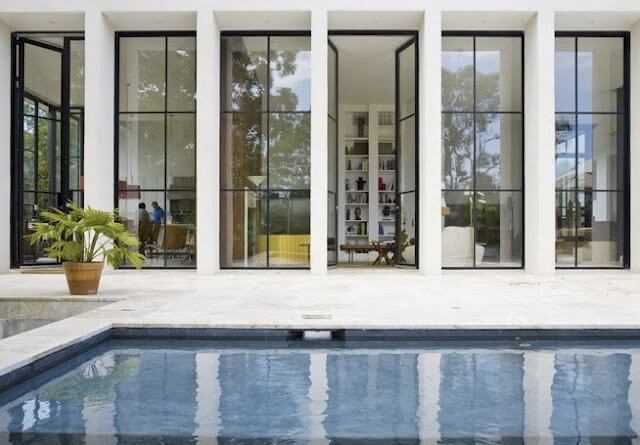
Glass is an incredible material used widely in the automotive and architectural industry. In the architectural industry, it also allows light and heat to enter the rooms and living spaces. However, this exposure to the outer-world can be unwanted, especially for those who value their privacy more than others.

If your home is located in a crowded area, which is usually the case with big cities, you learn to appreciate even the littlest space and privacy that can be mustered. For such a situation, instruct your chosen glass manufacturer to install smart glasses to solve all the issues of violation of privacy. Along with that, smart glasses are available in a variety of colour tints. Hence, it will help to uplift the aesthetics of your house.
Smart glass can be used in partition screens, uPVC windows, roof-lights and doors, along with security and teller screens. They can even work as HD projection screens! As this material is so flexible, architects and designers are constantly looking for new and innovative ways to use them.
Smart glasses have many applications:

  1. Commercial usage

The electronic properties allow smart glass to ensure transparency and privacy at the same time. One can switch between an open and connected office space to a private meeting room simply by flicking a switch.

  1. Residential areas

With smart glass, you can add an element of personalization in your home. It gives people an option to choose regarding where they want privacy and where they don’t.

  1. Hospitals and Clinics

Smart glass is perfect for the medical sector. Hospitals and clinics incorporate smart glass to ensure both transparency and privacy in the open spaces, and prevent the use of unhygienic curtains.

  1. Security

Since smart glass has a property that allows it to reduce noise, it can make any environment peaceful. There are many circumstances where we need this kind of technology in all spaces. Additionally, the ability to switch from transparent to opaque glass and vice versa is essential for security purposes. It helps by acting as a barrier against forced entry and can even protect from blasts and fires to an extent as well.
Hence, smart glass is a great alternative because it offers privacy without any drawbacks and adds to the aesthetic appeal of the place.

Categories

When in Doubt, Retrofit

Have you ever looked up to your house or even office’s windows and remarked, ‘Hey, they need a change!’? Well, that certainly is not as uncommon as one might think. Glass doors and windows are the essence of every new building ever made. And since buildings do not need a revamping every other year, it is fair to say that doors and windows are often their longest lasting structures (apart from the walls, of course!).
Yet, given how important the role of windows is in not only serving as conduits of light and ventilation but also creating a fully-functional and modern space, there comes a time when one must give thought to changing the old windows.

This is where we tell you what retrofitting buildings with shiny and functional glass windows is all about.
Considering window renovation
Any sort of renovation is a hectic job. Not only do you need to identify the issues for repair but also research in the market for the ideal solution. Any such consideration has to be made after careful thought and planning since investment in architectural revamp, especially that of glass windows, will leave a result in place that will last for decades.
Moreover, when one considers window renovation, a lot of factors need to be dealt with. First is figuring out the right window for a particular functional need. Second is the expense incurred and the time taken to remove the old windows and replace them with new ones. Third is the impact which such a renovation might have on your property – what if your old windows add heritage value, thus leaving you reluctant to replace them altogether?
This is where retrofitting glass can be the ideal option for you. In retrofitting, a new, modern glazing will be installed atop your existing one from the inside. Time-saving and efficient, retrofitted windows are becoming increasingly popular in today’s world.
Retrofitting – A viable alternative
As mentioned before, retrofitting your building’s glass windows will help you save on the time and cost incurred in removing the existing windows and then installing the new ones. Thus, it is a quick solution for modern professionals who desire the least disruption in their lives.
Moreover, since glass windows are retrofitted from the inside, the look of your home or office from the outside will remain the same. This is perfect for those who do not want to change the aesthetics and veer towards maintaining the heritage and antiquity of their home or office.
Finally, another benefit that retrofitting offers is that your windows will get double glazeGlad, thus offering you increased insulation from heat, dust, pollution, and noise. Glass manufacturers such as AIS have come up with modern retrofitting solutions such as AIS Renew – a low-E energy-saving insulated glass that filters out sun’s heat without cutting down on natural lighting. It only takes 30-60 minutes to install one such window that also offers excellent reduction in dew condensation and low maintenance.
Perhaps most importantly, retrofitting your windows with energy-efficient glass will turn your building into a green one, thus helping you do your bit to protecting our precious environment.
Ready for a retrofit?

Categories

Tips to Remove Scratches from Exterior Window Glass

Scratches are the most common damage that your exterior window glass can incur. Scratches can be caused by several elements such as tree branches rubbing against the exterior glass. They could be caused by children, pets, or even be the aftermath of recreational activities. Such damages not only ruin the appearance of your exterior glass, but can also hamper window performance, depending upon their size and most importantly, their depth.

While some deep scratches are better left to professionals, minor surface scratches can be fixed by using some effective DIY techniques. If the seals between the panes are not broken or the scratches have not been turned into cracks, you can easily deal with minor surface scratches. However, if you find moisture or condensation built-up between the panes, you will need to get your processed exterior glass for windows professionally serviced, and if necessary, replaced.

How to Remove Scratches from Glass Exterior Windows

Here are some effective tips to help you remove scratches from glass:

1. Clean the Area

Starting with clean exterior glass always makes it easier to assess the kind of damage present. A clean glass surface, free from dust or debris, will also deliver better results when using glass repair techniques. Moreover, if dust or debris is not removed, it may cause further damage to the glass. This is why thoroughly cleaning the glass surface is an essential first step in understanding how to remove scratches from glass effectively. Use a mild soap and water mixture to wash the exterior glass. Once thoroughly cleaned, allow the surface to dry completely.

The first step is to determine the depth of the scratch. If the scratch can be felt with your fingernail or if you can fit your fingernail down into the scratch, it is deep enough to need professional care. This becomes crucial, especially if the scratch is on a double- or triple-glazed glass. Deep scratches can lead to more serious damage which is why they require professional assistance. However, if the scratches are minor, simple techniques can restore your glass’s appearance.

2. Use a Non-Gel Toothpaste

One of the easiest ways to deal with minor scratches on windows is to use toothpaste. Make sure to use a non-gel toothpaste or a non-pigmented variety; one which is white and non-gel. You can use any other type of toothpaste as well as long as it contains baking soda. Before starting with the toothpaste remedy, always remember to clean the exterior glass with a damp cloth. This ensures that unwanted particles do not interfere with your repair. Use a clean, lint-free, micro-fibre cloth to rub a small amount of toothpaste onto the scratched area in a circular motion.

Do this for 30 seconds to 1 minute, then wipe away the toothpaste and inspect the area. If the scratch is still noticeable, you may need to repeat the process several times. Once you are happy with the results, wipe off the excess toothpaste and clean the area with a damp cloth to restore its sheen. This method should remove scratches from glass quite easily. 

3. Rub Baking Soda

An alternative to toothpaste is to make a thick paste of baking soda and water. Ensure that the container or bowl used to mix the paste, along with the cloth, is clean to avoid impurities that may cause additional scratches. If you are wondering how to clean scratches on glass, this simple DIY method can help reduce the appearance of minor surface scratches. Once the mixture is ready, take a clean, soft cloth, wrap it around your finger and apply a small amount of the paste. Gently rub it onto the scratched area of your exterior glass in a circular motion.

Remember to use gentle pressure. Do this for about 30 seconds and if done correctly, you will notice that the scratch will gradually wear off. Once done, clean the exterior glass to remove the excess baking soda. 

4. Apply Clear Nail Polish

If the scratch on your exterior glass requires a more precise application, grabbing a bottle of clear nail polish is your best option. Apply a thin layer of nail polish along the scratch using the applicator brush. Use just enough to fill the scratch and avoid using it too much or else the fluid will start dripping everywhere. After applying, let the nail polish dry for an hour so it can set well. Then, wipe the extra nail polish outside of the scratch using a nail polish remover. Use a lint-free cloth to wipe the excess away. You will find that the scratches have vanished from the surface. 

5. Call a Professional

If the scratch is too deep or you are not able to remove it yourself, it is best to get professional help. Sometimes, when the scratch is too deep, even professional tools are unable to fix it and you would need to get the glass replaced altogether. 

If you are looking for best-in-class glass solutions from one of the top glass manufacturers in India for your exterior glass windows, get in touch with AIS – India’s leading integrated glass manufacturer. We manufacture a wide range of high-end architectural glass products and are known for offering our customers 360-degree solutions for all their glass needs.

Contact AIS today for expert glass solutions tailored to your needs!

Categories

Tackling Common Glass Window and Door Issues in Winter

In India, most parts of the country, that is, the season of winter usually comes as a relief. With the long, scorching summer heat giving way to cooler climes, shorter days and cosy afternoons, winters are usually very well received all over the country. Yet, such a change in the season and the weather is not without its own set of complications, especially for your glass doors and windows.

Bear in mind that glass, aluminium, wood, and uPVC are merely materials that respond to changes in the external environment – temperature being a huge factor. Most materials compress and shrink in the cold, and there is also the issue of dew and condensation that accompanies chilly temperatures. Therefore, preparing your glass window or door before-hand will go a long way in ensuring their longevity and performance during the winters.
Let’s take a look at a few common issues that might plague your glass door or window in the cold, and how you can tackle them expertly:

  1. Condensation

Condensation mainly arises due to a drastic temperature difference around a particular surface. In winters, while the external environment is often cold and dry, our home and office interiors run on conditioned air which is usually warm and, thus, humid. This temperature difference leads to condensation on the surface of the cold window and door glass, thus fogging your view. While some condensation is absolutely normal, if you notice persisting condensation for long periods or some moisture in your window glazing, then it means that moisture might have entered your glass by way of some gap or leakage. This can hamper the insulation of your home. We recommend getting your windows and doors checked for gaps and weather insulation before winter reaches its height.

  1. Leakages

Building on from the previous point, leakages and gaps in your glass door and window can also create drafts, or passages for air flow from outside to inside. If cold air leaks inside your home from the outside, then your home’s energy efficiency and comfort can be compromised. Such drafts are usually signs of old, non-insulating glass which you can replace easily with modern energy-efficient glass and insulated glass units.

  1. Insulation

Apart from cold air, the inability of your door or window glass to retain internal heat can lead to massive heat loss. Such an insulation problem is directly opposite to the one faced by buildings in summer when the desired functionality from glass doors and windows is reflecting solar heat. You can tackle this situation by installing retrofitted insulating glass in over your existing glass doors and windows.

  1. Moisture and rotting

Finally, condensation can also occur on the frames of doors and windows, thus causing deterioration. Humid and warm internal climate during winters can also contribute to moisture entering your old window and door frames, especially if they are made from old wood. The solution for you could be switching to weather- resistant uPVC doors and windows. uPVC is a modern framing material that does not rot or get affected by temperature and climate changes, thus keeping your doors and windows in the healthiest state possible throughout the year.
Take note of the above-mentioned issues and tackle them swiftly for happy winters – both for you and your glass windows and doors!

Categories

Casement uPVC Windows: The Perfect Choice for Homes

If you are a fan of classic architecture, then you surely prefer casement windows above other types. These windows are hinged on one side, which can also be top (awning) or bottom (hopper).
While other window variants have their distinct features and advantages, casement windows have been quite a popular choice in the country for a very long time. And as window manufacturing technology has advanced over the years, so has the construction and functionality of casement windows. This is where the wonderful material called uPVC comes into the picture.
While aluminium and wood have been common window and door profiling materials, uPVC doors and windows have emerged, of late, as the perfect blend of form, finesse and functionality. uPVC is an industrial polymer that is not only aesthetically pleasing but also lightweight, strong and durable. And when uPVC, specialized glass, and casement windows come together, they form an unbeatable combination for your home. Let’s find out why:
Weather-proofing and longevity
Unlike wood or aluminium, uPVC can withstand moisture, heat, cold, rain, winds, etc. This makes casement windows made from uPVC resistant to corrosion, chipping, flaking, pitting, or peeling. They are also fire-resistant. All these factors make uPVC casement windows very durable and long-lasting.
Increased ventilation
Compared to sash windows, uPVC casement windows have an open-out hinge that allows them to open completely. This enables air to enter the building even if the flow angle is acute.
Low maintenance
Since uPVC is weather-proof, it requires very little maintenance. uPVC casement windows can be cleaned quite easily and the frequency of maintenance is also quiet low.
Heightened safety and security
uPVC casement windows feature security hooks and compression rollers for added safety. Also, the internal glazing prevents removal of window glass from outside. These windows often have a double glazing, thus making them intruder and breakage resistant while simultaneously minimizing heat loss. These security features are very difficult to find in other ordinary windows.
Heat, sound and dust resistance
Another advantage uPVC casement windows have over other windows made from aluminium or wood is that they do not develop gaps or leakages after a period of use. uPVC is an exceptional insulating material and provides an able barrier to external heat, wind, pollution, dust particles, etc. This can be further bolstered by selecting adequate glass for the window.
While selecting your favourite uPVC casement windows, do keep in mind the kind of window glass you are opting for. This will depend upon any specific functionality you desire from the windows, such as protection against heat, energy efficiency, noise-cancellation, or privacy.

Categories

4 Types of uPVC Window Designs to Give Your Home an Enticing Look

The trend of using uPVC material in doors and windows has been on the rise, all thanks to the plethora of benefits it offers. uPVC material showcases a perfect blend of modernity and advanced features. It is a tough and durable material which is rot, heat and noise-resistant. It doesn’t require any high maintenance and can be easily cleaned using water and detergent. uPVC doors and windows have a huge success rate as apart from being durable and long lasting, they are reinforced with galvanized steel which makes them withstand adverse conditions easily.
The wonderful thing about uPVC is that it can be customized to suit a wide variety of window shapes and designs. If you want to impart your house that ethereal and awe-inspiring bespoke look, then selecting the right type of windows is critical.

Here are 4 types of uPVC window designs you can consider for the same:
Sliding Windows: –
Sliding windows are horizontal opening windows which provide great cross-ventilation and lighting options. They are easy to operate and provide unobstructed view of the outside world. They are also energy efficient, since they effectively block airflow from inside to outside and vice versa. Sliding windows aid in saving space too as they don’t occupy vertical space as in the case of normal windows. Your room will automatically appear larger if you choose them for your house.
French Windows :-
One sure shot advantage of French windows is ample lighting in your room. French windows usually have a frame that features window glass running through its entire length. Apart from lighting, they also make your house look spacious. They are most suitable for outer walls since they provide magnificent view of the outside lawns, gardens, pool or patio. They can be decorated with deluxe curtains and blinds to give your home a luxurious look.
Casement Windows :-
Casement windows are vertical opening windows fixed with side mounted hinges. They are one of the most widely preferred window designs. They can be opened widely and provide better ventilation as compared to fixed windows. Casement windows also provide high security since they are very difficult to break and their hook shaped locks are embedded within the frame making them untouchable from outside.
Two Sash Windows :-
These are made up of movable panels known as sashes. Two sash windows have been in use since ages and still continue to be one of the most popular choices especially in traditional homes. It offers a perfect blend of utility and attractiveness .It provides double ventilation benefit as when both the sashes are opened, it provides a way for fresh, cool air to come inside while letting the warm air to exit the room from top.

We use cookies to help you get the best possible experience of our site. By clicking 'Accept' you agree to our use of cookies.