Categories

Essential Guide to Cleaning your Windshield

Cleaning a car windshield without the right knowledge can be a challenging job. Using the wrong equipment and method can cause a lot of scratches on your windshield. Here is windshield cleaning guide that we feel can be used to clean different types of glass windshields. Having a clean, dirt and grease-free windshield can offer a safer ride, especially in poor weather conditions.  Without making use of an expensive cleanser, it is possible to get rid of bird droppings, dirt, tree sap and other interference.
Take a look at a detailed guide that can be useful to achieve a spotless and sparkling windshield.

 
Choosing the ideal cleaning solution:
With numerous cleaning solutions on the market, choosing the ideal one can be a daunting task. Besides, the variety of ammonia-based, auto glass cleaners, all-purpose cleaners has catalysed the confusion by several folds.  As a result, people simply pick any solution for window glass types without thinking. I was one of them too, but after several trial and error, I realised that ammonia is harmful and so are the household cleaning solutions.  Hence, make sure you use a cleaner intended for automotive glass that can give the best results.  Such solutions offer a clean streak free windshield that is free from any obstructions.
Choosing other material:
Make sure you use a microfiber cloth to clean the windshield with the ideal cleaning solution. The cloth is made from the tiny wedge-shaped fibres that are 100 times finer than a human hair. As a result, cleaning any kind of dirt can be done easily. Besides, they are also long lasting and can be reused several times to clean different types of glass windshield.
Right way to clean any windshield:
Choosing the right kind of cleaning solution and microfiber cloth is not the end. Implying the right technique is equally important when it comes to cleaning any window glass types. Start of by cleaning the glass with water. Only then make use of the cleaning solution. Scrub water off the windshield in straight lines. Invest in a soft brush and use horizontal and vertical motion without scrubbing too hard. This is done only to loosen the grime.
Glass cleaning solution:
Spray the cleaning solution on the microfiber cloth and begin cleaning. Make sure you work from one side to another to get the best result. After the first clean, the residue is likely to remain. Repeat the procedure until you get it right. Once done, let the glass dry naturally.
By following the above-mentioned guides, you are certain to get a clean windshield.

    Categories

    Benefits of Green Building that Everyone Should Know

    Let’s face it! Human actions and deeds have directly impacted the environment we live in. With the evolving times, we are getting more aware and conscious about how our decisions are taking a drastic toll on our community and surroundings. To adapt and overcome such alarming issues, people are opting for wiser alternatives like green building facilities and establishments. Eco-friendly structures are taking over construction spaces to benefit the environment.

    What Does a Green Building Embody?

    A green building is any structure or establishment that extends positive impacts especially, with respect to the environment. These buildings are erected with a consciousness to reduce and eliminate critical impacts on climate change and temperature inclination.

    The world is coming together to adapt green buildings as a solution to raging issues like climate change, global temperatures, overpopulation and disruption, all addressed under concerning global problems. The current age designers are looking at green buildings as a holistic approach for creating sustainable and thriving communities, and driving economic growth.

    Green buildings use energy and resource like heat and water in an efficient manner to enhance and reinforce optimal performance. They thrive on renewable sources of energy like solar power which makes them highly apt in a resource consuming juncture.

    They also use pollution and resource limiting methodologies that reflect extreme advantages as well. Their overall design and structure is extremely considerate towards the changing environment in today’s world.

    In a nut shell, the concept of green buildings has left an impact on society – economically, physically as well as socially. The idea supports the cause of a healthy, sustainable and smart future by all means.

    The world is indicating green buildings in their infrastructure globally. Eco-friendly construction and green building include using resources that are efficient and environmentally friendly. The concept is gaining immense popularity because of its incredible benefits and advantages that are not only limited to environmental impact. Read through the jaw-dropping benefits of green buildings that everyone should know.

    Awards a Significantly Uplifted Indoor Quality of Life

    It is a given that a well-developed and beneficial infrastructure directly impacts the quality of life of its inhabitants. And, over the past several years, designers and architects have ensured optimal methods of invention to deliver the most beneficial quality of life.

    Green buildings improve the same by multiple ways like efficient light input, thermal conductivity to suit healthy performance and improved air quality amongst many other such benefits. Statistics show a terrific health growth of the people who dwell in such establishments. A study report reflects a hundred and one percent increase in mental and physical productivity amongst the people who worked in establishments and offices insulating a green building architecture.

    Reduces, Reuses and Replenishes Water

    Sounds too good to be true? Well, it is! Green buildings allow efficient ways to consume water right from the very construction of the structure. Their plumbing layouts also help in saving and reusing water to a massive extent. These buildings are known for their effective water sharing installations as well.

    Several architectures include specially designed and engineered technologies that ensure the constant reusability of water. In today’s world where water wars are surfacing everywhere, green buildings are erected with a serious focus of managing this vital resource efficiently.

    Reduces Strain on Energy Resources

    It is no secret that the World is growing rapidly in terms of population and infrastructure. In such cases, it is critical to come up with ways to preserve resources that are required to sustain this massively growing and increasing number.

    Green buildings ensure preservation of energy resources by putting a limit on their usage. Ingenious architectures have been including qualified technology that assists the motive of energy preservation and sustenance through green building and establishments.

    So Many Benefits, Can’t Come Cheap? Green buildings Do!

    Green buildings are known for their ability to save a tonne of money over the longer run. Although the initial cost of creating a green structure can be high in comparison to traditional buildings, their maintenance over several years more than makes up for it.

    Lastly, they aid in benefiting not just the makers but, a group of different people in totality. Right from when they are made, green buildings increase the property value for the developers. They also help the tenants that reside in them with utility bills. Don’t forget to remind yourselves that green buildings also help save a decent amount of money with your water and energy bills over the years.

    Inculcates Natural and Renewable Resources as a Way of Life

    An architect’s primary objective is to create a structure that uses maximum amount of natural and renewable resources like solar energy, wind energy and thermal energy to sustain. This practice helps in preserving our environment by leveraging the natural resources present around us.

    Green buildings eliminate the use of toxic resources by vast lengths. What’s more, even the initiating process doesn’t require non-renewable resources like coal or crude oil. Traditional buildings emit large amount of pollution right in the beginning of construction process as they don’t shy away from using copious amounts of coal and petroleum.

    Keeps Your Carbon Footprint in Check

    Sure, we all want to protect the environment, but how often do we consciously find the time and inclination to do so?But, green buildings do!  Indeed, theyare known for significantly reducing carbon footprint in the environment.

    A lot of multinational brands are opting for such structures for a greener future. The global carbon footprint accountability is crossing alarming levels on an everyday basis. The world needs to come together to reduce its contribution towards the overall carbon footprint. Green buildings are a fabulous solution to this worrisome issue.

     Ensures Reflection of a Cleaner Environment

    Green buildings not only reduce carbon footprints and limit the usage of non-renewable resources but, also help in working towards cleaner air by eliminating toxic pollutants that revolve around us constantly. They are known for their ability to improve air quality.

    With air quality index giving us a tough time, especially in metropolitan cities, opting for green infrastructure will ensure improved air quality and organic life around the city.

    Lets You Upcycle Your Way Through Creation

    Upcycling or recycling has become a saviour for innovation with a purpose. Architects and designers are on a constant lookout for ways to optimise their structures. Recycling has taken the architectural world by a storm because of its multiple benefits. Reusing existing and available raw materials to build a structure like green building helps in extremely productive ways.

    Pitches Unmatched Durability for Owners

    Green buildings are a no-brainer decision as they enclose such great deal of benefits. They are a wise investment that go a very long way. It is crucial to understand the profit green structures reel in over an extended period with low maintenance costs, healthy living environment and optimal lifestyle changes. Green materials ensure longer durability and strength as well.

    One Step Closer Towards a Smarter Nation

    Green buildings are a power packed opportunity for development in so many different ways. They are laying down a strong foundation for the future that is awaiting us. The development of green buildings demand more advanced, educated and skilled labour than just manually functional labours required for traditional building constructions. This is creating a necessity for more qualified professionals, allowing the community to educate themselves for rewarding job opportunities. The overall physical efforts that was being spent towards construction has reduced with the technological efficiency and new age construction.

    Encourages Architects to Innovate Towards a Better Future

    The world needs better solutions to make up for the constant distress that has been caused by human actions. Green buildings allow designers and architectures to explore boundaries of smart innovation. They extend optimum ways to utilise existing resources to reduce negative impacts on the environment.

    Several benefits of green buildings show that it is possible for architects to design establishments that help in sustaining the human kind in effective ways. These green buildings require strong and premium quality resources to build the structure. It is important to approach brands that assist in delivering such high-end resources. One of the leading names is our service under AIS Glass.

    At AIS Glass, we believe that green buildings have revolutionised the way we looked at sustainable development under the infrastructure sector. These structures reflect a healthy and beneficial lifestyle for today’s beings, and we want to do our part!

    Therefore, at AIS Glass, we strive to deliver top-notch materials to build strong and sustainable structures in the country. Our clientele has appreciated our services and delivery of high-quality products and experiences. Associate with us to create a new sustaining green building that represents quality life filled with better future for its inhabitants.

    Leverage the innovative idea of green building and reshape the way we plan our surroundings. Build a better future with efficient and beneficial outcomes.

    To know all about our entire product line, log on to our website, or better yet, give us a call today!

      Categories

      Heat Control Glass: Types, Benefits & Applications

      With rising temperatures and increasing exposure to harmful ultraviolet (UV) rays, keeping indoor spaces cool and comfortable has become more important than ever. Excessive heat entering through windows can make homes and commercial buildings uncomfortable, increase dependency on air conditioning, and raise energy bills.

      While curtains and blinds may offer temporary relief, choosing the right heat control glass can provide a long-term solution. Heat control glass is specially designed to reduce solar heat gain, block harmful UV rays, and improve indoor comfort without compromising on natural light or ventilation.

      Whether for homes, offices, or commercial buildings, installing heat-resistant glass for windows helps maintain comfortable indoor temperatures, protects interiors from sun damage, and improves overall energy efficiency. There are several types of heat control glass available in the market, each designed to address specific requirements. Let’s explore some of the most effective options.

      Why is Heat Control Glass Important?

      Heat control glass plays an essential role in maintaining indoor comfort and reducing excessive heat buildup caused by sunlight. Here are some key reasons why heat control glass is becoming increasingly popular:

      • Reduces heat gain: Minimises the amount of solar heat entering indoor spaces.
      • Blocks harmful UV rays: Protects occupants and interior furnishings from UV damage.
      • Enhances energy efficiency: Reduces dependency on cooling systems and lowers electricity costs.
      • Improves comfort: Helps maintain a cooler indoor environment, especially during summers.
      • Protects interiors: Prevents fading of furniture, curtains, flooring, and upholstery due to prolonged sun exposure.

      Types of Glass for Heat Control

      1. Reflective Glass

      Reflective glass is one of the most commonly used types of heat control glass for modern homes and commercial buildings. It is designed with a special metallic coating that reflects a significant portion of solar radiation, helping reduce heat gain indoors.

      Reflective glass can be used for a wide range of architectural, aesthetic, and energy-efficient applications. Several advanced variants, such as AIS Sunshield Reflective Glass, combine durability with solar control technology to reduce heat entering the building while enhancing energy efficiency.

      You can use reflective glass to reduce solar glare and maintain comfortable indoor temperatures in homes, offices, and commercial spaces. Its solar control properties help curb the amount of heat and glare passing through the glass while still allowing sufficient natural light indoors.

      Additionally, reflective glass offers protection against harmful UV radiation due to its specialised coating. Apart from functionality, it also enhances the aesthetic appeal of buildings by providing sleek, modern exteriors, making it a practical and stylish option.

      Benefits of Reflective Glass

      • Reduces heat gain and solar glare
      • Improves energy efficiency
      • Protects against harmful UV radiation
      • Enhances the aesthetics of building exteriors
      • Suitable for residential and commercial spaces, learn more about uses of reflective glass.

      2. Tinted Glass

      Tinted glass is another popular type of heat control glass that helps absorb solar energy and control heat transmission. Unlike reflective glass, which reflects solar radiation, tinted glass absorbs a portion of the sun’s energy to reduce heat penetration indoors.

      This enables tinted glass to cut down on excessive heat and create a more comfortable indoor environment. It also contributes to enhancing the visual appeal of building exteriors.

      Leading manufacturers such as AIS offer Tinted Heat-Absorbing Glass, designed to reduce the amount of heat flowing into buildings, thereby lowering the cooling load on air-conditioning systems and improving energy savings.

      Tinted heat-absorbing glass can absorb approximately 30% to 45% of solar heat, depending on its tint, thickness, and colour. Its flexibility in design makes it a preferred choice among architects and designers looking to incorporate modern aesthetics into their projects.

      Additionally, tinted glass reduces glare and limits excessive visible light transmission, helping create a soothing indoor environment while offering protection against harmful UV rays.

      Benefits of Tinted Glass

      • Absorbs solar heat effectively
      • Reduces indoor temperature and cooling load
      • Controls glare and excessive brightness
      • Enhances privacy and aesthetics
      • Improves energy efficiency, learn more about the benefits of green tinted glass.

      3. Solar Control Glass

      Solar control glass is specifically designed to reduce solar heat gain while allowing natural daylight to enter a building. It helps maintain indoor comfort by reflecting and absorbing solar radiation without significantly affecting visibility. Learn more about what solar control glass is and its applications in our detailed guide. 

      This type of glass is especially suitable for regions experiencing high temperatures, as it helps keep interiors cooler and reduces reliance on air conditioning systems. Solar control glass also contributes to energy savings and sustainable building practices.

      Many premium solar control glasses are engineered to strike the perfect balance between heat reduction, light transmission, and aesthetics, making them ideal for façades, windows, and skylights.

      Benefits of Solar Control Glass

      • Reduces heat transmission
      • Allows natural daylight indoors
      • Improves thermal comfort
      • Reduces energy consumption
      • Suitable for modern architecture

      4. Low-E (Low Emissivity) Glass

      Low-E glass is coated with an invisible metallic layer designed to regulate heat transfer. It reflects heat while still allowing visible light to pass through, helping maintain comfortable indoor temperatures and improve energy efficiency. Learn more about how Low-E glass enhances energy efficiency in our detailed guide.

      During hot weather, Low-E glass prevents excessive heat from entering the building, while in colder months, it helps retain indoor warmth. This makes it a highly energy-efficient option for residential and commercial spaces.

      Benefits of Low-E Glass

      • Improves insulation
      • Controls indoor temperature efficiently
      • Reduces energy consumption
      • Enhances occupant comfort
      • Supports sustainable building design

      How to Choose the Right Heat Control Glass?

      Selecting the right heat control glass depends on several factors, including:

      • Climate conditions in your location
      • Building orientation and sunlight exposure
      • Energy efficiency requirements
      • Aesthetic preferences
      • Budget and maintenance considerations

      Consulting experts can help determine the ideal glass solution based on your architectural and performance requirements.

      Conclusion

      Choosing the right type of heat control glass can significantly improve indoor comfort, reduce energy costs, and enhance the visual appeal of a building. Whether you opt for reflective glass, tinted glass, solar control glass, or Low-E glass, each type offers unique benefits tailored to different needs.

      AIS offers a wide range of high-performance glass solutions designed to improve thermal comfort and energy efficiency while complementing modern architectural styles. Get in touch with AIS today to find the ideal heat control glass solution for your home or commercial space.

        Categories

        Design the Perfect Room for Your Baby with Glass

        As you get ready to welcome a new-born baby in your life and at your home, it is obvious that you must have given thought to how your baby’s room will look from the inside. The wallpapers, posters, paint, toys, and other accessories must be on the top of your list. However, while ensuring that the room’s interiors are spot on and infant-friendly, it should be noted that the architecture and exterior also plays a huge role in building the room’s ambience.
        With the help of uPVC windows and modern day glass applications, you can provide a peaceful, healthy and friendly environment for your baby in his or her room where the child can play, sleep, and pretty much spend most of his nascent life. You should keep in mind various factors and attributes that make a great nursery room for your baby, such as safety, comfortable temperature, lack of solar radiation, proper lighting, and protection from outdoor noise. uPVC solutions help you put a check against all these parameters on the list.

        What is uPVC?
        uPVC stands for unplasticized polyvinyl chloride, a versatile polymer that is one of the most preferred and beneficial window framing solutions in use. uPVC is available in degree of colours and is very low maintenance as compared to other traditional profiles, such as wood or aluminium. Also, it has very high shelf life, and is aesthetically extremely sound. What’s more, uPVC also offers other advantages necessary for a modern house, such as noise-cancellation, energy efficiency, safety, and security.
        What are the various uPVC window solutions that are perfect for a new-born’s room?
        With the right match of glass and uPVC profiles, you can create a highly functional living space for your baby.
        You can install energy-saving uPVC windows which help you cut down on energy bills by keeping the interior of your baby’s room comfortable and cool in the harsh summers. Glass solutions, such as AIS Ecosense, can help you provide 40-50% protection from outside heat, and filter out the harmful UV radiation.
        You can protect your baby from external noise and disturbances by installing noise-cancelling uPVC windows. Specialized acoustic glazing helps in trimming down noise levels by up to 42 dB.
        With the help of impact-proof toughened glass solutions installed with robust uPVC framing, you can rest assured that your child will stay safe in his or her nursery. Even if toughened glass shatters, it breaks into harmless micro-granules that rarely cause injury.

          Categories

          Types of Glass for Building Facades

          What is a Glass Facade?

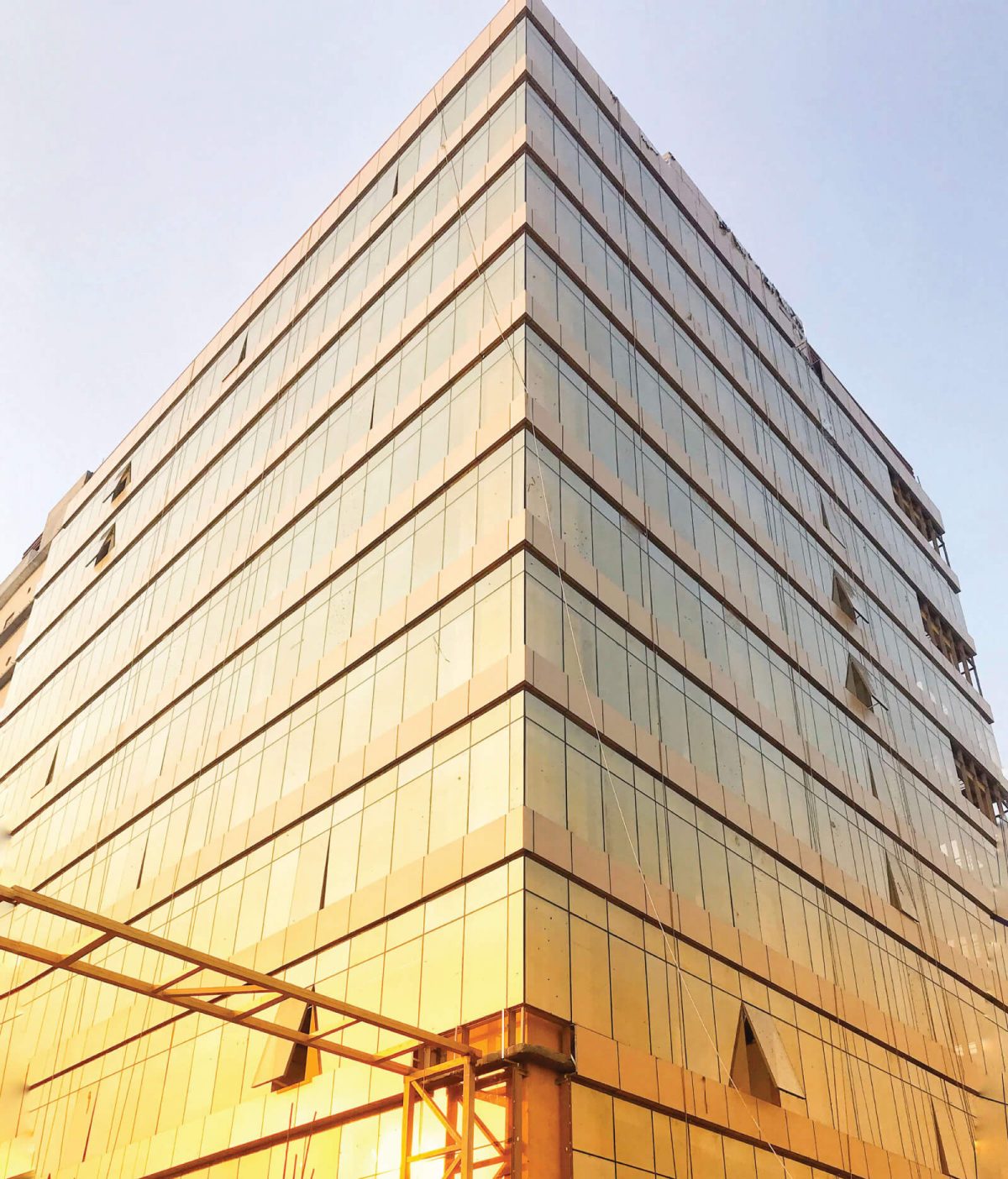
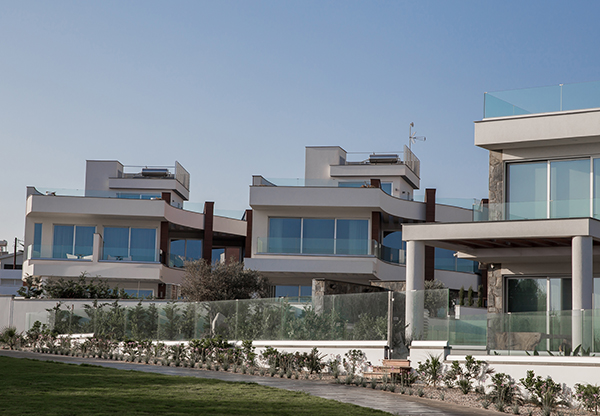
          Simply put, glass wrapping the exterior of a building is a glass facade. These building facades are regularly used in modern-day designs due to their simplicity and wide range of design applications.

          These facades add glamour and enhance the style quotient of the entire building. However, glass facades are not just for visual aesthetics – they are also highly functional, offering excellent sound and heat insulation.If you are unsure about which types of glass facades to choose for your construction project, a client, or even your own home renovation, we have got you covered. Here is a curated list of facades and glass facade types available to achieve the perfect balance of aesthetics and functionality.

          Types of Glass Façade

          1. Curtain Wall Facade

          These are curtain-like structures that are non-load-bearing and are attached to the floors of the building where the facade is incorporated. Curtain wall facades support only their own weight and not the dead load of the building.

          A connection exists between the curtain wall and the building’s columns and floors, allowing the weight of wind to be transferred from the facade to the building itself.

          2. Storefront Curtain Wall Facade

          This is a non-load-bearing facade primarily designed for ground floors. It is usually built between the ground and the roof of the building above it.

          This building facade offers optimal thermal and sound insulation if constructed using specialised glass. It can be easily customised and is quite cost-effective.

          3. Framing Facades

          • Unitized Curtain Wall

          This type of curtain wall is composed of large units that come pre-assembled and glazed from the factory before shipping to the building site for installation.

          Unitized curtain walls form a core component of the building’s exterior, enhancing thermal efficiency, sound insulation, and fire safety.

          • Semi-unitized Curtain Wall

          A semi-unitized curtain wall is a type of structural glazing where the primary structural framing components are erected individually, like an erector set. Vertical mullions are attached first to the floor slabs, and the horizontals are then attached to create a grid.

          4. Frameless Facades

          Frameless facade systems are common in modern architectural glazing. Frameless glazing offers significant design potential and is an excellent way to maximize natural daylight.

          5. Tension System

          High-tensile cables or stainless-steel rods are used to transfer the load of the facade to the main structure, increasing transparency. The two main types in the industry are tension rod facades and cable net walls

          Types Of Glass

          What is a glass façade?

          • Laminated Glass – A laminated glass consists of layers of ordinary glass stacked together. Laminated glass is heavier and tougher than normal glass. It provides robust protection from UV rays and excellent insulation from outside noise.
          • Toughened Glass – Also known as tempered glass, this is a more durable form of glass available in various thicknesses. It is ideal for applications requiring fire resistance and high strength.
          • Insulated Glass – Insulated glass unit is a type of glass consisting of two or more panes separated by a thin air film, allowing heat to dissipate more effectively, making it an excellent choice for insulation.
          • Solar Control Glass – Solar control glass is designed to reduce the amount of heat entering a building by absorbing the sun’s rays that fall on the glass panels. To learn more about its applications and benefits, check out our guide to solar control glass
          • Tinted Glass – Tinted glass serves both aesthetic and functional purposes. When sunlight hits it, it also works as an effective insulator.

          Find the Perfect Facades with AIS

          Manufacturing high-quality glass products for diverse applications has been our speciality for over three decades. In that time, we have refined our craft, making us a leading glass solutions provider in India.

          At AIS Glass, we manufacture high-quality toughened glass to build durable and elegant facades with contemporary styling. Our solutions are customisable to meet different customer needs. Get in touch with us and explore our wide range of glass solutions.

            Categories

            Importance of Soundproof Glass in Modern Architecture

            Modern spaces cater to very different demands these days. Gone are the times when the loudest noise in an average person’s life was them raising their voice, or the distant noise of machinery toiling in a factory. Modern architecture has to deal with urban noise. The constant drill of a city at work. Cars, planes, construction, loudspeakers, the voice of the world around us now penetrate not only our waking moments but our sleeping ones too. This is a problem. Studies have found that an excess of noise leads to lower productivity at the workplace and even contributes to low test scores in schools. This is the reason architects actively seek soundproofing solutions for both residential and commercial use. Office buildings, homes, hospitals, movie theatres and even places of worship need to protect their inhabitants from the constant onslaught of the outside world.

            How do we achieve soundproofing?

            There are five tenets of soundproofing that are always followed to deliver peace and quiet. They are:

            Mass

            Mass or the thickness of the material is the first layer that breaks down the vibration of sound. As sound is energy, the more mass there is, the more energy is required to make it vibrate. So, the thicker the material, the lesser the sound that passes through.

            Mechanical isolation

            Mechanical isolation is basically separation of material. As we have established before, sound is energy. So, by mechanically separating the materials and wedging them with an air pocket or a different material further helps dissipate the sound.

            Absorption

            Soft materials or materials with high absorption capabilities soak up the sound wave’s energy. This weakens the sound further as instead of reflecting it, it dissipates within the material.

            Resonance Dampening

            Some setups can also dampen the sound by converting the sound energy into heat. This reduces the resonance of the sound.

            Conduction

            Conduction refers to the transfer of energy from one material to the other. By breaking this flow of energy between materials, we can dissipate sound.

            Soundproof Glass

            Also known as acoustic glass, fulfils a majority of these tenets by providing a higher level of insulation. What sets soundproof glass apart is its manufacturing. While regular glass is melted, refined, cut, coated and annealed, soundproofing glass requires a few more steps. Two pieces of glass are layered on each other with a specially designed Polyvinyl Butyral (PVB) interlayer between them. This layer works both as an adhesive and an insulator. It holds the 2 panes of glass together. The PVB layer also forms a barrier between the glass panes. It absorbs the sounds and vibrations travelling from one pane to the next. Soundproofing though does not refer to the complete absence of sound, it means a considerable reduction in sound. Depending upon the quality of the glass and its thickness, you could achieve up to 90% of sound insulation.

            AIS Acousticglas™

            AIS specializes in soundproofing glass. Our AIS Acousticglas™ ensures a flawless single-pane look. The PVB layer is applied in such a way that you cannot see the separation of the two panes. It also reduces external noise by 90%, a marked 60% more than ordinary 5 mm glass. That means your indoors will be nearly devoid of external distractions up to 42-decibel dip in sound intrusion. Depending upon the level of soundproofing required, different grades of acoustic glass, based on size, thickness and grading can be installed. But why do we need soundproofing? Apart from the general sound insulation and the promise of peace and quiet it provides, how else does it deliver on better living?

            The Benefit of Soundproofing 

            Acoustics

            By blocking external noises, you create a better acoustic environment for yourself. You can set up your entertainment room, study room and lounge area such that they become a zone unto themselves. You can look at our complete insulation solutions here <link to website category> and make your dream space a reality.

            Peace of Mind

            The noise of traffic, people yelling, and street vendors are now a thing of the past. Soundproof your home and don’t let external noises disturb your binge-watching, reading, parties or anything you wish to do inside your home!

            Create Dedicated Zones

            Now that noise is not an issue, you can create different, isolated zones in your home. One dedicated to studying and reading, one dedicated to watching movies and shows, like a personal home theatre. The possibilities with soundproofing are endless!

            Where Should You Implement Soundproofing?

            There can be no half-measures while doing soundproofing. You have to establish set goals and depending upon your ideal setup, approach soundproofing. However, listed below are a few places, ideal for sound insulation.

            Doors

            They are not only the point of entry and exit for the inhabitants, but also for sound. Uninsulated doors are one of the most common points of inflexion as sound seeps in through its edges. That’s why high-quality acoustic glass doors are much preferred in both residential and commercial spaces. They provide greater strength and unmatched soundproofing, enabling you to separate your zones and create undisturbed experiences in each room.

            Windows

            They are the doors to the outside world. They show us all that exists beyond our walls and bring in all the noises of the world. Incidentally, they are also the most popular application of soundproof glass. High-quality, thick soundproof glass with fused and double-sealed window frames is the best way to insulate any room. The reward and impact that this generates are significant as it helps with acoustics, without compromising on your view.

            Wall Separators

            A very useful tool when changing the layout of any space. Mostly used in commercial office spaces but most homes have also come to see the benefit of it. Of course, unless they are soundproof they do not serve their purpose effectively. What with all the sound crossing over the separation. Insulated glass wall separators enable its inhabitant to effectively use the space while maintaining privacy and providing a safe space to work and unwind.

            Recording studio

            Insulation becomes very important for recording studios. When dealing with sensitive equipment that can pick up even the slightest vibration, a neutral audio zone is key. It is recommended to use a combination of insulated wall separators, doors and windows for such spaces.

            Hospitals

            Sound insulation is important for hospitals not only because of the patients but also because of their equipment and doctors. They house a lot of precision equipment whose results may vary in case of unnecessary sound intrusion. Doctors need an undisturbed space while in surgery or evaluating a patient. And the patients of course need a safe space to recover and get better. Now, it is understandable that one may feel a little lost when actively looking to find soundproofing solutions. Don’t worry, AIS can be your one-stop glass supplier as we have a full suite of integrated soundproofing solutions that you can use to transform any space. Since we started in 1984, we have quickly expanded to become India’s leading glass company in both construction (commercial and residential) and automobiles. Our products always follow the global standards of quality, and we have our own team of highly trained experts who can guide you on your journey of transforming your space.
              Categories

              The Best Types of Privacy Glass for Your Home

              Privacy is crucial in your home, whether you reside in a busy city or a peaceful suburb. Managing your privacy is vital, and there are different types of privacy glass for home, each offering distinct advantages and features. In this article, we’ll explore the different types of privacy glasses that you must consider for your home. 

              1.Traditional Frosted Glass

              Traditional Frosted Glass is a timeless and versatile option for enhancing privacy in your home. It’s produced through techniques like sandblasting or acid etching, where one side of the glass is treated to achieve a frosted appearance. Its ability to balance privacy and natural light perfectly makes it a popular choice. 

              When you have Traditional Frosted Glass in your windows or doors, it allows the gentle glow of natural light to filter through. The frosted surface diffuses this light, creating a soft, welcoming ambience in your living space. This maintains your privacy and eliminates the need for heavy curtains or blinds, giving your home a cleaner and more open feel. 

              Benefits 

              • Timeless Aesthetics:

                Frosted glass offers a timeless, elegant look that can complement various interior styles. 
              • Diffused Light:

                It diffuses light, creating a soft, welcoming ambience. 
              • Low Maintenance:

                Easy to clean and maintain, making it a practical choice for homes.

              2.Modern Switchable Privacy Glass

              Switchable Privacy Glass, also called Smart Glass, is a fantastic advancement in glass technology. It’s a high-tech solution that lets you control your privacy with a simple button press or flip switch. Imagine having a window or glass partition that instantly transforms from a transparent view to complete opacity, offering you privacy on demand. This remarkable transition is achieved by applying an electrical current to the glass. 

              Benefits 

              • Customizable Privacy:

                You have complete control over the level of privacy, making it a versatile choice. 
              • Energy Efficiency:

                It can regulate light and heat, reducing energy consumption. 
              • Contemporary Design:

                Adds a modern, high-tech touch to your home. 

              3.Integrated Blinds

              Integrated Blinds are a remarkable solution that seamlessly combines the benefits of both blinds and double-glazing. These blinds are cleverly enclosed within the airspace of a double-glazed unit, creating a harmonious and stylish addition to your windows and doors. The genius of integrated blinds lies in their versatility. You can control them manually, just like traditional blinds, by using a user-friendly mechanism that adjusts the slats to your desired angle. This manual operation is perfect for those who prefer a tactile experience. 

              Benefits 

              • Sleek and Tidy:

                Integrated blinds are neatly concealed between glass panels, maintaining a clean and modern appearance. 
              • Sound Insulation:

                They provide additional sound insulation, enhancing your living environment. 
              • Easy Maintenance:

                Since the blinds are sealed within the glass, they are protected from dust and damage. 

              Conclusion 

              The best privacy glass for your home depends on your preferences, needs, and budget. Traditional Frosted Glass offers a timeless and cost-effective solution. Modern Switchable Privacy Glass provides advanced control and energy efficiency. Integrated Blinds offer a sleek and practical option. Consider the unique features of each type and choose the one that suits your home and lifestyle best.  

              Ultimately, the goal is to create a space where you feel comfortable and secure, and these privacy glass options can help you achieve just that. Elevate your living space with AIS Glass and enjoy the perfect blend of privacy and natural light. Contact us today to look at our wide range of solutions and add a touch of elegance to your home.

                Categories

                Importance of Soundproof Glass

                In an increasingly noisy world, the role of soundproof glass is paramount. Also known as acoustic or soundproofing glass, it is a potent barrier against external noise intrusion, fostering tranquillity in various settings. This specialized glass is pivotal for enhancing the quality of life in residential and commercial spaces. In this article, we’ll discuss the significance of soundproof glass and how it helps in creating a serene environment. 

                Understanding Soundproof Glass 

                Soundproof glass stands apart from conventional window or glass panels due to its remarkable noise-reduction capabilities. It features multiple layers and a unique core designed to dampen sound vibrations effectively, preventing them from permeating the glass. 

                How Soundproof Glass Operates 

                The manufacturing process of soundproof glass involves laminating it with a specialized PVB interlayer renowned for its exceptional sound absorption properties. This interlayer acts as a buffer, absorbing sound waves and preventing their transmission through the glass. The thickness and composition of the glass can be tailored to achieve varying levels of noise reduction. 

                Advantages of Soundproof Glass 

                Soundproof glass offers several noteworthy advantages: 

                Noise Reduction:

                Soundproof glass acts as a formidable barrier against external noise, effectively blocking out up to 90% of those unwanted sounds that can disrupt your peace and focus. This means that even in bustling and noisy environments, you can create a tranquil oasis within your home or office. It’s like having a protective shield that ensures your surroundings remain undisturbed, allowing you to enjoy a quieter and more peaceful space. 

                Enhanced Productivity:

                In commercial settings, soundproof glass enhances employee productivity by minimizing distractions from external noise, making it particularly valuable for offices, meeting spaces, and conference rooms. 

                Enhanced Privacy:

                Soundproof glass offers a valuable advantage in enhanced privacy. This makes it an ideal choice for spaces where maintaining confidentiality is crucial, like in medical facilities and meeting rooms. It creates a sound barrier, preventing sensitive information from being overheard. 

                Better Sleep Quality:

                Soundproof glass offers a significant advantage by improving sleep quality in residential settings. It acts as a protective shield, effectively keeping street noise and disturbances outside, ensuring a peaceful and undisturbed night’s sleep. This is particularly beneficial for those living in noisy urban areas or near busy streets, as it creates a tranquil and restful sleeping environment, contributing to better overall well-being and comfort. 

                Energy Efficiency:

                Apart from its noise-blocking properties, Soundproof glass offers a notable advantage in enhancing energy efficiency. In addition to reducing noise, it acts as an effective insulator. This insulation capability helps maintain a comfortable indoor temperature by preventing heat transfer, reducing the need for excessive heating or cooling.  

                Applications and Benefits 

                Soundproof glass finds application in various settings: 

                Residential:

                It creates serene environments in bedrooms, living rooms, and home offices, effectively shielding against external disturbances like traffic and construction noise. 

                Commercial:

                Valuable for conference rooms, private offices, and reception areas, it ensures employees can work without disruptions, boosting job satisfaction. 

                Hospitals:

                Used in consultation rooms and patient areas, soundproof glass maintains patient confidentiality and provides a quiet and conducive healing environment. 

                Hotels:

                High-end hotels use soundproof glass in guest rooms to offer a peaceful stay away from the urban hustle and bustle. 

                Restaurants:

                Restaurants in noisy urban areas employ soundproof glass to enhance the dining experience for customers, reducing the impact of street noise. 

                Conclusion 

                The importance of soundproof glass is evident in its ability to create peaceful and tranquil spaces in a world filled with noise. This valuable glass can transform your living or working area into a peaceful and tranquil environment. It doesn’t just block out unwanted noise; it also enhances your quality of life, productivity, and overall well-being.  

                Transform your space into a haven of tranquillity with soundproof glass. Say goodbye to intrusive noise and hello to serenity. Explore AIS Glass today for the ultimate solution in creating peaceful environments. 

                  Categories

                  Toughened Glass Uses and its Properties

                  In modern glass technology, toughened glass has emerged as a highly versatile and durable material. This glass is a true marvel, bringing versatility and innovation to the forefront. This article explores toughened glass, uncovering its intricate technology, manifold advantages, and diverse applications.

                  Understanding Toughened Glass 

                  Toughened glass, or tempered glass, is far from your typical glass sheet. What sets it apart is the meticulous treatment it undergoes. This specialized process involves subjecting the glass to intense heat and rapid cooling. This process enhances its strength and safety properties. In terms of strength, it becomes remarkably robust, capable of withstanding higher impact forces.

                  When it does break, it crumbles into small, blunt edged fragments, reducing the risk of injury. Furthermore, toughened glass exhibits resistance to high temperatures, making it suitable for environments with frequent temperature fluctuations. In essence, it’s the unsung glass hero, offering a blend of strength and safety that regular glass can’t match.

                  Key Properties of Toughened Glass That Set It Apart

                  • Exceptional Strength: Toughened glass offers improved strength. It can endure significant impacts without shattering, a feature vital for safety. 
                  • Enhanced Safety: Unlike regular glass, toughened glass doesn’t fracture into sharp shards. Instead, it breaks into small, relatively harmless fragments, reducing the risk of serious injury. 
                  • Resilience to Heat: This glass can withstand higher temperatures, making it well-suited for environments with fluctuating temperature conditions. 
                  • Scratch Resistance: Toughened glass maintains surface durability suitable for demanding applications. 
                  • Tailored Versatility: This glass can be customized to meet specific requirements and is available in various thicknesses and sizes. 

                  To learn more about the properties, benefits, and applications of toughened glass, explore our detailed guide on toughened glass.

                  Uses of Toughened Glass:

                  1. Construction:

                  Toughened glass is a cornerstone of modern buildings, employed in windows, doors, glass partitions, and even as a structural element in contemporary architecture, due to its strength and safety properties. 

                  2. Automotive Applications:

                  Tempered glass is commonly used in car side and rear windows, while windshields are typically made using laminated glass. 

                  3. Elevating Electronics:

                  Toughened glass is the protective cover of choice for screens in smartphones, tablets, and electronic devices. Its durability makes it suitable for protective screen applications. 

                  4. Elegant Furniture:

                  Glass tabletops and shelves frequently feature toughened glass, adding style with durability. 

                  5. Retail Glamour: 

                  Retail establishments employ toughened glass in displays to enhance product aesthetics, due to its strength and transparency. 

                  6. Sporting Safety:

                  In sports venues, toughened glass safeguards viewers with safety barriers and maintains visibility. 

                  7. Shower Enclosures:

                  Toughened glass is commonly used in shower cubicles and bathroom partitions because it offers durability, moisture resistance, and enhanced safety.

                  8. Balcony Railings & Glass Railings:

                  Modern homes and commercial buildings often use toughened glass in balcony railings, staircases, and balustrades to provide safety while maintaining unobstructed views. 

                  9. Kitchen Applications:

                  Toughened glass is used for kitchen backsplashes, cabinet shutters, and cooktop covers because it can withstand heat and is easy to clean. 

                  Why Use Toughened Glass?

                  Toughened glass, also known as tempered glass, is widely preferred for its numerous benefits, making it a top choice across various industries. Its exceptional strength and safety attributes are among its most important advantages. Whether used in the towering windows of a skyscraper, protecting the touchscreen of your smartphone, or serving as the lid of cookware, this glass offers an ideal combination of durability and safety.

                  This unique material not only withstands significant impacts without shattering but also minimises the risk of injury by breaking into small, relatively harmless fragments when damaged. From modern architecture and automotive applications to electronic displays and interior design, its versatility makes it suitable for a wide range of uses.

                  Conclusion 

                  In the world of materials, toughened glass emerges as a captivating innovation. Its unique characteristics and adaptability have etched it into the fabric of our daily lives, promising safety, resilience, and elegance across diverse applications. So, whether you’re gazing through the windows of a skyscraper or swiping through your smartphone, you’re undoubtedly engaging with this exceptional material.

                  Upgrade to Durable and Elegant Glass Solutions with AIS. Enhance your safety and style with the best tempered glass in India by AIS. Discover the perfect blend of strength and sophistication. Contact us for expert consultation and customised toughened glass solutions.

                    Categories

                    How are laminated windshields better?

                    With 50,000 cars on our roads, safety plays a crucial role. Accidents have been on the rise due to the tremendous increase in the number of vehicles on the road. The rise in accidents led to new developments in safety, particularly in windshields. Laminated glass is a safety glass that doesn’t shatter after an impact, no matter how big or small. It is supposed to be one the most strongest and sturdy types of glass used in the fields of automobiles, architecture and places that need high security like jewellery stores, banks etc.

                    Unlike normal glass, laminated glass is made by sandwiching a glass sheet between two or more portions of glass. This sheet is known as poly vinyl butyral (PVB), which helps keep the glass from breaking. 

                    Casualties in accidents were on a steep rise due to windshields not being strong and sturdy. Often, due to the impact of the crash, drivers would get seriously injured as the windshield would shatter since it couldn’t withstand the impact. It is then when manufacturers realized the need for astronger and more durable glass that could stand tough in such situations. And thus, in 1919 they made a glass that was strong enough to take the brute force of such impacts. Even after breaking and being punctured, the laminated glass will stay together because of the chemical PVB. Laminated glass was first used in 1927 in automobiles as a windshield.

                    Usually, the side and rear windows are made of tempered glass, so they shatter into small pieces after breaking. As the tempered glass breaks into small particles, it is less harmful than breaking into sharp pieces. Thus, windshields are made of laminated glass to protect the driver and the co-driver’s. The laminated glass in the car has two main functions. Firstly, it helps the co driver’s air bag to open up properly. The air bag at the driver’s side usually pops up to the drivers face. But when the passenger’s airbag opens up, it bounces off the windshield and then lands in the required position to safeguard the passenger. The second function it provides is that the driver is saved from deep cuts that would have been caused by the breaking of the windshield on impact. Often while driving, there are many objects like stone, metal etc. that hit the vehicle out of nowhere. Hence this glass very well plays its role in avoiding accidents regarding the same.

                    So, to conclude, laminated glass may just look like any other ordinary glass, but it really has some extraordinary features.

                      We use cookies to help you get the best possible experience of our site. By clicking 'Accept' you agree to our use of cookies.