
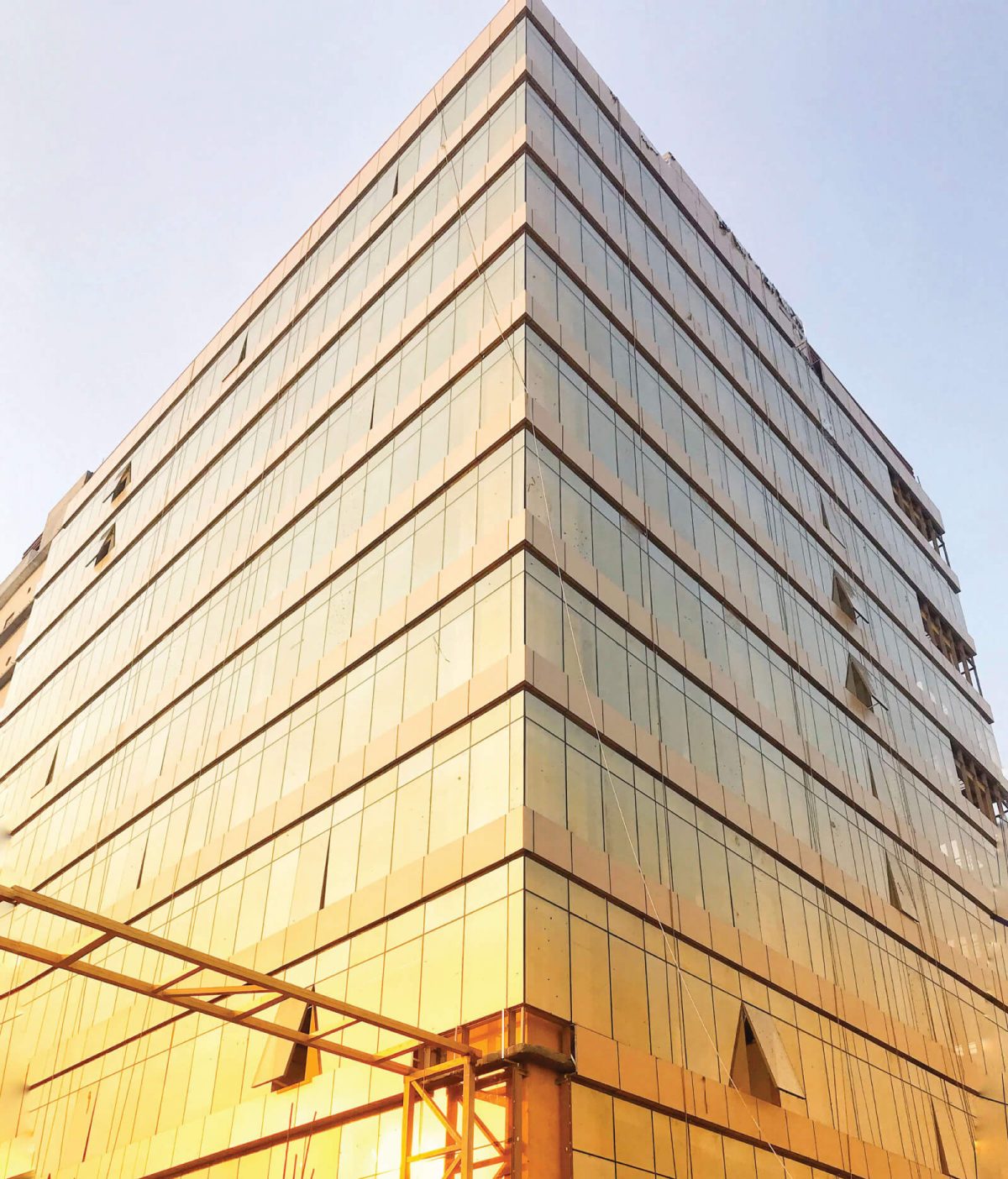
With rising temperatures and increasing exposure to harmful ultraviolet (UV) rays, keeping indoor spaces cool and comfortable has become more important than ever. Excessive heat entering through windows can make homes and commercial buildings uncomfortable, increase dependency on air conditioning, and raise energy bills.
While curtains and blinds may offer temporary relief, choosing the right heat control glass can provide a long-term solution. Heat control glass is specially designed to reduce solar heat gain, block harmful UV rays, and improve indoor comfort without compromising on natural light or ventilation.
Whether for homes, offices, or commercial buildings, installing heat-resistant glass for windows helps maintain comfortable indoor temperatures, protects interiors from sun damage, and improves overall energy efficiency. There are several types of heat control glass available in the market, each designed to address specific requirements. Let’s explore some of the most effective options.
Why is Heat Control Glass Important?
Heat control glass plays an essential role in maintaining indoor comfort and reducing excessive heat buildup caused by sunlight. Here are some key reasons why heat control glass is becoming increasingly popular:
- Reduces heat gain: Minimises the amount of solar heat entering indoor spaces.
- Blocks harmful UV rays: Protects occupants and interior furnishings from UV damage.
- Enhances energy efficiency: Reduces dependency on cooling systems and lowers electricity costs.
- Improves comfort: Helps maintain a cooler indoor environment, especially during summers.
- Protects interiors: Prevents fading of furniture, curtains, flooring, and upholstery due to prolonged sun exposure.
Types of Glass for Heat Control
1. Reflective Glass
Reflective glass is one of the most commonly used types of heat control glass for modern homes and commercial buildings. It is designed with a special metallic coating that reflects a significant portion of solar radiation, helping reduce heat gain indoors.
Reflective glass can be used for a wide range of architectural, aesthetic, and energy-efficient applications. Several advanced variants, such as AIS Sunshield Reflective Glass, combine durability with solar control technology to reduce heat entering the building while enhancing energy efficiency.
You can use reflective glass to reduce solar glare and maintain comfortable indoor temperatures in homes, offices, and commercial spaces. Its solar control properties help curb the amount of heat and glare passing through the glass while still allowing sufficient natural light indoors.
Additionally, reflective glass offers protection against harmful UV radiation due to its specialised coating. Apart from functionality, it also enhances the aesthetic appeal of buildings by providing sleek, modern exteriors, making it a practical and stylish option.
Benefits of Reflective Glass
- Reduces heat gain and solar glare
- Improves energy efficiency
- Protects against harmful UV radiation
- Enhances the aesthetics of building exteriors
- Suitable for residential and commercial spaces, learn more about uses of reflective glass.
2. Tinted Glass
Tinted glass is another popular type of heat control glass that helps absorb solar energy and control heat transmission. Unlike reflective glass, which reflects solar radiation, tinted glass absorbs a portion of the sun’s energy to reduce heat penetration indoors.
This enables tinted glass to cut down on excessive heat and create a more comfortable indoor environment. It also contributes to enhancing the visual appeal of building exteriors.
Leading manufacturers such as AIS offer Tinted Heat-Absorbing Glass, designed to reduce the amount of heat flowing into buildings, thereby lowering the cooling load on air-conditioning systems and improving energy savings.
Tinted heat-absorbing glass can absorb approximately 30% to 45% of solar heat, depending on its tint, thickness, and colour. Its flexibility in design makes it a preferred choice among architects and designers looking to incorporate modern aesthetics into their projects.
Additionally, tinted glass reduces glare and limits excessive visible light transmission, helping create a soothing indoor environment while offering protection against harmful UV rays.
Benefits of Tinted Glass
- Absorbs solar heat effectively
- Reduces indoor temperature and cooling load
- Controls glare and excessive brightness
- Enhances privacy and aesthetics
- Improves energy efficiency, learn more about the benefits of green tinted glass.
3. Solar Control Glass
Solar control glass is specifically designed to reduce solar heat gain while allowing natural daylight to enter a building. It helps maintain indoor comfort by reflecting and absorbing solar radiation without significantly affecting visibility. Learn more about what solar control glass is and its applications in our detailed guide.
This type of glass is especially suitable for regions experiencing high temperatures, as it helps keep interiors cooler and reduces reliance on air conditioning systems. Solar control glass also contributes to energy savings and sustainable building practices.
Many premium solar control glasses are engineered to strike the perfect balance between heat reduction, light transmission, and aesthetics, making them ideal for façades, windows, and skylights.
Benefits of Solar Control Glass
- Reduces heat transmission
- Allows natural daylight indoors
- Improves thermal comfort
- Reduces energy consumption
- Suitable for modern architecture
4. Low-E (Low Emissivity) Glass
Low-E glass is coated with an invisible metallic layer designed to regulate heat transfer. It reflects heat while still allowing visible light to pass through, helping maintain comfortable indoor temperatures and improve energy efficiency. Learn more about how Low-E glass enhances energy efficiency in our detailed guide.
During hot weather, Low-E glass prevents excessive heat from entering the building, while in colder months, it helps retain indoor warmth. This makes it a highly energy-efficient option for residential and commercial spaces.
Benefits of Low-E Glass
- Improves insulation
- Controls indoor temperature efficiently
- Reduces energy consumption
- Enhances occupant comfort
- Supports sustainable building design
How to Choose the Right Heat Control Glass?
Selecting the right heat control glass depends on several factors, including:
- Climate conditions in your location
- Building orientation and sunlight exposure
- Energy efficiency requirements
- Aesthetic preferences
- Budget and maintenance considerations
Consulting experts can help determine the ideal glass solution based on your architectural and performance requirements.
Conclusion
Choosing the right type of heat control glass can significantly improve indoor comfort, reduce energy costs, and enhance the visual appeal of a building. Whether you opt for reflective glass, tinted glass, solar control glass, or Low-E glass, each type offers unique benefits tailored to different needs.
AIS offers a wide range of high-performance glass solutions designed to improve thermal comfort and energy efficiency while complementing modern architectural styles. Get in touch with AIS today to find the ideal heat control glass solution for your home or commercial space.