Categories

How to Maintain and Clean Your Car Sunroof

There is nothing like the fresh breeze and open skies you get with a sunroof until dirt, dust, or a stubborn leak ruins the vibe. Whether you use your sunroof frequently or just enjoy the occasional sunshine, keeping it clean and well-maintained is crucial to its longevity.

A little care can go a long way in preventing squeaks, jams, and costly repairs. However, it is not as complicated as it sounds.

If you are wondering how to maintain a sunroof, here are a few easy tips to keep it looking great and working smoothly, so you can enjoy every drive with the sky above you.

How to Clean Sunroof Sunroof Cleaning Tips:

  • Wash off dust, bird droppings and loose debris with plain water to prevent scratches.
  • Clean the roof using a soft cloth or sponge along with a pH-balanced car shampoo.
  • Avoid swirl marks by wiping in straight motions rather than circular ones.
  • For the sunroof glass, use a dedicated glass cleaner and a microfiber cloth, as other fabrics may damage tinted glass and rubber seals.
  • Gently clear out debris from the drainage channels, as blocked drains can lead to interior leaks.
  • Use a microfiber cloth to prevent water spots and finish with a light wax if desired for added shine and protection.

How to Maintain a Sunroof 5 Tips

Now that you know the easy cleaning tips, you need to learn how to maintain your car sunroof for uninterrupted views. Here are some simple tips:

1. Start with the Owner’s Manual:

The owner’s manual contains all the information you need to operate your sunroof correctly. Every car is a little different, and what works for one model might damage another. Whether it is a tilt-and-slide or panoramic roof, following the manufacturer’s instructions ensures you are not accidentally overusing, jamming or stressing the mechanism.

2. Be Gentle with Weight and Pressure:

The area around a sunroof is not as structurally strong as a regular metal roof. Avoid placing heavy objects on top or exposing the sunroof to high-pressure water or loads, especially for extended periods. It may withstand occasional pressure, but repeated pressure can cause long-term damage to the seals and alignment.

3. Keep the Mechanism Smooth with Lubrication:

Just like any moving part, your sunroof requires occasional lubrication. This keeps the tracks and hinges gliding smoothly. Refer to your owner’s manual to determine the correct type of lubricant, typically a silicone-based one, and apply it sparingly to the moving parts. This simple habit can prevent annoying squeaks, jerky movements or even a stuck sunroof on a hot day.

4. Let the Experts Take a Look:

You might be great with DIY tasks, but sometimes it’s worth letting a professional handle the check-up. A trained technician can inspect things you might miss, like the motor, wiring, drainage system and hidden damage. A routine service appointment can detect early signs of trouble and prevent costly repairs down the line.

Upgrading Your Sunroof? Choose the Right One!

Are you thinking of upgrading your sunroof or installing one in your car? It is a great way to add light, ventilation and a touch of luxury to your daily commute.

Now that you know how to clean a sunroof and how to maintain a sunroof, it is equally important to choose the right glass and type of sunroof for safety and comfort. Learn more about the different types of sunroofs and which one is best for you. Not all sunroofs are made equal, and the type of glass you choose can make a significant difference in terms of safety, durability and overall driving comfort. 

AIS provides top-notch automotive glass solutions, designed with both performance and protection in mind. From UV-protected glass that shields you from harmful rays to tempered and laminated options that improve safety, AIS has you covered.

Conclusion

A sunroof glass adds charm, comfort and style to your vehicle, but only if it is well-maintained and made with the right materials. With just a little care and the right upgrades, you can enjoy a smooth, trouble-free experience for years to come.

At AIS, we offer high-quality, durable and safety-enhanced glass solutions for sunroofs. Recognised among the best glass manufacturers in India, we provide premium tempered, UV-protected and laminated glass solutions designed for superior performance, safety and comfort.

Contact us today to discover our range and choose smarter, safer glass solutions with AIS.

Categories

Understanding the Benefits of UV-Protection Glass

Have you noticed the rise in temperatures over the last few years? Summers have become hotter than before. While choosing sustainable options and reducing your carbon footprint are necessary, it is also important to protect yourself from harsh UV rays.

At AIS Glass, we understand that protecting your home and office goes beyond just creating a beautiful space. It’s about safeguarding your well-being as well. Our UV-protection glass solutions are designed to shield you from harmful rays and enhance the comfort of your space.

What is UV-protection Glass?

UV-protection glass is designed to block harmful (infrared) IR and (ultraviolet) UV rays. It is manufactured using advanced technologies that help absorb harmful rays while allowing ample natural light to penetrate. By minimising UV exposure, it helps maintain the right indoor temperature.

This specialised type of glass protects your skin and furniture from damage caused by UV exposure and also maintains a comfortable indoor temperature by reducing the heat that enters the room. With UV-protection glass you can enjoy natural sunlight without harmful effects.

What Makes UV-protection Glass Superior?

UV-protection glass is designed to block up to 99% of UV radiation. However, the amount of heat prevented depends on the tint and the thickness of the glass. With specialised coatings, UV-protected glass can reflect harmful glare and offer multiple benefits.

Benefits of UV-protection Glass

UV-protection glass protects your space from the severe impact of the harsh rays of the sun. Here are some benefits offered by a UV-protected glass.

Restricts the Entry of UV Rays

UV rays are harmful and can have adverse effects like, skin damage and increased risk of skin cancer. Beyond health concerns, it can also affect the aesthetic appeal and longevity of your interiors.

Reduces Glare

This glass can help minimise the harsh glare caused due to direct sunlight. Reduced glare creates a more comfortable and pleasant environment. This is especially beneficial in spaces where screen usage, that is, TV or computers, etc., are frequent as it reduces the strain on the eyes and improves visibility.

Ensures Optimum Energy Efficiency

UV rays can cause rooms to heat up quickly. This leads to higher usage of air conditioners and other cooling systems. However, with UV-protection glass, less heat can enter, allowing your interiors to remain cooler naturally. Thereby, reducing the strain on cooling systems and saving energy.

Moreover, this glass allows an ample amount of daylight to be transmitted indoors. The presence of sufficient light during the day reduces the need for artificial lighting.

The minimum requirement of light and temperature maintenance reduces electricity consumption and energy bills.

Protects Furniture and Furnishings

UV rays are harmful to furniture and furnishings. When exposed to these harsh rays for prolonged periods, they can decolour the furnishings, fade their natural shine and damage their texture.

UV-protected glass can restrict the entry of these rays, protecting the indoors and your valuable decor and electronics.

Offers Health Benefits

Consistent exposure to UV rays can damage your skin. As mentioned earlier, it can also adversely impact your well-being and pose risks like skin cancer, migraines and other skin diseases. Opting for UV-protected glass can minimise the risk of health conditions caused by these rays.

Improved Security

When paired with thick security film, UV-protection glass offers enhanced security. It offers an additional layer of protection against break-ins and unauthorised entries. This combination helps prevent glass from shattering upon impact, hence, giving you peace of mind that your home or office is safeguarded from intruders.

Conclusion

UV-protection glass offers more than just protection; it ensures your space remains comfortable and energy-efficient.

At AIS Glass, we believe in providing solutions that enhance both the aesthetic of your space and contribute to sustainability. Our diverse range of UV-protected glass, including, AIS SUNSHIELD and AIS OPAL help reduce energy, cost and protect your health.

Contact us today for custom solutions for your homes and office spaces.

Categories

Understanding the Advantages of UV-Protected Glass for Modern Living

Global warming and climate change have become considerably more evident in recent years. The impact of UV rays on the earth and our well-being has grown more serious. Hence, it is essential to take proactive steps to protect ourselves and our indoor environments.

One of the most efficient and elegant ways to do this is to install UV-protected glass from AIS Glass in homes and offices. This innovative solution not only enhances your space but also offers protection from harmful UV rays.

Advantages of UV-Protected Glass

UV-protected glass offers a multitude of benefits while also enhancing your home’s aesthetics.

Healthier Indoor Environment

Exposure to UV rays poses severe health risks for the residents, such as discomfort in the eyes, risk of skin cancers, premature ageing, etc.

The use of UV-protected glass reduces the penetration of harmful UV rays, ensuring you are well-protected even while you bask in the morning sun. This results in a healthier and worry-free indoor environment.

Preservation of Furnishings, Artwork and Electronics

UV rays also cause severe damage to furniture in living spaces. Furnishing such as leather, plastic or fabric can fade, resulting in compromised quality and structural integrity. However, with UV-protected glass on the windows, you can protect your valuable decor pieces and ensure improved longevity and vibrant interiors.

Moreover, harmful UV rays can also fade your priceless masterpieces, damage high-end electronics and degrade them over time.

Improved Energy Efficiency

Your house windows play a crucial role in keeping the interiors cool and well-protected. UV-protected glass, absorbs solar heat, thereby reducing the need for cooling systems and energy consumption.

Increased Privacy

Our UV-protected glass not only shields interiors from harmful rays but also offers enhanced privacy. Its special coating limits visibility from the outside and still allows natural light to flow in. This makes it ideal for homes and offices where brightness and privacy, both are important.

Reduce Sunlight Glare

Excessive sunlight glare can cause discomfort, such as headaches and strain on your eyes. However, our UV-protected glass effectively reduces glare and risks, ensuring a peaceful and comfortable environment.

Elevated Aesthetics

In an era when architectural designs are rightfully valued and have numerous solutions to enhance them, why choose between comfort, health and good aesthetics? AIS Glass not only offers intelligently crafted, highly efficient UV-protected glass but also ensures that your decor remains vibrant and protected from sun damage.

Types of AIS Glass Providing UV Protection

Types of AIS GlassFeatures
AIS SunShield
  • Best- in-class solar control technology, reducing heat gain and ensuring comfortable interiors
  • Advanced heat reflective technology that protects against harmful UV rays
  • Improves energy efficiency by reducing the usage of ACs
AIS Decor
  • Suitable for humid environments like kitchens and bathrooms
  • Resistant to UV rays, preventing discolouration over time
  • Ideal for wall panelling, windows, furniture and more
AIS Swytchglas
  • Transitions from transparent to opaque with a switch <.li>
  • Locks harmful UV rays, protecting interiors and occupants
  • Operates effectively between -10°C to 50°C
  • Suitable for windows, skylights, partitions, etc, in both residential and commercial spaces

Applications of UV-Protected Glass

UV-protected glass is widely used in a number of ways. Some of the various applications of the glass for modern living include:

  • Facade for residential buildings
  • Windows, glass doors and floor-to-ceiling windows
  • Commercial complexes to create a more comfortable environment
  • Patio and sunroofs
  • Skylights and canopies

Conclusion

Whether indoors or outdoors, protecting from harmful UV rays is a must. UV-protected glass makes protecting you, your loved ones and your valuable possessions simple and practical. It also helps you achieve the style and elegance you desire while brightening the place and maintaining its cosiness. 

We at AIS Glass prioritise customer satisfaction and their utmost comfort. With a variety of options for you to choose from, we ensure that sophistication and safety walk hand in hand.

Categories

Low-E Glass: Essential Maintenance Tips

Eco-friendly solutions and smart innovations are gaining significant popularity for home and office architectural designs.

Among the different options, low-E glass is becoming a favourite for architects. Its ability to reflect heat and reduce energy consumption makes it a beneficial investment. However, regular maintenance is crucial to keeping the low-E glass’s performance and durability in check.

Here are some essential maintenance tips that will help you keep your low-E glass in top condition and maximise its benefits.

The Ultimate Guide to Low-E Glass Care and Maintenance

Regular Cleaning of the Glass

The metal oxide coating of low-E glass sets it apart from standard glass. Thus, maintaining it is crucial to ensure the glass’s required efficiency in keeping harmful UV rays away.

Here are a few steps for cleaning low-E glass without damaging its coating.

  • Mix a mild soap solution with water and spray it on the glass from top to bottom.
  • Rinse the glass with a generous amount of water.
  • Wipe off the extra water with a dry, soft cloth for a shiny look.

Remove Stains with Spot Cleaning

  • To clean stubborn stains on low-E glass, you can opt for denatured alcohol or acetone.
  • Wet the tip of a soft cloth in any of the solvents mentioned above and gently rub the cloth over the stain.
  • Avoid applying too much pressure, as this can damage the coating or scratch the glass.
  • After cleaning the stain, use a microfibre cloth to wipe away any remaining solvent or cleaning product. This will help prevent streaks or water spots.

Cleaning Mistakes to Avoid

  • Ensure the glass does not come into contact with sharp metals to protect the coating over the low-E glass.
  • Avoid harsh chemicals like ammonia, which can damage the coating and scratch the glass.

Checking and Maintaining the Seals

Inspecting the seals around your low-E glass is crucial to keep it operating at its best capacity. Thus, you must periodically check the seal and replace it promptly if needed.

You must either consult an expert for replacement support or follow the manufacturer’s guidelines. Well-maintained seals prevent moisture and air leaks, which can impact the glass’s energy efficiency and overall performance.

By keeping the seals in good condition, you can safeguard the longevity and effectiveness of your low-E glass.

Inspecting the Glass for Damage

Regularly inspect your Low-E glass for signs of wear and tear and damage, such as cracks or unclear or hazy patches.

If you notice any of these issues, get professional help for prompt assistance. This will help you maintain the energy efficiency and comfort of your home or office.

If the damage is severe, consider replacing the damaged Low-E glass with a new one to restore energy efficiency, maintain a comfortable indoor environment and prevent increased energy consumption.

AIS Glass: Your Trusted Partner for Low-E Glass Solutions

At AIS Glass, we offer a range of Low-E glass solutions, including AIS Ecosense Range –  Enhance, , Edge, Essence, Exceed and Spectra, which ensure enhanced thermal insulation and solar control.

Our Low-E glass products offer multiple benefits, including energy savings, durability, better light transmission and best-in-class solar-control performance. This makes them ideal for residential and commercial applications.

Conclusion

Low-E glass is known for its durability and efficiency. However, it must be checked to ensure optimum performance. By following the tips outlined in this guide, you can extend the lifespan of your low-E glass, prevent costly repairs and enjoy significant savings on your electricity bills. Discover the advantages of low-E glass such as improved energy efficiency and reduced heat transfer.

While cleaning, remember to avoid harsh chemicals and check the seals for wear and tear. If you are looking to install low-E glass or replace an existing one, explore AIS Ecosense range of products.

At AIS Glass, we offer diverse glass solutions to cater to the varying needs of homes and offices. From careful selection to easy installation and aftersales assistance, we are here to help you every step of the way. Visit our website or contact our team today to learn more about our low-E glass solutions and take the first step towards an energy-efficient future.

Categories

A Complete Guide to Selecting the Ideal Shower Enclosure

Whether it is to wash away the sweat of a hot summer day or to wake your cold body on early winter mornings, baths are a non-negotiable ritual. Bath time is for complete mind and body rejuvenation.

So, how can you enhance your bathtime routine without crowding your bathroom or compromising on aesthetics? The answer is shower enclosures. 

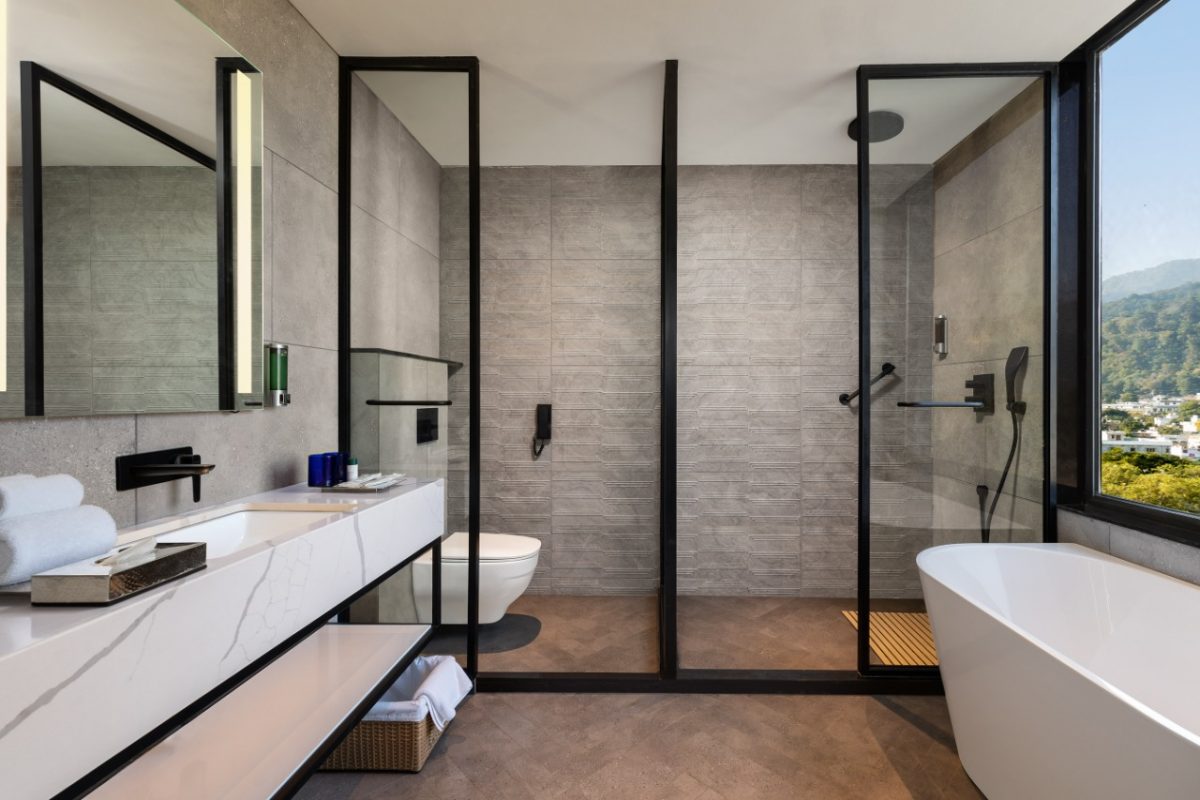
A shower enclosure can completely transform your bathroom. Installing a shower cubicle can add style and sophistication, giving your bathroom a spacious and luxurious look. Here is the ultimate guide to selecting an ideal shower enclosure.

What is a Shower Enclosure?

A shower enclosure is a glass cabin or contained area installed in your bathroom. It is a cubicle that separates the wet and dry areas and prevents water from splashing all around.

It is made of glass panels and doors to blend seamlessly with the other bathroom elements. In addition to being a functional box for your bath time routine, a shower enclosure also gives your bathroom a fresh look. 

Factors to Consider When Selecting an Ideal Shower Enclosure

Here are a few points you must consider when selecting a shower enclosure for your bathroom.

Floor Space and Size

To choose the right shower enclosure, measure your bathroom and available floor space to assess the correct style and type of enclosure. If your bathroom has limited floor space, you can opt for a bi-fold or sliding door shower enclosure, whereas for bigger bathrooms, a luxurious hinged glass enclosure will be a great option.

Design Flexibility

You need a shower enclosure design that blends well with the entire bathroom, is highly functional and does not crowd the available space. Thus, you must choose an enclosure that allows you to experiment and find the right fit.

At AIS Glass, you can customise the enclosure based on the glass type, frame material and hardware to ensure it reflects your style and elevates your bathroom’s elegance.

Ease of Maintenance

Shower enclosures are constantly exposed to water. Therefore, it is important to consider the enclosure’s material and the required maintenance effort.

AIS Glass shower enclosures are made of high-quality glass to ensure maximum durability without compromising style and privacy needs. Regardless of the materials involved, regular cleaning using a soft cloth and glass cleaner can ensure they remain neat and crystal clear for a long time.

Budget

Before exploring the various shower enclosure options, define a budget. This will help you choose a design that complements your bathroom aesthetics without compromising on quality or overspending.

Styles of AIS Glass Shower Enclosures For Different Bathrooms

To find the right shower enclosure for your bathroom, you must consider its type and know the different styles offered by AIS Glass. This will help you select an enclosure that fits your bathroom space and meets your functional needs.

Shower Styles for Small Bathrooms

For small bathrooms, the best shower enclosures are those that keep the space open without occupying too much floor space. Some AIS Glass solutions for such bathrooms include the following styles –

  • One fixed glass and one door (both hinged on the side walls), attached at a 90-degree angle for easy access from one side.
  • One fixed glass without a door with partial side space for entry, offering a sleek, walk-in aesthetic.
  • Only door without fixed glass to give your bathing area a separate identity, without taking up too much space in the bathroom.

Shower Styles for Mid-Sized Bathrooms

For mid-sized bathrooms, choose a shower enclosure that maximises available floor space without compromising on style. Some styles include –

  • Two fixed glasses + one door in the middle (135° corner shower partition) separate the shower area and give your bathroom an elegant look.
  • One fixed glass and one door (hinges on the glass corner) to fit unique layouts without taking up too much floor space.
  • Our one fixed glass and one door (hinges on the wall), or our one fixed glass and one door (hinges on the glass) for easy access and minimal hardware for a modern look.

Shower Styles for Large Bathrooms

For large and spacious bathrooms, the right shower enclosure should feel luxurious with the optimum space utilisation. Some of our styles include –

  • Two fixed glasses and one door in the middle create a grand, symmetrical entrance perfect for wide shower areas.
  • Two fixed glass panels and one door (hinges on the wall) boast a minimalist yet flexible design.
  • Two fixed glasses and one door (hinges on one fixed glass) showcase a unique design outlook with one side entry for an aesthetically pleasing bathroom.

Conclusion

Shower enclosures have become a salient element for any bathroom. However, no one type suits all preferences. You can choose the type and design of your shower enclosure by exploring top-quality glass and frame options. Remember to assess your bathroom space and interiors to make the right choice. 

Now that you are ready to revamp your bathroom the right way, contact AIS Glass to explore our wide range of shower enclosures. Our range is designed to perfection and promises minimal upkeep, quality glass solutions, unmatched durability and trouble-free performance.

Categories

All You Need To Know About Types Of Glass Shower Doors

To make your shower enclosure more appealing and enhance its aesthetics, add a modern glass shower door that reflects your style and allows you to personalise it the way you like. With endless possibilities to customise the doors’ style, such as varying opacities, colours and patterns, you can achieve the look for a perfect bathroom aesthetic.  

So, before you choose the right type of shower door to meet your requirements, here is everything you need to know about AIS glass shower doors.

Types of Glass Shower Doors

Select the best-suited glass door type to enhance the overall aesthetic of your bathroom. Below are a few examples.

Bypass or Sliding Shower Doors

Sliding shower doors are best if you have limited bathroom space because they don’t swing open. These doors are designed with two glass panels that smoothly slide over sliding rollers on their tracks. Their sleek design offers an elegant look and makes optimal use of the available space.

Hinged Shower Doors

These glass shower doors are ideal for a classic, minimalist or contemporary bathroom. They provide easy entry and exit access while maintaining a classy look by offering a clean design that blends seamlessly with any decor. The glass also enhances the feeling of space, making your bathroom look more open and airier. 

Frameless Shower Doors

For a more elegant touch, sleek, frameless shower doors are the perfect choice. They are built with toughened glass such as AIS Stronglas™, making them five times stronger than annealed glass. Not only do they elevate the bathroom aesthetic, but they also simplify maintenance by keeping the space clean.

Framed Shower Doors

If you want to add a timeless charm to your bathroom, our French Doors can be the ideal choice. With a metal frame around the glass, these doors are more stable and easier to install. In addition to their clean look, the framing ensures no leaks from the shower cubicle.

Types of Shower Glass

The type of glass in the shower door accentuates the bathroom’s look and serves as a great opportunity to add a personal touch to the space. We offer a variety of options to help you customise the space:

Clear Glass

The most widely used glass type for shower doors is clear glass. Being neutral, it complements any decor style, including stone, metal or even other types of glass. Additionally, it allows more light to enter and makes the bathroom appear more spacious. AIS Valuglas, a type of clear glass, is a heat-strengthened laminated glass, which makes it highly durable and ideal for indoor use.

Frosted Shower Glass

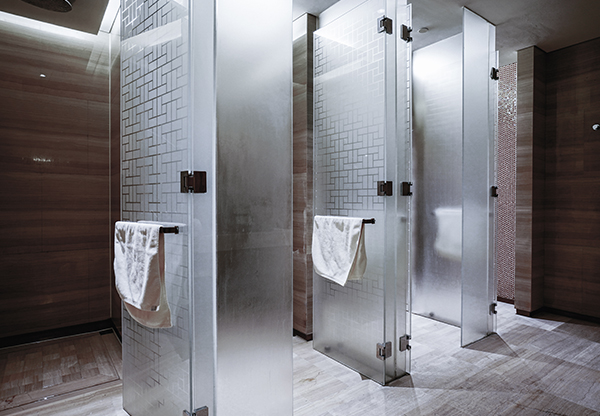
Available in three distinct patterns[1] , it is an excellent choice that meets your privacy needs, brightens the space and adds a design accent. Its matte finish not only adds a contemporary look but also prevents water stains and smudges, helping you effortlessly maintain the look and feel of your bathroom.

Tinted Shower Glass

Tinted glass is a beautiful, colourful addition to your bathroom’s decor. You can choose from our available colour options and select the tint that best matches your design style. It not only enhances privacy but also infuses a splash of colour into your space.

Conclusion

Glass can elevate the aesthetics of any architectural creation, and glass shower cubicles can make the most intimate part of a house graceful and sophisticated. From the wide variety of glass shower doors available, choose the most suitable option for your requirements.

At AIS Glass, you can get personalised solutions with a diverse range of glass types that meet your requirements. With our smart “Shower Protect Technology,” we ensure high durability, minimal upkeep, reduced limescale damage and a hygienic environment.

Categories

How to Care for Your Eco-Friendly Glass to Ensure Longevity

Opting for an eco-friendly glass is not just about sustainability. It is a thoughtful way to a greener and smarter lifestyle and future. When you choose these glasses for energy efficiency and being environmentally-responsible, it is also essential to care for them to ensure longevity.

At AIS Glass, we believe that durability and sustainability go hand in hand. Hence, our eco-friendly glass solutions help safeguard the environment, reduce carbon footprint and enhance the aesthetic and comfort of your space. But, to make the most of our offerings, careful maintenance is the key.

What is an Eco-Friendly Glass?

Glass plays a vital role in making the building greener and achieving sustainable goals like energy efficiency. However, normal glass allows excess heat and light to penetrate through it.

Eco-friendly glass reduces heat and cold transfer and makes the indoor environment more comfortable. It consists of two or three layers of glass with air gaps in between. These layers help block cold and heat and reduce the strain on your cooling and heating systems.

Eco-friendly glass is, thus, characterised by energy-efficient properties that reduce overall energy consumption.

Maintenance Tips for Eco-Friendly Glass

Maintaining eco-friendly glass helps in ensuring longevity and continued performance. With proper care you can not only maintain its energy-efficient qualities but also ensure bright, comfortable interiors.

Select the Right Cleaning Tools

Eco-friendly glass often has a coating that reflects infrared and ultraviolet rays. You must choose the right tools for cleaning the glass without damaging the coating.

  • Use mild solutions that do not react with the coatings.
  • Choose non-metallic pads to scrub the glass to avoid any scratches.
  • Go for a lint-free, soft cloth to wipe the reflective glass.

Cleaning Process

  • For regular cleaning, wet a corner of the lint-free cloth and gently wipe the surface of the eco-friendly glass in a circular motion.
  • In case of stubborn stains, use warm vinegar diluted in water or mild cleaner. Apply the solution to the stained area for a few minutes and then gently wipe off using a soft cloth.
  • While cleaning the glass, always check if there are any scratches or signs of damage. If you find any issues, address them promptly to maintain the glass’s performance.

Maintenance Tips for Longevity

  • Follow a regular cleaning routine and avoid abrasive materials.
  • Keep a mixture of vinegar and water handy to clean the glass regularly.
  • Check for any instructions given by the glass manufacturer on how to maintain the glass.
  • Avoid harsh chemicals, as they can damage the metal oxide coating.
  • Check for any issues with the seals or frames of the glass panes.
  • Avoid using harsh chemicals, especially the ones indicated by the manufacturer.

Advantages of an Eco-Friendly Glass

Eco-friendly glass for building and construction such as AIS ECOSENSE, AIS SUNSHIELD and AIS OPAL offer several benefits, some of which are as follows.

  • Eco-friendly glass lowers the amount of heat and cold transferred. It reduces the risk of significant heat loss in the winter and excessive heat gain during the summer. This further reduces the dependency on cooling and heating systems, making the building energy-efficient.
  • Solar-protected or tinted glass ensures enough natural light penetration to illuminate the interiors. These glasses eliminate the harsh glare and UV rays without obstructing the flow of natural light, making them ideal for sustainable buildings.
  • Green glass is often tempered or laminated, which ensures strength and durability.
  • The lamination layer used in eco-friendly glass also makes it resistant to sound.

Conclusion

Eco-friendly glass is becoming a cornerstone of modern architecture as they offer sustainability, comfort and bring in natural light. With just a little care and attention you can extend the life of your glass and ensure it continues to perform beautifully over the years.

At AIS Glass we understand that every project is unique and that is why we offer eco-friendly glass solutions as per your requirements.  For expert advice and eco-friendly glass solutions, reach out to AIS Glass today.

Categories

How Glass Can Bring Aesthetic Balance to Your Bedroom?

Modern bedrooms feature statement pieces, cosy corners and exceptional interiors. A thoughtfully designed bedroom must be visually appealing while creating a safe space to unwind.

The key to unlocking a balanced aesthetic for your bedroom while celebrating modern sophistication lies in the strategic use of glass solutions. Glass combines elegance with functionality to elevate your interiors.

If you are planning to renovate your bedroom and wondering how to use aesthetic glassto create a sense of calm and harmony, this guide can help.

How Can Aesthetic Glass Elevate Your Bedroom Design?

Frosted Glass Partitions

Glass partitions are the perfect addition to add an aesthetic touch to your bedroom without crowding the floor space. It seamlessly creates a division between your bedroom and closet to give it a harmonious look.

AIS Krystal, the only branded frosted glass in India, ensures the desired privacy while still keeping your room bright and radiant. Its premium matte finish with varied colour options will match your bedroom’s decor theme.

Mirrored Furnishings

The strategic placement of a ceiling-to-floor mirror or mirrored wardrobe doors can be a great way to showcase modern elegance without too much hassle. Mirrors reflect light, illuminating every corner of your room to create a calming environment.

Mirrored wardrobes not only help you get ready faster, but they are also hassle-free when blending with the surrounding decor. They become the centrepiece of your room and give it a clean and spacious look.

Tinted Windows for UV Protection

UV protection is necessary today for our bedrooms to keep the interiors and furniture undamaged. But that shouldn’t come at the price of aesthetics. For a common solution, you can install floor-to-ceiling tinted windows that add a pop of colour while providing smart UV protection.

AIS Tinted Glass is crafted with certain metal oxides that reduce the solar heat by 30-40% and protect you from harmful UV rays.

Glass Wall Art

For a unique focal point in your bedroom, pick a shape of etched laminated glass and place it beside your ceiling-to-floor windows or above your bed. This will transform your space into a designer masterpiece.

AIS Glass offers options such as tinted glass or frosted lacquered glass that will elevate your interiors and achieve the desired balance you need in texture and colour.

Smart Blinds for Windows

Install AIS Integrated Blinds with Glass Panels to reduce the bulkiness of fabric curtains and achieve a seamless, uncluttered look. This innovative solution allows you to adjust the privacy in your room using a remote.

These smart glass blinds turn transparent or opaque depending on your mood and privacy preference, all with a click of a button. This makes your bedroom a luxurious and modern space for enhanced living.

Aesthetic Glass: Additional Benefits for Your Bedroom

  • Improves Natural Light: It allows natural light to pass through, illuminating every corner of your room and offering tranquillity. The improved amount of light in the room minimises the need for artificial lighting, making it an energy-efficient choice.
  • Versatility: Aesthetic glass can be used for various purposes, from mirrors and staircase railings to display units and windows.
  • Durability: AIS Glass offers several durable glass types, including AIS Stronglas, which is tempered and laminated to withstand impact and ensure longevity.
  • Sustainability: Glass helps you bring your dream room aesthetics to life while still being environmentally friendly. It balances your room’s decor and reduces your carbon footprint.

Conclusion

Whether brightening up your room with a lacquered accent or adding a minimalist touch with frosted glass, aesthetic glass can do wonders to modernise your bedroom. 

Contact AIS Glass to explore our extensive range of aesthetic glass solutions for your bedroom. We prioritise premium quality, high safety and maximum durability to bring you the best glass innovations that will help you achieve the stunning bedroom transformation you have always dreamt of.

Categories

How Does Bullet Resistant Glass Work? The Science Behind It

At a glance, bullet-resistant glass may appear no different from regular clear glass. However, it is engineered to provide high levels of protection in high-risk environments. Made with multiple layers and advanced materials, this specialised laminated glass is designed to resist bullet impact and offer security and clarity.

At AIS, we understand safety and aesthetics go hand-in-hand. With our bullet-resistant glass, we offer a solution that delivers high security while seamlessly blending into your space.

What is Bullet Resistant Glass?

Bullet-resistant glass is a specialised type of laminated safety glass designed to withstand and slow down the impact of bullets. Unlike ordinary glass, it is made by bonding multiple layers of glass with durable interlayers such as polyvinyl butyral (PVB) or polycarbonate.

This multi-layered construction helps absorb and disperse the energy of a bullet, reducing its force and preventing it from penetrating the glass. While no glass is completely bulletproof, bullet-resistant glass is engineered to provide varying levels of protection depending on its thickness, composition, and ballistic rating.

How Is Bulletproof Glass Made? Key Materials Used in Its Manufacturing

Bullet-resistant glass is manufactured using multiple layers of glass and specialised interlayer materials that work together to absorb and disperse ballistic impact. To understand what bulletproof glass is made of, it is important to look at the materials that provide its strength, durability, and ballistic resistance. Common materials used in the production of bullet-resistant glass include:

  1. Laminated glass
  2. Polycarbonate
  3. Polyvinyl Butyral (PVB)
  4. Acrylic
  5. Polyurethane
  6. Glass-Clad Polycarbonate (GCP)

Polycarbonate and acrylic are among the most commonly used materials in ballistic glazing systems due to their high impact resistance and durability. When combined in multiple layers, these materials help create a strong protective barrier capable of resisting bullet penetration while maintaining optical clarity.

How Does Bulletproof Glass Work?

The workings of bullet-resistant glass are fascinating. If you have ever wondered how bulletproof glass works, the answer lies in its multi-layered construction, where each layer helps absorb and disperse the bullet’s energy to prevent it from passing through the glass.

As mentioned, AIS Bullet Resistant Glass is made from a combination of glass and PVB interlayers. To understand the science behind it, let us understand how it works using an example:

  • For example, when a handgun bullet strikes bullet-resistant glass, the bullet first impacts the outer glass layer, which may crack or fracture while absorbing part of the energy, before reaching the inner layers.
  • These polymer layers, made from multiple other components, change shape, absorb the energy from the bullet and redistribute it over a large area, reducing its impact.
  • This reduces the bullet’s speed, which then stops in the layers before exiting the glass material and hitting the object / person beyond the glass. Thus, the interlayers and thickness of the glass are important to stop bullets fired from different types of firearms.

There are several international standards to determine performance and bullet-resistance abilities. AIS products conform to European Norm EN 1063, set by the European Committee for Standardisation.

Based on European standards, the glasses are divided into classes ranging from BR1 to BR7, which tells us the type of ammunition the glass can handle.

Applications / Uses of Bullet Resistant Glass

Ballistic or bullet-resistant glass is a product made for specialised applications. This glass is made to ensure high-priority safety and defence. Common applications of bullet-resistant glass include:

  • High-security buildings like government institutions, embassies, and military offices.
  • Financial institutions such as banks or cash-handling areas use bullet-resistant glass for enhanced security.
  • The windows of armoured or military vehicles typically use automotive bullet-resistant glass. It is also used in vehicles for cash transportation, VIP movement, and other high-security applications.
  • Retail stores that deal with valuables like jewellery or high-end products can also leverage this glass for safety.

Conclusion

Bullet-resistant glass is a critical component in enhancing security in high-risk environments. Its strength and durability provide an added layer of safety, ensuring the protection of individuals and assets from potential harm.

If you are looking for ballistic glass solutions, AIS is recognised as one of the best bullet resistant glass manufacturers in India, offering advanced security glazing solutions for a wide range of high-security applications. We ensure proper standardisation, precise engineering, and high-grade protection. Contact us today to learn more about our diverse product range and put your safety first.

Categories

Why Choose Solar Control Glass Windows for Your Home or Office?

Who doesn’t like walking into a cold room on a hot summer day? But do you also hate the exorbitant electricity bills that follow? Don’t worry; solar control glass windows are all you need.

This innovative solution is specifically designed to block harsh UV rays and summer heat. It allows you to enjoy a cool indoor environment without any dependence on cooling systems, reducing your overall energy consumption.

At AIS Glass, we recognise the value of creating comfortable and energy-efficient indoor spaces. Here is how our exclusive range of specialised glass options with superior solar control properties can help.

What is a Solar Control Glass?

A solar control glass is a type of glass specially made to reflect the sun’s heat and harmful UV rays while allowing natural light to pass through. This unique functionality is achieved through a combination of coatings, typically consisting of certain metal oxides.

The presence of advanced coatings in our solar control glass ensures appropriate heat absorption. This, in turn, reduces the amount of heat and glare passing through while keeping the interiors bright and at an ideal temperature.

Benefits of Choosing Solar Control Glass Windows

While glass windows can aesthetically improve the design of a living space, solar control glass windows offer numerous benefits beyond visual appeal.

Prevent Intense Heat Gain

Solar control glass windows help maintain lower temperatures in homes and offices by minimising heat absorption. This allows you to enjoy a cooler, more comfortable indoor space and focus on your daily activities without feeling overwhelmed by the heat.

Enhance Energy Efficiency

Solar control glass windows restrict heat entry into your home or office. This decreases the need for air conditioning, ultimately leading to lower energy consumption and reduced electricity bills.

With solar control glass windows, you can effectively minimise your environmental impact while saving money on energy costs. You can choose from our AIS Ecosense range, which includes Enhance, Edge, Essence, Exceed and Spectra.

Each of our solar-control glass options provides superior thermal performance and enhanced energy efficiency, allowing you to create a sustainable and eco-friendly space that benefits both you and the environment.

Reduce Glare

Glare not only contributes to high indoor temperatures but can also make it uncomfortable for home or office owners, straining their eyes. However, with AIS Glass solar control glasses, such as AIS SunShield and AIS Tinted Glass, you can enjoy protection against sunlight glare without any interruption in your daily routine.

Protect Furnishings

Heat reflective glass also protects decor and furnishings, preserving their colour and extending their lifespan. The anti-fade properties of heat reflective glass, such as AIS Opal and AIS Opal Trendz, prevent fading and discoloration of furniture, carpets and other interior elements. This makes solar control glass windows a practical and cost-effective option.

Instant Visual Elevation

Solar control glass not only provides functional benefits but also elevates the living space. With a wide range of colours, styles and designs to choose from, you can find the perfect solar control glass to match your unique taste and decor.

For example, our AIS Opal Trendz, a heat-reflective glass, comes in vibrant shades and geometric patterns, adding a touch of personality to your space.

Conclusion

Solar control glass windows are an innovative solution for anyone looking for a comfortable, energy-efficient and stylish space. They protect your home or office from the sun’s heat, even on the hottest days, keeping your indoors pleasant.

At AIS Glass, we offer a diverse selection of solar control glass that will transform your space into a haven of comfort and sustainability. From AIS SunShield, which combines durability with advanced heat-reflective technology, to AIS Tinted, which absorbs 30% to 45% of solar heat without compromising on its aesthetics, we have a window solution for every requirement.

Whether you are upgrading your current home or building a new office, AIS Glass is here to help you create a space that is both functional and beautiful. Experience the benefits of solar control glass with us and elevate your living space!

Categories

Innovative Uses of Insulated Glass

Insulated glass, also known as energy-efficient glass, is becoming a popular choice for home and office spaces. With its advanced insulation properties and contemporary aesthetics, insulated glass offers a wide range of customised solutions.

If you want to save energy and promote sustainable living, consider opting for insulated glass to renovate your living or working space.

An Overview of Insulated Glass

Insulated glass contains two or more layers of glass combined with a perimeter spacer. The space can have an air gap or an aluminium space that perfectly separates the two glass panels and promotes insulation.

This configuration helps reduce heat, noise and UV transfer. With these benefits, the need for cooling systems during summer days drops significantly. Installing insulated glass can help you prevent heat absorption during the summer and acts as a strong barrier during winter to prevent heat loss and keep your rooms warm.  

Innovative Uses of Insulated Glass

Double Glazed Windows

To maximize the benefits of this pioneering insulated glass, consider using it for double-glazed windows. They prevent heat absorption, reduce the need for an air conditioning system and allow you to save on your monthly electricity bill.

At AIS Glass, we take innovation to the next level with our AIS IGU (Insulated Glass Unit) solutions. Designed to provide maximum energy efficiency, comfort, and cost savings, AIS IGU is the ideal solution for modern homes and buildings, transforming spaces into havens of comfort and sustainability.

Soundproof Doors & Windows

Noise pollution is a constant concern in urban areas. However, you can limit the intensity of noise by opting for insulated glass. It contains multiple layers that significantly contribute to noise reduction.

AIS IGU’s advanced technology and multilayer design make it a great solution for soundproofing your space. The multiple glass panes restrict the entry of sound waves, while the airtight hermetic seal ensures limited air movement inside the glass.  Whether you are looking to create a serene home office, a luxurious living room or a quiet restaurant, AIS IGU can help with its exceptional noise reduction capabilities.

Glass Roofs and Skylights

Glass roofs and skylights are another area where insulated glass showcases its innovative potential. It not only reduces heat buildup in summer and heat loss in winter but also lowers UV transmission and increases wind load strength.

Our AIS IGU (Insulated Glass Unit) is specifically designed for use in glass roofs and skylights. With AIS IGU, you can enjoy the benefits of natural light and scenic views while minimising energy consumption and maintaining a comfortable indoor climate.

Facades

Facades are a crucial aspect of building design and insulated glass is revolutionising this area. By using insulated glass for facades, you can create a robust barrier that keeps your building safe and comfortable while also reducing UV transmission.

Our AIS IGU is a glass solution that significantly reduces UV transmission and improves security, providing you with a facade that combines energy efficiency, durability and comfort. From sleek skyscrapers to chic boutique hotels, AIS IGU can add a touch of elegance, a dash of innovation and functionality to any type of space.

Conclusion

Today, insulated glass is making a significant impact in modern architecture. With its ability to provide energy efficiency, comfort and sustainability, it is no wonder insulated glasses are becoming a game-changer in building design.

At AIS Glass, we are proud to offer cutting-edge AIS IGU solutions that create spaces that are both visually appealing and functional. If you are ready to experience the benefits of insulated glass for yourself, contact us today.

Categories

Advantages of Clear Glass Windows for Your Home

Windows are an integral part of every home. Among all types of windows, clear glass windows are in the highest demand. But what makes these glass windows so special? Is it just about their aesthetic beauty? Let us find out.

Clear glass windows are a timeless addition to modern homes. They effortlessly transform a home’s entire ambience, making it more elegant, peaceful and functional. Beyond their aesthetic appeal, these glass windows have several practical benefits.

Advantages of Clear Glass Windows

Illuminate Your Space with Natural Light

One significant advantage of installing clear glass windows is that they are ideal for illuminating your space without relying on artificial lighting. Unlike tinted glass, clear glass allows sunlight to pass through, naturally brightening your space.

If you like to stay in touch with nature, consider installing a clear glass window in your home. It will add a natural vibe to your place, creating a cheerful environment in your home.

AIS Clear allows sunlight to pour in, creating a seamless connection between indoors and outdoors and making your space feel brighter, more spacious and effortlessly elegant.

Clear Outdoor Views

Imagine it’s a rainy afternoon, and you’re sitting beside your glass window with a hot cup of coffee, enjoying the view of your garden. Sounds relaxing, right? Well, that is the advantage of installing a glass window.

It allows you to soak in the outdoor views without any distortions. This is why today’s top architects prefer these glass windows for both modern and traditional houses.

AIS Clear provides an unobstructed view of the outdoors, bringing nature right to your doorstep. Whether you are gazing out at a lush garden, a bustling cityscape or a serene landscape, windows made with AIS Clear ensure that every detail is crystal clear.

Contributes to An Elevated Outlook

If you want to add an elegant touch to your house without breaking the bank, clear glass is a simple yet efficient solution, as it can be customised for specific needs.

For instance, AIS Clear offers a clean and modern appearance that enhances the overall look of your home. The sleek and transparent design, along with its sparkling surface, complements any architectural style, from minimalist apartments to grand villas.

It is a timeless choice that brings in natural light, creates a sense of openness and adds a touch of sophistication that makes your home feel truly luxurious and inviting.

Increases the Property Value

Clear glass windows can transform your ordinary house into an elegant modern home.  This transformation not only enhances the visual appeal but also makes the property more attractive to potential buyers, ultimately increasing its value.

In simple terms, clear glass windows are a smart investment that pays off in the long run.

AIS Glass offers high-quality clear glass solutions, including AIS Clear. This glass features a sparkling and brilliant lustre, which can give your home a modern, elegant makeover while significantly enhancing its market value.

Low Maintenance Requirements

Another plus point of installing clear glass windows is that they continue to impress for years to come without demanding any special maintenance. A quick wipe with a damp cloth can make them look as good as new.

Clear glass solutions ensure that you don’t have to worry about tedious maintenance or costly repairs. They are a simple and stress-free way to keep your home looking its best without putting in too much effort.

Conclusion

By opting for clear glass windows, you make your home brighter, more spacious and modern. Despite offering numerous practical advantages, these glasses require no special care.

Whether you’re renovating or building from scratch, clear glass windows are a worthwhile investment. For reliable glass solutions, choose AIS Clear, a high-quality clear glass product that will transform your home with its brilliance and clarity.

Visit AIS Glass today to explore our various high-quality and durable glass solutions for your homes.

Categories

Use of Processed Glass in Modern Industries

Have you wondered why modern shower doors exude more elegance than traditional wooden doors? The secret behind those mesmerising doors and windows is processed glass. With a smooth surface and flawless texture, processed glass is becoming a cornerstone of modern design.

Known for its impressive inner strength and amazing durability, processed glass is the way to go.

In this blog, we will talk about the uses of processed glass in our modern industries.

What is Processed Glass?

Processed glasses are high-quality glasses that have undergone advanced treatments. These treatments include tempering, sandblasting, tinting, insulating, laminating, heat soaking and more.

Thus, it is essential to know that processed glass is more than great aesthetics and seamless appearance. It is exceptionally functional and durable, and it has made a major contribution to modern industries.

Key Features of Processed Glass

  • Noise reduction
  • Higher durability
  • UV protection
  • Energy efficient
  • Tough surface
  • Uncompromised safety
  • Heat resistant formulation
  • Fire resistance
  • Easy to clean

Uses of Processed Glass in Modern Industries

Construction

Today, processed glass is widely used in modern architecture. From canopies to seamless windows, construction experts use them everywhere. This glass can enhance the aesthetics of your property while improving its safety and insulation.

Please note that the uses of processed glass might vary from project to project, such as –

  • Laminated Glasses for Skylight

If you want a seamless finish in your skylight area, you must opt for laminated processed glass. With a flawless surface and attractive texture, this processed glass can beautify your skylight, balcony, patio and other exteriors.

  • Toughened Glasses for Office Doors, Windows, and Facades

Today, construction owners are widely using toughened processed glass for windows, doors, and facades. Unlike regular glass, this processed glass doesn’t break easily, keeping your workplace safe from unwanted trespassing.

This processed glass is more durable than ordinary glass, making it the top choice of builders. It can be used to secure doors and cover facade areas, making it a multipurpose tool.

  • Tempered glass

Tempered glass is popular as the builder’s choice. It is one of the most efficient processed glasses that has high heat insulation properties, making it ideal for sun-exposed windows, doors, patios, and balconies.

Unlike regular glasses, this tempered glass doesn’t absorb heat. Instead, it prevents heat absorption and contributes to proper insulation to optimise temperature indoors.

Automobile

The automobile industry highly depends on processed glass. With the rise of new vehicles, the use of processed glass is rising equally. For example, laminated glass is widely used in passenger vehicles.

Similarly, commercial vehicles hugely rely on tempered glasses. These tempered glasses work like a safety net, preventing the risk of severe injuries. Nowadays, tempered, processed glasses are frequently used in defence vehicles.

On the other hand, smart glass technology is becoming a popular choice for high-end vehicles like SUVs, Porsche and more. It is known for its UV protection properties, making it a go-to choice for every high-end vehicle.

Electronic Appliances

Another significant use of processed glass is electronic manufacturing. For example, the gorilla glass that protects your device is made of processed glass. Also, sophisticated electronic appliances like laptops, Micro ovens, Monitors, Lenses, Smartwatches and Smart TVs are made using high-quality processed glass.

Healthcare

Processed glasses play a crucial role in modern healthcare. Our medical industry is very particular about hygiene and safety, so it specifically uses processed glass to prepare various medical appliances, laboratory equipment and more.

With a noise reduction formula, processed glass can create a calm and peaceful environment, ideal for hospitals and other healthcare organisations. Even the syringes and test tubes used in operating rooms are made from processed glass.

Conclusion

Processed glass is one of the most vital components of our growing industries. Its flexibility, durability and high functionality make it worth your trust and money. As technology improves, we can predict a promising future for this type of glass.

Along with great aesthetics and impressive strength, these processed glasses are constantly advancing and innovating. If you are planning to upgrade your doors and windows with high-functioning processed glass, contact AIS Glass and explore a variety of options.

After reading about the use of processed glass in modern industries, are you curious to know the benefits of using processed glass for residential spaces? Read this blog: https://www.aisglass.com/blog/the-benefits-of-using-processed-glass-for-residential-space/

Categories

Flat Glass vs. Float Glass: Understanding The Difference

Glass is an essential component in modern architecture and contemporary interior design. It is adequately used in residences, commercial spaces and industries. Two contending types of glass are flat glass and float glass. Both have distinct manufacturing processes, properties and ideal applications.

In this blog, we will examine the distinct features of glass and the debate over float glass vs. flat glass to determine which one works best for you.

What Is Flat Glass?

Flat glass is an umbrella term used to describe all glass forms that are manufactured into a sheet form. It includes float glass, tempered glass, laminated glass, coated glass for interiors and coated glass for exteriors. Flat Glass is made through multiple layers of floating, rolling or pressing.

It is most commonly used in windows, doors, tabletops, shower enclosures and other applications. It can be made using both traditional and modern methods.

Features

  • Transparency: Flat glass is light translucent and allows light to pass through.
  • Heat Insulation: These glasses keep the building warm.
  • Soundproofing: These are acoustic glasses that reduce the sound penetrating indoors.
  • Easy to Maintain: Flat glasses are easy to maintain as they do not collect any dust or grime.
  • Customisation: These glasses are easily customisable and are available in multiple tints such as bronze, grey, green and more.

What Is Float Glass?

Float glass is a type of flat glass made using the float process. In this method, molten glass is poured onto a bed of molten tin to achieve uniform thickness, smooth surfaces, and high optical clarity.

To understand in detail, you can explore our guide on what float glass is and how it is made.

Float Glass revolutionised glass manufacturing by creating distortion-free sheets with consistent quality. Most flat glasses also use the float process to create distortion-free glasses.

Features

  • Clarity: Float glass is clear and provides undistorted views with high light transmission.
  • Durability: Float glass is treated and cured in an oven to make it strong and durable.
  • Versatility: It acts as the base for various other glass types, such as tempered and insulated glass.
  • Cost-effective: Comparatively cost-effective as compared to a lot of flat glasses.
  • Customisable: It can be customized into various designs such as tinted, frosted, coated, and more.
  • Multiple Designs: This is available in coloured, neutral, reflective and other designs to suit different preferences.
  • High Optical Clarity: It is ideal for projects that require transparency and light transmission.

Flat Glass vs Float Glass

Let’s take a look at the key difference between flat and float glass on various parameters:

FeaturesFlat GlassFloat Glass
DefinitionIncludes all forms of glasses manufactured in a flat formIt is a specific type of flat glass
Manufacturing ProcessIncludes rolling, pressing or floating methodsFollows a floating process of floating molten glass on molten tin
Surface QualityIt may have distortions or irregularitiesSmooth, distortion-free thickness
Clarity and TransparencyVaries as per the manufacturing processHigh optical clarity with minimal imperfections
StrengthHigh strength with a higher level of processingStandard strength but can be processed into toughened or laminated glass
Common UsesIncludes architectural glass, automotive glass and decorative glassUsed in windows, doors, mirrors and glass facades
AvailabilityIncludes multiple types of glass (tempered, laminated, etc.)Serves as the base material for tempered, laminated and other processed glass
CostDepends on the type and processingGenerally affordable due to mass production
CustomisationIt can be cut, coated or treatedIt can be further processed into various glass products

Flat Glass vs. Float Glass: Which One Should You Choose?

Choose Flat Glass If:

  1. You need a specific type of processed glass (e.g., tempered or laminated).
  2. Your application requires patterned, frosted or tinted glass.
  3. You are working on automobile windshields or furniture glass.

Choose Float Glass If:

  1. You need high-quality, distortion-free glass for windows, doors or glass facades.
  2. You want a base material that can be processed further into toughened or laminated glass.
  3. You are looking for glass with uniform thickness and high clarity.

Conclusion

Understanding the difference between flat glass and float glass is essential for making the right choice for your project. When selecting glass, always consider quality, durability, and intended use to ensure the best results. As one of the top glass manufacturing companies in India, AIS Glass offers a wide selection of flat and float glass solutions for residential, commercial, and industrial spaces.

Categories

Why Toughened Glass is the Ultimate Choice for Safety and Durability

Toughened Glass, also known as tempered glass, is one of the most common and affordable glass options in the market. Its various perks include safety and durability. In this blog, we will learn why toughened glass is the ideal choice for safety and durability in the Indian architectural scene.

What is Toughened Glass?

Toughened Glass is a type of safety glass used in buildings for its strength and durability. It is made by repeatedly heating and rapidly cooling annealed glass. This process creates tension on the surface and generates compression in the core, making it five times stronger than regular glass.

Why is Toughened Glass the Ultimate Choice For Strength and Durability?

Superior Strength Compared to Regular Glass

One of the biggest advantages of getting toughened glass rather than annealed glass for your space is its incredible strength. Toughened glass is made by heating and reheating regular glass and then cooling it at an incredibly fast speed, making it stronger and more resistant to impact.

How is Toughened Glass Made?

The toughening process involves:

  • Cut or shape the glass into its desired shape.
  • Heat it in a glass furnace at a temperature of around 620°C.
  • Transfer the glass to a quenching chamber and rapidly cool it with jets of cold air.
  • With this enhanced durability, toughened glass is commonly used in doors, windows, shower enclosures, railings and more.

Enhanced Safety for Homes and Businesses

Toughened Glass is composed of safety features that make it an ideal choice for maintaining safety and security at homes and businesses. They put up a great stance against forced entries, and even in the event of breakage, they do not shatter into small shards of glass, making it safe for public spaces and residential spaces with children.

The safety element of toughened glass makes it a popular choice at schools and hospitals, among many other places.

Other Advantages of Toughened Glass Worth Considering

  • Heat and Thermal Resistance: Toughened glass performs well in areas with extreme temperatures. It can withstand rapid temperature changes without cracking or shattering. Regular glass may experience thermal stress, but toughened glass remains stable even in challenging conditions.
  • Stylish Designs: Despite being so heavily laminated with high functionality, toughened glass comes in a wide range of styles. From sleek and modern designs to vintage patterns, it can be customised to fit any design and style.

Architects often yearn for toughened glass when they want to create open, airy spaces that can maximise natural light while maintaining safety and privacy.

  • Noise Reduction: Toughened glass also has sound insulation properties. Its thick structure prevents most outside noise and chaos from penetrating the quiet indoors, making it particularly popular in noisy environments, such as buildings located near airports, railway stations or marketplaces.
  • Eco-Friendly and Sustainable: Tempered glass is made with sustainability in mind. It is 100% recyclable and has a long lifespan, which reduces waste generation and one’s carbon footprint. In today’s world, having products that are environmentally friendly and sustainable is very important, and toughened glass makes them fit.
  • Scratch Resistance: Toughened glass is highly durable and scratch-resistant. This gives you clear visibility even after years of use. The scratch-resistance factor also greatly enhances the durability of your product, minimising the need for frequent replacements.
  • Versatility: Toughened glass exhibits versatility not just in terms of designs and customisation but also in regard to application. The durability and safety factors of the toughened glass make them a frequent in:
  • Automotive Industry: The automotive industry uses toughened glass in its windshield to reduce the risk of injuries.
  • Electronics: Mobile phones, tablets and laptops use toughened glass, which is durable and scratch resistant.
  • Home Appliances: Their heat resistance makes them a common choice for oven doors, refrigerators and more.
  • Doors and Windows: It is a very popular choice of glass for doors and windows because it is highly secure and durable at an affordable price.

Conclusion

Toughened glass is the superior option when it comes to safety, durability and modern aesthetics. AIS Glass offers the best quality toughened glass for residential homes, skyscrapers, automobiles and industrial applications.

Categories

Benefits of UV-Protected Glass for Your Home and Office

Natural light enhances ambience, improves mood and boosts energy efficiency. However, global warming can increase the impact of ultraviolet rays (UV) on various issues that can affect the health of your building and yourself. Hence, UV-protected glasses play a crucial role in minimising the harmful effects of UV radiation while illuminating your space with natural light.

What is UV-protected Glass?

UV-protection is one of the high-functioning features of superior-quality glasses. It absorbs the sun’s ultraviolet rays and reflects them, allowing only natural light to flow into the space. This, in return, can reduce UV transmission and improve energy efficiency.

Benefits of UV-Protected Glass at Home and Office

Listed below are the benefits of installing UV-protected glass in your home and office space:

1.  Protects Interiors from Fading

One of the biggest advantages of choosing UV-protected glass is that it prevents indoor materials from fading and discolouration. By investing in good-quality glass windows with UV-ray protection, you can increase the longevity of your furniture, walls, curtains and carpets.

For homeowners and businesses, this means reduced replacement costs and a longer-lasting aesthetic appeal for furniture and office interiors.

2.  Enhances Energy Efficiency

UV-protected glass helps maintain a comfortable temperature indoors by supporting thermal insulation. By minimising solar heat gain, it reduces dependence on artificial cooling devices and lowers utility bills, while during winter, it retains warmth. This creates a more sustainable living and working environment.

3.  Protects Skin and Health

Prolonged exposure to UV sun radiation can lead to premature ageing, skin damage and an increased risk of skin cancer. Ordinary glass cannot prevent UV rays from penetrating the insides of homes and commercial spaces.

UV-protected glass acts as a barrier against the sun’s harmful rays, preventing skin damage, eye strain, headaches and other glare-related discomfort. This helps promote a healthier indoor environment in your home and office.

4.  Reduces Glare for Better Visibility

Glare from sunlight can make it difficult to work on computers, watch television or even read comfortably. UV-protected glass adjusts the level of glare, minimising eye strain and increasing productivity. By balancing natural light without overwhelming brightness, UV-protected glass can create a pleasant environment for living and working.

5.  Improves Indoor Comfort

A well-lit space helps induce productivity and focus. However, excessive sunlight and glaze can cause irritation and uneven indoor temperatures. UV-protected glass provides a comfortable balance by filtering out the harshest UV rays and reducing thermal discomfort. This helps in creating a living or working space that is well-lit yet cool.

6.  Increases Security

UV-protected glasses are generally thickened glass and when paired with thick safety and film, they make a very strong window. This prevents the glass from shattering easily at the time of attempted break-in.

It binds the glass together, slowing or stopping would-be thieves’ progress. For homes, this means added protection for families, while for businesses, it ensures safety without compromising natural light exposure.

7.  Minimum Operating Cost

The operating cost of normal glass is higher than that of reflective glass that is double—or triple-glazed, making it more durable and long-lasting.

8.  Enhances Privacy and Aesthetics

UV-protected glass is available in various designs and tints, allowing homeowners and businesses to improve their aesthetic appeal without compromising on privacy. Frosted or tinted glass offers a sleek and stylish finish that complements architectural designs while offering superior UV protection.

9.  Increases Property Value

Properties that have energy-efficient, UV-protected glass appeal more to homebuyers or people looking to rent out for office space. They provide better temperature regulation, reduced fading of interiors and lower energy costs. This makes home and office space more appealing and valuable.

Conclusion

UV-protected glass is a smart and beneficial investment for homes and offices. By installing this glass, you create a space that is not only bright and welcoming but also safe, comfortable and energy efficient. Whether for residential or commercial use, this upgrade with AIS Glass offers long-term benefits that improve everyday life.

Categories

Top 5 Features of Energy-Efficient Glass

Energy-efficient windows have become a top priority in modern architecture. Energy-efficient glass plays a crucial role in reducing energy consumption, improving indoor comfort and lowering utility bills.

In this blog, we will learn about the top five features of energy-efficient glass and why it is such a popular choice.

Top 5 Features of Energy-Efficient Glass

1.  Superior Thermal Insulation

One key benefit of energy-efficient glass is its superior thermal insulation. This property reduces the transfer of heat between the interiors and exteriors, locking in a comfortable temperature indoors during any season. The glass uses a Low-E (Low Emissivity) coating to reflect heat during winter and push it out during summer.

Some energy-efficient glasses also use double and triple glazing, which incorporates insulating gas layers between the glass panes to prevent excess heat loss.

2.  Solar Control for Energy Savings

Another key feature of energy-efficient glass is its ability to provide solar control. This helps in managing the amount of sunlight and heat entering your space. As a result, it reduces glare, minimises brightness and prevents overheating.

Manufacturers use infrared solutions, such as reflected and tinted coatings or smart glass technology, to maintain optimal natural light entering your room during the day.

3.  UV Protection for Interiors

Energy-efficient glass is designed to block harmful UV (ultraviolet) rays. These rays damage interiors, causing furniture, carpets, wall paints and more to fade over time. Additionally, UV rays can lead to several skin diseases. Having energy-efficient glass can help improve the health of both your home and yourself.

Manufacturers secure UV-ray protection by providing a UV coating to filter out UV radiation. Some glasses also undergo the laminating process to enhance their UV-protection characteristics further.

4.  Noise Reduction for a Peaceful Environment

Living or working in a noisy environment can be frustrating. Not only does it hamper focus, but being exposed to higher decibels of sound for long durations can considerably affect your hearing and health. Energy-efficient glasses use multiple glass layers to reduce sound transmission.

They create insulating air pockets that minimise the intensity of the noise. Some energy-efficient glass options come with a laminated interlayer, which absorbs sound vibrations and minimises external noise to maintain a peaceful ambience indoors.

5.  Environmentally Friendly and Sustainable

Energy-efficient glasses are among the most sustainable options in the market. They contribute to a greener planet by reducing energy consumption and reducing one’s carbon footprint.

They reduce the demand for energy consumption via heating and cooling devices by maintaining a soothing temperature indoors. Additionally, there are different types of energy efficient glasses which are highly durable and scratch-resistant, making them last long without the urgent need for replacement.

Most of the energy-efficient glasses are also made from recyclable materials, thereby promoting sustainability. In an age of alarming global warming, investing in energy-efficient glass is a great way to contribute to the green movement without compromising on functionality.

How to Choose the Right Energy-Efficient Glass?

If you are planning to install energy-efficient glass in your home or office, consider the following:

  • Choose your glass based on your region. If you live in a tropical region, opt for solar control glass. If winters are more prevalent in your area, insulating glass is a better choice.
  • Always opt for double or triple-glazed energy-efficient glass to enjoy better insulation.
  • The glass coating also plays an important role in determining the efficacy of these windows. For better efficiency, choose glasses with low-E (Low Emissivity) or reflective coatings.
  • Use energy-efficient frames (uPVC, aluminium, or composite materials) to maximise insulation.
  • Proper installation is important to maximise the benefits of energy-efficient glass. To avoid mistakes, have a professional do the installation.

Conclusion

Investing in energy-efficient glass is a smart choice for homes and commercial buildings. With AIS Glass, you get a high-quality, energy-efficient glass that can reduce your carbon footprint, protect your interiors, and provide a more comfortable living space while lowering your energy bills.

Categories

Ultimate Guide to Reflective Glass

Glass has evolved significantly over the years in both functionality and aesthetics. Reflective glass is one of the most innovative developments, offering exceptional heat and glare resistance. This is a significant improvement, considering the rise in global temperatures.

In this blog, we will explore the features, benefits, drawbacks and applications of reflective glass to gain a deeper understanding.

What is Reflective Glass?

Reflective glass, also known as mirror glass, has a mirror-like appearance and reflects natural light, enhancing privacy by preventing visibility from the outside. The key benefit of installing reflective glass over regular glass is the amount of heat radiation it offers, significantly lowering the cost of air conditioning.

Features of Reflective Glass

Listed below are the various features of reflective glass:

  • Solar Control: Reflective glass blocks out a significant amount of the sun rays falling on it. This allows only natural light in without being exposed to intense UV rays for long durations. This helps protect your indoors, preserving its longevity while ensuring the well-being of your loved ones.
  • Glare Reduction: One key advantage of reflective glass is that it reduces glare from direct sunlight, making it ideal for homes, offices, and commercial spaces where excessive brightness can be an issue.
  • Privacy Enhances: The reflective glasses are designed to obstruct visibility completely from the outside, enhancing the privacy of people indoors.
  • Aesthetic Appeal: Reflective glass’s sleek, modern look makes it a lucrative option for enhancing a building’s aesthetics. Many high-rise buildings, such as skyscrapers, use reflective glass on their windows. They are also commonly used in facades to provide a more seamless integration with the surrounding environment.
  • Energy Efficiency: Reflective glasses are highly energy efficient, as they reflect most of the sun’s rays, they absorb excess heat, keeping the interiors cool, lowering dependence on cooling devices, making them a very sustainable choice for buildings.

Advantages of Reflective Glass

Reflective glass continues to be a popular choice in modern architecture, offering both aesthetic appeal and practical benefits for buildings.
Some of the key advantages of reflective glasses are:

  • Reflective glass prevents excess heat penetration in your home or commercial space, allowing only natural light in.
  • These windows also have UV-protection preventing glare, thereby minimising eye strain and maintaining the longevity of walls, furniture, curtains and more.
  • The exterior side of the glass is coated, making it opaque to anyone looking from outside. This enhances privacy and also reduces the cost of blinds and shades.
  • Reflective glass windows are energy efficient, while also providing sound insulation. This helps create a calm and comfortable ambience indoors, free of blaring noise and excess heat.
  • Reflective glass enhances the aesthetic appeal of buildings and can be combined with other glass types, such as tinted, ceramic-printed, or patterned glass, for a unique and artistic look.
  • Reflective glass can be tempered, laminated, or incorporated for ease of use.

Disadvantages of Reflective Glass

  • Natural light transmission is less than that of float glass, so people might have to use artificial lighting to improve indoor illumination.
  • During the winter season, glasses might not reflect the required light, and people might have to depend on heating devices for that duration.

Applications and Uses for Reflective Glass

  • It is widely used in bathrooms, dressing rooms, living rooms and more.
  • Reflective Glass is also commonly used in commercial buildings and skyscrapers in glass facades.
  • It is also used in entrance doors, showroom partitions, storefronts, etc.
  • Reflective Glass is also an ideal choice for areas where high privacy and sound insulation are required, such as police stations, computer rooms, banks and more.
  • Reflective glass is ideal for skylights, as it prevents overheating while still allowing natural light to enter.
  • Reflective glass is used in car windows and sunroofs to reduce glare and heat, improving passenger comfort.

Conclusion

Reflective glass is a high-performance material with multiple benefits. At AIS Glass, you can find a stylish, energy-efficient, and functional glass solution for your home or commercial space.

Categories

Learn How Reflective Glass is Used in Modern Architecture

Reflective glass enhances architectural design and improves space inertia. It creates dynamic exteriors that transform with a shift in weather and light, helping to balance transparency and privacy for occupants. Reflective glass not only adds a modern touch to decor but also helps control solar heat gain to maintain comfortable and warm interiors. In this blog, we will learn about the applications of reflective glass in modern architecture.

What is Reflective Glass?

Reflective Glass is a type of coated glass designed to reflect heat, light and solar radiation. The glass has a metallic oxide coating that reflects the sun’s rays, helping keep indoor spaces cooler. The glossy appearance of the glass also gives the building a stunning appearance, and it is widely used as a window and facade in big skyscrapers. Reflective glass also helps reduce energy consumption of the building in which it is being installed. As the room stays cooler due to lesser solar radiation, the use of air conditioners is also reduced, thereby proving to be a greener approach than regular glass.

Applications of Reflective Glass in Modern Architecture

Listed below are the uses of reflective glass in modern architecture:

1. Structural Facade Glazing

One of the most iconic and common applications of reflective glass is the facades of skyscrapers and other high-rise buildings. These sleek, mirror-like facades help reduce the effects of solar radiation by reflecting out the sun’s heat rays and keeping the building cooler. This reduces the need for air conditioning in large buildings.

The glass also enhances the privacy required by individuals living inside a building by preventing people outside from seeing what’s happening inside. The shiny and polished nature of the glass also adds to the building’s aesthetic appeal.

2. Glass Windows

A significant amount of heat and solar radiation enters through windows. Reflective glass helps block out the harmful UV and IR rays of the sun. They also prevent heat rays from entering your space, allowing only natural light to seep in, offering a much brighter indoor environment. With reflective glass, you get maximum sunlight without the risk of overheating.

3. Skylights

Skylights are a great way to enjoy daylight and an indoor-outdoor living experience. However, installing normal glass as your skylight can result in overheating. Opt for reflective glass, which not only reduces overheating and solar glare but also helps keep out harmful UV and IR rays and lowers heat gain.

4. Residential Architecture

Reflective glass is not only used for its functional properties; architects and interior designers also use it to create stunning and energy-efficient homes. For example, reflective glass can be used on doors and windows to ensure privacy and prevent excessive heat from entering.

In many modern homes, reflective glass is also used for partitions to create the illusion of a larger, more open space. Additionally, incorporating reflective glass into balcony railings can significantly enhance the overall aesthetic appeal of a property. to learn more about reflective glass and its manufacturing process, read our guide on what is reflective glass & how is it made?

5. Curtain Walls

Reflective glasses also make excellent curtain walls. The reflective glasses have low-e wall coatings that help control reflectivity and add a touch of elegance to curtain walls, allowing natural light penetration and energy efficiency.

6. Spandrel

Architects use reflective glass to establish continuity and create visual contrasts in their brilliant vision of the spandrel blend.

7. Curved Glazing

Curved glass is a popular feature of modern architecture, giving buildings an opulent look. This is especially true when reflective glass is used, as it perfectly captures the surroundings and appropriately blends with the skyline, providing continuity.

8. Oversized Glazing

Oversized glass panels can be made with reflective glass to make a building more aesthetically pleasing, which is a common feature of modern architectural designs.

Conclusion

Reflective glass is a game-changer in modern architecture. Its ability to combine style with functionality makes it an ideal choice for contemporary residential and commercial spaces. With its energy-efficient, versatile, and aesthetic properties, reflective glass contributes to creating sustainable and visually appealing environments.

If you are looking for the best reflective glass in India, AIS offers premium-quality reflective glass solutions tailored to your architectural needs. Designed to enhance privacy, reduce solar heat gain, and improve energy efficiency, AIS reflective glass is available in a wide range of customisable options, including multiple shapes, sizes, and thicknesses.

Whether for façades, windows, skylights, or partitions, AIS reflective glass delivers the perfect balance of performance, durability, and modern aesthetics. Get in touch with us today to explore the right reflective glass solution for your space.

Categories

Float Glass vs Low-E Glass: Which Is Right for Your Project?

Today, the market offers a wide range of glass types, all offering different levels of efficiency while being aesthetically pleasing. Two of the leading contenders in this category are the float glass and the Low-E glass (low-emissivity). Both offer unique features, benefits and applications. Hence, choosing between the two can be challenging.

In this blog, we will explore their differences and use cases while comparing them to determine which one is better.

What is Float Glass?

Float glass is a smooth, high-clarity glass with minimal optical distortion that serves as the base material for manufacturing various processed glass products, including laminated glass, (toughened) tempered glass, coated glass for interiors, and insulated glass units. Owing to its versatility, it is often referred to as the “mother of all glass.” To learn more about its manufacturing process, features, and applications, read our detailed guide on what is float glass? all you need to know.

Features of Float Glass

  • Durability: Float glass is highly durable because it is treated in ovens to increase its strength and durability. Although it is the same thickness as regular glass, it is far more efficient. The uniform structure of float glass makes it an ideal choice for designing the interiors and exteriors of your home.
  • Environment-friendly: Float glass helps keep indoor spaces cool during the hot summer months by regulating the temperature. This reduces energy bills, as you have to rely less on air conditioners for cooling.
  • Smooth Surface: The floating process results in an even, smooth surface.
  • Versatility: The properties of float glass allow it to be moulded into designs of varying thicknesses, shades, and sizes, making it suitable for achieving your desired aesthetics.

Uses of Float Glass

  • Used as a base material for façades in skyscrapers to give them a glistening, glazed look.
  • Used for making wall panels in residential and commercial spaces, adding much-needed vibrancy or a splash of colour.
  • Tabletops and cabinet doors are also made of float glass. Not only does it make your home look more elegant, but using float glass also makes your tabletops and cabinets sturdier and more durable.

What is Low-E Glass?

Low-E (low-emissivity) glass is an energy-efficient glass designed to reflect heat and reduce thermal transfer. It features a microscopically thin metallic coating that allows natural light to pass through while helping block ultraviolet (UV) and infrared (IR) rays, improving indoor comfort and energy efficiency. To learn more about its features, benefits, and applications, read our detailed guide on what is low-e glass?

Features of Low-E Glass

  • Minimises heat gain and heat loss during the hot summer and winter months, respectively.
  • Helps reduce the entry of harmful solar radiation.
  • Low-E coatings come with various coating options based on the climate and application.
  • Reduces reliance on heating and cooling systems, lowering carbon emissions.

Uses of Low-E Glass

  • Used in windows to reduce heat transfer,
  • Used in both commercial and residential buildings to enhance insulation, improve comfort, and increase energy efficiency.
  • Low-E glass is used in greenhouses to help regulate temperature and humidity.

Low-E Glass Vs Float Glass

ParametersFloat GlassLow-E Glass
Energy EfficiencyNo significant thermal insulation or energy-saving benefitsReflects heat and reduces thermal transfer and minimised energy consumption
UV ProtectionDoes not block UV raysBlocks UV rays
CostAffordable and easily availableExpensive due to multiple coatings but offers savings in the long term
DurabilityIt can be brittle if unprocessedTypically available as tempered glass, offering enhanced strength and safety
Aesthetic appealClear and smooth, providing a natural look, ideal for most designsIt may have a slightly reflective or tinted appearance
CustomisationIt can be tinted, frosted or laminated for various purposesAvailable in different coatings for various climatic regions
Environmental ImpactNatural; does not contribute or take away much from the environmentEco-friendly, reduces energy consumption and carbon footprint
Common Use CasesIndoor partitions, mirrors, tabletops, retail shelves, and interior doors.Energy-efficient residential windows, commercial building facades, and UV-protected spaces.

Conclusion

When deciding between float glass and Low-E glass for your project, choose the option that best suits your requirements, budget, and performance expectations. If you are looking for a versatile and cost-effective solution, float glass is an excellent choice. However, if energy efficiency, UV protection, and improved thermal comfort are your priorities, Low-E glass offers greater long-term value.

Understanding the features and benefits of both glass types is essential to making an informed decision. As one of the top Low-E glass manufacturers in India and a trusted float glass supplier, AIS offers a comprehensive range of high-quality glass solutions designed to meet diverse residential and commercial requirements. Manufactured using advanced technology and stringent quality standards, our glass products deliver exceptional performance, durability, and aesthetics. Get in touch with AIS today to find the right glass solution for your next project.

We use cookies to help you get the best possible experience of our site. By clicking 'Accept' you agree to our use of cookies.