
Categories

The Future is Now: How Car Head-Up Displays Are Revolutionizing Driving

The driving experience is evolving rapidly thanks to innovative automotive technologies. One fascinating development is the rise of car head up displays. These smart displays transform how we interact with our vehicles by projecting critical data onto the windshield. In this article, we’ll explore how head-up displays are revolutionizing driving.  

From enhanced safety and navigation to reduced eyestrain, discover how the future of the in-car experience is already here with the help of this cool new tech. 

Let’s take a look at these benefits. 

1. Driving Safer 

Staying focused on the road is important for safe driving. But it can be tough not to look away when checking speeds, maps or alerts. Luckily, HUDs lessen distractions. With speed, directions, and warnings shown right in front, you don’t need to glance down as much. Having extra seconds looking up ahead helps spot problems sooner.  

2. Convenience on Wheels 

As great as technology is, taking your eyes off the road to check something is only sometimes convenient. With HUDs, all the important information, like your speed or turn-by-turn directions, is right in your view without diverting your focus. The best part is that newer models are so intuitive and respond to voice commands. Your drives become more relaxing knowing what you need is projected helpfully on the windshield.  

3. Easier Navigation 

Getting turned around in unfamiliar areas can be stressful. Thankfully, HUDs take the guesswork out of direction. Rather than hunting through screens, your next moves appear right on the windshield. Advanced systems even overlay arrows onto the actual road using augmented reality. It feels like you’re playing a video game but navigating real streets. With directions helpfully highlighted in front, following the turns couldn’t be simpler. 

4. Less Eye Strain 

We’ve all been there—long drives where your eyes feel heavy from checking different screens. HUDs help by keeping related info in your direct line of sight. Rather than peeking down lots, you can focus ahead more. Over time, this consistent viewing is nicer on the eyes. Trips feel less draining thanks to reduced strain. At the end of a long day, HUDs help keep you feeling fresh for the important thing—safely navigating the roads. 

Future of Driving 

The continuous evolution of HUD technology will lead to an even more immersive and interactive driving experience in the future. Innovations such as full-windshield HUDs, which could display a wide array of information and interactive features across the entire windshield, are on the horizon. These advancements could transform windshields into interactive displays, providing drivers with unparalleled access to information and vehicle controls while maintaining an unobstructed view of the road. 

Moreover, as autonomous driving technologies advance, HUDs could play a crucial role in the transition period where human drivers and autonomous systems share control responsibilities. By seamlessly providing real-time information and feedback, HUDs can ensure that drivers remain informed and ready to take over when necessary, fostering trust and confidence in autonomous systems. 

Conclusion 

Head-up displays are more than just a novel feature in modern vehicles; they represent a significant leap forward in automotive technology, with profound implications for safety, convenience, and the future of driving. By seamlessly integrating vital information into the driver’s line of sight, HUDs minimize distractions, enhance navigation, reduce eye fatigue, and improve overall safety. As this technology continues to evolve and integrate with other advanced driving systems, the potential for HUDs to revolutionize driving is boundless. 

To learn more about the installation and revolution of car head-up displays, get in contact with AIS Glass. 

Categories

Learn More about Privacy Glass

Privacy glass is a modern window covering option that provides you with the privacy you need while allowing natural light to flow into your space. It works by using a special film that can be applied to existing windows, so there’s no need for construction or remodeling. The tint of the film is designed to block visibility from the outside and look opaque when viewed looking inward; however, it will still allow natural light to filter through and illuminate your room.

Here are all the details you need to know about privacy glass, including its types, applications, benefits, and drawbacks.

Types of Privacy Glass:

There are four main types of privacy glass, each with its unique features and advantages:

Electrochromic Glass:

As the name suggests, it uses electric current to change its tint from opaque to clear and vice versa, so you can adjust the level of privacy in your space at any time. This type of privacy glass can be used to control the amount of light that comes through. So, they are commonly used in windows, skylights, and partitions.

Thermochromic Glass:

This type is designed to change its tint in response to temperature changes. The level of privacy will increase as the temperature rises and decrease as the temperature cools. It’s a great option for people who want adjustable privacy without electricity. You can use this glass in car windows, greenhouses, and residential windows.

Suspended Particle Device (SPD) Glass:

SPD uses a film containing suspended particles that can be aligned or dispersed using an electric current. When the particles are aligned, the surface becomes opaque, providing privacy. When the particles are

dispersed, the surface becomes clear, allowing light to pass through. SPD glass is commonly used in skylights, windows, and doors.

Liquid Crystal Glass:

This type of surface uses a liquid crystal film to change the tint of the glass. The liquid crystals align when there is an electric current which makes the surface opaque. When the current is turned off, the liquid crystals return to their random state, making it clear. It is ideal to use in conference rooms, offices, and partitions.

Applications of Privacy Glass:

It has many applications across various industries. Some of the most common applications include:

Commercial Buildings:

They are often used in commercial buildings to provide privacy in conference rooms, offices, and other areas where privacy is essential. Residential Buildings:

They are increasingly being used in residential buildings to provide privacy in bathrooms, bedrooms, and other areas of the house.

Healthcare:

One can use them in healthcare settings, such as hospitals and clinics, to provide privacy in patient rooms, exam rooms, and other areas.

Automotive:

They can be used in cars and other vehicles to provide privacy for passengers.

Benefits of Privacy Glass:

Privacy glass has many benefits, including:

Privacy:

They provide a high level of privacy, making them an excellent choice for areas where privacy is essential.

Energy Efficiency:

They can help reduce energy costs by blocking out sunlight and heat, reducing the need for air conditioning.

Safety and Security:

They can enhance safety and security by providing a barrier against intruders and preventing broken glass from spreading.

Aesthetic Appeal:

They can enhance the aesthetic appeal of a building or vehicle, making it an attractive option for architects and designers.

Drawbacks of Privacy Glass:

Privacy glass also has some drawbacks, including:

Cost:

They are more expensive than traditional glass, making them a less affordable option.

Maintenance:

Some of its types require more maintenance than traditional ones, such as electrochromic types, which require regular cleaning to maintain their effectiveness.

Limited Transparency:

They are often not fully transparent, which can reduce natural light and views.

Reliance on Technology:

They rely on technology to change their tint, which can malfunction or fail if there is a power outage or technical issues.

Limited Availability:

They may not be available in all sizes, shapes, or colors, limiting design options.

Installation:

Some types require professional installation, which can add to the overall cost.

Summary:

Overall, privacy glass has many benefits and applications, but it is vital to consider the potential drawbacks before deciding to use it. If privacy, energy efficiency, safety, and aesthetic appeal are important considerations, they may be a great option. However, if cost, maintenance, limited transparency, reliance on technology, limited availability, installation, and health concerns are major concerns, it may be better to consider alternative options.

Categories

What Is Switchable Glass?

Have you heard of switchable glass? It’s a game-changing technology that’s revolutionising the way we look at glass. Also known as smart glass, it’s transforming our experience with glass in ways we never thought possible. Here we will discuss what switchable glass is, how it works, its key benefits, and the numerous applications it is being used for. 

Understanding of Switchable Glass? 

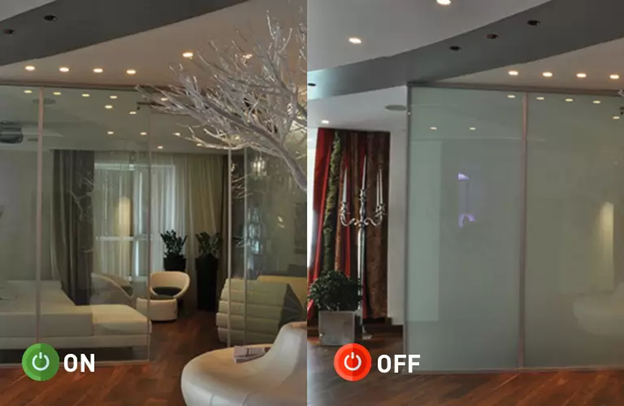
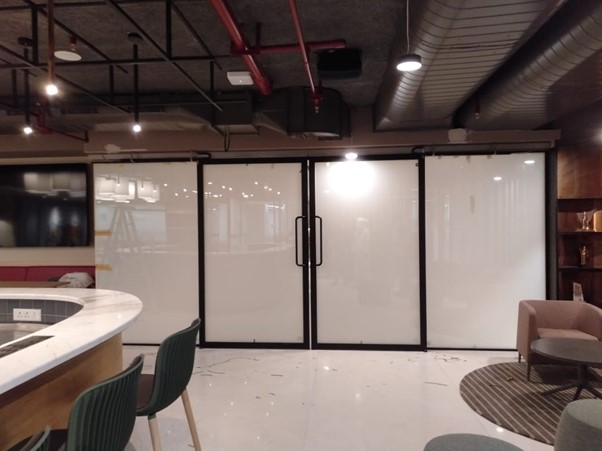
Switchable glass has the remarkable ability to switch between transparent and translucent states. It looks like ordinary glass but has a special glazing or film coating on its surface. This coating allows it to change transparency when voltage is applied or when light or heat conditions change.   

With the flip of a switch or change in conditions, clear glass can turn translucent, providing privacy while still allowing light to pass through. The transitions happen instantly, giving full control over the glass’s opacity. 

How Does Switchable Glass Work?  

Switchable glass is a type of glazing that can change its transparency or opacity through various activation methods: 

Electric Current   

By applying voltage to the glass, you can control its opacity and transparency. This feature can be manually operated with switches or remote controls. 

Light Sensitivity 

Certain kinds of switchable glass include photochromic materials that respond to the level of surrounding light. When exposed to bright light, the glass becomes translucent, allowing for shade and privacy. In other conditions, it becomes transparent. 

Temperature Sensitivity   

Thermo-chromic switchable glass reacts to temperature changes. It can help manage heat from sunlight by turning translucent when warm to block infrared rays. 

The special glazing gives the glass its smart capabilities to shift states based on the activation conditions. This makes it adjustable, instantly responsive, and gives users dynamic control over privacy, light, and temperature. 

Benefits of Switchable Glass 

This innovative glass offers many practical benefits: 

Adjustable Privacy     

With the flip of a switch, translucent glass can change from foggy to clear, providing privacy when needed while still allowing light in. 

Energy Efficiency 

Through the regulation of sunlight and heat gain, this technology reduces the necessity for artificial lighting and cooling, resulting in sustainable energy conservation. 

UV Ray Protection 

Some special models are designed to protect furniture, artworks, and fabrics from harmful ultraviolet light. These models are commonly used in museums and galleries to keep precious items safe and intact. 

Aesthetic Appeal   

A lot of modern interior designs are going for a minimalist and sleek look. One popular way to achieve this is by having surfaces that can change from looking solid to see-through. It’s a cool feature that adds a modern touch to any space. 

Enhanced Privacy  

Sometimes, buildings or rooms have special glass that turns frosted when necessary to prevent people from seeing inside. This helps to maintain privacy and keep things confidential. 

Durability and Ease of Maintenance 

This glass type is strong and will last a long time. It’s hard to scratch and easy to clean. 

Applications of Switchable Glass 

Some prominent applications taking advantage of this technology include: 

  • Residential Homes – Windows, doors, shower enclosures  
  • Commercial Buildings – Partitions, conference rooms, office fronts 
  • Hospitals and Healthcare Facilities – Patient rooms, waiting areas   
  • Hotels and Hospitality – Bathroom privacy glass, room dividers 
  • Retail Spaces – Switchable display cases and storefronts 
  • Transportation – Auto sunroofs, windows, partitions 
  • Museums and Galleries – Display cases, windows filters, UV 

The unique characteristics and wide utility of switchable glass are driving increased adoption across industries where adjustability, privacy, energy savings and aesthetics matter. 

Conclusion 

Switchable glass provides a smart way to control visibility, light, and temperature with the flick of a switch or change in conditions. With growing demand for adjustable privacy, energy efficiency and sleek designs, switchable glass is becoming the preferred choice in homes, offices, stores and vehicles. 

AIS Glass provides switchable solutions with Swytchglass technology, allowing manual and automatic transitions between opaque and crystal clear states. Experience the future of glass today with AIS Glass. 

Categories

Annealed Glass Explained: Types, Uses & Benefits

What is Annealed Glass?

Confusion over the differences between everyday glass and higher-grade architectural glass leaves many homeowners selecting unsuitable varieties for projects. This causes unnecessary budget overruns and safety issues from improper installations. Read on to clarify the common misunderstandings about basic annealed glass and learn how to optimally incorporate it into home design. 

An Overview of Annealed Glass 

Annealed glass starts out as your run-of-the-mill, regular float glass before it goes through a special heating and cooling process. The glass gets baked slowly between 1150-1300°F like glass getting a deep tan in a tanning bed! Then it cools back down gradually in a temperature-controlled furnace rather than shocking it with quick cooling. This slow-bake then slow-cool approach helps strengthen the glass slightly compared to before. 

Types of Annealed Glass 

Annealed glass has a clear appearance in its basic form. However, various aesthetic finishes can be achieved through additional manufacturing processes. Check out our more detailed guide on the different types of annealed glass to better understand their features and applications:

1. Clear Glass:

Clear annealed glass maintains standard glass’s naturally transparent, colourless look. This variety works well for windows, shelves, tabletops, and display cases where visibility is important. Clear glass allows over 90% of visible light to pass through.

2. Tinted Glass:

Adding specialised tints and coatings during production results in annealed glass taking on various colours and tones. Popular options are grey, bronze, green, blue, and brown tinted glass. Tints reduce light transmittance but still permit some visibility. Tinted annealed glass suits privacy applications.

3. Frosted Glass:

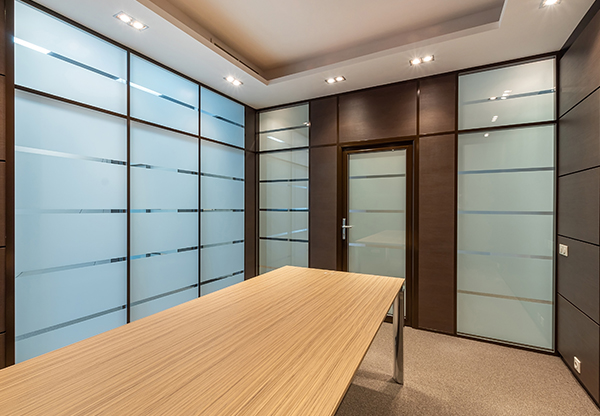
Frosted glass gets its foggy, opaque look by getting treated with hydrofluoric acid. The acid treatment leaves behind microscopic pores scattering light. Frosted annealed glass works beautifully for bathroom partitions, entrance doors, and room dividers, requiring privacy without completely blocking light.

Ways you can incorporate Annealed Glass  

Thanks to its adaptability, annealed glass can enhance various living spaces. Here are some striking annealed glass uses that you may incorporate into your home design: 

1. Glass Cabinets 

Glass-fronted display cabinets and curio shelves make perfect backdrops for showing off cherished collectables and tableware. Annealed glass doors etched with patterns maintain privacy while permitting items to be highlighted. Install floating glass shelves holding vases and framed photos for a modern accent wall. 

2. Dining or Coffee Tables  

Annealed glass tops on wooden dining or coffee tables infuse rooms with luminosity. Clear table surfaces create the illusion of floating place settings for an airy, spacious feel. For textural interest, choose frosted or coloured annealed glass tables instead. DIYers can even create their custom glass tabletops. 

3. Ceiling Windows 

Architectural elements like glass ceilings and skylights allow plentiful natural light into a room. Annealed glass makes a safe choice since it is less prone to shattering in case of impact than standard window glass. Large annealed glass ceiling panels produce breathtaking translucency for contemporary sunrooms or greenhouses.  

4. Sliding Doors 

Frosted annealed glass sliding doors give bedrooms and offices visual separation without totally closing them off. The glass doors also save space compared to traditional swing-style doors. For outdoor living areas, consider installing sliding annealed glass doors offering durable protection from the elements while maintaining views.  

5. Frosted Shower Stalls  

Thanks to water-resistant coatings, annealed glass stays watertight (but not waterproof), making it suitable for bathroom applications. Frosted shower panels, glass sinks, and wall shelves all help create a clean, airy spa aesthetic. Backlighting and decorative etched patterns on glass panels enhance the lavish appeal.   

Benefits of Annealed Glass

1. Cost Savings

Basic annealed glass is very competitively priced compared to other glass products, making it budget-friendly for large installations. Custom cuts can also be created without needing advanced tools.    

2. Easy Fabrication

Annealed glass remains the easiest to smooth, drill, paint edges on, sand, cut and transform into other shapes like arched windows. No post-production heat or chemical strengthening is needed. 

3. Aesthetic Appeal

With limitless transparency, etching, colouring and lighting effects possible, annealed glass offers high decorative versatility for creating stunning windows, room dividers, decor pieces and tableware. Even simple, clear sheets exhibit an inherent luminous brilliance.  

4. Structural Soundness

Annealed glass demonstrates good strength and durability to serve well as shelves, tabletops, ceiling windows and barrier panels. Coatings also improve wind, weather and impact resistance. With proper lamination, annealed glass supports significant weight. 

Conclusion 

With abundant design possibilities, annealed glass is an excellent choice for homes, restaurants, offices, stores and entertainment spaces. Whether used structurally for windows, doors or skylights – or decoratively for cabinet fronts, tabletops or artwork – annealed glass combines aesthetic appeal with flexibility. If you are looking for the best annealed glass in India, AIS offers premium-quality glass solutions designed to meet diverse residential and commercial requirements. Consider utilising annealed glass by AIS for your home or office. With some creativity, annealed glass can infuse any indoor or outdoor setting with added distinction.

To learn more, explore our frequently asked questions on annealed glass for additional insights into its properties, uses and benefits.

Categories

Maintaining Frosted Glass Windows to Keep Them Looking Pristine

With the translucent, opaque appearance of frosted glass windows can make a stylish design statement in modern homes. However, frosted glass requires its own specialised care and cleaning routine to maintain its pristine look year after year.  

Compared to transparent glass panes, the textured surface of frosted glass allows less light to pass while obscuring visibility. Tiny details get diffused rather than visible. This makes frosted glass popular for bathrooms, front doors and room dividers where privacy is desired. However, the surface etching process also means the glass has microscopic crevices where grease, dirt and grime easily accumulate. 

Here are expert tips on taking good care of frosted glass windows. 

Daily Care 

  • Wipe down – Use a dry microfiber cloth, chamois, or soft brush to dust the interior frosted glass gently daily. This removes surface dust and debris to prevent buildup. 
  • Spot clean – Dip a soft cloth in warm water mixed with a couple of drops of liquid soap. Gently rub to loosen and lift spots, then wipe dry with a towel. Avoid abrasive scrubbing. 
  • Check window tracks and frames – Vacuum dust and dirt out regularly to allow smooth functioning and prevent etching of the glass panes when opening/closing. 

Thorough Deep Cleaning 

Plan to thoroughly clean frosted glass windows at least 2-4 times a year as seasons change. Spring and fall are best for tackling a thorough maintenance session. 

  • Vacuum out dust. Use a handheld vacuum fitted with a soft brush nozzle held at an angle. Gently vacuum glass and frames inside and out to completely de-dust the surface, crevices and tracks. 
  • Fill a bucket with lukewarm water. Mix in a mild pH-neutral glass cleaner or dish soap without solid fragrances.  
  • Dip a soft microfiber cloth, sponge or chamois leather in the solution. Wring firmly so it’s damp but not dripping wet. 
  • Wipe the interior frosted glass gently using light, overlapping circular strokes. The textured glass will likely have a preferred grain direction – wipe in line with that.  
  • Rinse often as the cloth gets dirty. Wipe slowly and methodically from top to bottom. Avoid any harsh back-and-forth scrubbing. 
  • Use a damp microfiber cloth to wipe down frames too. Use soapy water or a specialist trim cleaner for uPVC or metal frames.  
  • This cleans dust and deposits off the surface. For deeper cleaning, continue washing with spray solutions as recommended below.  

Pro Tips 

  • Use distilled white vinegar mixed with water to dissolve sticky grime and hard water residue. Spray on and let set for 5 minutes before gently wiping off. 
  • For glass shower doors/panels, apply rubbing alcohol or hydrogen peroxide cleaner gel using a soft cloth post-bathing. It helps prevent soap scum and mildew buildup between washes. 
  • If installing new frosted film or decal patterns, carefully clean the glass using degreasing dish soap and a razor blade to scrape corners gently. This allows decor to adhere properly. 

Chemicals to Avoid 

  • Ammonia cleaners streak and leave visible residue, making the surface look dull. Opt for PH-neutral options. 
  • Abrasive scrub pads, scouring paper towels or bristle brushes as they can scratch up frosted glass and ruin its uniform matte appearance.  

By thoroughly yet gently cleaning frosted glass windows every few months, you can beautifully maintain their elegantly frosted opaque appearance. Avoid harsh chemicals and abrasive scrubbing – a soft damp cloth combined with a mild cleaner and your methodical attention is all that’s required. 

Conclusion 

To maintain their coveted translucent appearance, proper care and cleaning are essential for frosted glass windows. Using soft microfiber cloths, correct wiping techniques and PH-neutral cleaners, frosted glass can always look pristine. Avoid abrasives and harsh chemicals. Deep clean seasonally and dust/spot wipe as needed between washes. Implement this routine care for beautifully clear frosted windows that refract light elegantly in your rooms for years. Moreover, choose AIS Glass for the job if you want to replace your frosted glass. 

Categories

Quality Considerations in Security Glass Thickness

When selecting security glass, quality and thickness are two key factors to consider. Proper thickness and high manufacturing standards ensure security glass can withstand attacks, forced entry, bullets, extreme weather, and more. This blog reviews critical quality considerations in security glass thickness selection. 

An Introduction to Security Glass 

Security glass refers to glass formulated to be stronger, durable, and resistant than a normal glass. It’s designed to protect and withstand damage from deliberate attacks, severe weather, and accidental impact.  

There are various types of security glass, including: 

  • Laminated glass – Glass bonded with one or more vinyl layers to hold fragments together when shattered. 
  • Tempered glass – Glass heated and cooled rapidly to increase tensile strength. When broken, it shatters into small, rounded fragments.   
  • Bullet-resistant glass – Very thick and strong glass made with acrylic, polycarbonate or layers of laminated glass. Stops bullets and withstands intense pressure. 

Quality Considerations for Security Glass 

When selecting security glass for a building or facility, assessing glass quality should be a top priority. Poor quality glass compromises safety and security even if thickness benchmarks are met. Consider these quality indicators: 

Manufacturing Standards 

Products that are certified to meet BIS and NABL benchmarks provide assurance of consistent, high-quality production. The certification reflects a commitment to rigorous third-party testing and meeting the highest domestic standards. For safety-critical applications, certified glass gives peace of mind that the product will perform reliably. 

When lives depend on the integrity of security glass, it pays to look for manufacturers dedicated to India’s testing and certification process. The standards may be voluntary, but compliance focuses on quality and safety above all else. 

Composition  

Security glass composition varies. Tempered glass formulation requires precise heating and cooling to strengthen it properly. Similarly, the adhesives and vinyl used in laminated glass must have excellent optical clarity, UV tolerance, adhesion properties and the ability to retain shards when shattered. Rigorously vet composition materials to meet security needs. 

Reputable Brands  

Before bringing products to market, leading security glass brands subject products to numerous durability, forced entry, ballistics, and environmental performance tests. They often back products with robust warranties as well. Opt for products from brands known for quality. 

Film Compatibility   

Many facilities enhance security glass with security window films. Ensure glass works properly with various film coatings regarding adhesion, optical clarity, shrinkage factors and penetration resistance. 

Why Thickness Matters 

Beyond addressing quality considerations, security glass thickness helps determine protection capabilities. Thicker glass better resists damage.  

Consider these factors regarding security glass thickness: 

a. Forced Entry Protection 

The thickness directly impacts a window’s burglar resistance class rating.  Meet local forced entry requirements with proper thickness. 

b. Bullet Resistance  

The bullet-proof glass must have precisely calculated thickness levels to stop specific ammunition. Carefully select glass based on ballistic threats, verified through testing.  

c. Blast Resistance 

Facilities needing to withstand explosive blasts require security glass engineered and tested to perform against defined overpressures. Blast-resistant thickness ratings generally start around 5 inches to one inch for basic protection and up to over four inches for extreme blast resistance. 

Conclusions 

Quality and proper thickness are imperative when selecting security glass. Rigorously vet manufacturing standards, materials, brand reputation and weather resistance qualities before purchase. Additionally, base thickness on forced entry hazards, ballistic threats, weather conditions and blast dangers unique to the facility.  

With appropriate quality controls and thickness, security glass protects people and property from deliberate and environmental threats. Consult with AIS Glass for qualified security glass experts to determine the right solutions to meet safety goals and requirements. 

Categories

Common Mistakes to Avoid During Switchable Glass Installation

With growing interest in switchable glass for dynamic privacy control, knowing the right installation techniques is key for flawless functionality. This innovative glazing switches transparency levels electronically on demand with the flip of a switch. Avoiding common missteps during the setup process means your switchable glass partitions will keep working reliably for years, enhancing space versatility. 

Picking Appropriate Switchable Glass Type 

Switchable glass comes available in multiple forms using different light transmission principles: 

  • Electrochromic glass electronically tints transparent glass panes darker through a small electrical supply. An applied voltage triggers the glass tinting opacity. 
  • Liquid crystal switchable privacy glass contains a film sandwiched between glass panels. Electric current realigns liquid crystals, making the glass translucent. 
  • Suspended particle glass has microscopic particles floating in a liquid suspension between glass layers. Electrification makes particles cluster, changing transparency. 
  • Each type has its own opacity-changing mechanism. Selecting the wrong specifications like power needs, transmission ranges, and panel thickness makes underperformance likely. 

Mistakes to Avoid 

Accounting for Expansion and Contraction 

Switchable glass panels expand and contract slightly with temperature changes like normal glass. If window or door frames don’t accommodate this thermal movement, it cracks the panels. Ensure the frame has adequate give for natural minor expansion from heat without placing glass surfaces under tension. Check functionality over temperature highs and lows. Accounting for thermal tolerances results in durable longevity. 

Minding Power Supply and Voltage 

With an electric current powering the transparency shift functionality, any wiring errors make switchable glass act erratic. Improper voltage damages integrated electronics. Verify optimal voltage along with backup support if power dips occur. Low battery alerts indicate when to recharge for continuous, uninterrupted usage. Mind the electricity! 

Avoiding Direct Sunlight Exposure 

Prolonged sun exposure overheats switchable glass. The embedded wires and films get damaged without heat buffers. Ensure panels avoid facing sunlight directly. Add shade providers like awnings if orienting glass walls toward sun-facing directions. Exterior switchable glass requires double or triple glazing with protective films for durability. 

Keeping Switchable Panels Clean 

Grease, dirt and moisture residue on switchable glass are risky since they seep underneath to degrade high-precision electronics or films sandwiched inside. Ensure exterior environmental factors don’t contaminate the glass layers and internal electronics. Edge protection and watertight perimeter seals are a must. Handle panels carefully during fabrication and installation. Keep surfaces clean using soft microfiber cloths once set up. 

Installing Backup Mechanical Privacy Solutions 

Although rare, switchable glass can fail if the power goes on for prolonged periods or the embedded electronics malfunctions. Have manual pull-down shades or alternate sliding panels installed as a contingency if the electric opacity control stops working suddenly? This way rooms don’t end up accidentally exposed. The backup lets you revert to a non-electric privacy solution. 

Avoiding DIY Handling 

Although seemingly as simple as window glass, switchable glass handling needs immense care from fabrication through transportation, storage and installation due to sensitive film layers and electronics embedded inside. Prevent dust ingress and surface contamination while preventing mechanical shocks. Let experienced crews handle fabrication and setup using proper techniques. Incorrect handling easily destroys switchable glass prematurely. 

Conclusion 

Switchable glass requires meticulous care for sustained flawless operation, from selecting suitable types to installation and stable power access. With bespoke fabrication and experienced handling, switchable partitions have served their functional dynamism for years. Avoid direct sunlight exposure, contamination, and inadequate frames to prevent issues. Get professional guidance to pick the right custom product for your adjustable privacy glass walls, doors or dividers that electrically switch transparency reliably at the touch of a button. Furthermore, choose AIS Glass if you’re willing to go for switchable glass installation. 

Categories

Opaque Glass in High-Traffic Areas

In homes and commercial spaces, glass is used extensively to partition areas while permitting light flow. However, clear glass lacks privacy – an issue in high-traffic common zones. This is where durable opaque glass options prove invaluable with their translucent solid appearance. Unlike plain see-through glass, opaque glass diffuses rather than transmitting visible details, blocking visibility while allowing light transmission. 

The Role of Opaque Glass in High-Traffic Areas  

Specialised opaque glass is ideal for spaces with continual traffic and occupancy due to its privacy qualities. The obscurity also promotes discretion and safety in crowded zones where people are continually on the move. Opaque glass extensions also make areas appear more spacious than privacy walls. With innovative fabrication methods, diverse opaque glass varieties are now available to meet specific privacy, strength, lighting and ambience needs. 

Types of Opaque Glass 

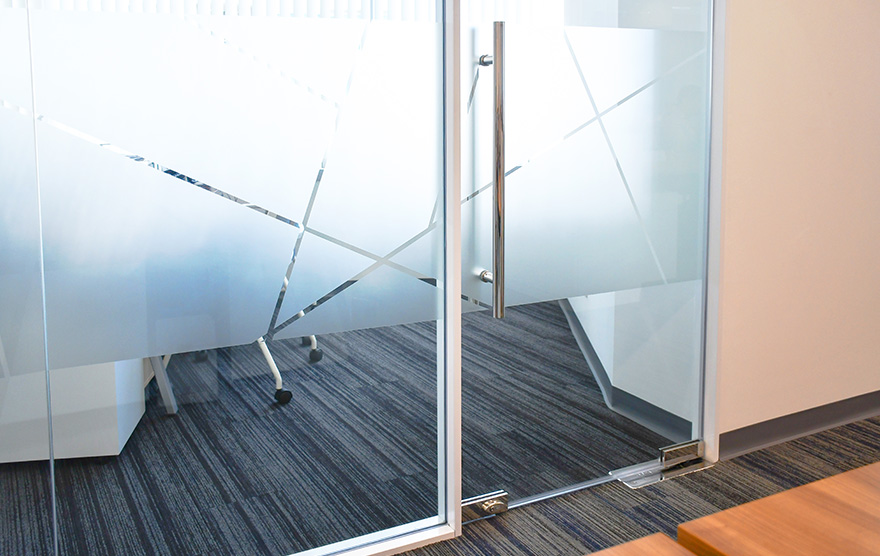
1. Frosted Glass: Glass panes treated with hydrofluoric acid etching or sandblasting have an iconic opaque matte texture. This frosted glass effect offers complete privacy along with artful light diffusion. Frosted glass is widely used for doors, room dividers, bathroom enclosures and windows wanting privacy yet soft brightness. 

2. Textured Glass: Featuring an embossed uneven surface that scatters light, textured glass varies from translucent to fully opaque. Unidirectional textures softly diffuse light without glared reflections, making textured glass popular for commercial building windows and offices. The indentation patterns also boost decorative flair. 

3. Sandblasted Glass: Sandblasted glass is a really versatile opaque glass option for privacy installations. It’s made by firing high-pressured jets of sand onto glass panes – almost like an abrasive sanding process. The sandblasting erosion creates tiny indented grooves all along the glass surface.  

Benefits of Using Opaque Glass in Busy Environments 

a. Privacy Enhancement: Opaque glass panes, walls and doors block visibility between spaces, giving discreet separation while allowing brightness through. This boosted privacy makes occupants more comfortable in high-density zones. Opaque glass partitions also buffer noise. 

b. Light Control and Diffusion: Though visibility is obscured, the textured glass surface diffuses light through spaces beautifully. This keeps areas bright without glare while shielding activity behind it. Light diffusion creates a soft ambience too, lending an airy, open feel. 

c. Aesthetic Appeal and Design Flexibility: With endless textural and colour options, opaque glass adds strong contemporary aesthetics wherever used as partitions or cladding material. It lends sleek sophistication paired with the lightness of glass. Creative etched patterns, colour tints and textural elements provide adaptable design flexibility too.  

d. Durability and Maintenance: Made from tempered safety glass built to withstand heavy usage, specialised glass that can turn opaque stands up well to continual human contact better than framed partitions. The non-porous glass composition makes maintenance easy – power washers degrease and disinfect it thoroughly for low-maintenance functionality. 

Where Opaque Glass Overlays Shine 

From homes to commercial buildings, opaque glass solutions lend private elegance to continual high-traffic areas like: 

  • Bathroom enclosures, doors, and partitions between fixtures 
  • Glass stairwell balustrades prevent visibility from below    
  • Room dividers partitioning family rooms and open-plan office zones 
  • Doors, walls and window cladding maintain discretion amidst movement 
  • Building exteriors and medical/school privacy partitions 
  • Hotel bathroom windows permitting light while securing privacy 

Conclusion 

With its translucent, non-transparent appearance, durable opaque glass offers the ideal material solution for maintaining discretion and safety in occupied public zones while permitting light. Opaque glass walls, doors and partitions shield visibility and buffering noise in dignified ways. Custom opaque glass options created via specialist sandblasting, acid-etching, embossing, and painting techniques lend spaces enhanced aesthetics too with artful textures and colours. Tailored to handle human densities, specialised opaque glass fosters comfortable private environments amidst continual traffic flow. 

Contact AIS Glass for premium opaque glass installation and repair services.  

Categories

Tempered Glass Windows: Advantages and Installation Tips

Glass is an integral element in modern home design and construction. Large transparent surfaces allow more natural daylight to flow in, opening up views to enjoy. However, not all glass is made equal regarding resilience and safety performance. This is where toughened safety glass, known astempered glass, stands out from standard window panels.

In the section below, we’ll discuss the advantages and how to install tempered glass.

What is Tempered Glass?

Tempered or toughened glass is a kind of safety glass processed to be stronger and more shatter-resistant than regular annealed glass. It is made by heating float glass to over 600°C before rapidly cooling it to induce compressive stresses across the surfaces balanced by interior tension. This tempering process sees glass become over five [VG1] times more potent against impacts.

Instead of breaking into dangerous sharp shards, tempered glass fractures into small granular chunks. This helps minimize cutting and injury risks. Due to its durability and safety, building codes often mandate using tempered glass for windows in hazard-prone locations.

Key Benefits of Tempered Glass Windows

There are various benefits of tempered glass windows. Some of these advantages of tempered glass include:

1. Exceptionally Strong and Impact-Resistant

With up to five times the strength of standard glass, tempered windows resist damage from blunt forces much better. Sudden blows from winds, falling tree branches, hailstones, or even a child’s stray ball are less likely to cause fractures.

2. Safer Breakage Pattern With No Loose Shards

When tempered glass eventually does crack under extreme loads, it shatters in a particular cubic pattern. Fragments remain stuck together rather than breaking loose in dangerous flying shards that can cause lacerations.

3. Meets Safety Standards for Glass Near Flooring/Wet Areas

Building codes often require tempered glass for large windows close to floor level or wet zones like bathrooms. If broken, it reduces risks of injury near children’s reach or slippery surfaces.

4. Suitable For Large Unframed Glass Structures

Extra strength permits creating frameless glass dividers, walls, balcony barriers, and pool fences using large toughened glass expanses. Offers modern minimalist aesthetics without compromising safety.

Professional Installation Tips

a. Verify Required Glass Type

Before committing to a glass product for your project’s windows or glazing, it’s crucial to verify that it aligns with your specifications—whether it’s annealed, heat-strengthened, tempered, etc. Building requirements vary, so the right match guarantees optimal performance and safety. Take a moment to validate your choice, and you’ll be on the right track to meet the unique needs of your window or glazing application.

b. Carefully Inspect Condition

Examine all tempered glass panels before installation. Look for edge damage, surface scratches, delamination, or visible defects. Avoid using any compromised sheets.

c. Smooth Clean Cutting

Smooth, polished cut edges reduce stress accumulation zones. Manual scribing and breaking techniques should be used for something other than tempered glass. Clean mechanical cuts are a must.  

d. Use Non-Serrated Glazing Blocks

Upgrade your framing experience by swapping those old hard rubber blocks with modern, non-serrated, ultra-soft alternatives. These gentle supports safeguard your glass surfaces, preventing potential damage when you set them into frames. It’s a simple yet effective way to ensure your framed items stay pristine and protected.

e. Never Grind Or Drill Post-Tempering

Any modification like grinding, drilling holes, edge shaping performed after tempering destroys the protective surface compression layer, causing instability and breakage.

f. Handle With Care

Use clean gloves when handling tempered glass. Pointed impacts on surfaces or edges cause trigger instability. Store panels vertically in padded racks to prevent leaning point loads.

Conclusion

Properly installed tempered glass windows provide reliable, resilient performance for years for desirable strength, safety, and longevity. Avoid cutting corners during transportation, handling installation, or using aged deteriorating sets prone to heavy damage. With reasonable care taken, tempered products stand up reliably even in the most demanding residential or commercial settings with heavy foot traffic, extreme weather, and potential vandalism issues. Their fracture pattern also helps minimize injury risks during rare breakage events. Choose AIS Glass for expertly crafted tempered glass windows.

Categories

Safety First: Why Heat-Resistant Glass is Essential for Every Kitchen

The heart of the home deserves doors to match. As focal points uniting indoor and outdoor living, today’s kitchen doors do far more than provide entry and exit. They blend spaces seamlessly while standing tough against the elements. That’s why heat-resistant glass is the material that ticks all boxes—sleek yet supremely durable.

1. Built to Withstand Thermal Shocks

Unlike ordinary glass, which is prone to cracks and breaks, heat-tempered glass doors resist damage from even extreme temperature spikes. This “thermal shock resistance” ensures lasting performance through seasonal shifts from summer heat to winter ice. They’re also indispensable for cooks transporting hot casseroles or fresh-from-oven baked items safely outside without worrying about breakage. 

2. Maximum UV Ray Protection

Prolonged sun exposure can prematurely fade interior paints, fabrics, and artwork. Advanced Low-E glass doors incorporate invisible metallic coatings that limit heat and UV ray penetration. This not only reduces fading but also lowers AC costs. When comparing glass doors, look for options treated to block over 97% of damaging ultraviolet rays.

3. Higher Heat Tolerance

Typical glass doors often advertise oven-safe ratings around 350°F. However, new and improved heat-strengthened glass alternatives can easily withstand temperatures over 500°F. This significantly higher heat endurance increases installation options near cooking areas and provides a buffer against brief exposure to extreme heat.  

4. Unobstructed Outward Vision

Unlike solid doors, glass maintains clear outward sightlines. Homeowners can fully appreciate lush backyard oases, stunning sunsets, or moonlit water features from the comfort of their kitchen. Frame favourite landscapes right into the room—it’s like installing art to admire. Maintaining these peaceful connections feels warm and inviting.

5. Effortless Cleaning

Smooth, non-porous glass avoids trapping debris and cleans efficiently with just a wipe. Avoid abrasive scouring pads, which could damage the surface or any special coatings. Use a soft towel or newspaper with warm, soapy water to leave the glass pristine for best results.

6. Sealed Moisture Protection

Factory-sealed, insulated glass doors effectively block drafts and repel exterior moisture, leading to interior glass fogging or condensation buildup. Integrated weatherstripping enhances this protection. Proper installation also boosts durability and performance. Trained glass door technicians can fully calibrate hinges and ensure ideal site conditions.

7. Energy Efficiency Incentives

Replacing ageing outdoor kitchen doors reaps substantial energy savings thanks to advanced materials minimising indoor heat transfer. Well-insulated glass doors can meet stringent guidelines for Energy Star certification, making projects eligible for attractive rebates and tax incentives promoting home efficiency.

8. Added Resale Value

Revamping your kitchen and upgrading exterior doors aren’t just renovations; they’re smart investments in your home’s value. When these areas showcase outdated styles, it can give away your home’s age and lead buyers to underestimate its worth due to concerns about wear and assumed renovation expenses. However, making upgrades in these eye-catching areas doesn’t just enhance your living space; it swiftly elevates the perceived pride of your home and can lead to higher sale prices.

9. Curb Appeal Matters Too

Even secondary outdoor access points substantially impact buyers first impressions regarding upkeep and home potential. Refreshing doors pay dividends through aesthetic elevations and functionality gains. Because glass enables daylighting ventilation, enclosed patio rooms feel more spacious and inviting too.

Conclusion

Safety is non-negotiable in your kitchen, so heat-resistant glass is indispensable. It acts as a reliable shield against high temperatures, ensuring your culinary space remains safe. Beyond its protective role, this invaluable feature also adds a touch of style to your kitchen’s aesthetics. By investing wisely in heat-resistant glass, you prioritise safety and elevate the visual appeal of your cooking haven. Create a space where safety meets style, making every cooking adventure secure and stylish. Contact AIS Glass for the best quality heat-resistant glass for kitchen.

Categories

Benefits of Laminated Safety Glass

Laminated safety glass has emerged as a game-changer in the construction materials stream, and it’s not without good reason. This specialized type of glass, comprising multiple layers bonded by an interlayer of materials like polyvinyl butyral (PVB) or ethylene-vinyl acetate (EVA), offers many benefits that address the utmost concerns in safety and security. In this blog, we’ll uncover the numerous laminated glass uses and benefits, making it the preferred choice across diverse applications. 

About Laminated Safety Glass 

Laminated safety glass is a unique construction material with exceptional properties due to its distinctive composition. It consists of multiple layers of glass joined together by a resilient interlayer, which sets it apart from conventional glass and provides remarkable attributes. 

The Remarkable Benefits of Laminated Safety Glass 

  • Enhanced Safety and Security

    Laminated safety glass is engineered to resist shattering upon impact, offering a robust defence against accidents and intruders. Even if it cracks, the interlayer ensures that the glass remains intact, making it indispensable in applications where safety is paramount, such as vehicle windshields and building windows.

  • Reinforced Strength

    The interlayer significantly bolsters the glass’s strength, yielding remarkable durability and resistance to external forces. This feature is particularly invaluable in high-rise structures where the glass must withstand wind loads and other stress factors.

  • Noise Reduction

    Laminated safety glass minimizes noise transmission, creating a tranquil and comfortable indoor environment. It’s a favoured choice for urban areas or spaces near noisy surroundings.

  • Ultraviolet (UV) Protection

    The interlayer in laminated glass protects against harmful UV rays, preventing interior furnishings from fading and reducing the risk of skin damage for occupants.

  • Hurricane and Storm Resistance

    Regions prone to hurricanes and storms benefit greatly from laminated security glass, as it can withstand strong winds and flying debris, providing additional protection during severe weather events.

  • Versatility

    Laminated safety glass’s versatility shines through, as it can be tailored to specific requirements with various glass types and interlayer thicknesses. This adaptability makes it suitable for multiple applications, from skylights to glass railings.

  • Reduced Injury Risk

    In case of breakage, laminated safety glass remains held together, significantly reducing the risk of injury from sharp glass shards. This is especially crucial in places prone to accidents, like schools and sports facilities.

  • Aesthetic Appeal

    Architects and designers cherish laminated security glass for its availability in diverse tints, colours, and patterns. It allows them to seamlessly incorporate safety into their designs without compromising aesthetics.

  • Ease of Maintenance

    Laminated safety glass is relatively low-maintenance, requiring simple cleaning with mild detergent and water to keep it looking pristine over the years.

Conclusion 

Laminated safety glass stands as a testament to innovation in construction materials. Its combination of safety, security, and versatility has elevated it to an indispensable status in numerous industries. Whether it’s safeguarding your home, enhancing vehicle safety, or elevating the aesthetics of your building, laminated safety glass offers a multifaceted solution. Its ability to endure impact, provide sound insulation, and block harmful UV rays make it an intelligent and adaptable investment for diverse projects. 

If you’re looking for top-quality laminated glass, consider AIS Glass, a trusted provider. With AIS Glass, you can ensure that your projects benefit from the remarkable advantages of laminated safety glass. 

Categories

Windscreen Replacement and Repair Guide For Cars

Are you a car owner who’s ever experienced a cracked or chipped windscreen? This ultimate guide will provide everything you need about car windscreen repair and replacement.

What Is A Car Windscreen?

First things first, let’s understand what a car windscreen is. A windscreen, also known as a windshield, is the front window of a car that protects the driver and passengers from breeze, rain, and rubble while driving.

Types Of Windscreen Damage

Unfortunately, windscreen damage is a common occurrence that many car owners experience. There are several types of damage that can occur to your car’s windscreen, each with varying degrees of severity. Understand the different types to decipher the best course of action:

  • Chips: Small cracks or dings on the surface of the windscreen, often caused by rocks or debris on the road.
  • Cracks: Longer, deeper lines extending across the entire windscreen, often caused by collisions or temperature changes.
  • Scratches: Minor surface marks can be caused by various things, such as wiping the windscreen with a rough cloth or driving through a dusty area.

When To Repair or Replace A Car Windscreen?

The decision to repair or replace your car’s windscreen depends on the severity of the damage. Here are some guidelines:

  • Chips: If the chip is smaller than a 50p coin, it can be repaired. However, if it’s larger or in the driver’s line of vision, the windscreen may need to be replaced.
  • Cracks: If the crack is shorter than a credit card, it can be repaired. However, if it’s longer or in the driver’s line of vision, the windscreen may need to be replaced.
  • Scratches: Scratches can be buffed out if they’re shallow. However, if it’s deep, the windscreen may need to be replaced.

How To Prevent Windscreen Damage?

Here are some tips to prevent windscreen damage, as prevention is often more effective than cure:

  • Keep a safe distance from other vehicles to avoid rocks and debris kicked up from their tires.
  • Avoid parking under trees or near construction sites where debris may fall onto your car.
  • Use high-quality cleaning products and soft cloths to clean your windscreen.
  • Replace your windscreen wipers regularly to prevent scratches.

How to Find a Reputable Car Windscreen Repair Service?

If you need to repair or replace your car windscreen, finding a reputable service is important. Here are some tips to help you find the right service:

  • Ask for recommendations from friends, family, or your car dealer.
  • Look for a service that’s accredited and certified by relevant industry bodies.
  • Customer reviews and ratings always carry a lot of weight. Respect them, and we guarantee your experience will be a lot smoother.
  • Before signing any work agreement, ask for a written quote.

The Rate of Car Windscreen Repair and Replacement

The cost of repairing or replacing your car windscreen depends on several factors, including the type of damage, the brand and model of your car, and your location.

Prioritize Safety When Dealing with Windscreen Damage

Car windscreen repair and replacement may seem daunting, but it can be a straightforward process with the right information and resources. Remember to always prioritize your safety and the safety of others on the road. If you experience windscreen damage, don’t hesitate to take action and get it repaired or replaced as soon as possible to prevent further damage and ensure optimal visibility while driving.

By following the tips mentioned in this guide and finding a reputable repair service, you can have peace of mind knowing that your windscreen is in good hands. And remember, prevention is key – take steps to protect your windscreen from damage, such as keeping a safe distance from other vehicles and parking in secure areas. Stay safe on the road!

Categories

What Is Reflective Glass and How Is It Made?

Have you ever seen a building with a mirror-like surface that reflects the sky and its surroundings? That is likely reflective glass. This distinctive building material has been used in architecture for decades and continues to be a popular choice for modern structures around the world.

In this article, we will explore what reflective glass is, how it is manufactured, and why it is such a valuable material in contemporary construction.

What is Reflective Glass?

Reflective glass is a type of glass treated with a special coating that reflects light and heat. This coating is typically made of metal oxides, such as titanium dioxide, and is applied to the surface of the glass during the manufacturing process. Although the coating is extremely thin and almost invisible, it significantly influences the appearance and performance of the glass.

Reflective glass is available in a variety of colours, including bronze, blue, silver, and green. The colour of the glass depends on the type of metal oxide used in the coating. For instance, a combination of titanium dioxide and iron oxide can produce a bronze tint, while a blend of titanium dioxide and silver can create a silver-toned finish.

How to Make Reflective Glass?

Reflective glass is manufactured by applying a metallic oxide coating to the surface of float glass. If you are wondering how to make glass reflective, the process involves adding a specialised metal oxide layer that enables the glass to reflect heat and light efficiently. One common method used is pyrolysis, also known as the online coating process. In this method, the coating is applied while the glass is still hot during production, allowing it to fuse permanently with the surface. This creates a durable bond that is resistant to fading, scratching, and weathering. 

Here is a step-by-step overview explaining how is reflective glass made:

  • The raw materials are melted in a furnace at temperatures above 1500°C to form molten glass.
  • The molten glass is poured onto a bed of molten tin, where it spreads evenly to form a smooth surface with uniform thickness (float glass process).
  • While the glass ribbon is still hot, metal oxide coatings are applied to its surface through a pyrolytic process.
  • The coating fuses with the hot glass, forming a strong and durable reflective layer.
  • The glass is gradually cooled to room temperature in a controlled process.
  • Finally, the glass is cut to size and can be further processed, such as tempering, to enhance strength and durability.

Applications of Reflective Glass

Reflective glass is a versatile material used across a wide range of uses. Some of its common uses include:

1. Commercial Buildings:

Reflective glass is widely used in commercial structures such as office towers, hotels, and shopping malls. It helps reduce energy consumption by limiting heat gain, enhances privacy, and improves the overall aesthetic appeal of the building.

2. Residential Homes:

Reflective glass for windows is also suitable for residential properties, especially in regions with high levels of sunlight and heat. It helps lower energy usage, protects furniture and artwork from UV damage, and provides an added layer of privacy.

3. Automobiles:

Reflective glass is commonly used in automobile windows, including cars and buses. It reduces sun glare and helps maintain a cooler interior temperature, improving passenger comfort.

Conclusion

Reflective glass is a distinctive and highly functional building material that has been used in architecture for decades. It is manufactured by applying a metal oxide coating to the surface of the glass, enabling it to reflect light and heat effectively. This coating enhances energy efficiency, durability, and aesthetic appeal.

Reflected glass is widely used in commercial buildings, residential homes, and automobiles. It is especially beneficial in hot and sunny climates, such as India, where it helps reduce energy consumption and protects interiors from UV damage.

If you are wondering what is a reflective glass, it is essentially a smart architectural solution that combines performance with modern design. As one of the leading glass suppliers in India, AIS Glass offers high-quality reflective glass solutions tailored to diverse architectural and construction needs.

We use cookies to help you get the best possible experience of our site. By clicking 'Accept' you agree to our use of cookies.