
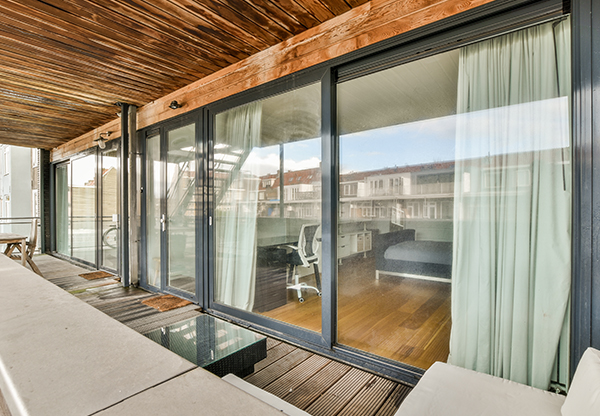
When choosing new windows for your home or office, factors such as frame material, window style, ventilation, insulation and aesthetics play an important role. In the section below, we’ll discuss the most popular window glass options to consider.
1. uPVC Windows
uPVC (Unplasticized Polyvinyl Chloride) is a popular low-cost synthetic material used for window frames and glass panels. uPVC windows offer excellent thermal insulation, weather resistance and sound insulation. They require little maintenance, as the uPVC material is highly durable and resists corrosion and rotting over time.
The glass itself is usually double- or triple-glazed for enhanced thermal efficiency. Multiple layers trap air between them, acting as an insulator against heat transfer. This keeps your home or office warmer in winter and cooler in summer, saving significantly on energy bills. The gap between glass layers helps reduce the transmission of external noise, improving indoor comfort.
2. Aluminium Windows
Aluminium windows boast slim, sleek frames, allowing maximum light exposure. Aluminium frames are strong, lightweight and highly durable that resists corrosion, rotting, and warping even in harsh weather conditions. This makes aluminium one of the most durable and long-lasting window frame materials.
Like uPVC windows, aluminium frames incorporate double or triple-layered glass for thermal insulation and noise reduction. Acoustic glass such as AIS Acousticglas can also be used to improve sound insulation and reduce external noise, making it suitable for spaces where noise reduction is a priority. Speciality glass like tinted glass or Low-E coatings can also be added to improve thermal performance, solar control and privacy.
3. Casement Windows
Casement windows are hinged vertically along one side of the frame so the window panel opens outward like a door. This design provides excellent ventilation by allowing fresh outdoor air to circulate freely. Casement windows can incorporate nearly any glass from double-glazed Low-E glass for insulation to speciality decorative window glass types.
Because they open outward, casement windows may be more susceptible to strong winds if left open during storms. Despite this limitation, casement windows lend an aesthetically appealing look with their large unbroken glass expanses while facilitating excellent ventilation flow.
4. Sliding Windows
Sliding windows move side-to-side on tracks within the window frame. This facilitates opening and closing in confined spaces where a swinging motion isn’t feasible. Sliding windows are popular for balconies, basements, attics, and above kitchen counters or sinks.
Most sliding windows incorporate double or triple-layered glass. While they don’t facilitate ventilation as freely as swinging casement windows, sliding windows can still gap slightly open for moderate airflow. The sliding panes make them easy to open or close in small spaces. However, regular maintenance is required to ensure smooth operation of the tracks and roller. Proper installation is key for keeping sliding windows functioning smoothly long-term.
5. French Windows
French windows open through a pair of side-by-side hinged panels. They combine windows and doors into one beautiful portal linking indoor and outdoor spaces. Their large glass panels allow abundant natural light to enter the space, becoming ideal for living rooms, dens, or master bedrooms.
The French window style imparts elegance while facilitating easy passage to adjoining outdoor decks or patios. Their swinging side-by-side design adapts well to variable widths. And the materials can incorporate double pane glass or interesting decorative touches like curved transoms. With proper maintenance, including cleaning the glass, lubricating the hardware and inspecting weather seals, French windows can remain functional and attractive for many years.
Conclusion
Deciding on the right glass for your home or office involves considering factors such as space, natural light, insulation, noise reduction, privacy and aesthetics. Whether you are looking for glass for uPVC, aluminium, casement, sliding or French windows, choosing the right glass can help enhance comfort and performance. When selecting from the top glass manufacturers, consider their product range, quality standards, technical expertise and ability to provide glass solutions suited to your requirements. AIS offers a wide range of architectural glass solutions for different residential and commercial applications.