Categories

What Is Float Glass? Meaning, Process and Uses Explained

From shining skyscrapers to contemporary co-ops, and from luxurious villas to swanky offices, glass has become a staple element in modern architecture and design. Not only does it lend a sleek and sophisticated appeal to any space, but it is also engineered to deliver exceptional functionality.

Meeting the diverse and evolving needs of today’s consumers, glass solutions have become a top choice across projects. Whether it is safety and durability, acoustic insulation, or energy efficiency, glass offers versatile performance benefits – all while maintaining an elegance that is truly timeless.

At the heart of all modern glass innovations lies float glass  –  the foundation upon which today’s advanced glass solutions are built. As one of the top glass manufacturers in India, AIS Glass continues to pioneer high-quality float glass and innovative glass solutions for modern architectural needs.

What is Float Glass?

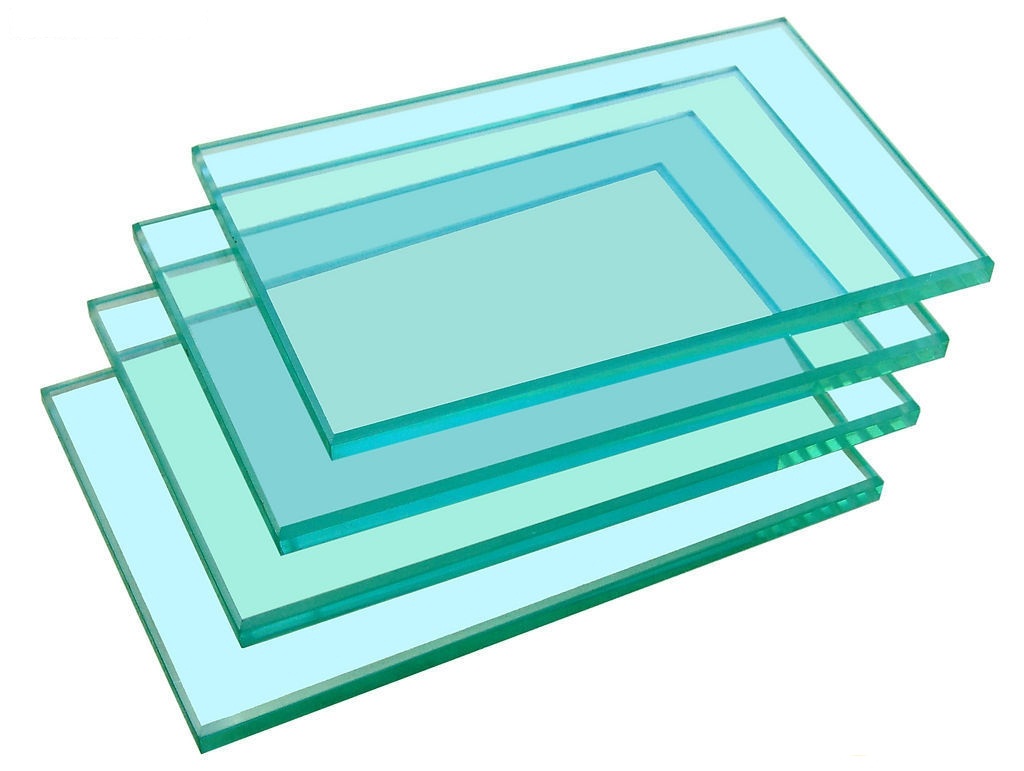
Float glass is a smooth, distortion-free glass that serves as the base material for manufacturing other glass products such as laminated glass, toughened glass, and more. With its natural greenish hue and translucent appearance, it can transmit approximately 87% of incident light. Unlike traditional sheet glass, float glass provides exceptional optical clarity and a crystal-clear view.

The term “float glass” originates from its manufacturing process. In this process, molten glass is poured onto a bath of molten tin, where it floats freely and spreads evenly, resulting in a uniform thickness and a perfectly flat surface.

History of Float Glass

Float glass is the original form of glass – the progenitor of an endless generation of glass solutions. Before learning how it is made, it is important to understand its history. With its invention dating back at least 3,600 years, glass has been a timeless material that has served many generations. However, it was not until the late 19th century that float glass came into existence.

In earlier centuries, glass was made using the blowing and disc methods. Since glass was primarily used for creating windows in those days, flat glass was produced from large discs of crown glass or by blowing glass bottles. The discs were usually cut into pieces, flattened, and then shaped to create windowpanes from the larger surface.

Between 1953 and 1957, Sir Alastair Pilkington introduced the idea of manufacturing float glass to the world. Although Henry Bessemer, a UK engineer, patented early advances in automated glass manufacturing, it was Sir Pilkington who perfected the production of float glass. Bessemer’s original process used a continuous ribbon of flat glass formed between rollers. In contrast, the Pilkington method developed a ribbon of float glass using molten tin, over which molten glass would flow freely under the influence of gravity.

Bessemer’s version was expensive; however, with the efficiency of the Pilkington method, Sir Alastair was able to achieve profitable full-scale sales of float glass by 1960.

Float Glass Manufacturing Process

As the most widely used form of glass in today’s world, it is essential to understand the float glass manufacturing process. It begins with a mixture of raw materials such as sand, limestone, dolomite, soda ash, and salt cake. These materials are melted in a furnace until they fuse together to form molten glass.

In float glass production, molten glass from the furnace is poured into a chamber containing a bed of molten tin. The tin bath is approximately 4 to 8 metres wide and up to 60 metres long. During the manufacturing process, the atmosphere inside the chamber is carefully controlled to ensure proper production of float glass. If you are wondering how float glass is made, tin is used because it has a high density and remains stable and non-reactive in its liquid state at the temperatures required for float glass production, allowing the molten glass to spread evenly and form a smooth, uniform surface.

The glass floating on the tin gradually spreads out and takes a uniform shape, typically ranging from 90 to 140 inches in width, with thickness determined during the manufacturing process.

Once the glass achieves its desired shape, it is polished by fire. It is important to note that only the upper surface – known as the air side or score side – is fire-polished, while the lower surface (the tin side) is left to cool.

For the cooling process, the glass moves from the chamber to a temperature-controlled oven called a lehr. In this kiln, the glass is cooled slowly at a controlled rate in a process known as annealing. Annealing relieves internal stresses, resulting in a strong, uniform, and smooth sheet of float glass. Establishing the correct cooling rate is crucial, as improper temperature control can lead to air bubbles and internal stresses.

Once removed from the lehr, the glass emerges as a continuous ribbon at room temperature. It is flat, has a fire-finished top surface, and features smooth, parallel faces. The glass is then finished using automatic cutters that trim the edges and cut it to the desired length. Float glass can range in thickness from 0.4 mm to 25 mm, depending on specific requirements.

Advantages of Installing Float Glass

Now that we have explored the manufacturing process of float glass, let’s look at some of the key advantages of float glass.

1. Durability

As mentioned earlier, float glass is annealed to relieve internal stress. Although it has a similar thickness to plate glass, it is denser and more uniform, making it a superior choice for both interior and exterior applications.

2. Environment-Friendly

Energy efficiency refers to the ability of glass to regulate indoor temperatures by keeping interiors cooler during summers and warmer during winters. Float glass can also be processed into low-E glass by applying a coating of metal oxides to improve thermal performance.

At AIS Glass, we offer high-performance, energy-efficient glass solutions designed to reduce energy consumption in homes and offices while supporting environmental conservation. AIS Clear Float Glass is 100% recyclable and non-toxic, helping minimise environmental impact. It is also copper- and lead-free, further supporting sustainability efforts.

3. Multitude of Options

As the base material for many glass products, float glass can be further processed into a wide variety of solutions. It is available in different thicknesses, shades, and sizes to meet diverse architectural and consumer requirements.

Various processing techniques  –  including insulating, glazing, laminating, thermal toughening, silk-screen printing, sandblasting, bending, and acid-etching  –  can be applied to AIS Clear Float Glass to achieve the desired aesthetic and functional outcomes.

Applications and Uses of Float Glass

From domestic housing to commercial spaces, float glass is a versatile material that serves numerous purposes. Now that we understand the many benefits of installing float glass, let’s explore some of the creative ways it can be used in residential and commercial environments.

1. Displays

Owing to its crystal-clear transparency, float glass is an ideal choice for display applications. It is commonly used for showroom display cases, retail shop windows, and countertops to protect valuable items such as watches and jewellery, while still showcasing them effectively. AIS Clear Float Glass offers brilliant lustre and a crystal-clear finish, enhancing the aesthetic appeal of spaces with its luminosity.

2. Facades

Nothing conveys affluence and sophistication quite like towering, glistening glass skyscrapers. Float glass, when processed with glazing, becomes both aesthetically appealing and highly functional. Glazing enhances the strength and efficiency of the glass, while float glass itself provides superior clarity and visual charm.

3. Wall Panels

Whether used for creating partitions at home or personal cabins in offices, wall panels are an excellent way to enhance décor and elevate visual appeal. Tinted float glass panels can add a vibrant splash of colour and bring new life to any room. At AIS Glass, we manufacture international-quality tinted float glass with heat-reflective properties using advanced CVD technology. We also offer customisable options, including lacquered and frosted finishes, to help create stylish and dynamic spaces.

And there you have it – a comprehensive overview of float glass. One of the most versatile types of glass available, float glass is an excellent choice for decorating homes and offices. As India’s leading integrated glass manufacturer, AIS Glass strives to go beyond the ordinary and create luxurious spaces. We provide expert guidance from the initial selection process through final installation to help our clients achieve their ideal, picture-perfect spaces. Get your expert consultation today.


Categories

Top Benefits of Float Glass in Modern Homes

Many of us are mesmerised by the sheer brilliance of modern skyscrapers and wonder what the secret is behind this striking shine. Well, it is the impeccable float glass that makes those skyscrapers sophisticated, sleek and seamless.

From big corporate offices to luxurious stays, float glasses are taking the lead as a top choice for doors and windows, enhancing your living space with minimal hassle.

Whether you are trying to upgrade your home’s décor or increase your home’s safety, these float glasses are a must-have for every modern home.

Why Float Glass?

Float glasses are crafted using molten glass. They are known to add an aesthetic appeal to modern homes with their sleek surface, impressive durability and high functionality. 

Whether you are planning to redecorate or add a contemporary touch to your home, float glass is an ideal choice. These glasses elevate your home aesthetics and interiors while improving privacy and safety.

Benefits of Float Glass in Modern Homes

Great Aesthetics

Float glass boasts a smooth surface, which brings a sleek and sophisticated vibe to the space and effortlessly complements the contemporary interiors of modern homes.

The glass comes in various shades, such as green, blue and grey, to seamlessly integrate with various architectural styles and colour palettes.

At AIS Glass, we offer an exquisite range of float glass options, including AIS Clear, AIS Tinted and AIS Krystal. Whether used in your main bedroom or with slim and sliding shower doors, these glasses transform your space into a masterpiece of modern design.

Ample Natural Light

One big reason why homeowners and designers prefer float glass is its capability to maximise the presence of natural light and create open spaces for modern homes.

Large windows made with float glass, such as AIS Clear, AIS Tinted and AIS Krystal, effectively allow more natural light to pour in and brighten up your room. These glasses never become a barrier between your space and nature. Rather, they brighten up your interiors while reducing the need for electric or artificial lighting.

If you’re someone who enjoys staying in touch with nature and love sunkissed interiors, AIS float glass solutions are here to help. With exceptional clarity and transparency, our glasses will seamlessly connect your indoors with the outdoors, inviting natural light and warmth into your home.

Distortion-Free Vision

The precise manufacturing process of float glass gives it a smooth, flat surface and uniform thickness, which results in an unobstructed line of sight, ensuring clear and precise views. This makes float glass the perfect choice for projects where visual clarity is crucial, such as architectural windows, glass facades, shopfronts, doors, etc.

With AIS Clear, you can enjoy a clear view of your surroundings, free from distortions and imperfections.

Heat Control

Some float glass options, such AIS Tinted, offer excellent heat control and glare protection.

By absorbing 30% to 45% of solar heat, these glasses help regulate indoor temperatures, keeping your space cool and comfortable without compromising on aesthetics. Additionally, they protect against harsh glare, ensuring a pleasant and distraction-free environment.

With AIS Tinted float glass, you can enjoy the perfect balance of natural light and comfort in your home while minimising the effects of excessive heat and glare.

Conclusion

Float glass is the ultimate upgrade for your home. It is sleek, stylish and super functional. In addition, other benefits like natural light, clear views and heat control make it the perfect choice to elevate your space.

At AIS Glass, we offer a range of float glass solutions, each designed to meet your unique needs and style. From the crystal-clear clarity of AIS Clear to the heat control properties of AIS Tinted and the distinctive matte finish of AIS Krystal, our float glass range has something for everyone.

So, why settle for ordinary when you can have extraordinary? Experience the perfect blend of form and function with us.

Categories

Understanding the Drawbacks and Advantages of Float Glass

Choosing the ideal glass for your home, office, and industrial spaces is important to avoid unexpected safety issues, scratches or expensive repairs. Float Glass, a pioneer in the world of architecture, providing doors, windows, and partitions with massive crystal clarity and no distortion. However, it might have some drawbacks.

In this blog, we will examine the advantages and disadvantages of float glass to help you make an informed decision.

What is Float Glass?

Float Glass is a specialised form of flat glass made using a floating process to prevent distortion. In this process, the soda-lime-silica glass is heated in a furnace to around 1500 degrees Celsius and then poured into a pool of molten tin.

This ensures that the float glass is evenly spread out into flat sheets when cooled and solidified. The sheets can be cut into any desired shape. Owing to their versatility and aesthetic appeal, they are high-quality, functional glass sheets.

Advantages of Float Glass

Listed below are the various benefits of float glass:

1. High Clarity

One of the biggest perks of float glass is its unmatched clarity. It offers excellent optical clarity with minimal distortion, which is particularly valuable in applications such as windows, skylights and storefronts, where unobstructed views are required. The crystal-clear clarity also allows a flood of natural light to illuminate your space, creating a welcoming atmosphere.

2. Smooth Surface

The smooth surface is the result of an advanced manufacturing process used to create float glass. To better understand the process and properties, learn more about what float glass is. This process results in a perfectly uniform, distortion-free surface. This smoothness not only gives the glass an aesthetic look but also makes it ideal for further processing, such as creating mirrors.

The even surface of float glass is appreciated in applications that depend heavily on visual functionality, such as mirrors, facades and other architectural designs.

3. Versatility

One of the major advantages of float glass is its versatility. It can be easily cut and shaped into various forms, making it a relevant choice in a wide variety of industries, including architecture and the automobile industry. Its structural use, safety applications and aesthetic appeal make it ideal for customising to fit specific needs.

4. Cost Effectiveness

The large-scale production of float glass has made it highly affordable to the masses. It is one of the most commonly manufactured and widely available glass types. Float glass is an economical choice for window panes, doors and partitions and is available in various thicknesses and sizes. If you are looking for the best float glass in India, explore premium-quality float glass solutions by AIS, designed to offer durability, clarity and reliable performance for diverse applications.

4. Durability

The durability of the float glass comes from the floating process used to create it. This makes it stronger than regular glass. Even if you compare the equal thickness of float glass and plain glass, float glass will prove to be stronger and more durable.

This is owing to its manufacturing process, which involves equally distributing the molten glass on the molten tin. The glass cools down and garners strength by minimising internal stress.

Drawbacks of Float Glass

Listed below are the various disadvantages of float glass:

Breaks into Large Pieces

One of the biggest safety concerns about float glass is that it breaks into large, sharp pieces when subjected to force. This is because the glass hasn’t yet been through the tempering process. Tempering would make the glass resistant to high-rise buildings or high-wind conditions, without which it is quite unsafe.

Complicated Manufacturing Process

The glass-making process is complex compared to other glass manufacturing methods. To understand the process in detail, learn more about how glass is made. The glass must be cooled properly to reduce its brittleness; otherwise, it can easily break due to thermal stress. Additionally, the machines required to manufacture the glass are very expensive.

Prone to Scratches

Float glass is not resistant to scratches. Even minor contact with an abrasive material can leave visible marks on them, which discourages many manufacturers from using them in their raw form.

Brittleness

Float glass is inherently brittle. This makes it incapable of resistance in high-stress environments. The brittleness can be improved by making the glass go through a tempering or laminating process. Up until then, its direct application in high-rise buildings or areas exposed to rapid temperature change can be a cause of concern.

Conclusion

Float glass is a versatile and cost-effective material. However, in its raw form, float glass lacks certain safety features due to its brittle nature. Therefore, understanding the advantages and drawbacks of float glass will help you make an informed decision.

At AIS, one of the trusted glass suppliers in India, we help you understand the properties, benefits and limitations of different glass types to help you find the ideal match for your requirements.

Categories

Key Features of Float Glass

Float glass is a versatile and widely used type of glass that has gained popularity due to its exceptional properties. Its superior flatness and clarity, combined with its durability and adaptability, make it an invaluable material in industries like construction, automotive and consumer goods.  

This comprehensive guide aims to explore the key features of float glass, delving into its composition, manufacturing process and various applications to provide a deeper understanding of what makes it such a preferred choice across industries.  

What is Float Glass? 

Float glass is a type of flat glass produced through the unique process of pouring molten glass onto a bath of liquid tin. Due to its lower density, the molten glass floats. This process ensures an exceptionally smooth, bubble-free surface.  

After this, the Pilkington Process is used. This involves carefully controlling the atmosphere within the chamber to shape the glass. The upper surface of the glass, known as the air side, is polished with fire. The lower surface, known as the tone side, remains unpolished. After cooling in an oven, the glass emerges as a flat and continuous ribbon that is ready to be cut to size.  

This float glass is then processed for use in various applications, including windows, doors, and other products that require flat, distortion-free glass.  

Key Features of Float Glass: 

1. Clarity 

Float glass is well known for its high clarity and transparency. Its ability to transmit light effectively makes it an ideal material for windows, allowing natural light to enter buildings. Furthermore, the clarity of float glass is essential in applications where visibility is needed, such as in display cases, shop windows and aquariums.  

The crystal-clear appearance of float glass enhances the aesthetic appeal of structures and products.  

2. Durability and Strength  

Despite its delicate appearance, float glass is surprisingly strong. It can withstand significant pressure and impact, making it suitable for various applications. In the construction industry, float glass is used in structural elements such as curtain walls and skylights, where it must withstand external forces. Additionally, in the automotive industry, after processing float glass is used in windshields as laminated glass and tempered glass for side windows, where it must protect occupants from potential hazards.  

3. Flatness 

One of the most prominent features of float glass is its exceptional flatness. The unique manufacturing process ensures that the glass sheet is remarkably even and free from any distortions or undulations. This flatness is crucial in various applications, particularly in the construction industry.  

For example, in windows and doors, flatness is essential for unobstructed vows and proper sealing. Additionally, in mirrors and other reflective surfaces, flatness is critical to prevent image distortion.  

4. UV Protection and Thermal Stability 

Float glass naturally blocks some amount of harmful ultraviolet rays from the sun. This property is essential in applications where protection from UV radiation is required, such as windows and skylights. Float glass also possesses excellent thermal stability. It can withstand temperature fluctuations without cracking or breaking, making it ideal for applications where the glass may be exposed to varying temperatures.  

5. Versatility 

Beyond its strength and durability, float glass stands out for its adaptability. It can be manufactured in a wide range of thicknesses, with standard market sizes available in 2 mm, 3mm, 4mm, 5mm, 6mm, 8mm, 10mm, and 12mm 

This versatility helps it cater to delicate applications as well as robust uses while maintaining its durability and aesthetic. From crystal clear to various tints and reflective coatings, float glass can be customised for aesthetics and functionality.  

Conclusion 

Float glass’s ability to withstand pressure, impact and temperatures, along with its beautiful aesthetics, makes it an ideal choice for applications ranging from automotive glass to windows and doors in living and office spaces.  

If you are looking for aesthetics coupled with functional benefits, AIS Glass is the perfect choice for your glass and window solutions. Not only does AIS offer pleasing designs and versatile options of float glass, but it also ensures that you can create the perfect space for your homes and offices.  

Moreover, AIS’s expert guidance will always support your planning right from the initial selection process! Elevate your spaces with AIS and book a consultation today.   

Categories

What Is Flat Glass? 5 Things You Should Know About Its Uses and Benefits

What Is Flat Glass?

Glass has undoubtedly secured its position in the world of architecture and interior designing, having no competitors to challenge its fluid aesthetic appeal and innovative functionalities. But, the evolution of glass as we know it today had its origins in a special type of glass, known as float, annealed, or even flat glass.

Invented in 1959, this glass is made using some of the most abundant raw materials found on the earth’s surface like silica sand, limestone, soda ash, dolomite, and glass cullet.    

How Is Float Glass Made?

Float glass is made by melting the aforementioned items in a 1600°C preheated furnace and then pouring them onto a shallow bath of molten tin. This molten glass allows it to cool on the tin by spreading itself out to form a flat surface. After cooling, the glass pane solidifies and flattens out evenly, which is why it is occasionally also called flat glass. Rollers run on top of the glass surface to pull and stretch it out, in case a thinner finish is needed. 

The cooling process is not as straightforward as it sounds. Molten glass is slowly brought down from the fierce temperature of 600°C to about 100°C. After the glass has cooled down, it is trimmed to remove any uneven or excess glass. These spare glass shavings are used as cullet for newer batches. The whole process is recyclable and highly sustainable, with almost nothing going to waste.

The process of cooling glass down in a controlled and monitored manner is called annealing. Annealing awards the glass pane higher density and a higher refractive index. Tinted float glass is manufactured by pouring colouring agents during the melting process. Iron, cobalt and selenium are used to make green, grey, bronze and blue tints. 

Applications of Flat Glass

Flat glass, also known as annealed glass, is widely used for both commercial and residential applications. To understand its properties and uses in detail, you can explore what is annealed glass and its applications. Let us now take a closer look at its key applications.

  • Residential Real Estate

Flat glass is commonly used for small windows that do not need to withstand high temperatures or pressures. Float glass can shatter into sharp shards on impact, which is why it is mostly made to undergo heat strengthening, tempering, insulation, lamination, and other such processes to improve and increase its applications. An annealed glass pane that has further gone through a strengthening process has multifarious applications.

  • Commercial Glazing

Flat glass has become quite popular for constructing the exterior of commercial spaces. It gives the dwellers an impression of being outside, along with a sense of openness. All stories begin with float glass. This foundational glass pane goes through a heat toughening treatment before it is installed in office buildings, restaurants, retail outlets, display cases, etc.

05 Characteristics of Flat Glass

Since flat glass boasts superior clarity, it allows for a higher degree of light to pass through it. Using windows made of flat glass allows a healthy amount of natural light to permeate into your homes or offices and makes them bright and cheery.

1. Available in Several Tints

If you love glass but your home or office is in the direct line of solar glare, you don’t need to worry! Flat glass is available in several tints and shades, with the ability to produce a diverse range of translucencies. You can choose between bronze, grey, green, blue, etc. Tinted annealed glass allows a comfortable amount of natural light to shower through and helps reduce ultraviolet (UV) rays and infrared (IR) radiation, depending on the tint and thickness. 

2. Easily Mouldable 

Since this type of glass can be cut, drilled, polished and edged after fabrication, it can be customised to precisely match your design sensibilities, before putting it through the irreversible processes of tempering or lamination. 

3. Eco-friendly

The process of manufacturing flat glass generates minimal waste and is environment friendly. All the extra glass shards that get trimmed off go back in the furnace to be recycled. This makes the entire process sustainable.

4. Available in Multiple Thickness Options

Flat glass can be made to order in various dimensions and densities, which is enabling new and diverse applications. For example, with modern advancements, manufacturers have now started producing ultra-thin float glass that has applications in televisions, computers, and mobile phone hardware.

5. Easy to Maintain

Flat glass does not collect a lot of dust or grime and stays placid for years on end. However, it is always a good idea to care for your door and window glass panels to ensure that they stay dust-free. Wipe your float glass windows once a week with a soft, damp cloth. Use microfiber cloth for best results. You can also use soapy water to wipe any grime or debris off its surface. Make sure that you leave no soap residue on the panes towards the end of the cleaning process, as this will attract more dirt.

The Bottom Line

Looking for flat glass for your next project? Turn to AIS for all your glass-related needs. As one of the top glass manufacturing companies in India, we provide end-to-end glass solutions backed by over three decades of expertise. Rely on our team of professionally trained technicians to help you select the right glass for your home or office.

So, what are you waiting for? Get in touch with us today!

We use cookies to help you get the best possible experience of our site. By clicking 'Accept' you agree to our use of cookies.