Categories

Facts about Heat Resistant Glass

Glass that can withstand high temperatures has become an integral part of modern life. With it, many of the conveniences we take for granted are possible. This glass allows both heat and light to pass in helpful ways. Read on to uncover some fascinating facts about heat resistant glass. 

What is a Heat-Resistant Glass? 

Heat-resistant glass is designed to withstand extremely high temperatures before failing or allowing heat to pass through. Different types of heat-resistant glass become sturdier as the maximum operating temperature increases, so selecting the appropriate classification and thickness for the heating levels is important. 

Tempered glass, laminated glass, ceramic glass, and soda-lime glass are the most popular forms of heat-resistant glass. Tempered glass is the most commonly used variety. Depending on your needs, you can select the appropriate variety because they all offer distinct characteristics and benefits. 

Facts about Heat Resistant Glass 

Mentioned below are some evident facts about heat-resistant glass: 

1. Types of Heat Resistant Glass 

There are mainly two types: tempered glass and laminated glass. Tempered glass is a single piece of toughened glass, while laminated glass involves bonding two pieces of glass with an interlayer like PVB. Both undergo special manufacturing processes to increase their strength and heat resistance. 

2. Double Layer Protection 

Some heat-resistant glass options protect both sides by using double-sided heat-resistant glass for extra safety. The inner and outer surfaces both maintain integrity at high temperatures, helping to reduce the amount of heat that can pass through overall. 

3. Approvals for Framing Systems 

Leading brands test their heat-resistant glass solutions with common framing material like aluminium frames. Some even offer frameless options for maximum visibility. This helps architects and builders easily integrate the glass into partition and facade designs. 

4. Noise Reduction 

The extra layers in laminated heat-resistant glass provide sound-insulating properties. It can reduce noise transmission by up to 49 decibels, helping maintain quiet indoor spaces even during loud exterior conditions. 

5. Impact and Pressure Resistance 

Heat-resistant varieties are much stronger and almost unbreakable than regular glass, even under high pressure or impact loads. This makes them highly durable and safe for use in high-traffic areas. 

6. Aesthetics and Visibility 

While ensuring maximum safety, leading brands also focus on aesthetics. Their heat-resistant glass solutions maintain clarity and transparency for visibility like regular glass, allowing natural light in without compromising on design. 

The Bottom Line 

Heat-resistant glass provides invaluable protection during extreme temperatures while maintaining visibility and aesthetics. Whether for commercial buildings, industrial facilities, or residential homes, the various types and styles of heat resistant glass maximise safety and insulation from high temperatures. The right heat-resistant glass solution can be configured for any space with options that suit different framing materials, environments, and noise control needs.  

Their strength and resistance to impact only add to their durability. For projects that demand integrity in high-heat areas, sourcing products from a reputed supplier like AIS Glass is the way to go. Our extensive expertise can deliver precisely what you need to safeguard occupants. 

Categories

Laminated Safety Glass: Uses and Advantages

A ground-breaking material called laminated safety glass has altered how we prioritize safety and security in many industries.
There are numerous uses for this laminated safety glass in various industries. This blog discusses the varied applications and wealth of benefits of laminated safety glass, illuminating its relevance in promoting safety and peace of mind.

What is Laminated Safety Glass?

To create laminated safety glass, a polyvinyl butyral (PVB) layer is fused between two or more layers of glass. Strong adhesion is ensured by the use of heat and pressure, producing a substance that is both resilient and beneficial.

Uses of Laminated Safety Glass 

Learn about the various ways that laminated safety glass is used in different fields: 

Automotive Industry

Laminated safety glass makes windshields in the automotive industry one of its most widespread uses. The PVB interlayer is a barrier that stops the glass from shattering in the event of an impact. This vital component considerably lowers the possibility of serious injuries to car occupants in collisions.

Architecture and Construction

In architecture and construction, laminated safety glass has become a standard for building components like windows, doors, and skylights. It is the perfect material for high-rise buildings because of its increased strength and safety features, giving residents and builders a sense of security and dependability.

Safety Glazing

Laminated safety glass is a wonderful choice for use in safety glazing applications. Among the many applications for this glass are balustrades, glass railings, and shower enclosures. Sharp glass fragments are less likely to cause serious injuries due to the interlayer’s capacity to keep the glass together even when fractured, improving safety.

Bulletproof Glass

A key element in making bulletproof glass is laminated safety glass with additional layers of PVB and glass. These sophisticated windows and doors protect against potential threats and are used in security facilities, embassies, and prominent structures.

Advantages of Laminated Safety Glass

Examine the remarkable advantages of laminated safety glass:

Enhanced Safety

Laminated safety glass’s amazing safety qualities are its most noticeable benefit. The interlayer guarantees that the glass will remain unbroken even when subjected to extreme force, offering people inside structures or vehicles an unrivaled level of safety.

Security

Its solid construction makes it challenging to penetrate as a barrier against forced entrances and burglaries, providing residents and businesses with greater peace of mind.

UV Protection

In an era where skin cancer and UV radiation are significant concerns, laminated safety glass is crucial to safeguarding occupants from harmful ultraviolet rays. The PVB interlayer filters out a substantial portion of UV radiation, reducing its penetration into the interiors of vehicles and buildings.

Noise Reduction

Noise pollution can harm one’s health in the busyness of urban living. By efficiently reducing outside noise levels, laminated safety glass helps to create a quieter indoor environment, improving comfort and concentration.

Storm and Hurricane Resistance

In areas subject to extreme weather, laminated safety glass has proven to be valuable. Its capacity to withstand strong winds and the impact of flying debris during storms and hurricanes improves occupant safety and reduces property damage.

Conclusion

AIS Glass has emerged as a game-changer with our laminated safety glass in the race for improved safety and security across sectors. Its adaptability and efficiency in automotive, architecture, and safety glazing emphasize its crucial function in safeguarding people and assets.
Our laminated safety glass is a popular option in various situations due to its many benefits, including improved safety, security, UV protection, noise reduction, and storm resistance. We are positioned to continue evolving as technology develops, solidifying our status as a ground-breaking substance in safeguarding people’s safety and peace of mind worldwide.

Categories

Top Benefits of a Sunroof in Cars: Unlocking the Sky

What is a Sunroof?

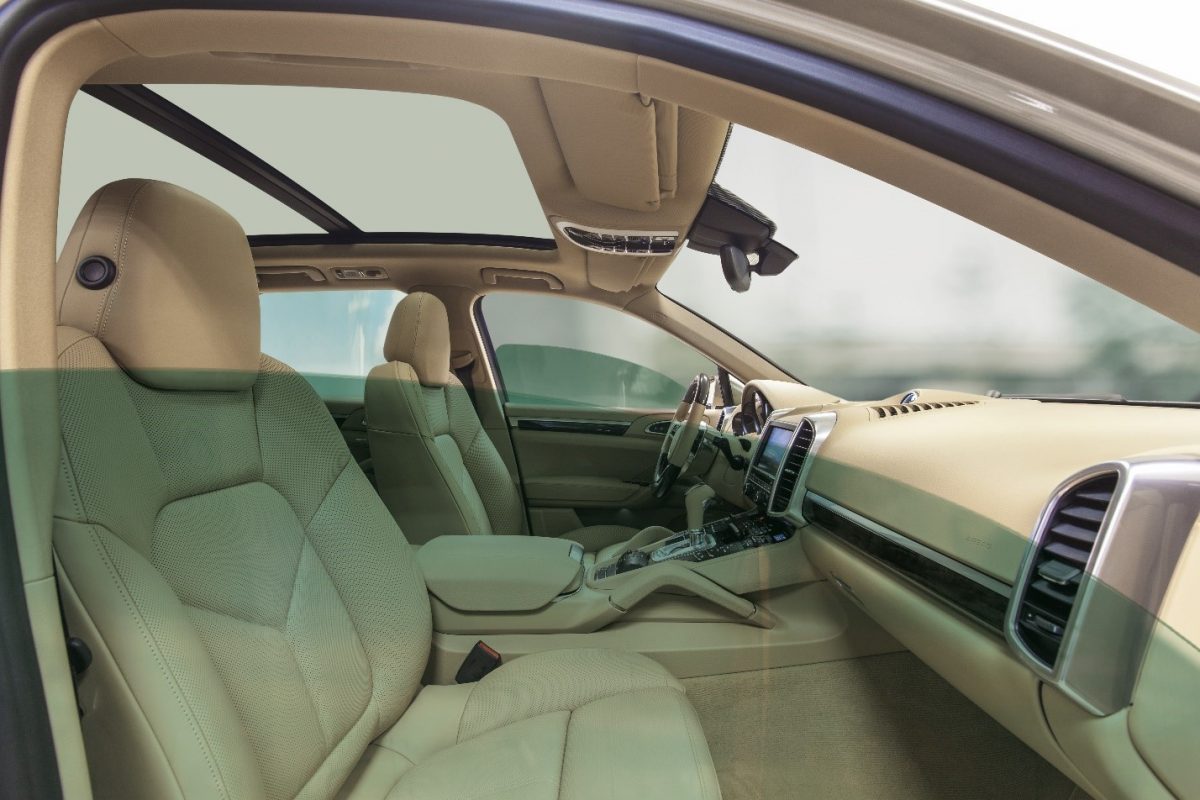
A sunroof is a movable or fixed glass panel installed on a vehicle’s roof that allows natural light and fresh air to enter the cabin. Depending on the design, a sunroof can be tilted, slid open, or operated automatically to improve ventilation and enhance the overall driving experience.

Over the last few decades, sunroofs have become an increasingly popular feature in cars, with many models now offering them as standard or optional equipment. There are several reasons for their growing popularity, including improved aesthetics, better airflow, increased natural light, and enhanced driving comfort. Read on to learn about these benefits. 

Top 6 Benefits of Sunroof in Cars:

1. Unique Style

A sunroof adds a sleek, modern look to a car. The expansive glass panel makes a car seem more spacious, luxurious, and upscale. For car buyers looking to make a style statement, a sunroof is an eye-catching feature that sets a vehicle apart. The glass panel seamlessly blends into the roofline for a smooth, integrated appearance. This aesthetic appeal is reason enough for many drivers to opt for a sunroof. 

2. Innovative Glass

The glass used in today’s sunroofs is high-tech, engineered specifically for automotive applications. Tempered glass or laminated safety glass makes sunroofs resistant to impacts and pressure and even minor collisions. Special coatings reduce glare and heat transmission. Electrochromic sunroofs can change from clear to tinted at the touch of a button. Advanced glass technology gives sunroofs strength, solar protection, and user control that previous generations did not offer. 

3. Functional Design

Contemporary car sunroofs utilise intelligent design to maximise their utility. Streamlined shapes, flush-mounted glass panels, and wind deflectors enable sunroofs to open or tilt up even at highway speeds with minimal wind noise or air turbulence in the cabin. Many sunroofs feature large openings that ventilate the interior far more effectively than conventional windows. The latest dual pane designs provide ventilation while closed. Sunroofs may have shades, screens, and other features that can be used to customize airflow. 

4. Automatic Operation

For convenience, most current factory sunroofs offer power operation as standard equipment. Motors and drive mechanisms smoothly open, close, tilt and adjust the glass panel at the push of a button – eliminating the need for manual operation. High-end cars may even have sunroofs that close automatically when it rains or when sensors detect the interior is getting too hot. Automatic climate control synced with the sunroof maintains perfect cabin temperatures. The hands-free operation makes sunroofs easier to use. 

5. Adjustable Positioning 

Versatile car sunroofs allow occupants to fine-tune airflow. Occupants can fully open the sunroof for maximum ventilation, partially open it to any desired position, or tilt it up for fresh air. Built-in sunshade screens provide further adjustability by blocking sunlight when desired. Customising ventilation and lighting levels makes sunroofs more comfortable in nearly any driving conditions. Whether it is an early spring day or a frosty morning, the interior ambience can be tailored through sunroof adjustments. 

6. Enhanced Driving Pleasure 

For many drivers, a key reason to add a sunroof is to make time spent in the vehicle more pleasant. Opening the sunroof quickly airs out the cabin, creating an enjoyable, open-air driving experience. The sunlight streaming in gives the interior a bright, expansive feel. Even small sunroof openings allow fresh breezes to circulate, keeping the climate inside comfortable on hot days. Looking up through the glass for long drives or daily commutes helps reduce the feeling of confinement. Sunroofs can make driving more relaxing and enjoyable by enhancing comfort and reducing driver fatigue. 

Conclusion 

With their ability to bring in natural light, ventilation, and aesthetically pleasing design, it is no mystery why sunroofs are appearing on more new vehicles. They create an open, airy environment that makes time spent in the car more pleasant. Continual engineering advances make modern factory sunroofs even more attractive options. For many buyers, unlocking the sky with the added enjoyment and functionality a sunroof provides makes the expense worthwhile.

As one of the top sunroof manufacturers in India, AIS offers high-quality automotive glass solutions designed to enhance comfort, safety, and driving experience. Contact AIS to learn more about car sunroof solutions and advanced automotive glazing technologies.

Categories

Cutting-Edge Trends in Energy Efficient Glass for Modern Office Spaces

As climate change and sustainability become increasingly important issues, companies seek ways to reduce their environmental impact through energy efficiency. One area offering great potential is advanced glass technologies for modern office building design. Energy efficient glass can dramatically cut electricity costs while providing employees greater comfort and health benefits. 

Here we’ll discuss the latest trends in energy efficient glass for modern office spaces. 

The Science of Energy Efficient Glass 

Energy efficient glass controls two things – heat from sunlight and heat leaking in or out through the window. Special coatings on glass can actually block and reflect away some of the sun’s heat, keeping buildings cooler. This is called solar control glass. Other coatings help glass insulate better by letting less heat escape outside in winter and preventing heat outside from entering inside in summer.  

Scientists apply these coatings to glass using super high-tech machines that spray bits of metal onto the surface at a microscopic scale. The result is glass that looks normal to our eyes but acts like a thermal shield. The most advanced energy-efficient windows even have a layer of vacuum or special gel suspended between two panes of glass, making them extra strong heat barriers.  

The science behind tricking out glass to handle heat better keeps improving, bringing us closer to windows that help lower energy bills and keep indoor temperatures comfy year-round. 

Trends in Energy Efficient Glass 

Smart Windows:  

These futuristic windows have special sensors and computer chips built right into the glass to detect what’s going on inside and outside the building. These smart windows can tint and clear automatically to control the amount of natural light and heat entering a room. So, if the sun comes out and it starts getting hot, the glass can darken itself to block excess heat and glare. The windows can even tell if a room is unoccupied and save energy by adjusting the glass to reduce heating or cooling needs in that area. 

AIS Swytchglass:  

AIS Swytchglass is advanced smart glass technology that can tint transparent panels opaque to block visibility, then revert back to clear all with a button click. This innovative product gives you instant control over glass transparency for your space 

Triple-Pane Windows:  

Most regular windows have two panes of glass with air or argon gas between them for a little insulation. Now, they’re developing triple-pane windows with three glass layers and two spaces for gas. That extra chamber provides a lot more insulation, keeping hot and cold outdoor temperatures from influencing indoor comfort. More layer’s lead to better efficiency! 

Vacuum Seal Technology:  

Since vacuums have no air molecules, they transfer less heat than regular air-filled double-pane windows. It’s a huge upgrade in insulation value and energy savings! 

Enhanced Energy Savings and Occupant Benefits 

The latest innovations in switchable tinting glass, transparent insulation materials, and smart automation provide an optimal balance of natural light, solar heat control, thermal insulation, and noise attenuation. 

Occupants enjoy comfortable lighting and temperature levels that reduce eyestrain and improve productivity. Ultimately, energy efficient glass keeps pushing boundaries to deliver exceptional comfort, cost savings, and sustainability. 

Conclusion 

Advanced energy efficient glass technologies present a remarkable opportunity for modern offices to simultaneously enhance indoor environmental quality while achieving energy and carbon emission reductions. 

Trends highlighted above—such as electrochromic glazing, vacuum insulation, aerogel, and integrated automation—point to a future where dynamic glass curtain walls can drastically reduce lighting, HVAC, and thermal loads. To learn more about energy efficient glass, you can connect with experts at AIS Glass. 

Categories

Tips for Upgrading Your Home with Energy-Efficient Glass

Upgrading your home with energy-efficient windows is one of the wisest investments you can make as a homeowner. High-performance glass can lower energy bills, improve comfort, reduce moisture condensation and outside noise, and potentially boost resale value down the road. With many window glass options on the market today, it can get overwhelming trying to pick the right solution for your needs and budget. Here, we’ll discuss energy efficient glass and tips for upgrading your home with it. 

What is Energy Efficient Glass? 

Energy efficient glass refers to double or triple-glazed window panes with special coatings and gases injected between them to slow heat transfer. Compared to regular single-pane windows, which lose heat rapidly, energy-efficient ones have higher insulation ratings (measured in R-values), so they do a superior job of retaining interior air temperature. There are different technologies available – some types, like Low-E glass, have metallic coatings that reflect heat into a room during cold weather and outward on hot days.  

Others are filled with argon or krypton gases between the panes, which insulate against conductive heat flow. The core functionality of these upgraded windows lies in their ingenious methods to trap desirable heat in the winter while blocking excessive sun rays in the summer, helping maintain a comfortable climate inside while saving on energy expenditures. 

Tips for Upgrading with Energy Efficient Glass 

When upgrading your windows, here are some tips for choosing the right energy efficient glass: 

1. Living Spaces 

South-facing living spaces heat up easily. Choose Low-E glass to block UV rays and limit heat gain. Electrochromic glass offers the most control over glare and temperature. 

2. Kitchen 

Low-E glass works well for typical kitchen use. Consider thermochromic glass by sinks, which tints automatically on hot sunny days. 

3. Bedrooms 

Prioritise noise reduction with laminated panes plus improved insulation with aerogel or argon/krypton gas-filled double glazing. 

4. Bathrooms 

Prevent condensation with Low-E coatings. For privacy, choose windows with translucent interlayers. 

5. Basements 

Opt for triple glazing with two Low-E coatings and krypton gas fill for maximum insulation. 

Choosing Energy Efficient Glass 

When selecting new energy-efficient windows, consider these factors: 

  • Climate: Colder climates benefit more from Low-E glass, which retains interior heat, while hotter climates need solar control coatings that reflect heat. 
  • Window Frame: Frames conduct and leak heat, undercutting efficiency gains from the glass. Choose insulated frames made of uPVC or Aluminium. 
  • Placement: Prioritise upgrading windows on south- and west-facing walls first, as they receive the most sun exposure. 

Installation Considerations 

Proper installation is key to ensuring energy-efficient windows perform as expected: 

  • Replace the entire window, not only the glass, for full efficiency and weatherproofing. 
  • Make sure the window frame size matches precisely or is slightly larger to ensure gaps are sealed. 
  • Use high-quality Sealants and expanding foam around the window frame for minimal air leakage. 

Cost Analysis 

While energy-efficient windows have a higher upfront cost, the investment pays for itself over time through energy savings. Payback periods typically range from 8-12 years. Many utility companies also offer rebates for upgrading to energy efficient glass. 

Why Choose AIS Glass to get Energy Efficient Glass 

AIS Glass is a great option if you’re looking to install energy-efficient windows. They offer affordable products that can cut your energy bills. Beyond cost savings, their specialised glass comes in different tint options and thicknesses to fit your home’s needs. With customisation, efficiency and quality all rolled into one, AIS Glass ticks all the boxes. 

Conclusion 

Upgrading your home’s windows with energy efficient glass provides better insulation, comfort, noise reduction, and sustainability. Evaluate each room’s needs and climate conditions when selecting the right glass. A proper installation also ensures you reap the full rewards of lower energy costs. The investment into energy-efficient windows is well worth it for the long-term benefits. 

Categories

Maximising Vehicle Longevity and Comfort: The Role of Automotive UV Protection Glass

Owning a car represents a major investment for most people. We all want our automobiles to last as long as possible while providing safe, comfortable, and enjoyable driving experiences. One aspect that significantly impacts longevity and comfort is the quality of the glass used in the vehicle. Automotive glass serves many crucial functions, from structural integrity to climate control, noise reduction, and more. The proper use of specialised ultraviolet (UV) protection glass plays an integral role in maximising durability and rider satisfaction over a car’s lifetime. 

An Overview of Automotive UV Protection Glass 

Automotive glass comes in several forms designed for specific applications within a vehicle. The windshield, side windows, and rear window glass all have distinct purposes. UV protection glass contains specialised coatings and inner layers to filter out the sun’s harmful ultraviolet rays. This shielding prevents UV damage to interior plastics, leather, and upholstery. It also provides essential glare reduction and heat control benefits.  

The result is extended cabin preservation and cooler interior temperatures for better climate control. UV protection enhances comfort on sunny days, enabling the climate system to operate more efficiently. 

Applications of Automotive UV Protection Glass 

a. Backlights 

Mark as H1The rear windshield, or backlight, plays a supporting structural role while allowing for rear visibility. UV protection coatings filter harmful rays that would otherwise damage interior contents and materials. This is especially important with hatchbacks that have more direct exposure. Safe breakage is also a consideration, with tempered or laminated back glass designed to shatter into small, rounded pieces upon impact. 

b. Sidelights 

Side windows bear the brunt of UV exposure over years of driving. Prolonged unfiltered sunlight degrades dashboard materials, door panels, and seating areas, especially leather and causes discolouration and cracking. UV protection side glass blocks over 82% of destructive UV rays, helping preserve aesthetic appeal and function. 

Types of Automotive UV Protection Glass 

Several types of speciality glass provide optimised UV and infrared filtering for automotive applications: 

1. Laminated Windshields 

Laminated windshields use a thin plastic layer sandwiched between two sheets of glass. The plastic interlayer keeps the glass together if it cracks or breaks, preventing dangerous shards. Many features advanced coatings to filter UV rays along with sound dampening. 

2. Tempered Glass 

Tempered or toughened glass tolerates extreme hot and cold temperatures while providing four times the strength of standard annealed glass. It is used for side and rear windows. When shattered, it breaks into small, rounded pellets rather than sharp shards, improving safety. 

3. Infrared Cut Solar Control Glass 

This speciality UV protection glass blocks infrared solar radiation, preventing vehicle heat gain, keeping interiors cooler, and preventing sun damage to contents. It also boosts air conditioning efficiency and saves on cooling costs. 

4. Acoustic Glass 

Acoustic windshield glass uses a sound-dampening plastic interlayer to reduce noise penetration. This enhances listening to music and conversations while lowering long-trip driver fatigue. Improving cabin ambience and acoustics elevates the driving experience. 

Benefits of Installing Automotive UV Protection Glass 

1. Blocks of UV Rays 

Speciality UV protection glass filters out over 82% of destructive ultraviolet radiation that degrades interiors. This preservation retains the showroom look year after year. 

2. Energy Efficiency 

Keeping vehicle interiors cooler with infrared solar control glass improves air conditioning performance. This saves on energy demands and operating costs. 

3. Climate Control 

UV protection glass provides superior heat rejection year-round and increased AC efficiency. Summer driving is more comfortable, while winters warm up faster. 

4. Reduces Glare 

Diffused light transmission and anti-glare coatings enable clearer outward visibility, improving safety and reducing squinting and eye fatigue. 

5. Interior Preservation 

Speciality glass prevents UV damage to dashboards, upholstery, door panels, and other interior components, retaining the new car’s look and function for years. 

6. Skin Protection 

UV rays penetrate standard glass and damage exposed skin. UV protection glass shields drivers and passengers while reducing skin cancer risks. 

Conclusion 

Automotive speciality glass plays an extensive role in maximising vehicle longevity, performance, safety, and comfort over the ownership period. UV protection coatings filter out over 82% of harmful ultraviolet rays that degrade interior materials and contents. Specialised windshields, sidelights, and backlights also provide infrared solar control to keep cabins cooler in summer while allowing faster winter warm-ups.  

The result is extended interior preservation and climate control for better experiences year-round. If shopping for a new or used car, be sure to inquire about UV protection glass. This investment will pay dividends for the vehicle’s lifetime through enhanced comfort, safety, efficiency, and satisfaction. Contact AIS Glass today to learn more about protecting your investment with UV protection auto glass. 

Categories

Difference Between UV Cut Glass and Car Tint Films

Protecting your car’s interior from the harsh sun is essential to avoid fading and cracks. But the sun’s UV rays can also damage passengers’ skin and eyes over time. So, what are the ways to block these harmful rays? Two good options are adding dark green UV-blocking glass or applying tint films to the windows. 

Both work to different degrees, but many drivers wonder – what exactly is the difference between them? Here we’ll compare these two popular UV-blocking products to help you decide which upgrade makes more sense.

What is Dark Green UV Cut Glass?

Dark green UV-cut glass is a type of automotive glass specially treated to filter harmful UV rays. This advanced glass blocks over 82% of UV radiation while allowing a reasonable amount of visible light to pass through, giving it a distinct dark green tint. The tint helps reduce glare and improves visibility during daytime driving. Installed directly in place of factory-fitted glass windows, dark green UV-cut glass enhances both comfort and protection for passengers. To learn everything about its features, benefits, and applications, explore our detailed guide on everything you need to know about dark green uv cut glass.

Benefits of Dark Green UV Cut Glass 

  • Protects Car Upholstery: By blocking harmful UV rays, the car’s interior is protected from sun damage and fading. This helps carpets, leather, and plastic surfaces last longer without cracking or discolouration.
  • Superior UV Protection: The UV-blocking capabilities of this glass are significantly more effective than standard UV filter films. It blocks over 82% of the sun’s harmful UV rays, ensuring enhanced passenger protection.
  • Reduces AC Compressor Load: Since less heat enters the cabin, the load on the air conditioning system is reduced, helping improve fuel efficiency.
  • Reduces Monthly Expenses: Lower AC usage contributes to better fuel efficiency, while reduced wear and tear on interior surfaces helps minimise maintenance costs.
  • Excellent Shield Against UV Rays: The deeply saturated green tint is specially designed to minimise UV damage, helping protect passengers from skin damage and eye strain. Learn more about the advantages of dark green uv cut glass in detail in our blog on advantages of dark green uv cut glass in passenger vehicles.

Overview of Car Tint Films 

Car tint films, or window films, are thin sheets of plastic film with UV inhibitors that are installed on the interior glass surfaces with adhesive. Many options are available, from clear to dark tints. They come in different shades for customised visibility and heat reduction. Professional installation is recommended for proper fit and bubble-free application. 

Safe and Legal Alternative of Car Tint Films: Dark Green UV Cut Glass 

While car tint films offer certain advantages, they may be subject to legal restrictions depending on tint level and regulations. Dark green UV cut glass stands out as a safe, legal, and effective alternative for UV protection and heat reduction. It ensures compliance with regulations while providing the desired benefits, making it a reliable option for car owners seeking to enhance their vehicle’s comfort and safety.

Dark green UV cut glass is a superior and legal alternative to car tint films, offering several benefits without the associated risks: 

  • UV Protection: Provides excellent protection against harmful UV rays, similar to high-quality tint films. 
  • Heat Reduction: Effectively reduces heat buildup inside the car, ensuring comfort in hot weather. 
  • Safety and Compliance: Complies with legal standards, ensuring that safety and visibility are not compromised. Unlike dark tints, it does not hinder night-time visibility. 

Dark Green UV Cut Glass VS Car Tint Films 

Feature Dark Green UV Cut Glass Car Tint Films
UV Protection Maximum protection blocks virtually all UV rays Moderate protection blocks a majority of UV rays
Heat Rejection Excellent heat rejection keeps the interior cooler Good heat rejection reduces interior heat somewhat
Visibility Allows a moderate amount of light for good daytime visibility Ranges from crystal clear to nearly opaque, visibility depends on film darkness
Durability Extremely durable and permanent once installed Lasts many years before needing replacement
Maintenance None required after installation Possible bubbling or peeling over time may require replacement

As you can see in the table, the dark privacy glass provides superior blocking of UV rays and heat transmission thanks to its specially formulated green tint integrated directly into the window. This makes it a permanent solution.

Tint films, especially darker ones, reduce UV exposure and cut heat. However, their protection levels are moderately less than those of glass, and films have more variables in terms of visibility, longevity, and potential replacement needs. 

Conclusion 

Factory-installed dark green UV-cut glass is a preferred choice for superior heat, glare, and UV protection. Its permanent integration into the window and deeply saturated green tint make it highly effective in enhancing passenger comfort and protecting vehicle interiors. While high-quality dyed films can also reduce UV rays and heat, dark green UV-cut glass offers a more durable and long-term solution.

If you are looking for the best dark green UV cut glass in India, AIS offers premium-quality automotive glass solutions designed for enhanced UV protection, reduced heat build-up, and improved driving comfort. AIS dark green UV cut glass helps protect your vehicle’s interior, improves visibility by reducing glare, and contributes to a more comfortable driving experience.

Ultimately, the ideal solution depends on your priorities and budget. With a clear understanding of both products, drivers can make an informed decision to better protect their eyes, skin, and vehicle interiors.

Contact AIS today to learn more about dark green UV cut glass and car tint film solutions.

Categories

Everything You Need to Know About Dark Green UV Cut Glass

The sun’s harsh ultraviolet (UV) rays don’t just damage our skin – they also take a major toll on our car interiors over time. All that UV radiation from the sun can cause cracking, fading, and faster deterioration in a car’s dashboard, seats, carpets – you name it. Well, there’s good news! Installing specially treated dark green UV cut glass for car windows can block over 82% of those brutal UV rays. In this post, we’ll focus on dark green UV cut glass for cars – an excellent green-tinted solution that effectively filters UV rays while maintaining clear visibility.

An Overview – UV Cut Glass 

UV cut glass is designed to filter out over 82% of UV rays while still transmitting light. This specialised automotive glass achieves this with a solid green tint, additional transparent UV-reflecting, and UV-absorbing coatings. The green colour counters the yellow hue of standard automotive glass to provide a neutral light transmission. 

There are different shades and depths of tinted UV cut glass for cars available. Dark green UV cut glass has a rich emerald, green colour, reducing the light transmission compared to lighter green variants. However, the darker tint provides superior UV-blocking capabilities.

Features of Dark Green UV Cut Glass 

  • Dark green UV-cut glass filters out incoming sunlight, including over 82% of harmful ultraviolet radiation. The deep green tint noticeably reduces glare, heat, and brightness from the sun. At the same time, sufficient visible light transmission is maintained to comply with the 50% VLT regulation for car side windows in India.
  • The darkened green tint is achieved by adding trace amounts of special iron oxides to the glass batch before melting. Additionally, a coating of titanium dioxide is applied evenly across the surface of the glass as an extra UV filter.
  • The glass thickness for dark green UV cut glass for cars is the same as standard automotive glass, at 3-4mm. However, the strengthened glass formulation and automotive-grade tempering processes boost the glass’s mechanical, impact, and thermal durability. 

Key Benefits of Dark Green UV Cut Glass 

1. Protection Against UV Radiation 

Dark green UV-cut glass filters incoming UV rays, protecting car interior materials from sun damage and degradation. The dashboard, upholstery, carpets, and trim look new for longer without cracking or discolouration from UV exposure.

2. Enhanced Comfort and Reduced Cabin Temperature 

The rich emerald tint of this glass significantly reduces heat, glare, and brightness from sunlight. This keeps the car’s interior cooler and more comfortable on sunny days. Reduced glare also improves visibility and makes driving more comfortable.

3. Improved Vehicle Efficiency and Reduced Environmental Impact

Dark green UV-cut glass improves fuel efficiency and reduces greenhouse gas emissions from air conditioning by lowering the vehicle’s cooling requirements and keeping interiors cooler. The long-lasting glass also delays the need for replacement parts due to degradation.

4. Longevity and Protection for Car Interiors

With UV blocking and light transmission reduction, dark green UV cut glass provides high UV and heat protection within Indian regulatory limits. This enhanced protection better preserves car interiors for improved longevity and sustained appearance over more extended periods.

Conclusion 

Dark green UV-cut glass provides exceptional blocking of harmful UV rays while managing light transmission to meet Indian regulations. With its deep emerald tint that noticeably cuts down heat and glare, this specialised glass protects car interiors, enhances comfort, improves efficiency, and reduces environmental impact. This glass is an effective and durable solution for vehicle owners looking to protect investments in their car’s interior and upholstery.

If you’re interested in outfitting your car with dark green UV-cut glass to shield your interior or want to learn more, contact the helpful experts at AIS. With years of expertise, we can guide you on the best glass solutions to protect your investment while staying compliant. As one of the top glass companies in India 2026, AIS ensures high-quality, reliable, and innovative glass solutions tailored to your needs.

Categories

Types of Privacy Glass and Different Applications

Privacy glass is a type of value added glass range for interior and window that uses advanced technology to control light and visibility in your home. Modern architecture is incorporating privacy glass, a glass solution that is cleverly designed and technologically sophisticated, into practically every type of building. The manner that architects and designers use ensures that your space has enough light without obstructing your privacy. Numerous businesses, from the home décor to the hotel sectors, have numerous uses for various privacy glass kinds. 

In this article, we’ll discuss the types of privacy glasses and their applications. 

So, let’s get started. 

Types of Privacy Glass 

There are several types of privacy glass available on the market today that offer different levels of visibility and protection from the elements. 

  • Traditional Frosted Glass 

Traditional frosted glass provides a classic and timeless aesthetic that complements various interior design styles. The frosted appearance of the glass helps to distribute and diffuse natural light evenly, creating a soft and pleasing ambiance in the space. Moreover, Frosted Glass can be customized with different levels of opacity or patterns, allowing for personalized privacy solutions that suit specific needs and design preferences. 

  • Modern Switchable Privacy Glass  

The more modern switchable privacy glass, like the AIS Swytchglas, utilizes cutting-edge glass technology and can be switched from transparent to opaque at the tap of a button. They offer the ability to switch between transparent and opaque states with a simple tap of a button or through smart automation systems. This allows users to instantly control their privacy needs in real-time. In addition to privacy, switchable privacy glass can also provide sound insulation properties, reducing noise transmission and creating a more peaceful environment. This is the reason why these types of glass are often used in commercial spaces for conference rooms or office dividers, allowing occupants to control how much light and visibility they get. 

  • Integrated Blinds 

Finally, you have integrated blinds! They are not only great for ensuring privacy but also add to the overall appearance of the space while eliminating the typical maintenance problems associated with regular blinds. Integrated blinds offer the convenience of adjustable blinds incorporated directly within the glass unit. This allows users to regulate the amount of light and privacy they desire, providing a comfortable and customizable environment. They seamlessly integrate into the overall appearance of the space, contributing to a clean and modern aesthetic. Moreover, they can be customized with various colors and styles to match the interior design theme. 

Privacy Glass Use Cases 

Privacy glass can be used in a variety of situations, such as: 

  • Office spaces to divide workspaces and provide privacy. 
  • Restaurants to create private dining areas or prevent kitchen smells from entering the dining area. 
  • Homes to increase security and privacy while allowing natural light into the space. 
  • Healthcare facilities to ensure patient privacy while still allowing doctors and nurses access. 

In all these cases, privacy glass is an excellent option for providing occupants with visibility and light control. With its versatility and convenience, it’s no wonder that more people are turning to privacy glass in their homes and businesses. 

The Bottom Line 

When it comes to guaranteeing your privacy in a variety of situations, whether it be in your house or a commercial location, privacy glass is the best choice. Installing privacy glass will be a smart move if you are willing to achieve the ideal balance between fashion and necessity with this assistance. Therefore, whether you’re a homeowner or business owner, investing in privacy glass is sure to pay off for years to come.

Categories

Transparency and Elegance: The Timeless Appeal of Clear Glass Doors and Windows

Sun-soaked rooms, endless views, and the great outdoors brought inside—what’s not to love about clear glass windows and doors? Selecting the right transparent glass allows you to capitalise on sunlight, scenery, energy efficiency, and security while complementing your interior design. 

This guide will explore the advantages of clear glass and the types available, inspiring you to enhance your living space. Read on to learn how to let the outdoors in with confidence. 

Reasons to Opt for Clear Glass Windows and Doors 

1. Durable and Dependable  

Clear glass offers one of the longest lifespans among window and door materials. It resists fading, abrasion, temperature fluctuations, corrosion, rot, mould, and infestation while providing lasting transparency and strength over decades of use. 

2. Expands Spaces 

By removing physical barriers like walls and doors, natural light can flow deeper into a room, expanding the view beyond the interior space. This enhances the feeling of openness and spaciousness, making your living area look larger and more comfortable. 

3. Flexible Design 

Clear glass is like a blank canvas that gives you the freedom to add different textures, patterns, and colours without any visual interference or distortion. It’s a great choice for designers and homeowners who want to create a neutral background and unleash their creativity in decorating their space. 

4. Maximises Daylight 

Clear glass maximises daylight permeating your home, lifting moods, enhancing wellness, and reducing reliance on artificial lighting. Sunlight flooding through clear glass makes interior spaces feel open, vibrant, and full of possibility. 

5. Perfect Views  

Looking through see-through, plain windows lets you fully enjoy the beauty of your surroundings, such as a nearby garden, a stunning city view, or a vast countryside. Clear glass facilitates a seamless transition between indoor and outdoor spaces. 

6. Adapts to Any Style  

From traditional to modern to industrial, clear glass harmonises with any architectural style and décor. It functions equally well in new construction, preservation, and remodelling across diverse climates and settings. Such versatility ensures enduring relevance.  

Choosing the Best Clear Glass 

When selecting clear glass for your home or office, there are several important considerations to factor in: 

  • Long-Lasting Strength: Choose clear annealed or tempered glass thick enough to meet your durability needs. Tempered glass is 4-5 times stronger, making it good for high-traffic areas. 
  • Optimising Energy Usage: Many clear glass options like low-emissivity coatings regulate heat/light transfer to maximise energy efficiency. This can reduce heating and cooling costs noticeably. 
  • Privacy: Adding a sheer window film can increase privacy while allowing light through.  
  • Selecting the Right Frame: The frame finish, functionality, and sealing impact the longevity and security of the final glass installation. 
  • Budget Considerations: Compare glass grades/features against costs to find the best clear glass for your budget. 

Conclusion 

Investing in clear glass is a great way to improve your home’s look and feel. It lets in natural light, expands your space, and is easy to clean. AIS Glass can help you find the right solutions to make your home brighter, more secure, and more comfortable. 

Categories

What Is Aesthetic Glass for Windows and Doors?

When building or renovating a home, choosing the right windows and doors is an important decision that impacts both function and appearance. One option to consider is aesthetic glass, which refers to glass products that go beyond basic clear glass to offer unique visual qualities. From frosted, tinted, or textured glass to glass with embedded designs or colours, aesthetic glass provides privacy, security, and style.  

Learning about the different aesthetic glass possibilities can help you select products that align with your decorative vision as you select windows and doors. Read on to explore glass products that combine aesthetics and functionality for a home that reflects your identity.   

What is an Aesthetic Glass?  

Aesthetic glass adds beauty to homes and buildings. It comes in different types, like coloured, textured, and patterned. Architects and designers use it creatively to make spaces look better and create interesting lighting effects. Also, technology has made it possible to use aesthetic glass in many ways to make our spaces look good and functional. 

Types of Aesthetic Glass 

Fabric Laminated Glass 

Fabric laminated glass offers a decorative way to combine the sleek transparency of glass with the warmth and texture of the fabric. It is constructed by sandwiching fabric interlayers between sheets of glass through a lamination process. In addition to its visually appealing blended look of glass and cloth, fabric laminated glass provides functional benefits, shatter resistance for durability and security, and noise reduction for sound insulation.  

Tinted Glass 

Tinted glass is a type of glass treated with special coatings or chemicals to give it a coloured or darkened appearance. Unlike regular clear glass, which lets in most sunlight, tinted glass helps block out some of the heat and glare from the sun’s rays. Tinted glass usually blocks 30% to 45% of the heat normal glass would let in, so rooms stay more comfortable and cool without having to sacrifice the ability to see outside. 

Colour Laminated Glass  

Colour laminated glass offers both aesthetic appeal and functional benefits. It is made by sandwiching coloured interlayers between clear glass sheets. This filters light to produce a range of beautiful hues while enhancing safety and UV resistance. Some key advantages of colour laminated glass are filtering up UV rays to prevent fading, shatterproof construction for durability and security, and noise-reducing qualities for sound insulation. 

Lacquered Glass 

Lacquered glass is a type of glass that has been coated with a decorative and protective lacquer coating. This opaque coating gives the glass a bold, eye-catching look while providing certain functional benefits. The lacquer withstands temperatures up to 80°C, so the glass can be used in warm environments. Lacquered glass can also be cut, drilled, ground, and edged to suit specific needs. The opaque coating provides privacy while allowing light to pass through.  

Conclusion 

When designing your dream home, don’t overlook the power of aesthetic glass to elevate form and function. With endless options from frosted to fritted, laminated to lacquered, you can select glass products that filter light beautifully, lend privacy, safeguard durability, and, above all, reflect your unique vision. Contact AIS Glass today to simplify the process so you can actualise spaces that inspire. 

Categories

How is Tempered Glass Made?

Glass is essential to modern design, but it can be dangerous when it breaks. That’s where tempered glass comes in. It’s a safe and reliable solution that offers natural light and views without compromising safety. Here, we’ll explore everything you need to know about tempered glass – from its impact resistance and types to its manufacturing process. 

An Overview of Tempered Glass 

Tempered glass is a type of safety glass that is treated with a special heating and cooling process to make it more resistant to breaking than regular glass. When it does break, it shatters into small, dull pieces rather than large, sharp shards that can easily cause injury. Building codes frequently require tempered glass to be used in locations where broken glass presents a significant hazard. The tempering makes the glass much tougher, so it is less likely to cause harm when it breaks. 

How is Tempered Glass Made? 

Here is the complete process of making tempered glass: 

I. Glass Preparation 

Normal glass sheets are first cut to the needed size, ensuring the glass is pristine before tempering to prevent breakage. 

II. Extreme Heating 

The prepared glass sheets are then heated in a special oven, where the temperatures reach over 1100°F. 

III. Rapid Cooling 

The red-hot glass then undergoes forced, intense blasts of cold air. This quenching causes the outer layer of glass to solidify much faster than the inside. 

IV. Compression and Tension 

As the inside of the tempered glass cools, it contracts and pulls on the already hardened, solid outer layer. This tugging force creates areas of compression and tension between the outside and inside of the glass pane. The balancing forces between the compressed outer surface and the stretched inner core give tempered glass its hallmark durability and strength. 

V. Safety and Protection 

The heating and rapid cooling transform delicate glass into a super protective solid material. 

Types of Tempered Glass 

There are five major variants of tempered safety glass:  

1. Clear Tempered Glass 

This glass goes through a heating and rapid cooling process to increase its strength but retains the same transparent and colourless look of normal glass. It provides safety without altering visibility. 

2. Tinted Tempered Glass 

While undergoing standard tempering for added durability, tinting elements, such as grey, bronze, or green tints, are also added to this glass to provide colouration. The tinting offers style and privacy, while the tempering maintains safety. 

3. Laminated Tempered Glass 

This glass combines a laminate between two layers of tempered glass to offer the benefits of laminated safety glass and strengthened tempered glass. The lamination holds glass fragments together in the event of breakage. 

4. Reflective Tempered Glass 

A reflective coating is applied to tempered glass panels to create a mirrored surface on one side, which provides an aesthetic effect and one-way privacy while retaining the strength of tempering. 

5. Frosted Tempered Glass 

The process used to give normal glass a frosted, obscured look is applied to tempered glass. This allows light to pass through while obscuring vision entirely for privacy and boosting safety. 

Conclusion 

Transform ordinary spaces into bright, stylish, and secure environments with bespoke tempered glass products. Our world-class tempered glass solutions are personalised for your home or office, ensuring maximum safety without compromising aesthetics. To toughen up your décor while preventing injuries, contact AIS Glass – India’s leading integrated glass company. Here are tips to choose Tempered Glass

Categories

Different Types of Fire-Resistant Glass & Their Applications

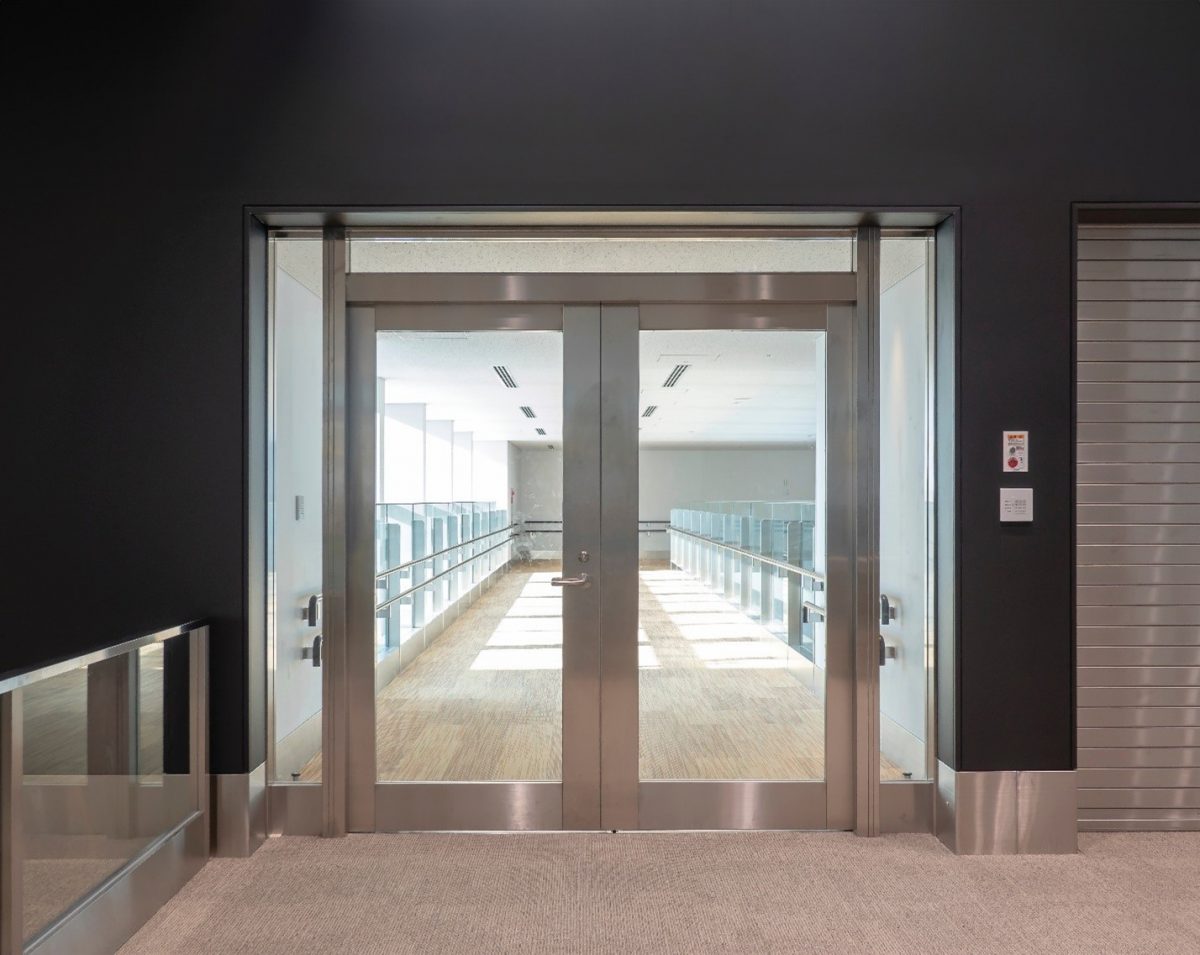
Fire rated glass plays a vital role in enhancing building safety by providing transparent barriers that resist the spread of fire and smoke. Various types of fire-resistant glass are available, each offering distinct levels of protection. Three commonly used fire rated glass types are E, EI, and EW glass. E-type glass ensures integrity, maintaining its structural strength during a fire. These different types of fire rated glass find diverse applications in buildings, prioritizing fire safety while allowing visibility and natural light transmission.

This article will discuss the types of fire rated glass and their applications.

Types of Fire Rated Glass

Fire-rated glass is a crucial component in building safety systems, designed to provide protection against the spread of fire, smoke, and radiant heat. There are various types of fire-rated glass available in the market, including E (Integrity), EI (Integrity and Insulation), and EW (Integrity and Radiation) types. Each type offers different levels of fire resistance and is suitable for specific applications. Let’s explore each type in detail, along with their respective applications.

1. E-Type Fire-Rated Glass:

E-type fire-rated glass is designed to provide integrity only, which means it prevents the passage of flames and hot gases but does not offer insulation against heat transfer. It is typically composed of a single pane of tempered or wired glass. E-type glass is commonly used in areas where fire containment is necessary, but insulation against heat is not a priority.

Applications:

  • Interior partitions: E-type fire-rated glass is often used in interior partitions within buildings, separating different sections or rooms. It allows for the transmission of light while maintaining fire safety.
  • Fire doors: E-type glass is also suitable for fire-rated doors, where visibility and light transmission are required. These doors are commonly found in commercial buildings, such as office complexes or hotels.

2. EI-Type Fire-Rated Glass:

EI-type fire-rated glass provides both integrity and insulation against heat transfer. It consists of multiple layers of glass separated by fire-resistant interlayers, such as intumescent material or gel. These interlayers expand when exposed to high temperatures, forming an insulating barrier that helps prevent the transfer of heat.

Applications:

  • Exterior facades: EI-type fire-rated glass is commonly used in exterior facades of buildings, particularly in areas where fire safety regulations require the use of fire-rated materials. It allows for natural light transmission while providing fire protection and insulation.
  • Stairwells and escape routes: Stairwells and escape routes require fire-rated glass that offers integrity and insulation. EI-type glass is ideal for these applications, as it helps protect individuals during evacuation and prevents the spread of fire and smoke.

3. EW-Type Fire-Rated Glass:

EW-type fire-rated glass provides integrity and protection against the transmission of radiant heat (but not full insulation). It consists of various layers of glass with interlayers that offer enhanced thermal insulation properties. This type of glass is designed to withstand radiant heat transfer, protecting adjacent areas from heat damage.

Applications:

  • Industrial settings: EW-type fire-rated glass is often used in industrial settings where there is a higher risk of radiant heat exposure. This includes facilities such as power plants, factories, or chemical processing plants.
  • Hazardous areas: Certain areas within buildings, such as storage rooms for flammable materials or server rooms, require fire-rated glass that can withstand radiant heat. EW-type glass is suitable for such applications, providing additional protection against heat transfer.

Conclusion 

Fire-rated glass is a crucial component in building safety, providing protection against fire, smoke, and radiant heat. AIS Glass, one of the top fire-rated glass suppliers in India, offers E, EI, and EW types of fire-resistant and insulation glass solutions.

These fire-rated glass applications vary widely, including interior partitions, fire doors, exterior facades, stairwells, industrial settings, and hazardous areas. Choosing fire-rated glass by AIS is essential for maintaining safety and compliance in buildings, protecting lives, and minimizing property damage during fire incidents.

Categories

What is Laminated Glass, and How is it useful?

Laminated glass is a type of safety glass that consists of two or more pieces of sheet glass held together by one or more interlayers. The interlayer is typically made from plastic, such as polyvinyl butyral (PVB), ethylene-vinyl acetate (EVA), or thermoplastic urethane (TPU). This structure makes laminated glass incredibly strong and shatter-resistant, making it an ideal material for applications requiring safety and security.

There are various types of laminated glass available on the market, such as clear laminated glass, tinted laminated glass, reflective laminated glass, and low-E laminated glass. The choice of laminated glass depends on the application and specific requirements of the project.

Uses of Laminated Glass:

Safety and Security:

Laminated safety glass provides an extra layer of protection against forced entry, burglary, and natural disasters. When broken, the interlayer holds the fragments together, reducing the risk of injury and preventing the entry of intruders. It is often used in storefronts, banks, museums, and government buildings to provide added security. AIS Glass provides amazing glass for windows and doors. 

Sound Insulation:

It has excellent sound insulation properties and can significantly reduce noise levels from outside sources. It is ideal for use in areas where noise pollution is a concern, such as schools, hospitals, and residential buildings.

Strength & Resilience:

Laminated glass is much sturdier than any conventional glass. Thus, laminated glasses on buildings are always less inclined to shatter when struck by something. Why so? That’s because their built-in PVB layer serves to evenly disperse the impact’s force over every inch of the glass surface.

Given its strength and resilience, laminated glass is now widely installed in buildings (both commercial and residential buildings) where protection is the primary concern.

Aesthetics:

They can be customized with various colors, patterns, and textures to enhance the aesthetic appeal of a building. It is often used in interior applications, such as partitions, doors, and railings, to create a visually stunning effect.

Types of Laminated Glass:

Clear Laminated Glass:

They are the most commonly used type of laminated glass. It is made with two or more sheets of clear glass, which are bonded together with a transparent PVB interlayer. They provide excellent clarity and can be used for various applications.

Tinted Laminated Glass:

They are similar to clear laminated glass but with a tinted interlayer that reduces the amount of light and heat transmitted through the glass. It is commonly used in areas with strong sunlight or where privacy is a concern.

Reflective Laminated Glass:

Reflective laminated glass is coated with a reflective layer that reflects heat and light away from the building, reducing energy costs and improving comfort levels. It is commonly used in commercial buildings, such as office towers and hotels, to create a sleek, modern look.

Heat-Strengthened Laminated Glass

It is a state-of-the-art safety glass made of a 1.14 mm PVB interlayer unit. The laminated glass undergoes surface compression during the heat-strengthening process, which further increases its resistance to wreckage and breaking.

What makes it unique is its’ scratch and abrasion-resistant properties. And the best part? It eliminates the need for shutters and grills. Thanks to its ‘next level’ UV resistance, one never has to worry about their furniture getting faded ever.

Conclusion:

Laminated glass is a vital element in the construction industry, offering various benefits such as safety and security, sound insulation, UV protection, energy efficiency, and aesthetic appeal. It is available in different types, including clear, tinted, reflective, low-E, and decorative laminated glass, each with unique properties and applications. Laminated safety glass is a popular choice for many building projects because it can withstand impact, resist forced entry, and provide a barrier against sound and UV radiation.

Whether constructing a new building or renovating an existing one, they can provide a safe, secure, and visually stunning solution that meets your specific requirements. Visit AIS Glass website for more information on laminated glass.

Categories

Benefits of Eco-Friendly Glass

When shopping for new windows or glass panes, you may come across the term “eco-friendly glass” and wonder what makes it special. At first glance, it looks like traditional glass, but this innovative material offers noteworthy advantages, from boosting energy savings to lowering environmental impact. Learning about eco-friendly glass merits your attention as you shop for glass items or replacement windows.

Considering how it may benefit your wallet, health, and the planet can be an eye-opening experience. So, read on to learn about environmentally friendly glass and its various benefits.

An Overview of Eco-Friendly Glass

Nowadays, people want buildings that are kind to the environment – what we call “green” buildings. Glass windows and doors are an important part of making buildings greener.

Regular glass lets too much heat and cold pass through. However, eco-friendly glass is made better to keep the temperature comfortable inside. It has two or three layers of glass with air spaces in between. The layers help stop heat and cold from getting in, so your air conditioning or heating system doesn’t have to work so hard.

Eco-friendly glass helps cut energy use while still letting in nice natural light.

Benefits of Eco-Friendly Glass

There are various benefits of Eco-friendly glasses, including:

  • Energy Efficient

    Eco-friendly glass options like low-emissivity (low-E) glass and double or triple glazing utilize specialized coatings and multiple panes to significantly reduce heat loss in winter and heat gain in summer. The improved insulation lowers the energy required to heat and cool a building. Installing energy-efficient glass can reduce electricity and gas consumption in buildings by up to 30%. This saves money on utility bills and reduces the carbon footprint.

  • Natural Light and Views

    Many types of sustainable glass maintain high visibility while controlling glare and heat/UV rays. For example, low-iron glass maximizes visible light transmission for beautifully bright, crystalline indoor light quality. And coatings like passive solar low-E balance light, heat, and views. This creates sun-filled indoor spaces with less eye strain and clear views that connect occupants to the outdoors – boosting morale and comfort.

  • Noise Reduction

    Some eco-friendly glass options, like laminated glazing or those with sound-dampening PVBC interlayers, block outside noise pollution from entering buildings. By absorbing and insulating against sound, these specialty acoustic glass panels reduce noise from busy roads, construction, and other sources – creating peaceful, quieter indoor environments for better concentration and living quality.

  • Durability and Safety

    Sustainable glass is often tempered for 4-5 times more strength or laminated with durable interlayers for increased safety and security. Features like self-cleaning coatings also boost the ease of maintenance. The durability translates into the glass that withstands heavy use and harsh weather over decades while protecting against intrusions. This increases lifespan and reduces replacement needs.

  • Lower Emissions

    Using recycled glass cullet in manufacturing significantly lowers CO2 emissions compared to making glass solely from raw materials. Enhancing energy efficiency in buildings with high-performance glazing reduces electricity and heating fuel consumption, thereby lowering associated greenhouse gas outputs from power generation and combustion over the lifetime of the building.

  • Healthier Interiors

    High-performance eco-glass blocks over 99% of harmful ultraviolet rays that can damage furnishings and artwork. It also enables sufficient daylighting and proper ventilation to create healthier indoor environments with less toxic VOCs and allergens. This improves indoor air quality and comfort for occupants. Studies show improved productivity and well-being.

  • Sustainable Materials

    Environmentally preferable glass contains pre- and post-consumer recycled content, reclaimed materials, or bio-based materials like plant resin. Using recycled glass reduces landfill waste. And bio-based materials lower dependence on petrochemicals. Specifying green materials conserves resources and prevents pollution.

The Bottom Line

Eco-friendly glass offers multi-layered glazing for energy savings, noise reduction, safety, sustainability, and healthier buildings. Contact AIS Glass today to learn about our full range of high-performance, environmentally preferable window and façade solutions to create greener, more comfortable spaces.

Categories

All You Need to Know about Laminated Safety Glass

When most of us look at glass, we are likely to see a clear, fragile material good for windows or drinkware. But glass can serve protective purposes, too. By bonding sheets of glass and plastic, a safety barrier emerges that can withstand intense impacts while keeping people safe.

This ingenious product, laminated safety glass, shields and saves lives daily across vehicles and buildings. In the section below, we’ll discuss everything you need to know about laminated safety glass.

What is Laminated Safety Glass?

Laminated safety glass is typically made of vinyl and comprises two or more sheets of glass held together by an interlayer. The vinyl interlayer acts as a bonding agent and helps keep the glass layers together even when broken.

To make laminated glass, the individual sheets of glass are cut to size first. These glass sheets are then meticulously cleaned to remove any dust, oils or debris that could interfere with bonding.

Next, a piece of vinyl interlayer, also cut to the same size as the glass, is inserted between the glass sheets. The glass and interlayer are assembled and sent through giant rubber rollers under heat and pressure to fuse them. The heat softens the vinyl interlayer to flow and bond with the glass sheets.

The pressure from the rollers removes any air pockets and ensures a tight seal across the entire surface of the glass. The result is a durable laminated safety glass composed of at least two layers of glass fused by a tough interlayer in the middle.

Uses of Laminated Glass

Here are some of the main uses and applications of laminated glass:

  • Safety and security

    The laminate interlayer holds shards of glass together if the glass breaks, preventing injury and reducing damage. This makes laminated glass ideal for car windshields, building windows, doors, skylights, etc.

  • Sound dampening

    The vinyl interlayer blocks noise transmission, so laminated glass helps reduce outside sounds permeating indoors. This provides acoustic privacy in offices, homes, hotels, etc.

  • UV ray protection

    Laminated glass can be manufactured with interlayers that filter out ultraviolet rays, helping protect interior furnishings/artwork from sun damage. This extends the lifespans of furnishings in homes, museums, and offices with ample sunlight.

  • Impact and intrusion resistance

    The laminate increases strength and makes it hard for laminated glass to break through. This is why laminated glass is used for bullet-resistant glass in armored vehicles, banks, and other security installations.

  • Decorative applications

    Colored, patterned, or frosted interlayers can be sandwiched between glass panels for unique aesthetic looks. This decorative laminated glass is used in partitions, skylights, furniture, etc.

Tips to Maintain Laminated Glass

Here are some tips to help maintain laminated glass:

  • Clean regularly

    Clean the glass with a damp microfiber cloth or newspaper. Avoid abrasive cleaners or scrubbing pads that could scratch the surface. Ammonia-free glass cleaner is also safe for laminated glass.

  • Inspect for damage

    Check the edges and surfaces of the laminated glass periodically for any chips, cracks, or signs of delamination. Even hairline cracks can weaken the structure of the glass over time. If you notice any damage, contact a glass repair company immediately.

  • Avoid excessive impact and strain

    Laminated glass is designed to withstand force and pressure. However, avoid slamming doors or applying extreme pressure on the surface, which could cause delamination or cracks. The inner plastic layer also protects the glass from shattering on impact but has its limits before damage occurs.

  • Control temperature changes

    The lamination process uses heat, so exposure to extreme temperature swings can stress the bond between the glass and plastic interlayer. Try using shades or drapes to moderate hot and cold conditions when possible. Let the glass adjust slowly if you move it between environments.

  • Watch for trapped moisture

    Moisture in the air or standing water left on the glass surface can penetrate the edges and cause issues like cloudiness or delamination over time. Keep the edges sealed properly and wipe standing water to reduce moisture damage.

  • Re-apply window films

    If the laminated glass has an applied window film for UV protection or temperature control, expect to replace it occasionally as the adhesives wear out. Use care when removing old films to avoid harming the underlying glass.

The Bottom Line

Laminated safety glass is a versatile, durable material composed of glass fused with vinyl interlayers to increase strength and safety. Its security, sound dampening, UV protection, and decorative properties make laminated glass integral to buildings and vehicles worldwide. It would be best to get help from AIS Glass to install these laminated glasses.

Categories

5 Tips to Maintain Acoustic Glass

Acoustic glass is gaining popularity in modern buildings due to its impressive ability to reduce outside noise and create a peaceful indoor space. To keep your acoustic glass performing at its best and maintain a calm environment, it’s important to take proper care of it. Here, we’ll cover simple yet effective tips for maintaining acoustic glass to ensure it provides much-needed tranquility, even in bustling settings.

What is Acoustic Glass?

Acoustic glass is a special type of glass designed to block outside noise. It comprises two regular glass panes with a plastic layer sandwiched between them. This plastic layer acts like a sound dampener that absorbs noise.

When sound waves try to travel through, the plastic absorbs most of the sound rather than passing through the glass. This makes acoustic glass much better at insulating against noise than regular glass.

Acoustic glass is rated based on its sound reduction capabilities. The higher the rating, the better the glass is at blocking noise. Loud noises like sirens may still be faintly heard, but acoustic glass significantly muffles the noise to maintain a quiet indoor environment.

Tips for Cleaning and Maintaining Acoustic Glass

Here are some useful tips to keep your acoustic glass working optimally:

  • Clean it Regularly but Gently

    Acoustic glass should be gently wiped down every 2-3 weeks using a soft, lint-free microfiber cloth or sponge paired with a mild, non-abrasive glass cleaner. Frequent yet gentle cleaning prevents dirt, dust, grime, fingerprints, and mineral deposits from accumulating on the glass surface over time. These deposits can potentially etch into the soft plastic interlayer of acoustic double glazing, degrading its sound-dampening abilities. Always use a very light touch when cleaning acoustic glass to avoid pressing too hard and scratching the plastic interlayer.

  • Avoid Anything That Can Scratch

    Never use abrasive scouring pads, steel wool, razor blades, scrapers, or other sharp objects to clean acoustic glass panels. Unlike regular hardy glass, the inner plastic layer of acoustic glazing is soft and prone to scratching. Even minor scratches and scuffs can hamper the noise blocking capacities of acoustic glass by enabling more sound vibrations to travel through the compromised plastic interlayer. Scratches create pathways for noise penetration.

  • Check the Seals

    The seals around the perimeter of acoustic double or triple glazing are crucial for impeding sound transmission. Regularly inspect these seals closely for any signs of shrinkage, cracks, gaps, or hardening over time. Any compromised seals provide an opening for noise to leak through, reducing the noise insulation abilities of the acoustic glazing. Damaged seals must be promptly replaced to sustain sound-dampening performance.

  • Watch for Condensation

    Small moisture condensation between the glass panes signals failed seals, indicating a loss of the insulating air/gas fill. This must be quickly addressed before extensive fogging and condensation occurs inside the glazing unit. Too much moisture can lead to algae and mould growth between the glass, reducing visibility and acoustic performance. Replacing compromised insulating glass seals is necessary to stop this deterioration.

  • Proper Installation Matters

    During original mounting or glass replacement, proper precautions must be taken to safely support the heavy weight of acoustic glazing and prevent slippage over time. The window frame, setting blocks, and structural support must fully bear the load of the glass to avoid seal failure caused by shifting panels. There should be full contact between the setting blocks and the glass edges. Improper installation can ultimately cause seals to fail.

The Bottom Line

Acoustic glass provides invaluable noise reduction that promotes peaceful indoor spaces. While durable, it still requires gentle care to retain optimal performance. By regularly yet carefully cleaning the glass, monitoring seals, and taking care during installation, you can ensure your acoustic glazing sustains its sound-blocking abilities for years of continued tranquility.

With simple, diligent maintenance, acoustic glass remains an exceptionally effective solution for damping disruptive exterior noise. Contact the experts at AIS Glass to find the right acoustic glazing to reduce noise in your home or office.

Categories

7 Important Facts About Tempered Glass You Should Know

You’ve likely seen those tiny fragments scattered across the floor after a glass breaks. Tempered glass is designed to shatter into small pieces for safety. Beyond its recognizable break pattern, there is much more to discover about this engineered glass that keeps us safe.

From how it gets its strength to why it shatters, tempered glass has some fascinating science and stories behind its widespread use. Read on to uncover seven interesting tempered glass facts you must know.

Why Should You Use Toughened Glass Windows?

Toughened glass, also known as tempered glass, is an excellent choice for windows because it is much stronger and safer than regular glass. The tempering process makes toughened glass 4-5 times stronger than regular annealed glass. This makes it very resistant to impacts and temperature changes. If toughened glass does happen to break, it shatters into small, granular chunks rather than dangerous sharp shards like untampered glass. This helps prevent serious injuries.

Toughened glass also withstands higher wind loads without flexing or breaking. All these enhanced strength and safety features make toughened glass an ideal and recommended material for windows in homes and offices.

7 Facts About Tempered Glass

1. Cannot be Cut Once Tempered

Tempered glass goes through a special heat treatment process, heated to extremely high temperatures, up to 700°C, and then rapidly cooled. This creates a strong glass structure by inducing compressive stress on the surface. However, it also makes the glass nearly impossible to cut or drill after tempering because it will shatter if you try to cut into the compressed surface. Any holes or edge cuts must be made before tempering.

2. Highly Scratch-Resistance

The tempering process makes tempered glass around 4-5 times stronger than regular annealed float glass. This vast increase in strength comes from the surface compression packed into the glass through rapid heating and cooling. The dense surface compression makes tempered glass durable and highly scratch-resistant for everyday use. Keys or other metals typically won’t scratch the surface.

3. Surface Strain Patterns

Tempered glass develops faintly visible strain patterns on the surface as the glass expands and contracts rapidly during the tempering process. If you observe the glass surface under the right lighting conditions, you may notice these strain patterns, which look like distorted reflections. They are a natural result of the treatment and help identify the tempered glass.

4. Compressive Surface Stress

The core of tempered glass remains in tension, while the surface is packed with compressive stress after tempering. This improves durability and extends the lifespan of the glass. When struck, the compressed surface wants to spring back rather than chip or crack immediately like annealed glass. This makes it safer.

5. Heat and Thermal Stress Resistance

Because tempered glass is designed to withstand the intense thermal stresses of rapid heating and cooling during the tempering process, it handles thermal stress much better than regular glass. Sudden temperature changes do not crack or break tempered glass easily. This makes it suitable for applications like oven doors.

6. Long Lasting

The special tempering process creates glass 4-5 times stronger than annealed glass. When it eventually breaks, it shatters into small, relatively harmless diced pieces rather than dangerous jagged shards. This makes tempered glass last through decades of heavy use and abuse before needing replacement.

7. Easy to Clean

The durable, scratch-resistant surface of tempered glass allows it to be frequently cleaned without worry of damage. You can use regular household glass cleaners and cleaning tools without fear of scratching or disrupting the surface compression. This makes maintenance easier.

The Bottom Line

Tempered glass is an engineered wonder, taking safety and durability to new heights through extreme heat treatment. Its compressed surface endures decades of heavy impacts. When it does rarely shatter, it breaks safely into small cubes, reducing the risk of injury. If you are looking for the best tempered glass in India, rely on the experts at AIS for high-quality, durable and safety-focused glass solutions tailored to your needs.

Categories

5 Reasons Why You Should Invest in Energy-Efficient Glass

Glass windows and doors are more than panes in your walls. They impact energy flow and play a crucial role in making your home energy efficient and comfortable. With energy costs and climate change weighing heavily, it’s wise to consider an upgrade. Learn five compelling reasons to invest in energy-efficient glass solutions that will save money and reduce your carbon footprint over time.

An Overview of Energy-Efficient Glass

Energy efficient glass, also known as low-emissivity or low-E glass, is designed to improve energy efficiency in buildings. It has a unique metallic coating that reflects heat into a building in cold weather and reflects it away in warm weather. This helps reduce heating and cooling costs while allowing natural light to pass through.

Low-E glass comes in many varieties that are optimized for different climates. Compared to standard glass, it can reduce energy loss by 30-70% by lowering conduction, convection, and radiation.

Types of Energy-Efficient Glass

The types of energy efficient glasses are:

  • Low E (Low Emissivity) Glass

    Low E glass has a microscopically thin metallic coating on one side of the glass, which reflects heat into the building. This reduces heat loss and improves insulation. It allows light to pass through but reflects infrared heat that tries to escape, keeping interiors warmer in winter and reducing heating costs.

  • Solar Control Glass

    Solar control glass has tinted coatings on the glass to block and absorb sunlight and solar heat from entering the building. This reduces glare, lowers heat gain, keeps interiors cooler in summer, and reduces air conditioning costs. A major benefit is it blocks heat but still allows some light through, so interiors are not entirely darkened.

  • Solar Control Low E Glass

    This glass combines solar control properties and low emissivity in a single glass unit. It has a tinted solar coating along with a low-E metallic coating. This has a double benefit – it reduces summer heat gain and winter heat loss year-round. It blocks unwanted solar heat and, at the same time, reflects interior heat back in.

Benefits of Energy-Efficient Glass

The benefits of energy efficient glass are as follows:

  • Outstanding Thermal Insulation

    Energy-efficient glass is designed with special microscopic coatings and inert gases like argon sandwiched between the glass panes. These features significantly slow the transfer of heat through the glass. This keeps the air warm inside during cold winters and hot air outside during warm summers. The excellent thermal insulation capabilities reduce the burden on heating and cooling systems, translating into lower electricity bills and natural gas costs over time.

  • Reduced Condensation Formation

    Condensation forms when warm, moist air comes into contact with cold surfaces like traditional single-pane windows. Energy-efficient glass reduces temperature differences across the inside and outside of the glass by slowing heat conduction. This results in much less condensation buildup on energy-efficient windows, keeping your view clearer for longer without constantly wiping moisture.

  • Significant Energy Savings

    By slowing heat transfer into and out of a building, high-performance, energy-efficient glazing reduces the workload for heating, ventilation, and air conditioning (HVAC) systems. This saves a significant amount of electricity, furnace fuel, and air conditioning energy over the lifespan of the windows. The energy savings quickly add up, reducing monthly utility bills in many homes after upgrading to energy-efficient windows.

  • Increased Property Value

    The comfort, energy and cost savings provided by energy-efficient windows make homes more attractive to potential buyers. Energy-efficient homes also align with sustainable living, appealing to environmentally conscious home buyers.

  • UV Radiation Shielding

    Special metallic coatings on energy-efficient glass reflect over 75% of the sun’s intense ultraviolet (UV) rays rather than letting them through the glass. This protects furniture, carpets, artwork and occupants from color-fading and sun damage. Blocking UV also reduces heat gain from the sun, further improving energy efficiency.

The Bottom Line

Upgrading home windows to energy-efficient glass helps save money, protects them from fading, and creates a more comfortable living space. With excellent insulation, UV blockage, and long-term savings, it’s a smart investment for any home. Contact AIS Glass to learn about energy-efficient window solutions tailored to your home’s needs.

Categories

Types of Heat Resistant Glass

Heat resistant glass can withstand high temperatures without cracking or breaking. Therefore, it is suitable for many applications, from making cookware and ovens to fireplace doors. Depending on the application, different types of heat resistant glass may be used, each with its unique properties and applications.

Here are some common types of heat resistance glass you should know:

1. Tempered Glass:

  • It is a type of high temperature glass that has been treated at high temperatures to make it extra strong. This makes it safer and more durable than regular glass, as it can withstand impacts and other physical shocks without breaking. It is also resistant to thermal shock, which means it can handle rapid temperature changes without damage.
  • Tempered glass usually comes in two varieties: annealed and heat-strengthened. Annealed glass can withstand temperatures up to 250°C (482°F), while heat-strengthened glass has a maximum temperature rating of 350°C (662°F), learn more about what is annealed glass here. This makes it suitable for applications such as fireplace doors, stovetop covers, skylights, and windows in areas with extreme weather.
  • They are also scratch-resistant and can be designed to be non-reflective, making them a great choice for outdoor applications. Furthermore, since it is four times stronger than regular glass, this type of heat resistant glass for windows is more resistant to breakage in the event of an accident or impact.

2. Ceramic Glass:

  • Ceramic glass is made from silica, boron oxide, alumina, and other materials. It is known for its high strength and thermal stability. Ceramic glass can withstand temperatures up to 1000°C (1832°F). This makes it ideal for use in high-temperature environments such as fireplaces, kilns, and furnaces.
  • It is also non-porous, so it will not absorb liquids or odours. This makes it a great material for use in stoves and cookware where liquids are involved. It offers good scratch resistance as well, making it ideal for applications such as countertops and kitchen surfaces that are exposed to wear and tear.
  • It also blocks UV radiation, making it great for laboratory applications where UV radiation needs to be blocked.
  • Ceramic glass is more expensive than tempered or borosilicate glass because of its higher production cost. However, its durability and long lifespan make up for the expense over time.

3. Soda-Lime Glass:

  • Soda-lime glass is the most common type used in commercial and residential applications. It is made from a combination of sand, soda ash, calcium carbonate, and other materials. Compared to borosilicate and quartz glass, soda-lime glass is not as strong or temperature resistant glass, and it can withstand temperatures up to 350°C (662°F).
  • However, its low production cost makes it ideal for use in windows, lighting fixtures, oven doors, cookware, food storage containers, and even art projects. Its ability to be moulded into different shapes also makes it a great choice for decorative purposes.

Summary

Heat proof glass is an essential material for many applications due to its ability to withstand extreme temperatures and impacts. Depending on your needs, you can select the right type, such as tempered, ceramic, quartz, or soda-lime. Each type has unique features and benefits, making it suitable for different purposes. With the right selection, you can be sure that your projects will remain safe and secure.

We use cookies to help you get the best possible experience of our site. By clicking 'Accept' you agree to our use of cookies.