Categories

How to Prevent & Remove Water Stains on Glass During Monsoon

Monsoon rain can quickly make glass windows, doors and façades look dull. Water droplets dry on the surface, while dust and dirt stick to wet glass and leave visible marks. Hard water splashes can also leave mineral deposits behind.

Regular cleaning, proper drying and a few preventive steps can help you control water stains on glass throughout the rainy season.

Why Does Glass Get Water Stains During Monsoon?

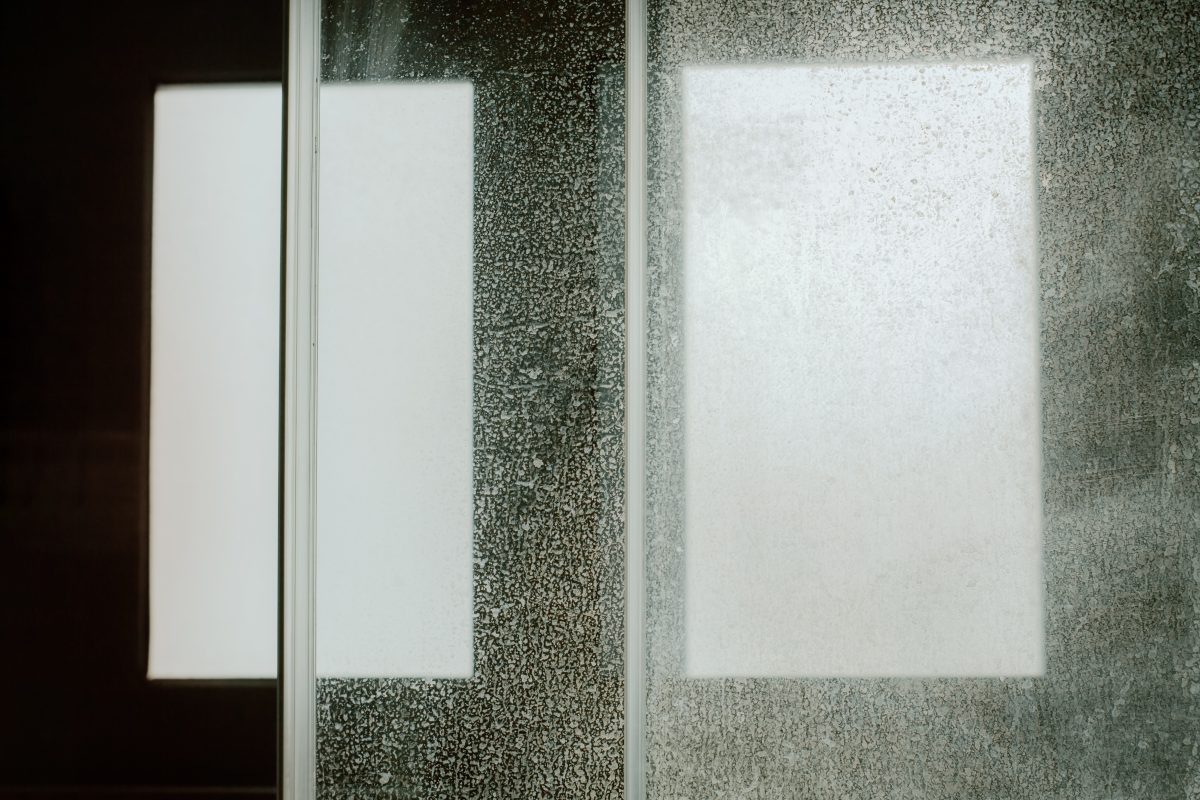
  • Mineral Deposits: Hard water contains minerals such as calcium and magnesium. When water evaporates, these can remain as cloudy deposits.
  • Dust and Dirt: Rain mixes with grime already present on windows and can leave marks after drying.
  • Prolonged Moisture: Glass that stays damp for long periods develops spotting and residue more easily.
  • Poor Water Runoff: Blocked drainage channels or dirty frames can allow water to collect around the glass.
  • Irregular Cleaning: Repeated wetting and drying can make old stains harder to remove.

How To Remove Water Spots From Glass? Common Tips

Most water spots on glass, regardless of the type, can be removed with the simple steps mentioned below. Common glass types like plain, solar glass, laminated glass, tempered glass and coated are also easy to maintain, as long as you use the right materials and clean them regularly.

For instance, coated and tempered glass require daily wipe, whereas plain and laminated glass can be cleaned once every 2-3 days.

1. Clean the Glass Regularly
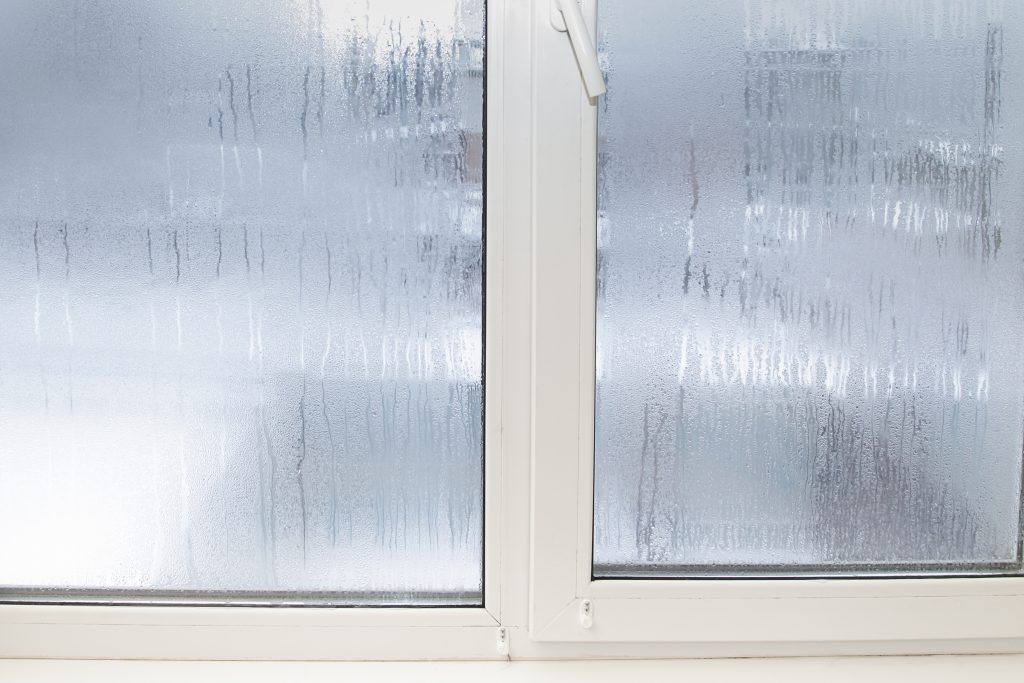
Do not wait for dirt to build up. Wipe exposed glass regularly with clean water and a soft microfibre cloth. This prevents dust, grime and mineral residue from settling on the surface.

2. Use a Squeegee After Rain

When safe and practical, use a clean rubber squeegee on accessible glass after heavy rain. Work from top to bottom. Removing water before it dries is one of the simplest ways to reduce spotting.

3. Choose the Right Glass Cleaner

Use a mild cleaner suitable for your glass surface. Avoid excessive chemicals, as leftover cleaner can cause streaks. If the glass has a special coating or treatment, follow the recommended care instructions.

4. Keep Frames and Drainage Channels Clean

Dirt, leaves and sludge often collect in window tracks and drainage openings during monsoon. Clear them regularly so rainwater can drain instead of pooling near the glass.

5. Use a Compatible Water-Repellent Treatment

A suitable water-repellent treatment can help water bead and run off more easily. However, check that the product is compatible with the glass type and any existing coating before application.

DIY Tips To Remove Water Marks from Glass During Rainy Season
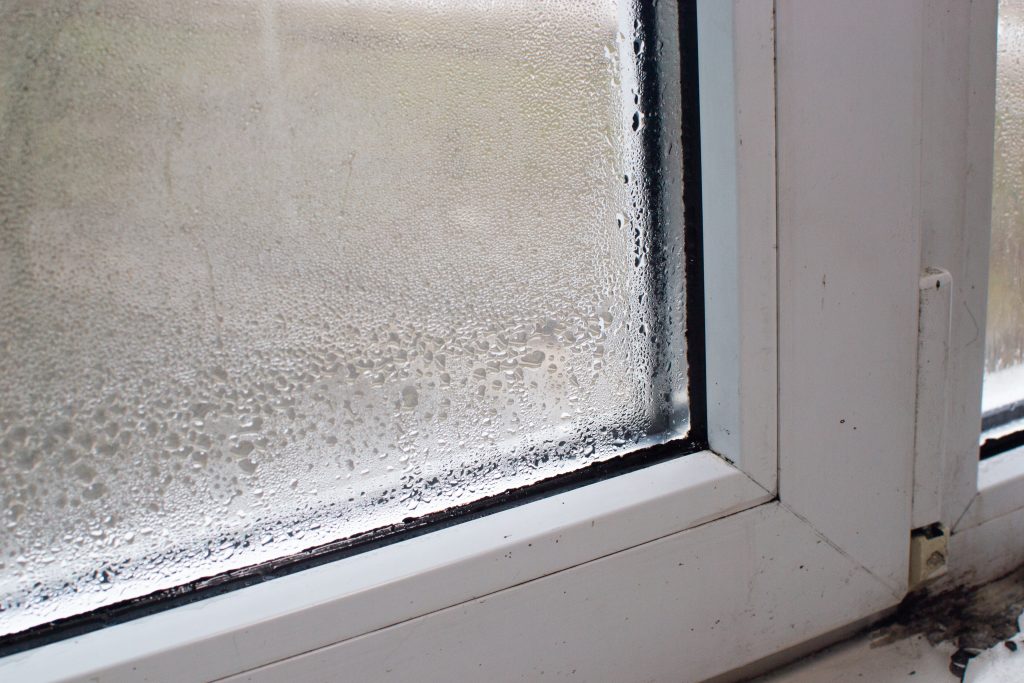
Hard water stains on glass often feel challenging to clean. However, a few simple home remedies and regular cleaning can help you reduce the appearance and formation of hard water spots on glass.

  • Wipe the surface with clean water and a soft, lint-free or microfibre cloth.
  • Use a suitable glass cleaner for light marks.
  • For persistent mineral deposits, use an appropriate descaling product as directed. A mild vinegar-based solution may help on ordinary uncoated glass, but clean specialised or coated glass only according to its care instructions.
  • Rinse thoroughly with clean water.
  • Dry completely with a microfibre cloth or squeegee.

When removing hard water stains from glass, avoid aggressive scrubbing. Rough pads, blades and abrasive powders can scratch the surface or damage certain coatings. This is especially important when learning how to get rid of hard water stains on glass safely.

Common Glass-Cleaning Mistakes to Avoid During Monsoon

  • Letting rainwater repeatedly dry on the glass
  • Using steel wool, rough scrubbers or abrasive powders
  • Applying too much cleaning solution
  • Cleaning hot glass in direct sunlight, as the solution may dry too quickly and leave streaks
  • Ignoring stains for long periods
  • Allowing dirt and standing water to collect around frames

How Often Should You Clean Glass During Monsoon?

There is no fixed schedule for every property. Sheltered glass may only need routine cleaning, while windows exposed to heavy rain, road dust or construction activity may need more frequent attention.

Inspect exposed glass regularly and wipe it down after heavy rainfall whenever practical and safe. Shower glass or other surfaces exposed to hard water may also benefit from quick drying after use.

What Type of Stain Do You Have? Quick Cleaning Summary

What you seeLikely causeRecommended approach
Water spotsRainwater or water droplets drying on the glassWipe with a soft, damp microfibre cloth. You can also use a suitable glass cleaner for harsher spots.
Dirt marksDust, dirt and grime mixing with rainwaterClean with a mixture of clean water and a mild glass cleaner. Don’t use abrasive scrubbers, as they can impact the glass finish.
White depositsMineral deposits left behind as hard water evaporatesUse a mild mixture of water and glass cleaning solution. For coated or treated glass, follow the manufacturer’s cleaning instructions only.

Conclusion – Keep Your Glass Clear Through the Monsoon

Monsoon stains are easier to prevent than to remove after weeks of buildup. Regular wiping, proper drying, clear drainage channels and suitable cleaning products can go a long way in maintaining glass clarity.

At AIS Glass, a leading glass company, we understand that the right glass also needs the right care. We offer a wide range of glass solutions across automotive, architectural and consumer applications.

With simple monsoon maintenance, you can help keep your glass clean and clear through the rainy season and beyond.
    Categories

    6 Glass Railing Design Ideas for Modern Homes & Balconies

    A well-planned glass railing design can make a balcony, staircase or terrace feel brighter, more open and distinctly modern. Homeowners can choose from frameless, tinted, frosted, steel-framed, LED-lit and decorative glass styles depending on their privacy, safety and design needs.

    The key is to pair the preferred look with suitable safety glass, reliable hardware and professional installation.

    Why Glass Railings Work So Well in Modern Homes

    A few reasons to consider glass railings for balcony and staircase areas include:

    • Clearer Views: Transparent panels create fewer visual obstructions.
    • Contemporary Appeal: Glass works well with minimalist and modern architecture.
    • Safety Options: Toughened glass and laminated glass can be used for architectural applications. Both come under IS 2553 (Part 1):2018 for architectural, building and general uses.
    • Natural Light: Glass avoids blocking daylight unnecessarily.
    • Easy Upkeep: Smooth glass surfaces can generally be cleaned with a soft cloth and mild cleaning solution.
    • Design Flexibility: Clear, tinted, frosted and decorative finishes allow the railing to complement a range of home styles.

    6 Modern Glass Railing Ideas Worth Considering

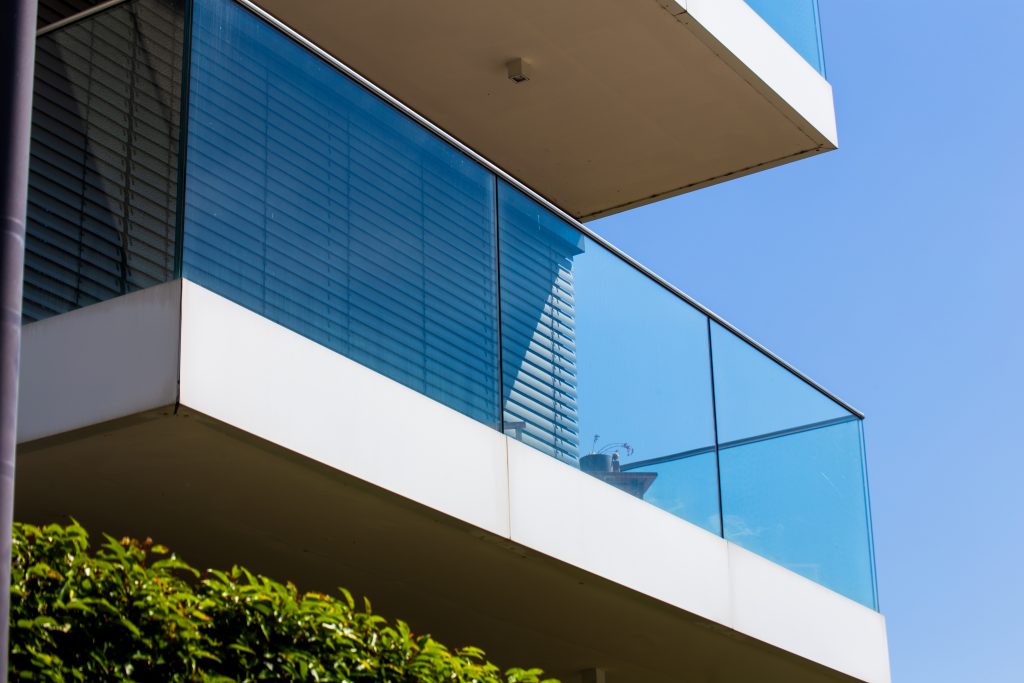
    1. Frameless Glass Railings for an Uninterrupted View

    A frameless glass railing design for a balcony is ideal when the view is the highlight. With minimal visible framing, the balcony looks open and seamless.

    This style works particularly well for luxury apartments, villas, terraces and homes overlooking gardens or scenic surroundings. Select toughened or laminated safety glass based on the railing system and structural requirements.

    2. Tinted Glass for Style and Added Privacy

    Tinted glass adds colour and depth to a balcony without sacrificing the sleekness of glass. Grey, bronze and green are among the commonly available shades. AIS Tinted Glass, for example, is available in Dark Grey, Green and Bronze.

    Tinted glass can also reduce glare and solar heat gain, making this modern balcony glass railing idea useful in areas with strong sunlight.

    3. Frosted Glass for Private Balconies

    For apartments facing neighbouring buildings or busy streets, frosted glass offers a practical balance between privacy and daylight.

    Its translucent surface limits direct visibility while still allowing diffused light through. This makes it a useful balcony railing glass design for urban homes where complete transparency may not be desirable.

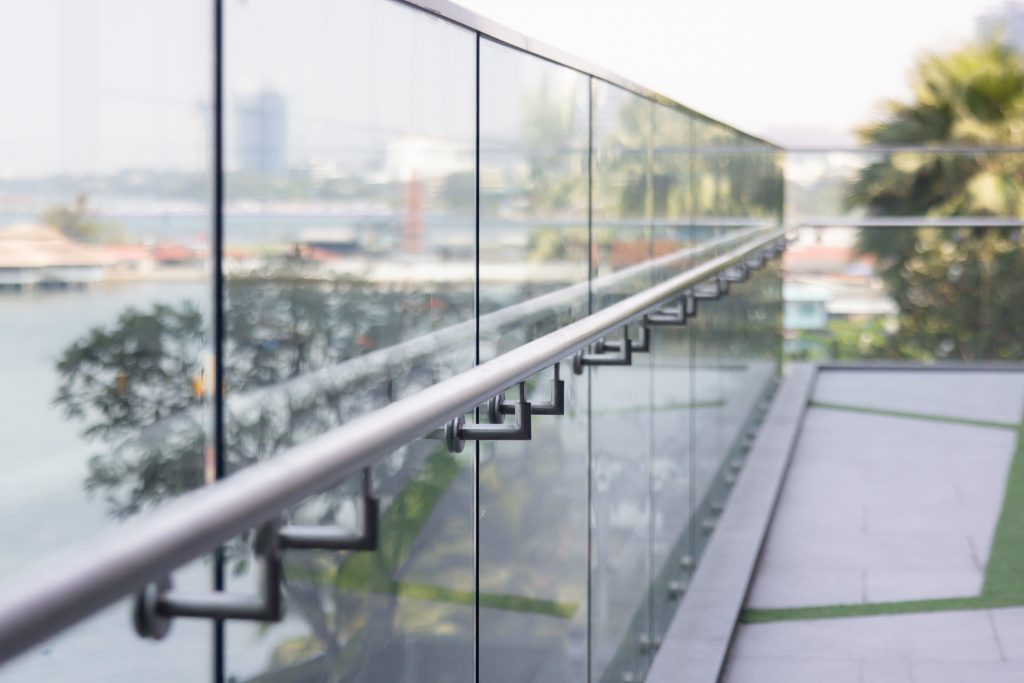
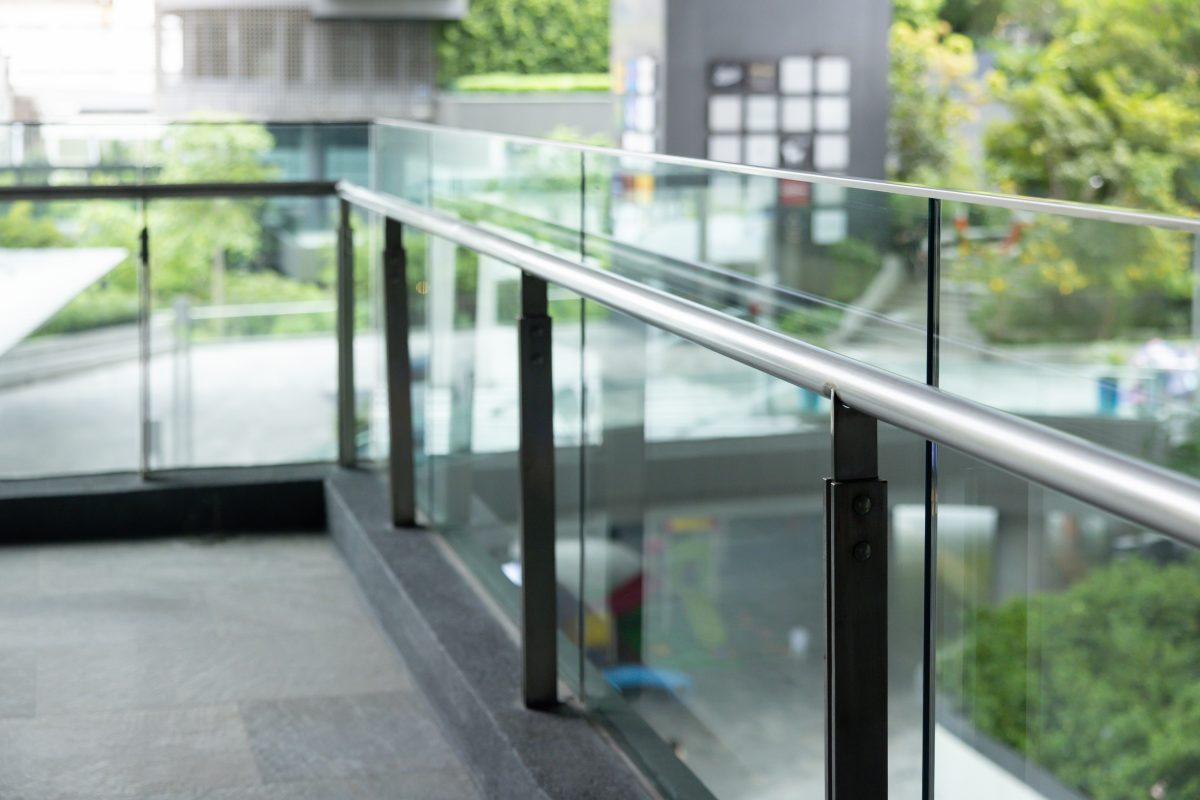
    4. Glass Railings with Stainless Steel Handrails

    Pairing transparent glass panels with stainless steel posts or handrails creates a clean, structured look.

    The metal gives the railing visual definition, while the glass keeps it from feeling heavy. For homeowners comparing different railings glass design options, this combination works well across balconies, staircases, duplex homes and terraces.

    5. LED-Lit Glass Railings for Evening Ambience

    LED lighting can transform a simple railing into a design feature after sunset. Lights can be incorporated along edges or suitable railing components to produce a soft glow.

    Apart from creating a premium atmosphere, integrated lighting can improve visibility around the edges of balconies and terraces at night. It is an appealing option for anyone seeking a modern-style glass railing design for a balcony used for evening seating or entertaining.

    6. Decorative or Fritted Glass for a Unique Look

    A balcony railing does not always need to be completely plain. Fritted, patterned or decorative glass can introduce geometric motifs, textures or subtle visual details.

    Patterned glass can also provide additional screening while keeping the overall design contemporary. Fritted glass combines decorative interest with greater privacy.

    How to Select the Right Glass for Balcony Railings?

    • Toughened Glass vs Laminated Glass: Toughened glass is processed to offer higher strength than standard glass, while laminated glass consists of multiple glass layers bonded with an interlayer that helps hold the glass together if it breaks. The choice between the two should be based on the railing system, safety requirements and structural specifications. For a detailed comparison, read tempered glass vs laminated glass to understand the key differences and choose the right glass for your needs.
    • Glass Thickness: Select the appropriate glass thickness based on the panel size, railing height, support system, expected loads and applicable safety requirements. Refer to our glass thickness guide for more details.
    • Clear vs Tinted vs Frosted Glass: Clear glass is ideal for uninterrupted views; tinted glass can provide greater visual comfort and privacy; and frosted glass is suitable where privacy is a priority without completely blocking natural light. Refer to our clear vs frosted glass guide for more details. 
    • Hardware Compatibility: The selected glass should be compatible with the brackets, clamps, channels, posts and handrails used in the railing system to ensure a secure, reliable installation.

    Glass Railing vs Other Railing Options: Quick Comparison

    FactorGlassSteel/AluminumWood
    VisibilityUnobstructedPartialLow
    DurabilityHigh, if maintained properlyHighHigh
    MaintenanceHigh, with regular cleaningLowHigh, to avoid damage
    Design FlexibilityLow to medium, depends on cut, frameless vs frame, finishes, etc.HighLow to medium
    SafetyHigh (with shattered resistant glass or tempered options)HighHigh

    Are Glass Railings Safe for Your Home?

    Yes, they are safe. In modern architecture, glass railings by AIS Glass today are engineered with safety glass options, including AIS Stronglas and security glass solutions. Both of them are specifically designed to offer highest safety for high-rise balconies, outdoor decks and staircases.

    Most of these glass types break into blunt pieces to reduce risk of injuries. Additionally, our glass types are 4 to 5 times stronger than standard glass and comprises two layers of toughened glass bonded with a Polyvinyl Butyral (PVB) or SentryGlas (SGP) interlayer.

    What to Check Before Installing a Glass Balcony Railing

    Before finalising any design, consider:

    • Balcony dimensions and layout
    • Required level of privacy
    • Applicable building and safety requirements
    • Exposure to wind, particularly in high-rise buildings
    • Compatibility between glass, brackets, channels and handrails
    • Ease of cleaning and maintenance
    • Overall project budget
    • Professional fabrication and installation

    Conclusion

    The right glass railing can make a balcony feel more spacious without compromising its architectural character. From clear and tinted options to frosted and decorative solutions, AIS offers a broad range of architectural glass products to meet diverse aesthetic and functional requirements.

    When choosing among the best glass manufacturers, consider factors such as glass quality, product range, safety standards and suitability for your railing application. Whether you prefer a minimalist frameless railing or a more decorative glass railing design, selecting the right glass and manufacturer is important for achieving the desired balance of safety, functionality and aesthetics.

      We use cookies to help you get the best possible experience of our site. By clicking 'Accept' you agree to our use of cookies.