Categories

For all that glass can be- Asahi India launch event

Sen’s Bucket covered the newly launched AIS store at South Extension which bought two experts – Glasxperts and Windshield Experts together.

Never been much fond of glass except for admiring the occasional crockery at dining events, but the utility of it, seems to be far beyond, and also more dynamic. Asahi India Glass (AIS) recently unveiled their new store in South-Extension (Arjun Nagar), Delhi, where as can be seen, has dedicated areas for windshield customers (car owners), and those needing architectural support. More than just a store launch, it was a lot about the real innovation one can bring in with glass, should one be willing to spend money and have the taste for it.

A lot of the questions around glass, as with many other building materials, is the longevity of the product questioned, and also the maintenance it would need in time. Most of the products they provide are hopefully easy to maintain and do provide a great deal of assistance post sales, as well. And from the looks of it, customers are seriously pouring in with their demands, and coincidentally, there was a case of a windshield being seamlessly replaced as if nothing was ever really wrong.

Though the pictures are not that clear, but the stock of equipment used to fit the windshield on the car displayed above seemed to be modern and also being sophisticated enough ensure a smooth application. If one can notice, its seriously seamless in the way it was installed on the vehicle. Obviously, there were some stages to this process, but never the less swiftly followed. Perhaps the entire thing took less than an hour!

The star attraction at the store would be the GlasXperts section, which is dedicated to the architectural needs of the customers. The reason being, the innovation and finesse with which the company works. A lot of the best glassworks will not just be slabs of the glass alone, but artistic depictions to set them apart. The Lord Ganesh framed mural on the wall is one such example.

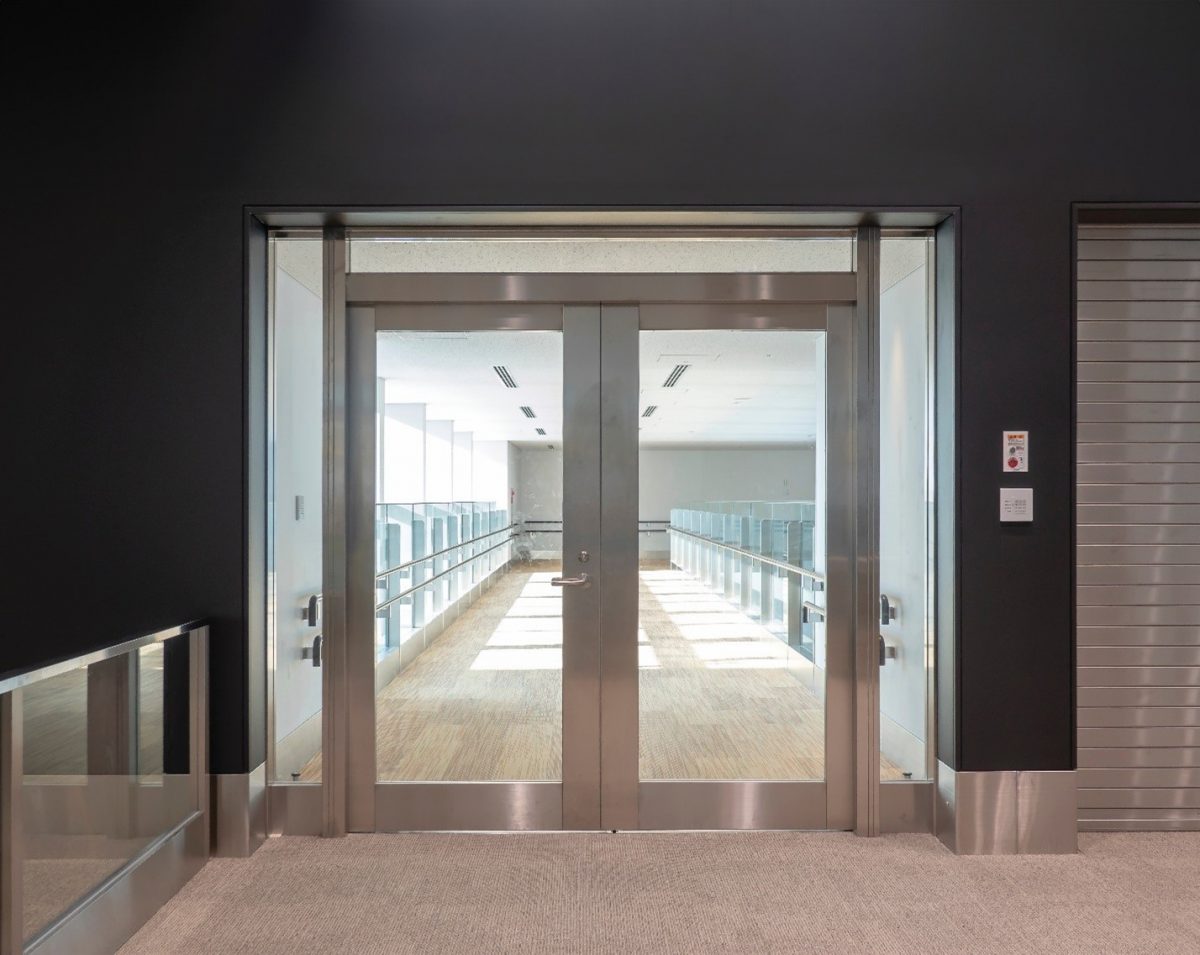
One of the things in the obviously glass laden upper floor was this otherwise simple looking door. However, the manager was kind enough to show how technology has been used behind this. What appears opaque here, will change the texture, simply with the press of a button, placed this door. With the help of sensors placed at the corners, the light passing through special crystals infused within the glass are scattered, due to which the glass becomes opaque. Similarly, when needs transparency, a flick of the switch will make light pass through the concentrated crystals which enable a clearer views across the panel.

One of the main things we all commonly grumble about, and legitimately so, is the after-sales service. Asahi India Glass happens to be a fully integrated company when it comes to selling to their customers. This means, after buying some of the hi-end products, or any product from them, you need help to maintain or repair, or perhaps need some advice for future planning and design, you can rely on these guys to come across and help you. It might cost you a bit more, but then when you compare to the conveniences, you can naturally conclude that its worth spending the extra money but have someone to give you complete solutions. You don’t need to run around different places.

The thing about AIS is that they would not be giving you cheap imports, for the sake of margins and deal closing. That means they will charge you a price, and if it doesn’t match with the clients, they might just refuse, instead of cutting prices and compromising on quality. In short, if one has to summarize AIS, it’s about a lot of value addition, like pre-sales and after-sales services, which set them apart, and quite frankly, can be a big relief during renovations and constructions. And with their footprint increasing, one might just have a branch around the corner to help you out find something nice for home styling.

About the Author:

Blogger, journalist, writer, fitness enthusiast, animal lover, life learner, and a genuine human being.
View his profile
Click here to read the original article

    Categories

    Choosing the Right UV-Protected Glass for Your Home: A Comprehensive Guide

    Consider what happens to your skin when you sit in direct sunlight for an extended amount of time with no sunscreen on. This can lead to significant skin damage. When UV rays hit your home’s valuables, the same thing happens. When the sun’s UV rays strike something like a sofa or a rug, it can cause significant damage. This can lead to fading of sofas, carpets, and other furnishings over time. The same is true for hardwood floors and other types of furniture in your home.

    Old Window vs New Window

    So, what made older windows less effective at UV protection? The cause for this was and continues to be that large quantities of older windows were single-paned. This indicates the windows were built with only a single pane of glass. Contemporary windows are no longer constructed in this manner.

    Almost all new windows in today’s market are of the double-pane style. This signifies that the window has two panes of glass. This adds an extra layer of shield from the sun’s UV rays because there are two glass panes for the sunlight to pass through instead of one.

    Advantages of UV-Protected Windows:

    The following are seven key advantages of protecting your home or business from UV radiation using UV-protected glass or window films:

    • Restricts the entry of damaging UV rays

    UV defense is one of the most important advantages of UV-protected glass windows. Although residential and commercial glass provides certain ultraviolet (UV) protection, it does not prevent all harmful radiation from entering the window. However, UV-protected glass windows can prevent up to 99% of UV radiation.

    • Diminishes glare

    Glare is reduced by window coatings designed to restrict the admission of sunlight. This also decreases eye strain and improves the view from inside to outside. Reduced glare can make watching computer screens, TV, and smartphones simpler. UV-protected glass can also help reduce glare during the day, improving visual comfort when using screens or watching TV.

    • Lowers energy costs

    UV-protected glass helps reduce solar heat gain through windows. This leads to a decrease in air conditioning demand and energy expenses.

    • Controls Indoor Climate

    Areas near windows without sun protection glass or window film can get hotter in the summertime. This window film helps reduce hot spots, assisting in maintaining a more uniform interior temperature from one space to the next.

    • Safeguard Interior Decor

    UV rays that enter through windows unimpeded can harm interior decoration, including upholstery and other objects. UV rays can harm floors, furniture, artwork, rugs, plastics, and wood without UV-protected glass windows. UV-protected glass can provide the necessary protection for maintaining interior decor, ensuring it looks its best for many years.

    • Prevents interference with cell phone signals

    Many UV-protected glass products use no-metal technology, which does not interfere with smartphone signals.

    • Increases Security

    UV-protected glass can be paired with a thick safety film, preventing the glass from entirely shattering during an attempted break-in. It binds the glass together, slowing or stopping would-be thieves’ progress.

    Wrapping Up

    Considering the importance of environmental initiatives, choose UV-protected glass windows as an excellent alternative to standard windows. You will receive all the benefits listed above when you install it. AIS is one of the leading UV Protected Glass Manufacturers, offering advanced, energy-efficient glazing solutions designed for modern homes and buildings.

    AIS has been a market leader in comprehensive glass manufacturing for over 30 years. We offer exceptional glass options, from selection to installation, and can handle any processing you require. We offer customizable, high-quality products and services for all your window needs. Our high-performance glass solutions come in a wide selection of styles that fit your architectural designs and security needs.

      Categories

      Facts about Heat Resistant Glass

      Glass that can withstand high temperatures has become an integral part of modern life. With it, many of the conveniences we take for granted are possible. This glass allows both heat and light to pass in helpful ways. Read on to uncover some fascinating facts about heat resistant glass. 

      What is a Heat-Resistant Glass? 

      Heat-resistant glass is designed to withstand extremely high temperatures before failing or allowing heat to pass through. Different types of heat-resistant glass become sturdier as the maximum operating temperature increases, so selecting the appropriate classification and thickness for the heating levels is important. 

      Tempered glass, laminated glass, ceramic glass, and soda-lime glass are the most popular forms of heat-resistant glass. Tempered glass is the most commonly used variety. Depending on your needs, you can select the appropriate variety because they all offer distinct characteristics and benefits. 

      Facts about Heat Resistant Glass 

      Mentioned below are some evident facts about heat-resistant glass: 

      1. Types of Heat Resistant Glass 

      There are mainly two types: tempered glass and laminated glass. Tempered glass is a single piece of toughened glass, while laminated glass involves bonding two pieces of glass with an interlayer like PVB. Both undergo special manufacturing processes to increase their strength and heat resistance. 

      2. Double Layer Protection 

      Some heat-resistant glass options protect both sides by using double-sided heat-resistant glass for extra safety. The inner and outer surfaces both maintain integrity at high temperatures, helping to reduce the amount of heat that can pass through overall. 

      3. Approvals for Framing Systems 

      Leading brands test their heat-resistant glass solutions with common framing material like aluminium frames. Some even offer frameless options for maximum visibility. This helps architects and builders easily integrate the glass into partition and facade designs. 

      4. Noise Reduction 

      The extra layers in laminated heat-resistant glass provide sound-insulating properties. It can reduce noise transmission by up to 49 decibels, helping maintain quiet indoor spaces even during loud exterior conditions. 

      5. Impact and Pressure Resistance 

      Heat-resistant varieties are much stronger and almost unbreakable than regular glass, even under high pressure or impact loads. This makes them highly durable and safe for use in high-traffic areas. 

      6. Aesthetics and Visibility 

      While ensuring maximum safety, leading brands also focus on aesthetics. Their heat-resistant glass solutions maintain clarity and transparency for visibility like regular glass, allowing natural light in without compromising on design. 

      The Bottom Line 

      Heat-resistant glass provides invaluable protection during extreme temperatures while maintaining visibility and aesthetics. Whether for commercial buildings, industrial facilities, or residential homes, the various types and styles of heat resistant glass maximise safety and insulation from high temperatures. The right heat-resistant glass solution can be configured for any space with options that suit different framing materials, environments, and noise control needs.  

      Their strength and resistance to impact only add to their durability. For projects that demand integrity in high-heat areas, sourcing products from a reputed supplier like AIS Glass is the way to go. Our extensive expertise can deliver precisely what you need to safeguard occupants. 

        Categories

        Laminated Safety Glass: Uses and Advantages

        A ground-breaking material called laminated safety glass has altered how we prioritize safety and security in many industries.
        There are numerous uses for this laminated safety glass in various industries. This blog discusses the varied applications and wealth of benefits of laminated safety glass, illuminating its relevance in promoting safety and peace of mind.

        What is Laminated Safety Glass?

        To create laminated safety glass, a polyvinyl butyral (PVB) layer is fused between two or more layers of glass. Strong adhesion is ensured by the use of heat and pressure, producing a substance that is both resilient and beneficial.

        Uses of Laminated Safety Glass 

        Learn about the various ways that laminated safety glass is used in different fields: 

        Automotive Industry

        Laminated safety glass makes windshields in the automotive industry one of its most widespread uses. The PVB interlayer is a barrier that stops the glass from shattering in the event of an impact. This vital component considerably lowers the possibility of serious injuries to car occupants in collisions.

        Architecture and Construction

        In architecture and construction, laminated safety glass has become a standard for building components like windows, doors, and skylights. It is the perfect material for high-rise buildings because of its increased strength and safety features, giving residents and builders a sense of security and dependability.

        Safety Glazing

        Laminated safety glass is a wonderful choice for use in safety glazing applications. Among the many applications for this glass are balustrades, glass railings, and shower enclosures. Sharp glass fragments are less likely to cause serious injuries due to the interlayer’s capacity to keep the glass together even when fractured, improving safety.

        Bulletproof Glass

        A key element in making bulletproof glass is laminated safety glass with additional layers of PVB and glass. These sophisticated windows and doors protect against potential threats and are used in security facilities, embassies, and prominent structures.

        Advantages of Laminated Safety Glass

        Examine the remarkable advantages of laminated safety glass:

        Enhanced Safety

        Laminated safety glass’s amazing safety qualities are its most noticeable benefit. The interlayer guarantees that the glass will remain unbroken even when subjected to extreme force, offering people inside structures or vehicles an unrivaled level of safety.

        Security

        Its solid construction makes it challenging to penetrate as a barrier against forced entrances and burglaries, providing residents and businesses with greater peace of mind.

        UV Protection

        In an era where skin cancer and UV radiation are significant concerns, laminated safety glass is crucial to safeguarding occupants from harmful ultraviolet rays. The PVB interlayer filters out a substantial portion of UV radiation, reducing its penetration into the interiors of vehicles and buildings.

        Noise Reduction

        Noise pollution can harm one’s health in the busyness of urban living. By efficiently reducing outside noise levels, laminated safety glass helps to create a quieter indoor environment, improving comfort and concentration.

        Storm and Hurricane Resistance

        In areas subject to extreme weather, laminated safety glass has proven to be valuable. Its capacity to withstand strong winds and the impact of flying debris during storms and hurricanes improves occupant safety and reduces property damage.

        Conclusion

        AIS Glass has emerged as a game-changer with our laminated safety glass in the race for improved safety and security across sectors. Its adaptability and efficiency in automotive, architecture, and safety glazing emphasize its crucial function in safeguarding people and assets.
        Our laminated safety glass is a popular option in various situations due to its many benefits, including improved safety, security, UV protection, noise reduction, and storm resistance. We are positioned to continue evolving as technology develops, solidifying our status as a ground-breaking substance in safeguarding people’s safety and peace of mind worldwide.

          Categories

          Top Benefits of a Sunroof in Cars: Unlocking the Sky

          What is a Sunroof?

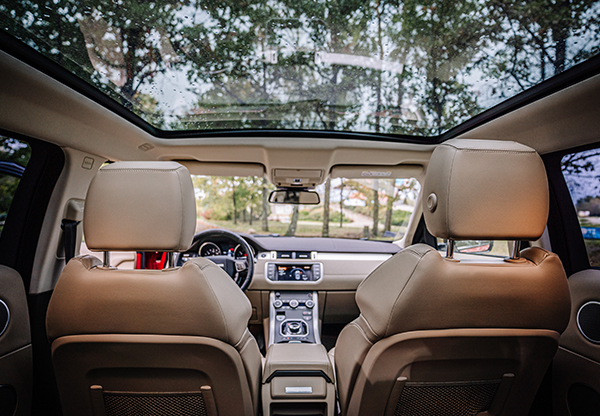
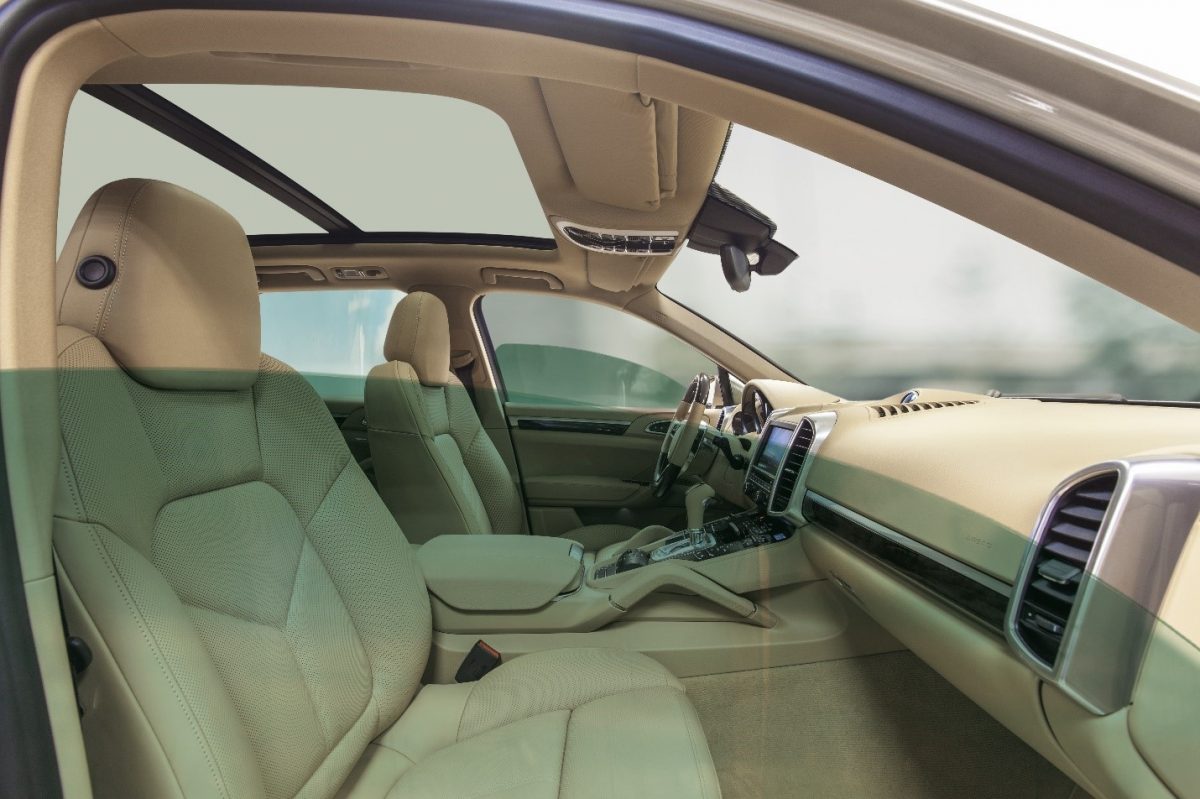
          A sunroof is a movable or fixed glass panel installed on a vehicle’s roof that allows natural light and fresh air to enter the cabin. Depending on the design, a sunroof can be tilted, slid open, or operated automatically to improve ventilation and enhance the overall driving experience.

          Over the last few decades, sunroofs have become an increasingly popular feature in cars, with many models now offering them as standard or optional equipment. There are several reasons for their growing popularity, including improved aesthetics, better airflow, increased natural light, and enhanced driving comfort. Read on to learn about these benefits. 

          Top 6 Benefits of Sunroof in Cars:

          1. Unique Style

          A sunroof adds a sleek, modern look to a car. The expansive glass panel makes a car seem more spacious, luxurious, and upscale. For car buyers looking to make a style statement, a sunroof is an eye-catching feature that sets a vehicle apart. The glass panel seamlessly blends into the roofline for a smooth, integrated appearance. This aesthetic appeal is reason enough for many drivers to opt for a sunroof. 

          2. Innovative Glass

          The glass used in today’s sunroofs is high-tech, engineered specifically for automotive applications. Tempered glass or laminated safety glass makes sunroofs resistant to impacts and pressure and even minor collisions. Special coatings reduce glare and heat transmission. Electrochromic sunroofs can change from clear to tinted at the touch of a button. Advanced glass technology gives sunroofs strength, solar protection, and user control that previous generations did not offer. 

          3. Functional Design

          Contemporary car sunroofs utilise intelligent design to maximise their utility. Streamlined shapes, flush-mounted glass panels, and wind deflectors enable sunroofs to open or tilt up even at highway speeds with minimal wind noise or air turbulence in the cabin. Many sunroofs feature large openings that ventilate the interior far more effectively than conventional windows. The latest dual pane designs provide ventilation while closed. Sunroofs may have shades, screens, and other features that can be used to customize airflow. 

          4. Automatic Operation

          For convenience, most current factory sunroofs offer power operation as standard equipment. Motors and drive mechanisms smoothly open, close, tilt and adjust the glass panel at the push of a button – eliminating the need for manual operation. High-end cars may even have sunroofs that close automatically when it rains or when sensors detect the interior is getting too hot. Automatic climate control synced with the sunroof maintains perfect cabin temperatures. The hands-free operation makes sunroofs easier to use. 

          5. Adjustable Positioning 

          Versatile car sunroofs allow occupants to fine-tune airflow. Occupants can fully open the sunroof for maximum ventilation, partially open it to any desired position, or tilt it up for fresh air. Built-in sunshade screens provide further adjustability by blocking sunlight when desired. Customising ventilation and lighting levels makes sunroofs more comfortable in nearly any driving conditions. Whether it is an early spring day or a frosty morning, the interior ambience can be tailored through sunroof adjustments. 

          6. Enhanced Driving Pleasure 

          For many drivers, a key reason to add a sunroof is to make time spent in the vehicle more pleasant. Opening the sunroof quickly airs out the cabin, creating an enjoyable, open-air driving experience. The sunlight streaming in gives the interior a bright, expansive feel. Even small sunroof openings allow fresh breezes to circulate, keeping the climate inside comfortable on hot days. Looking up through the glass for long drives or daily commutes helps reduce the feeling of confinement. Sunroofs can make driving more relaxing and enjoyable by enhancing comfort and reducing driver fatigue. 

          Conclusion 

          With their ability to bring in natural light, ventilation, and aesthetically pleasing design, it is no mystery why sunroofs are appearing on more new vehicles. They create an open, airy environment that makes time spent in the car more pleasant. Continual engineering advances make modern factory sunroofs even more attractive options. For many buyers, unlocking the sky with the added enjoyment and functionality a sunroof provides makes the expense worthwhile.

          As one of the top sunroof manufacturers in India, AIS offers high-quality automotive glass solutions designed to enhance comfort, safety, and driving experience. Contact AIS to learn more about car sunroof solutions and advanced automotive glazing technologies.

            Categories

            Cutting-Edge Trends in Energy Efficient Glass for Modern Office Spaces

            As climate change and sustainability become increasingly important issues, companies seek ways to reduce their environmental impact through energy efficiency. One area offering great potential is advanced glass technologies for modern office building design. Energy efficient glass can dramatically cut electricity costs while providing employees greater comfort and health benefits. 

            Here we’ll discuss the latest trends in energy efficient glass for modern office spaces. 

            The Science of Energy Efficient Glass 

            Energy efficient glass controls two things – heat from sunlight and heat leaking in or out through the window. Special coatings on glass can actually block and reflect away some of the sun’s heat, keeping buildings cooler. This is called solar control glass. Other coatings help glass insulate better by letting less heat escape outside in winter and preventing heat outside from entering inside in summer.  

            Scientists apply these coatings to glass using super high-tech machines that spray bits of metal onto the surface at a microscopic scale. The result is glass that looks normal to our eyes but acts like a thermal shield. The most advanced energy-efficient windows even have a layer of vacuum or special gel suspended between two panes of glass, making them extra strong heat barriers.  

            The science behind tricking out glass to handle heat better keeps improving, bringing us closer to windows that help lower energy bills and keep indoor temperatures comfy year-round. 

            Trends in Energy Efficient Glass 

            Smart Windows:  

            These futuristic windows have special sensors and computer chips built right into the glass to detect what’s going on inside and outside the building. These smart windows can tint and clear automatically to control the amount of natural light and heat entering a room. So, if the sun comes out and it starts getting hot, the glass can darken itself to block excess heat and glare. The windows can even tell if a room is unoccupied and save energy by adjusting the glass to reduce heating or cooling needs in that area. 

            AIS Swytchglass:  

            AIS Swytchglass is advanced smart glass technology that can tint transparent panels opaque to block visibility, then revert back to clear all with a button click. This innovative product gives you instant control over glass transparency for your space 

            Triple-Pane Windows:  

            Most regular windows have two panes of glass with air or argon gas between them for a little insulation. Now, they’re developing triple-pane windows with three glass layers and two spaces for gas. That extra chamber provides a lot more insulation, keeping hot and cold outdoor temperatures from influencing indoor comfort. More layer’s lead to better efficiency! 

            Vacuum Seal Technology:  

            Since vacuums have no air molecules, they transfer less heat than regular air-filled double-pane windows. It’s a huge upgrade in insulation value and energy savings! 

            Enhanced Energy Savings and Occupant Benefits 

            The latest innovations in switchable tinting glass, transparent insulation materials, and smart automation provide an optimal balance of natural light, solar heat control, thermal insulation, and noise attenuation. 

            Occupants enjoy comfortable lighting and temperature levels that reduce eyestrain and improve productivity. Ultimately, energy efficient glass keeps pushing boundaries to deliver exceptional comfort, cost savings, and sustainability. 

            Conclusion 

            Advanced energy efficient glass technologies present a remarkable opportunity for modern offices to simultaneously enhance indoor environmental quality while achieving energy and carbon emission reductions. 

            Trends highlighted above—such as electrochromic glazing, vacuum insulation, aerogel, and integrated automation—point to a future where dynamic glass curtain walls can drastically reduce lighting, HVAC, and thermal loads. To learn more about energy efficient glass, you can connect with experts at AIS Glass. 

              Categories

              Tips for Upgrading Your Home with Energy-Efficient Glass

              Upgrading your home with energy-efficient windows is one of the wisest investments you can make as a homeowner. High-performance glass can lower energy bills, improve comfort, reduce moisture condensation and outside noise, and potentially boost resale value down the road. With many window glass options on the market today, it can get overwhelming trying to pick the right solution for your needs and budget. Here, we’ll discuss energy efficient glass and tips for upgrading your home with it. 

              What is Energy Efficient Glass? 

              Energy efficient glass refers to double or triple-glazed window panes with special coatings and gases injected between them to slow heat transfer. Compared to regular single-pane windows, which lose heat rapidly, energy-efficient ones have higher insulation ratings (measured in R-values), so they do a superior job of retaining interior air temperature. There are different technologies available – some types, like Low-E glass, have metallic coatings that reflect heat into a room during cold weather and outward on hot days.  

              Others are filled with argon or krypton gases between the panes, which insulate against conductive heat flow. The core functionality of these upgraded windows lies in their ingenious methods to trap desirable heat in the winter while blocking excessive sun rays in the summer, helping maintain a comfortable climate inside while saving on energy expenditures. 

              Tips for Upgrading with Energy Efficient Glass 

              When upgrading your windows, here are some tips for choosing the right energy efficient glass: 

              1. Living Spaces 

              South-facing living spaces heat up easily. Choose Low-E glass to block UV rays and limit heat gain. Electrochromic glass offers the most control over glare and temperature. 

              2. Kitchen 

              Low-E glass works well for typical kitchen use. Consider thermochromic glass by sinks, which tints automatically on hot sunny days. 

              3. Bedrooms 

              Prioritise noise reduction with laminated panes plus improved insulation with aerogel or argon/krypton gas-filled double glazing. 

              4. Bathrooms 

              Prevent condensation with Low-E coatings. For privacy, choose windows with translucent interlayers. 

              5. Basements 

              Opt for triple glazing with two Low-E coatings and krypton gas fill for maximum insulation. 

              Choosing Energy Efficient Glass 

              When selecting new energy-efficient windows, consider these factors: 

              • Climate: Colder climates benefit more from Low-E glass, which retains interior heat, while hotter climates need solar control coatings that reflect heat. 
              • Window Frame: Frames conduct and leak heat, undercutting efficiency gains from the glass. Choose insulated frames made of uPVC or Aluminium. 
              • Placement: Prioritise upgrading windows on south- and west-facing walls first, as they receive the most sun exposure. 

              Installation Considerations 

              Proper installation is key to ensuring energy-efficient windows perform as expected: 

              • Replace the entire window, not only the glass, for full efficiency and weatherproofing. 
              • Make sure the window frame size matches precisely or is slightly larger to ensure gaps are sealed. 
              • Use high-quality Sealants and expanding foam around the window frame for minimal air leakage. 

              Cost Analysis 

              While energy-efficient windows have a higher upfront cost, the investment pays for itself over time through energy savings. Payback periods typically range from 8-12 years. Many utility companies also offer rebates for upgrading to energy efficient glass. 

              Why Choose AIS Glass to get Energy Efficient Glass 

              AIS Glass is a great option if you’re looking to install energy-efficient windows. They offer affordable products that can cut your energy bills. Beyond cost savings, their specialised glass comes in different tint options and thicknesses to fit your home’s needs. With customisation, efficiency and quality all rolled into one, AIS Glass ticks all the boxes. 

              Conclusion 

              Upgrading your home’s windows with energy efficient glass provides better insulation, comfort, noise reduction, and sustainability. Evaluate each room’s needs and climate conditions when selecting the right glass. A proper installation also ensures you reap the full rewards of lower energy costs. The investment into energy-efficient windows is well worth it for the long-term benefits. 

                Categories

                Maximising Vehicle Longevity and Comfort: The Role of Automotive UV Protection Glass

                Owning a car represents a major investment for most people. We all want our automobiles to last as long as possible while providing safe, comfortable, and enjoyable driving experiences. One aspect that significantly impacts longevity and comfort is the quality of the glass used in the vehicle. Automotive glass serves many crucial functions, from structural integrity to climate control, noise reduction, and more. The proper use of specialised ultraviolet (UV) protection glass plays an integral role in maximising durability and rider satisfaction over a car’s lifetime. 

                An Overview of Automotive UV Protection Glass 

                Automotive glass comes in several forms designed for specific applications within a vehicle. The windshield, side windows, and rear window glass all have distinct purposes. UV protection glass contains specialised coatings and inner layers to filter out the sun’s harmful ultraviolet rays. This shielding prevents UV damage to interior plastics, leather, and upholstery. It also provides essential glare reduction and heat control benefits.  

                The result is extended cabin preservation and cooler interior temperatures for better climate control. UV protection enhances comfort on sunny days, enabling the climate system to operate more efficiently. 

                Applications of Automotive UV Protection Glass 

                a. Backlights 

                Mark as H1The rear windshield, or backlight, plays a supporting structural role while allowing for rear visibility. UV protection coatings filter harmful rays that would otherwise damage interior contents and materials. This is especially important with hatchbacks that have more direct exposure. Safe breakage is also a consideration, with tempered or laminated back glass designed to shatter into small, rounded pieces upon impact. 

                b. Sidelights 

                Side windows bear the brunt of UV exposure over years of driving. Prolonged unfiltered sunlight degrades dashboard materials, door panels, and seating areas, especially leather and causes discolouration and cracking. UV protection side glass blocks over 82% of destructive UV rays, helping preserve aesthetic appeal and function. 

                Types of Automotive UV Protection Glass 

                Several types of speciality glass provide optimised UV and infrared filtering for automotive applications: 

                1. Laminated Windshields 

                Laminated windshields use a thin plastic layer sandwiched between two sheets of glass. The plastic interlayer keeps the glass together if it cracks or breaks, preventing dangerous shards. Many features advanced coatings to filter UV rays along with sound dampening. 

                2. Tempered Glass 

                Tempered or toughened glass tolerates extreme hot and cold temperatures while providing four times the strength of standard annealed glass. It is used for side and rear windows. When shattered, it breaks into small, rounded pellets rather than sharp shards, improving safety. 

                3. Infrared Cut Solar Control Glass 

                This speciality UV protection glass blocks infrared solar radiation, preventing vehicle heat gain, keeping interiors cooler, and preventing sun damage to contents. It also boosts air conditioning efficiency and saves on cooling costs. 

                4. Acoustic Glass 

                Acoustic windshield glass uses a sound-dampening plastic interlayer to reduce noise penetration. This enhances listening to music and conversations while lowering long-trip driver fatigue. Improving cabin ambience and acoustics elevates the driving experience. 

                Benefits of Installing Automotive UV Protection Glass 

                1. Blocks of UV Rays 

                Speciality UV protection glass filters out over 82% of destructive ultraviolet radiation that degrades interiors. This preservation retains the showroom look year after year. 

                2. Energy Efficiency 

                Keeping vehicle interiors cooler with infrared solar control glass improves air conditioning performance. This saves on energy demands and operating costs. 

                3. Climate Control 

                UV protection glass provides superior heat rejection year-round and increased AC efficiency. Summer driving is more comfortable, while winters warm up faster. 

                4. Reduces Glare 

                Diffused light transmission and anti-glare coatings enable clearer outward visibility, improving safety and reducing squinting and eye fatigue. 

                5. Interior Preservation 

                Speciality glass prevents UV damage to dashboards, upholstery, door panels, and other interior components, retaining the new car’s look and function for years. 

                6. Skin Protection 

                UV rays penetrate standard glass and damage exposed skin. UV protection glass shields drivers and passengers while reducing skin cancer risks. 

                Conclusion 

                Automotive speciality glass plays an extensive role in maximising vehicle longevity, performance, safety, and comfort over the ownership period. UV protection coatings filter out over 82% of harmful ultraviolet rays that degrade interior materials and contents. Specialised windshields, sidelights, and backlights also provide infrared solar control to keep cabins cooler in summer while allowing faster winter warm-ups.  

                The result is extended interior preservation and climate control for better experiences year-round. If shopping for a new or used car, be sure to inquire about UV protection glass. This investment will pay dividends for the vehicle’s lifetime through enhanced comfort, safety, efficiency, and satisfaction. Contact AIS Glass today to learn more about protecting your investment with UV protection auto glass. 

                  Categories

                  Difference Between UV Cut Glass and Car Tint Films

                  Protecting your car’s interior from the harsh sun is essential to avoid fading and cracks. But the sun’s UV rays can also damage passengers’ skin and eyes over time. So, what are the ways to block these harmful rays? Two good options are adding dark green UV-blocking glass or applying tint films to the windows. 

                  Both work to different degrees, but many drivers wonder – what exactly is the difference between them? Here we’ll compare these two popular UV-blocking products to help you decide which upgrade makes more sense.

                  What is Dark Green UV Cut Glass?

                  Dark green UV-cut glass is a type of automotive glass specially treated to filter harmful UV rays. This advanced glass blocks over 82% of UV radiation while allowing a reasonable amount of visible light to pass through, giving it a distinct dark green tint. The tint helps reduce glare and improves visibility during daytime driving. Installed directly in place of factory-fitted glass windows, dark green UV-cut glass enhances both comfort and protection for passengers. To learn everything about its features, benefits, and applications, explore our detailed guide on everything you need to know about dark green uv cut glass.

                  Benefits of Dark Green UV Cut Glass 

                  • Protects Car Upholstery: By blocking harmful UV rays, the car’s interior is protected from sun damage and fading. This helps carpets, leather, and plastic surfaces last longer without cracking or discolouration.
                  • Superior UV Protection: The UV-blocking capabilities of this glass are significantly more effective than standard UV filter films. It blocks over 82% of the sun’s harmful UV rays, ensuring enhanced passenger protection.
                  • Reduces AC Compressor Load: Since less heat enters the cabin, the load on the air conditioning system is reduced, helping improve fuel efficiency.
                  • Reduces Monthly Expenses: Lower AC usage contributes to better fuel efficiency, while reduced wear and tear on interior surfaces helps minimise maintenance costs.
                  • Excellent Shield Against UV Rays: The deeply saturated green tint is specially designed to minimise UV damage, helping protect passengers from skin damage and eye strain. Learn more about the advantages of dark green uv cut glass in detail in our blog on advantages of dark green uv cut glass in passenger vehicles.

                  Overview of Car Tint Films 

                  Car tint films, or window films, are thin sheets of plastic film with UV inhibitors that are installed on the interior glass surfaces with adhesive. Many options are available, from clear to dark tints. They come in different shades for customised visibility and heat reduction. Professional installation is recommended for proper fit and bubble-free application. 

                  Safe and Legal Alternative of Car Tint Films: Dark Green UV Cut Glass 

                  While car tint films offer certain advantages, they may be subject to legal restrictions depending on tint level and regulations. Dark green UV cut glass stands out as a safe, legal, and effective alternative for UV protection and heat reduction. It ensures compliance with regulations while providing the desired benefits, making it a reliable option for car owners seeking to enhance their vehicle’s comfort and safety.

                  Dark green UV cut glass is a superior and legal alternative to car tint films, offering several benefits without the associated risks: 

                  • UV Protection: Provides excellent protection against harmful UV rays, similar to high-quality tint films. 
                  • Heat Reduction: Effectively reduces heat buildup inside the car, ensuring comfort in hot weather. 
                  • Safety and Compliance: Complies with legal standards, ensuring that safety and visibility are not compromised. Unlike dark tints, it does not hinder night-time visibility. 

                  Dark Green UV Cut Glass VS Car Tint Films 

                  FeatureDark Green UV Cut GlassCar Tint Films
                  UV ProtectionMaximum protection blocks virtually all UV raysModerate protection blocks a majority of UV rays
                  Heat RejectionExcellent heat rejection keeps the interior coolerGood heat rejection reduces interior heat somewhat
                  VisibilityAllows a moderate amount of light for good daytime visibilityRanges from crystal clear to nearly opaque, visibility depends on film darkness
                  DurabilityExtremely durable and permanent once installedLasts many years before needing replacement
                  MaintenanceNone required after installationPossible bubbling or peeling over time may require replacement

                  As you can see in the table, the dark privacy glass provides superior blocking of UV rays and heat transmission thanks to its specially formulated green tint integrated directly into the window. This makes it a permanent solution.

                  Tint films, especially darker ones, reduce UV exposure and cut heat. However, their protection levels are moderately less than those of glass, and films have more variables in terms of visibility, longevity, and potential replacement needs. 

                  Conclusion 

                  Factory-installed dark green UV-cut glass is a preferred choice for superior heat, glare, and UV protection. Its permanent integration into the window and deeply saturated green tint make it highly effective in enhancing passenger comfort and protecting vehicle interiors. While high-quality dyed films can also reduce UV rays and heat, dark green UV-cut glass offers a more durable and long-term solution.

                  If you are looking for the best dark green UV cut glass in India, AIS offers premium-quality automotive glass solutions designed for enhanced UV protection, reduced heat build-up, and improved driving comfort. AIS dark green UV cut glass helps protect your vehicle’s interior, improves visibility by reducing glare, and contributes to a more comfortable driving experience.

                  Ultimately, the ideal solution depends on your priorities and budget. With a clear understanding of both products, drivers can make an informed decision to better protect their eyes, skin, and vehicle interiors.

                  Contact AIS today to learn more about dark green UV cut glass and car tint film solutions.

                    Categories

                    Everything You Need to Know About Dark Green UV Cut Glass

                    The sun’s harsh ultraviolet (UV) rays don’t just damage our skin – they also take a major toll on our car interiors over time. All that UV radiation from the sun can cause cracking, fading, and faster deterioration in a car’s dashboard, seats, carpets – you name it. Well, there’s good news! Installing specially treated dark green UV cut glass for car windows can block over 82% of those brutal UV rays. In this post, we’ll focus on dark green UV cut glass for cars – an excellent green-tinted solution that effectively filters UV rays while maintaining clear visibility.

                    An Overview – UV Cut Glass 

                    UV cut glass is designed to filter out over 82% of UV rays while still transmitting light. This specialised automotive glass achieves this with a solid green tint, additional transparent UV-reflecting, and UV-absorbing coatings. The green colour counters the yellow hue of standard automotive glass to provide a neutral light transmission. 

                    There are different shades and depths of tinted UV cut glass for cars available. Dark green UV cut glass has a rich emerald, green colour, reducing the light transmission compared to lighter green variants. However, the darker tint provides superior UV-blocking capabilities.

                    Features of Dark Green UV Cut Glass 

                    • Dark green UV-cut glass filters out incoming sunlight, including over 82% of harmful ultraviolet radiation. The deep green tint noticeably reduces glare, heat, and brightness from the sun. At the same time, sufficient visible light transmission is maintained to comply with the 50% VLT regulation for car side windows in India.
                    • The darkened green tint is achieved by adding trace amounts of special iron oxides to the glass batch before melting. Additionally, a coating of titanium dioxide is applied evenly across the surface of the glass as an extra UV filter.
                    • The glass thickness for dark green UV cut glass for cars is the same as standard automotive glass, at 3-4mm. However, the strengthened glass formulation and automotive-grade tempering processes boost the glass’s mechanical, impact, and thermal durability. 

                    Key Benefits of Dark Green UV Cut Glass 

                    1. Protection Against UV Radiation 

                    Dark green UV-cut glass filters incoming UV rays, protecting car interior materials from sun damage and degradation. The dashboard, upholstery, carpets, and trim look new for longer without cracking or discolouration from UV exposure.

                    2. Enhanced Comfort and Reduced Cabin Temperature 

                    The rich emerald tint of this glass significantly reduces heat, glare, and brightness from sunlight. This keeps the car’s interior cooler and more comfortable on sunny days. Reduced glare also improves visibility and makes driving more comfortable.

                    3. Improved Vehicle Efficiency and Reduced Environmental Impact

                    Dark green UV-cut glass improves fuel efficiency and reduces greenhouse gas emissions from air conditioning by lowering the vehicle’s cooling requirements and keeping interiors cooler. The long-lasting glass also delays the need for replacement parts due to degradation.

                    4. Longevity and Protection for Car Interiors

                    With UV blocking and light transmission reduction, dark green UV cut glass provides high UV and heat protection within Indian regulatory limits. This enhanced protection better preserves car interiors for improved longevity and sustained appearance over more extended periods.

                    Conclusion 

                    Dark green UV-cut glass provides exceptional blocking of harmful UV rays while managing light transmission to meet Indian regulations. With its deep emerald tint that noticeably cuts down heat and glare, this specialised glass protects car interiors, enhances comfort, improves efficiency, and reduces environmental impact. This glass is an effective and durable solution for vehicle owners looking to protect investments in their car’s interior and upholstery.

                    If you’re interested in outfitting your car with dark green UV-cut glass to shield your interior or want to learn more, contact the helpful experts at AIS. With years of expertise, we can guide you on the best glass solutions to protect your investment while staying compliant. As one of the top glass companies in India 2026, AIS ensures high-quality, reliable, and innovative glass solutions tailored to your needs.

                      We use cookies to help you get the best possible experience of our site. By clicking 'Accept' you agree to our use of cookies.