
Categories

Types of Privacy Glass and Different Applications

Privacy glass is a type of value added glass range for interior and window that uses advanced technology to control light and visibility in your home. Modern architecture is incorporating privacy glass, a glass solution that is cleverly designed and technologically sophisticated, into practically every type of building. The manner that architects and designers use ensures that your space has enough light without obstructing your privacy. Numerous businesses, from the home décor to the hotel sectors, have numerous uses for various privacy glass kinds. 

In this article, we’ll discuss the types of privacy glasses and their applications. 

So, let’s get started. 

Types of Privacy Glass 

There are several types of privacy glass available on the market today that offer different levels of visibility and protection from the elements. 

  • Traditional Frosted Glass 

Traditional frosted glass provides a classic and timeless aesthetic that complements various interior design styles. The frosted appearance of the glass helps to distribute and diffuse natural light evenly, creating a soft and pleasing ambiance in the space. Moreover, Frosted Glass can be customized with different levels of opacity or patterns, allowing for personalized privacy solutions that suit specific needs and design preferences. 

  • Modern Switchable Privacy Glass  

The more modern switchable privacy glass, like the AIS Swytchglas, utilizes cutting-edge glass technology and can be switched from transparent to opaque at the tap of a button. They offer the ability to switch between transparent and opaque states with a simple tap of a button or through smart automation systems. This allows users to instantly control their privacy needs in real-time. In addition to privacy, switchable privacy glass can also provide sound insulation properties, reducing noise transmission and creating a more peaceful environment. This is the reason why these types of glass are often used in commercial spaces for conference rooms or office dividers, allowing occupants to control how much light and visibility they get. 

  • Integrated Blinds 

Finally, you have integrated blinds! They are not only great for ensuring privacy but also add to the overall appearance of the space while eliminating the typical maintenance problems associated with regular blinds. Integrated blinds offer the convenience of adjustable blinds incorporated directly within the glass unit. This allows users to regulate the amount of light and privacy they desire, providing a comfortable and customizable environment. They seamlessly integrate into the overall appearance of the space, contributing to a clean and modern aesthetic. Moreover, they can be customized with various colors and styles to match the interior design theme. 

Privacy Glass Use Cases 

Privacy glass can be used in a variety of situations, such as: 

  • Office spaces to divide workspaces and provide privacy. 
  • Restaurants to create private dining areas or prevent kitchen smells from entering the dining area. 
  • Homes to increase security and privacy while allowing natural light into the space. 
  • Healthcare facilities to ensure patient privacy while still allowing doctors and nurses access. 

In all these cases, privacy glass is an excellent option for providing occupants with visibility and light control. With its versatility and convenience, it’s no wonder that more people are turning to privacy glass in their homes and businesses. 

The Bottom Line 

When it comes to guaranteeing your privacy in a variety of situations, whether it be in your house or a commercial location, privacy glass is the best choice. Installing privacy glass will be a smart move if you are willing to achieve the ideal balance between fashion and necessity with this assistance. Therefore, whether you’re a homeowner or business owner, investing in privacy glass is sure to pay off for years to come.
    Categories

    Transparency and Elegance: The Timeless Appeal of Clear Glass Doors and Windows

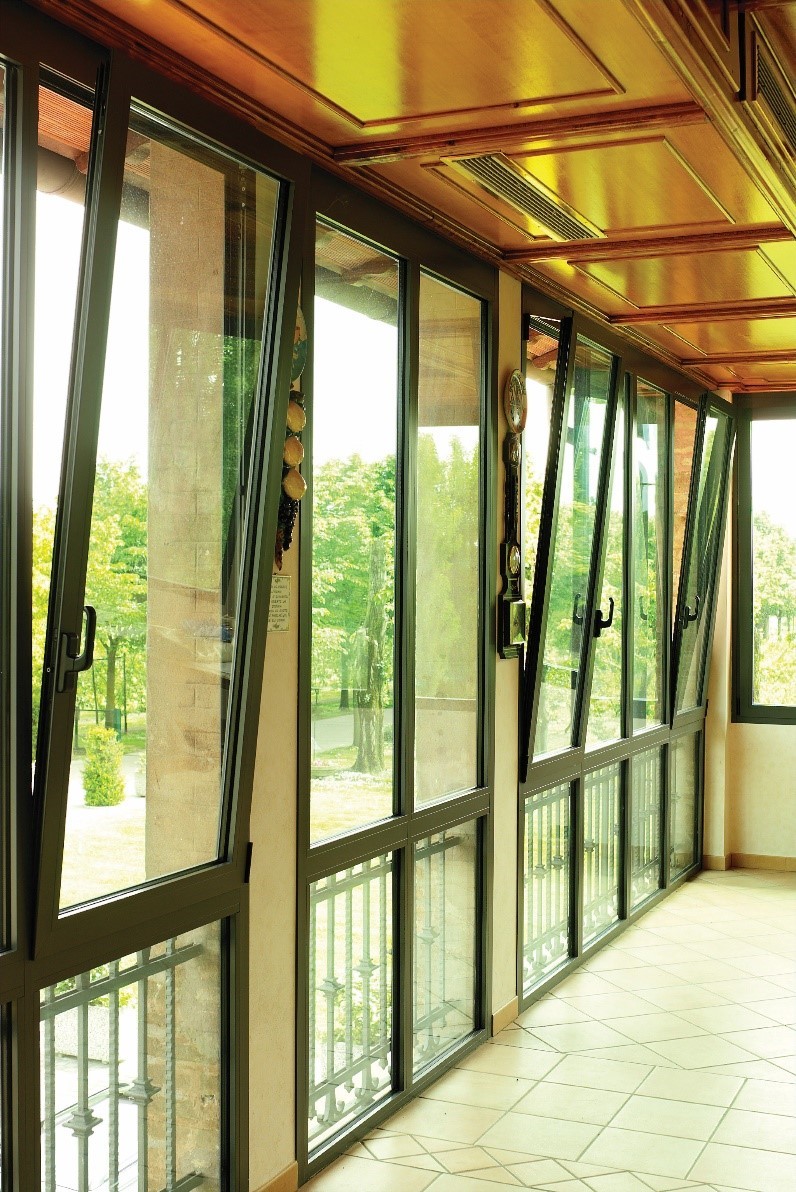
    Sun-soaked rooms, endless views, and the great outdoors brought inside—what’s not to love about clear glass windows and doors? Selecting the right transparent glass allows you to capitalise on sunlight, scenery, energy efficiency, and security while complementing your interior design. 

    This guide will explore the advantages of clear glass and the types available, inspiring you to enhance your living space. Read on to learn how to let the outdoors in with confidence. 

    Reasons to Opt for Clear Glass Windows and Doors 

    1. Durable and Dependable  

    Clear glass offers one of the longest lifespans among window and door materials. It resists fading, abrasion, temperature fluctuations, corrosion, rot, mould, and infestation while providing lasting transparency and strength over decades of use. 

    2. Expands Spaces 

    By removing physical barriers like walls and doors, natural light can flow deeper into a room, expanding the view beyond the interior space. This enhances the feeling of openness and spaciousness, making your living area look larger and more comfortable. 

    3. Flexible Design 

    Clear glass is like a blank canvas that gives you the freedom to add different textures, patterns, and colours without any visual interference or distortion. It’s a great choice for designers and homeowners who want to create a neutral background and unleash their creativity in decorating their space. 

    4. Maximises Daylight 

    Clear glass maximises daylight permeating your home, lifting moods, enhancing wellness, and reducing reliance on artificial lighting. Sunlight flooding through clear glass makes interior spaces feel open, vibrant, and full of possibility. 

    5. Perfect Views  

    Looking through see-through, plain windows lets you fully enjoy the beauty of your surroundings, such as a nearby garden, a stunning city view, or a vast countryside. Clear glass facilitates a seamless transition between indoor and outdoor spaces. 

    6. Adapts to Any Style  

    From traditional to modern to industrial, clear glass harmonises with any architectural style and décor. It functions equally well in new construction, preservation, and remodelling across diverse climates and settings. Such versatility ensures enduring relevance.  

    Choosing the Best Clear Glass 

    When selecting clear glass for your home or office, there are several important considerations to factor in: 

    • Long-Lasting Strength: Choose clear annealed or tempered glass thick enough to meet your durability needs. Tempered glass is 4-5 times stronger, making it good for high-traffic areas. 
    • Optimising Energy Usage: Many clear glass options like low-emissivity coatings regulate heat/light transfer to maximise energy efficiency. This can reduce heating and cooling costs noticeably. 
    • Privacy: Adding a sheer window film can increase privacy while allowing light through.  
    • Selecting the Right Frame: The frame finish, functionality, and sealing impact the longevity and security of the final glass installation. 
    • Budget Considerations: Compare glass grades/features against costs to find the best clear glass for your budget. 

    Conclusion 

    Investing in clear glass is a great way to improve your home’s look and feel. It lets in natural light, expands your space, and is easy to clean. AIS Glass can help you find the right solutions to make your home brighter, more secure, and more comfortable. 

      Categories

      What Is Aesthetic Glass for Windows and Doors?

      When building or renovating a home, choosing the right windows and doors is an important decision that impacts both function and appearance. One option to consider is aesthetic glass, which refers to glass products that go beyond basic clear glass to offer unique visual qualities. From frosted, tinted, or textured glass to glass with embedded designs or colours, aesthetic glass provides privacy, security, and style.  

      Learning about the different aesthetic glass possibilities can help you select products that align with your decorative vision as you select windows and doors. Read on to explore glass products that combine aesthetics and functionality for a home that reflects your identity.   

      What is an Aesthetic Glass?  

      Aesthetic glass adds beauty to homes and buildings. It comes in different types, like coloured, textured, and patterned. Architects and designers use it creatively to make spaces look better and create interesting lighting effects. Also, technology has made it possible to use aesthetic glass in many ways to make our spaces look good and functional. 

      Types of Aesthetic Glass 

      Fabric Laminated Glass 

      Fabric laminated glass offers a decorative way to combine the sleek transparency of glass with the warmth and texture of the fabric. It is constructed by sandwiching fabric interlayers between sheets of glass through a lamination process. In addition to its visually appealing blended look of glass and cloth, fabric laminated glass provides functional benefits, shatter resistance for durability and security, and noise reduction for sound insulation.  

      Tinted Glass 

      Tinted glass is a type of glass treated with special coatings or chemicals to give it a coloured or darkened appearance. Unlike regular clear glass, which lets in most sunlight, tinted glass helps block out some of the heat and glare from the sun’s rays. Tinted glass usually blocks 30% to 45% of the heat normal glass would let in, so rooms stay more comfortable and cool without having to sacrifice the ability to see outside. 

      Colour Laminated Glass  

      Colour laminated glass offers both aesthetic appeal and functional benefits. It is made by sandwiching coloured interlayers between clear glass sheets. This filters light to produce a range of beautiful hues while enhancing safety and UV resistance. Some key advantages of colour laminated glass are filtering up UV rays to prevent fading, shatterproof construction for durability and security, and noise-reducing qualities for sound insulation. 

      Lacquered Glass 

      Lacquered glass is a type of glass that has been coated with a decorative and protective lacquer coating. This opaque coating gives the glass a bold, eye-catching look while providing certain functional benefits. The lacquer withstands temperatures up to 80°C, so the glass can be used in warm environments. Lacquered glass can also be cut, drilled, ground, and edged to suit specific needs. The opaque coating provides privacy while allowing light to pass through.  

      Conclusion 

      When designing your dream home, don’t overlook the power of aesthetic glass to elevate form and function. With endless options from frosted to fritted, laminated to lacquered, you can select glass products that filter light beautifully, lend privacy, safeguard durability, and, above all, reflect your unique vision. Contact AIS Glass today to simplify the process so you can actualise spaces that inspire. 

        Categories

        How is Tempered Glass Made?

        Glass is essential to modern design, but it can be dangerous when it breaks. That’s where tempered glass comes in. It’s a safe and reliable solution that offers natural light and views without compromising safety. Here, we’ll explore everything you need to know about tempered glass – from its impact resistance and types to its manufacturing process. 

        An Overview of Tempered Glass 

        Tempered glass is a type of safety glass that is treated with a special heating and cooling process to make it more resistant to breaking than regular glass. When it does break, it shatters into small, dull pieces rather than large, sharp shards that can easily cause injury. Building codes frequently require tempered glass to be used in locations where broken glass presents a significant hazard. The tempering makes the glass much tougher, so it is less likely to cause harm when it breaks. 

        How is Tempered Glass Made? 

        Here is the complete process of making tempered glass: 

        I. Glass Preparation 

        Normal glass sheets are first cut to the needed size, ensuring the glass is pristine before tempering to prevent breakage. 

        II. Extreme Heating 

        The prepared glass sheets are then heated in a special oven, where the temperatures reach over 1100°F. 

        III. Rapid Cooling 

        The red-hot glass then undergoes forced, intense blasts of cold air. This quenching causes the outer layer of glass to solidify much faster than the inside. 

        IV. Compression and Tension 

        As the inside of the tempered glass cools, it contracts and pulls on the already hardened, solid outer layer. This tugging force creates areas of compression and tension between the outside and inside of the glass pane. The balancing forces between the compressed outer surface and the stretched inner core give tempered glass its hallmark durability and strength. 

        V. Safety and Protection 

        The heating and rapid cooling transform delicate glass into a super protective solid material. 

        Types of Tempered Glass 

        There are five major variants of tempered safety glass:  

        1. Clear Tempered Glass 

        This glass goes through a heating and rapid cooling process to increase its strength but retains the same transparent and colourless look of normal glass. It provides safety without altering visibility. 

        2. Tinted Tempered Glass 

        While undergoing standard tempering for added durability, tinting elements, such as grey, bronze, or green tints, are also added to this glass to provide colouration. The tinting offers style and privacy, while the tempering maintains safety. 

        3. Laminated Tempered Glass 

        This glass combines a laminate between two layers of tempered glass to offer the benefits of laminated safety glass and strengthened tempered glass. The lamination holds glass fragments together in the event of breakage. 

        4. Reflective Tempered Glass 

        A reflective coating is applied to tempered glass panels to create a mirrored surface on one side, which provides an aesthetic effect and one-way privacy while retaining the strength of tempering. 

        5. Frosted Tempered Glass 

        The process used to give normal glass a frosted, obscured look is applied to tempered glass. This allows light to pass through while obscuring vision entirely for privacy and boosting safety. 

        Conclusion 

        Transform ordinary spaces into bright, stylish, and secure environments with bespoke tempered glass products. Our world-class tempered glass solutions are personalised for your home or office, ensuring maximum safety without compromising aesthetics. To toughen up your décor while preventing injuries, contact AIS Glass – India’s leading integrated glass company. Here are tips to choose Tempered Glass. 

          We use cookies to help you get the best possible experience of our site. By clicking 'Accept' you agree to our use of cookies.