
Windscreen with Rain Sensor
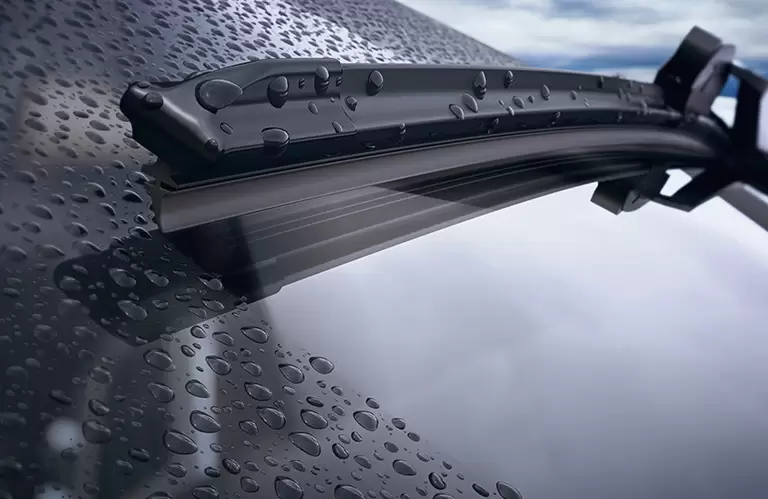
CLEARER VISION ON A RAINY DAY Rain sensors save a driver from the constant distraction of having to flick the wipers to adjust the blade speed. A sensor at the base of the wipers detects the volume of rain falling on the windscreens and accordingly, adjusts the speed of the wipers. It uses two types of sensor – the acrylic fibre system that bonds a bracket for the sensors to the glass, and the silicon system, which bonds the sensor lens to the glass.
Features and Benefits
- Prevents distraction from adding to the driver safety
- Emergency response
- De-clutter Instrumentation panel
Applications
Windscreens



Frequently Asked Questions
The rain sensor on a car windshield is an intelligent feature that automatically detects rainfall on the glass surface. A small sensor placed near the base of the wipers detects the amount of rain falling on the windscreen. It automatically activates the auto sensing windshield wipers as soon as moisture is detected, adjusting their speed according to the rain intensity. This means you don’t need to manually turn the wipers on or change their speed while driving.
A rain sensor windscreen uses an optical sensor that detects the presence and amount of water on the glass surface. When raindrops hit the windshield, the rain sensing windshield wipers identifies changes in light reflection caused by the water. It then automatically activates the wipers and adjusts their speed according to the amount of rain detected. The system typically employs one of two bonding technologies: the acrylic fiber system, which attaches the sensor bracket to the glass, or the silicone system , which bonds the sensor lens directly to the glass. These technologies ensure accurate detection and efficient wiper control, offering a smooth, hands-free driving experience with clear visibility in all weather conditions.
You can easily identify a rain sensor windshield by checking the area behind the rear-view mirror. If your car has one, you will notice a small, dark or transparent sensor module attached to the inside of the glass. This module houses the rain detectors, which detects moisture on the windshield. Another quick clue is your wiper control; if it has an “auto” setting, your car likely has a rain-sensing system. For confirmation, check your owner’s manual under sections related to wipers or driver assistance features. You can also look up your vehicle’s specifications on the manufacturer’s website or contact your dealership to verify the information. If you are still unsure, a technician at an auto service center can easily identify it for you.
The main purpose of a rain sensor is to automatically control the rain sensitive wipers based on the amount of rainfall detected on the glass. It eliminates the need for manual adjustments, which allows drivers to stay focused on the road. By detecting rain or moisture in real time and adjusting the wipers accordingly, the system ensures clear visibility and safer driving in changing weather conditions. It also helps reduce distractions, especially during sudden showers, making it a smart and convenient feature for modern vehicles.
A rain sensor windshield doesn’t require any special or complex maintenance. However, it’s important to keep the area around the sensor clean and avoid using abrasive cleaners or materials on the windshield. Dirt, smudges or residue near the sensor can affect its ability to detect rain accurately. If you notice that the auto rain sensing wipers are not responding properly, it’s a good idea to check the sensor area for dust or obstructions. During windshield replacements, make sure the sensor is correctly reattached and calibrated by a professional technician to maintain smooth and automatic operation.