
Windscreen with ADAS
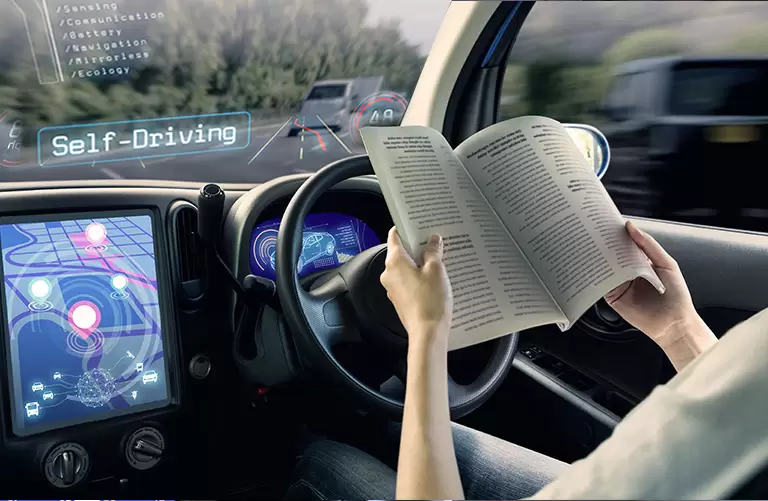
FUTURE OF AUTONOMOUS AIS design of ADAS Windscreens offers seamless integration of the ADAS sensors, cameras, ultrasonic transmitters and steering angle sensors mounted on windscreens with great precision. These sensors see through the windscreens in a compatible environment and ensure quick response essential for assisting the driver for additional safety.
Features and Benefits
- WOW feature
- Assisted Safety
- An answer to the upcoming regulatory safety norms
Applications
Windscreens

Solutions
Visibility and Safety

Passenger Safety with clear vision.
Infotainment

Designed keeping future mobility

Frequently Asked Questions
An (ADAS) Advanced Driver Assistance Systems windscreen is a specially engineered car
windscreen designed to work with modern safety technologies such as automatic emergency
braking, lane departure warning and adaptive cruise control. Unlike standard windscreens, it
includes precise calibration points, sensor mounts and camera alignment zones to ensure
these systems function accurately. Installing the correct ADAS windscreen is essential, as
even minor misalignment can reduce the effectiveness of safety features and compromise
overall vehicle safety. Proper installation helps keep all driver-assist systems operating
reliably.
You can tell if you have an ADAS windshield by visually inspecting the top centre of your
windshield for a camera module, which is often a small trapezoid or rectangular housing
behind the rearview mirror. You can also check your vehicle’s user manual, which often
specifies whether it comes equipped with Advanced Driver Assistance Systems (ADAS). If
you’re unsure, a professional inspection can confirm whether your windscreen supports these
systems.
Yes, if you replace an (ADAS) Advanced Driver Assistance Systems windshield, recalibration
is typically required. ADAS systems rely on the precise alignment of cameras and sensors,
and even a slight shift during replacement can affect their accuracy. Recalibration allows
features like lane departure warning, adaptive cruise control and automatic emergency
braking to function correctly.
Depending on your vehicle, this may be done using either static or dynamic calibration
methods, typically performed by trained professionals with the right equipment. Proper
recalibration is essential for maintaining the safety and reliability of your ADAS features.
An ADAS glass can house several types of sensors and cameras that support advanced safety
features. Common integrations include forward-facing cameras that are usually mounted near
the rearview mirror to monitor lanes, detect vehicles, pedestrians and road signs. Then,
there are rain/light sensors that automatically control wipers and headlights based on
weather and light conditions and ultrasonic sensors that are used for parking assistance or
close-range obstacle detection.
The exact configuration varies by vehicle make and model, but all these sensors work
together to enhance driver assistance and safety features.
ADAS solutions in India are designed to support the precise positioning of cameras and
sensors that power advanced safety features. This precision allows systems like lane
departure warning, adaptive cruise control, automatic emergency braking and traffic sign
recognition to function accurately. Its design ensures sensors have a clear, unobstructed
view of the road, which improves detection and response times. In short, a properly
installed ADAS glass helps these systems operate reliably, enhancing overall vehicle safety
and driver confidence.