
Categories

Common Misconceptions About Back-Painted Glass Explained

Back-painted glass, also known as lacquered glass, has become increasingly popular in recent years. Its versatile and sleek nature makes it a preferred choice in modern architecture and interior design. However, its rapid popularity and glamorous appeal have led to many misconceptions and myths surrounding this stylish material.  

Let’s explore some of the common misconceptions about back-painted glass. 

What is Back-Painted Glass? 

Back-painted glass is predominantly used for decoration purposes. One side of the glass is coated with paint. Manufactured from annealed and tempered glass, it has a glossy finish that enhances the beauty of your house. The painted side of the glass is faced inside the room to add to its aesthetics. 

Back-painted glass can be attached to horizontal and vertical surfaces and is available in different sizes and thicknesses.  

6 Common Misconceptions with Back-Painted Glass 

Some common misconceptions about back-painted glass include: 

1. Fragile and Breaks Easily 

A very common misconception about back-painted glasses is that they are fragile and can break easily. Because the glass looks really aesthetic after being painted, it is often considered dainty. However, this is not true. Back-painted glass is painted on tempered glass, which is five times stronger than the regular glass, making it more durable. Hence, these glasses are ideal for kitchens, common spaces, offices and more.  

The paint also doesn’t weaken the glass. It rather enhances the aesthetics of the glass without compromising on its strength and durability. If installed properly, lacquered glass surfaces can withstand impacts such as heat and daily wear and tear.  

2. Comes in Limited Colours 

Another misconception is that back-coloured glasses come in only a few colours. In reality, they can be made in several colours and any appropriate design. Whether you want bold or pastel colours, the options are endless.

Many manufacturers also custom-make them, allowing you to create one yourself. From natural tones to vibrant hues, they can be tailored to any style or space.  

3. Difficult to Maintain 

Another major misconception of back-painted glass is that it is difficult to maintain. In reality, it is the easiest to clean. Its smooth surface prevents the accumulation of dirt particles and moisture.  

To keep it clean, you need only a soft cloth and a gentle glass cleaner. Unlike textured glasses or glasses with grout lines, they do not trap dust or stains, making them a good choice for commercial spaces and kitchens where hygiene and aesthetics are equally important.  

4. Cannot Handle Heat 

Because people mostly consider back-painted glass dainty, they expect it to not withstand heat. However, when manufactured using tempered glass, it can withstand moderate heat exposure without cracking or discolouration.  

This makes it an excellent choice for kitchens, stovetops, ovens and other heat-resistant surfaces. Its smooth, heat-resistant surface ensures longevity and safety in high-temperature zones. 

5. Too Expensive 

Another common misconception about back-painted glasses is that they are very expensive. While this is a premium glass model, its durability, versatility and look make it very affordable.  

Compared to other interior decorative materials such as tiles, marble, stone, wood and more, it offers a longer lifespan and provides unmatched visual impact. It can instantly spruce up a space and is hence worth the price.

Back-painted glass also eliminates the need for additional finishing, sealing, or grouting, thereby reducing long-term expenses. 

6. Fades Over Time  

Some people believe that the colour of the glass fades over time. In reality, the back-painted glass is made of high-quality material, using UV-resistant paints and advanced techniques to ensure longevity and vibrancy.

When installed, the painted side is inside the house and protected, maintaining the colour and shine for years to come. For outdoor applications, UV-resistant options are available to protect against sunlight exposure. 

Conclusion  

Back-painted glass is elegant, practical, and versatile, offering multiple possibilities to create stunning interior designs. By understanding the facts and moving beyond common misconceptions, you can confidently incorporate back-painted glass into your interiors to add aesthetic appeal and modern sophistication.

The glass is not only durable and cost-effective but also retains its shine and finish for years. Whether you are looking to upgrade your kitchen interiors, bathroom walls, or office partitions, choosing the top back painted glass manufacturer in India can make all the difference.

AIS offers premium-quality back-painted glass solutions designed to enhance your spaces with style, durability, and functionality. From elegant colour options to long-lasting performance, AIS back-painted glass can elevate your interiors while adding a touch of sophistication and grace. Get in touch with us today to explore the perfect solution for your space.
    Categories

    A Guide to Sunroof

    Sunroofs are becoming increasingly common in the automotive industry. With sunroofs becoming a popular trend, car manufacturers offer sunroofs as both standard and optional equipment.

    This sunroof guide explains what a sunroof is, how it works, and tips for choosing the right one for your car.

    What is Sunroof?

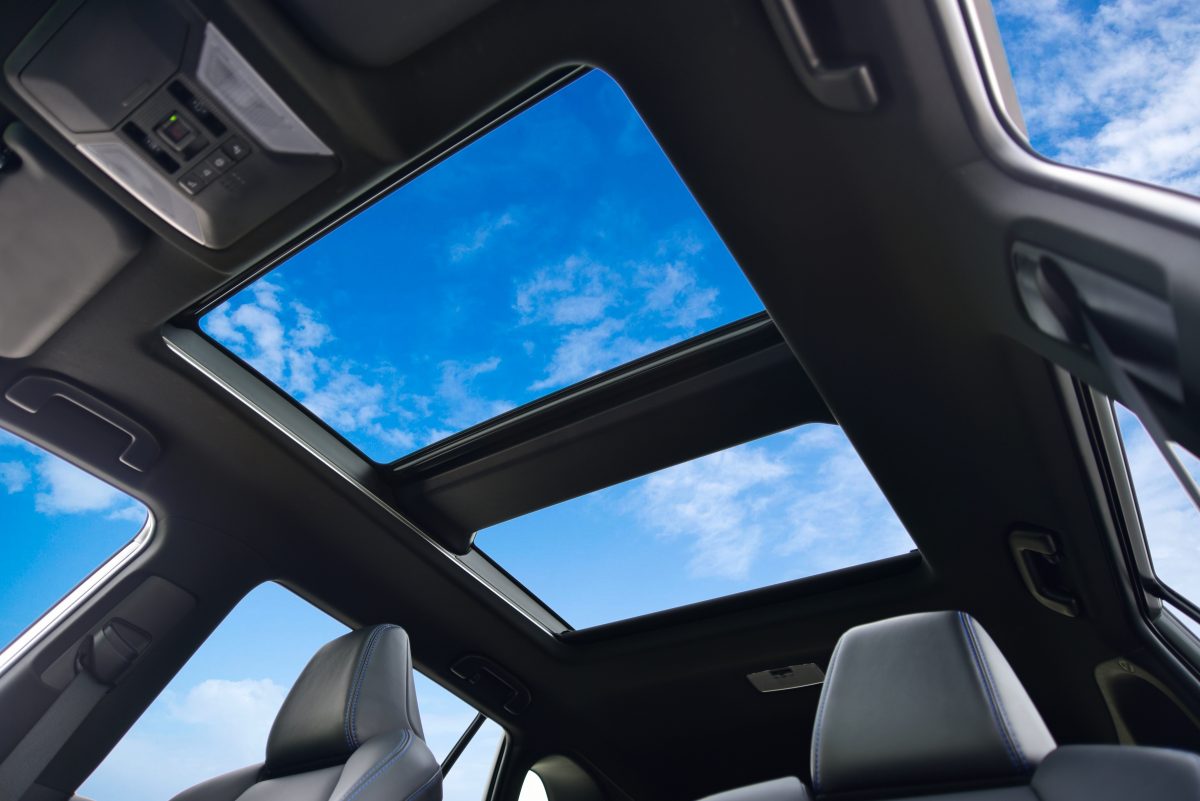
    A sunroof is the glass opening on a car’s roof that allows air and sunlight to enter the passenger cabin. Its operation mechanism is either fixed or moveable. The sunroof glass is typically opaque or transparent and either vents, slides, and retracts onto the roof or goes below the interior headliner.

    Sunroof glass is often made from tempered glass, which is specially manufactured to ensure high durability and longevity. The glass is the most crucial element of a sunroof, as it helps the inside of the vehicle remain cool and offers a clear view of the sky.

    Although made from toughened glass, sunroof glass is prone to damage due to certain reasons.

    Reasons for Sunroof Glass Damage

    Weather Conditions: Sunroof glass can get damaged as a result of harsh weather conditions or intense exposure to UV rays.

    Accidents: Car accidents are one of the most common causes of sunroof damage.

    Neglecting Maintenance:  A lack of maintenance can damage or lead to malfunctioning of sunroof. This includes cracks, condensation between the glass layers, wind noise or operational difficulty opening and closing.

    How to Maintain a Sunroof

    One major reason for sunroof damage is the lack of maintenance of the sunroof. To ensure that your sunroof functions properly without any hassles, you must maintain it in a timely manner.

    Here are a few tips for maintaining your sunroof.

    • Clean the sunroof glass regularly with mild soap and water.
    • Avoid using harsh detergents to clean the sunroof.
    • Inspect for any debris in the tracks or drain channels.
    • Ensure you lubricate the moving parts of the sunroof with a trusted and recommended lubricant.
    • Regularly check for any scratches or other signs of damage on the sunroof glass.
    • Get the damage repaired promptly from a trusted service provider.

    With proper care and frequent maintenance processes, you can ensure the longevity of the sunroof.

    Conclusion

    Sunroofs are becoming increasingly common in the automotive industry.

    Knowing what a sunroof is and how to maintain it reduces the risk of damage. This sunroof guide can help you select the right one for your vehicle. Seeking a reputable service provider can also help you maintain the glass better. On top of that, understanding the benefits of a sunroof can further enhance your driving experience.

    To know more about sunroofs and leading sunroof glass manufacturer, follow AIS Glass for more information.

      Categories

      Float Glass vs Low-E Glass: Which Is Right for Your Project?

      Today, the market offers a wide range of glass types, all offering different levels of efficiency while being aesthetically pleasing. Two of the leading contenders in this category are the float glass and the Low-E glass (low-emissivity). Both offer unique features, benefits and applications. Hence, choosing between the two can be challenging.

      In this blog, we will explore their differences and use cases while comparing them to determine which one is better.

      What is Float Glass?

      Float glass is a smooth, high-clarity glass with minimal optical distortion that serves as the base material for manufacturing various processed glass products, including laminated glass, (toughened) tempered glass, coated glass for interiors, and insulated glass units. Owing to its versatility, it is often referred to as the “mother of all glass.” To learn more about its manufacturing process, features, and applications, read our detailed guide on what is float glass? all you need to know.

      Features of Float Glass

      • Durability: Float glass is highly durable because it is treated in ovens to increase its strength and durability. Although it is the same thickness as regular glass, it is far more efficient. The uniform structure of float glass makes it an ideal choice for designing the interiors and exteriors of your home.
      • Environment-friendly: Float glass helps keep indoor spaces cool during the hot summer months by regulating the temperature. This reduces energy bills, as you have to rely less on air conditioners for cooling.
      • Smooth Surface: The floating process results in an even, smooth surface.
      • Versatility: The properties of float glass allow it to be moulded into designs of varying thicknesses, shades, and sizes, making it suitable for achieving your desired aesthetics.

      Uses of Float Glass

      • Used as a base material for façades in skyscrapers to give them a glistening, glazed look.
      • Used for making wall panels in residential and commercial spaces, adding much-needed vibrancy or a splash of colour.
      • Tabletops and cabinet doors are also made of float glass. Not only does it make your home look more elegant, but using float glass also makes your tabletops and cabinets sturdier and more durable.

      What is Low-E Glass?

      Low-E (low-emissivity) glass is an energy-efficient glass designed to reflect heat and reduce thermal transfer. It features a microscopically thin metallic coating that allows natural light to pass through while helping block ultraviolet (UV) and infrared (IR) rays, improving indoor comfort and energy efficiency. To learn more about its features, benefits, and applications, read our detailed guide on what is low-e glass?

      Features of Low-E Glass

      • Minimises heat gain and heat loss during the hot summer and winter months, respectively.
      • Helps reduce the entry of harmful solar radiation.
      • Low-E coatings come with various coating options based on the climate and application.
      • Reduces reliance on heating and cooling systems, lowering carbon emissions.

      Uses of Low-E Glass

      • Used in windows to reduce heat transfer,
      • Used in both commercial and residential buildings to enhance insulation, improve comfort, and increase energy efficiency.
      • Low-E glass is used in greenhouses to help regulate temperature and humidity.

      Low-E Glass Vs Float Glass

      ParametersFloat GlassLow-E Glass
      Energy EfficiencyNo significant thermal insulation or energy-saving benefitsReflects heat and reduces thermal transfer and minimised energy consumption
      UV ProtectionDoes not block UV raysBlocks UV rays
      CostAffordable and easily availableExpensive due to multiple coatings but offers savings in the long term
      DurabilityIt can be brittle if unprocessedTypically available as tempered glass, offering enhanced strength and safety
      Aesthetic appealClear and smooth, providing a natural look, ideal for most designsIt may have a slightly reflective or tinted appearance
      CustomisationIt can be tinted, frosted or laminated for various purposesAvailable in different coatings for various climatic regions
      Environmental ImpactNatural; does not contribute or take away much from the environmentEco-friendly, reduces energy consumption and carbon footprint
      Common Use CasesIndoor partitions, mirrors, tabletops, retail shelves, and interior doors.Energy-efficient residential windows, commercial building facades, and UV-protected spaces.

      Conclusion

      When deciding between float glass and Low-E glass for your project, choose the option that best suits your requirements, budget, and performance expectations. If you are looking for a versatile and cost-effective solution, float glass is an excellent choice. However, if energy efficiency, UV protection, and improved thermal comfort are your priorities, Low-E glass offers greater long-term value.

      Understanding the features and benefits of both glass types is essential to making an informed decision. As one of the top Low-E glass manufacturers in India and a trusted float glass supplier, AIS offers a comprehensive range of high-quality glass solutions designed to meet diverse residential and commercial requirements. Manufactured using advanced technology and stringent quality standards, our glass products deliver exceptional performance, durability, and aesthetics. Get in touch with AIS today to find the right glass solution for your next project.

        We use cookies to help you get the best possible experience of our site. By clicking 'Accept' you agree to our use of cookies.