
Encapsulation Glass with Brightwork
WHEN GLAZING IS MORE THAN JUST GLASS
Flexible PVC moulding or Polyurethane-RIM (Reaction Injection Moulding) around glass perimeter.
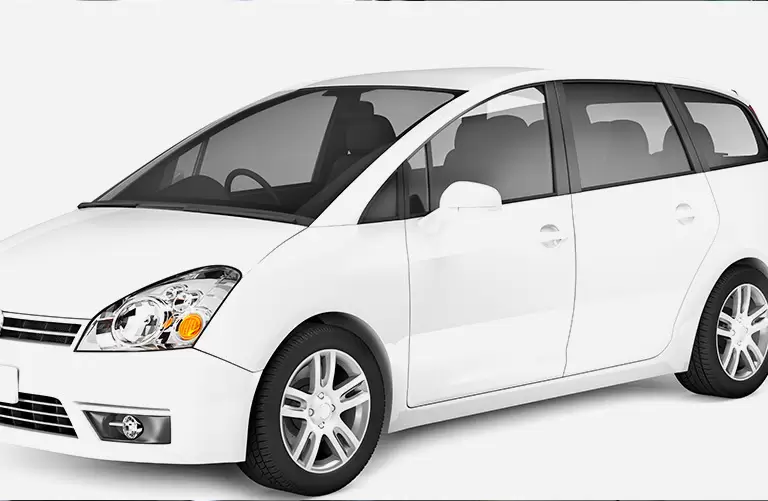
Features and Benefits
- Gives an aesthetically integrated trim to glass
- Reduces tooling cost through the use of composite tooling and cost through supplier integration
- Reduces components handled at customer end
- Brings down overall program timing
Applications
Quarter glass

Sidelites

Solutions
Comfort and Convenience

360 – degree solutions to ensure passenger well-being
Design and Style
A right balance of Form and functionality

Frequently Asked Questions
Encapsulation Glass with Brightwork is automotive glass that comes with a trim built right into it. The trim, made from materials like PVC or polyurethane, is applied around the edge of the glass during manufacturing. This gives the car a sleek, finished look while reducing the number of separate parts needed for installation. It’s commonly used in side windows and quarter glass. This gives the car a polished, seamless look and makes installation simpler and more efficient.
Encapsulated automotive glass typically uses flexible PVC (Polyvinyl Chloride) or Polyurethane-RIM (Reaction Injection Moulding) for the trim applied around the glass edges. These materials are chosen for their durability, flexibility and ability to create a seamless, polished finish that fits securely with the vehicle’s design.
Automakers prefer encapsulation glass because it enhances the vehicle’s overall appearance by providing a sleek, built-in edge finish that blends seamlessly with the car’s design. It also reduces the number of separate components needed for assembly, which makes the production process faster. Additionally, it helps lower tooling and supply chain costs, streamlines manufacturing and supports quicker development timelines for new vehicle models, all while maintaining high-quality standards.
Brightwork around automotive glass encapsulation enhances aesthetics by giving windows and quarter glass a polished, seamless and premium look that complements the vehicle’s. overall design. It creates a refined, high-end look that elevates the exterior styling while maintaining design consistency across the vehicle. On the durability side, brightwork protects the edges of the glass from impacts, vibrations and exposure to harsh weather conditions. It also helps prevent chipping, warping or corrosion, and allows the glass to maintain its shape, strength and finish over the long term.
Yes, encapsulate stained glass can significantly reduce overall manufacturing costs. Integrating the edge finish directly into the glass reduces the number of separate parts that must be handled and assembled. This simplifies the assembly process, shortens production timelines and lowers labour costs. Additionally, it reduces tooling and supply chain expenses by streamlining production, helping automakers achieve cost efficiency without compromising on design or quality.