
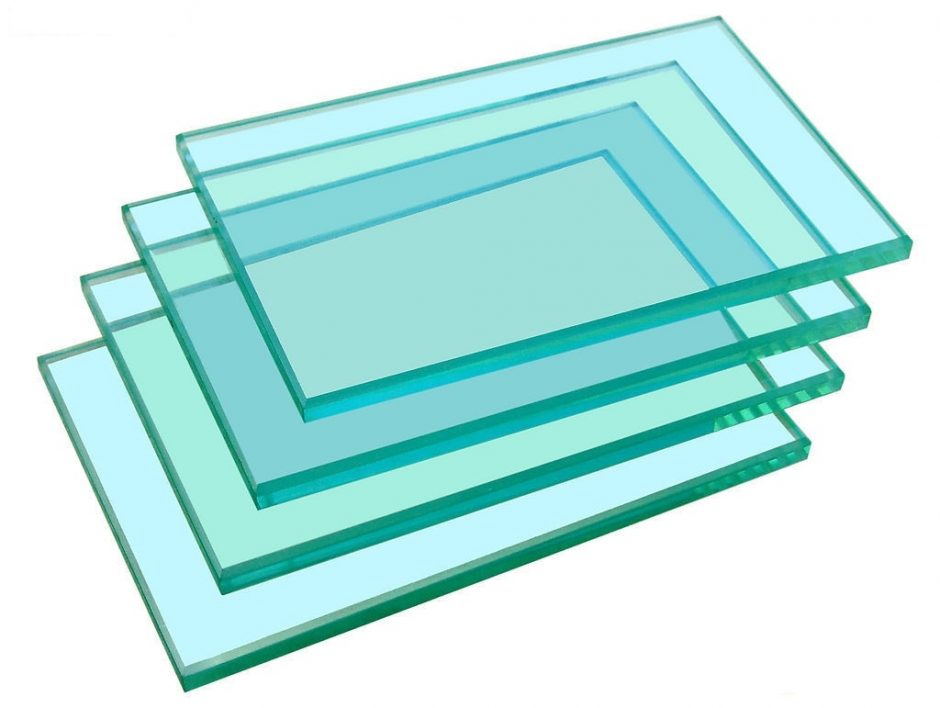
Owing to its brilliant shine, aesthetic appeal, refractive and reflective properties, glass has become a favourite architectural product in modern times. Its versatility is only one of its advantages, for the pragmatic and aesthetic value it adds to your buildings is unmatched. To make it even more appealing and versatile, glass manufacturers have developed different glass types to suit a wide range of applications.
Despite the availability of countless glass types, annealed glass remains one of the most widely used base glass products in the architectural industry. To understand what annealed glass is and how it is manufactured, it is important to explore its key properties. Good-quality annealed glass typically offers high visible light transmission. It is also usually distortion-free and highly customisable.
How is Annealed Glass Made?
Annealed glass is also called float glass. After being molten in a furnace, it is subjected to a regulated cooling process in an annealing lehr until it reaches a strain point temperature. This slow cooling allows the glass sheet to become less brittle and frees it from internal stress. This way, annealed glass is manufactured.
Customisation options for annealed glass include tempering, laminating, frosting and back-painting. All of these processes make annealed glass even stronger.
There are three common types of annealed glass available: frosted, clear and tinted glass. Each type offers distinct visual and light-transmission properties. Learn more about the different types of annealed glass and their applications.
- Frosted Glass: It is a type of translucent glass made by acid etching or sandblasting. It allows light to pass through while obscuring visibility, making it suitable for applications where privacy is required.
- Clear Glass: Clear glass is transparent and commonly used in applications where unobstructed visibility is desired, such as windows, doors and glass partitions.
- Tinted Glass: This glass is produced by adding metal oxides during manufacturing. Tinted annealed glass reduces light transmission and helps manage solar glare.
How Can You Use Annealed Glass in Your Homes and Offices?
Annealed glass, due to its distortion-free nature and durability has plenty of applications in both residential and commercial buildings. It can be used for a variety of internal and external glazing options.
Here are some ways you can incorporate annealed glass in your space.
1. Glass Cabinets
Glass cabinets are commonly used in living rooms, bedrooms and dining areas to display trophies, certificates, decorative items and collectibles. Clear annealed glass offers good visibility, allowing displayed items to remain visible while adding a clean, elegant look to the interiors.
2. Dining or Coffee Tables
Glass tabletops can complement furniture made from wood, metal and other materials. Annealed glass offers a smooth, transparent surface that works well with different interior styles, from minimalist to contemporary designs. However, standard annealed glass can break into sharp pieces, so safety requirements should be assessed when selecting glass for tabletops.
3. Windows
Annealed glass is widely used as a base material for window glazing. Its transparency allows natural light to enter indoor spaces while providing clear outdoor views. Depending on the project requirements, it can also be processed into toughened or laminated glass for applications that require additional safety or strength.
4. Glass Doors
Glass doors can create an open, bright appearance in homes and commercial buildings. Annealed glass can serve as a base material for further processing, but doors in locations where safety glazing is required should use an appropriate safety-glass solution rather than standard annealed glass.
5. Glass Partitions
Glass partitions help divide indoor spaces without making them feel closed off. They are commonly used in offices, meeting rooms and selected residential interiors. Annealed glass may be used in suitable partition systems, subject to applicable safety requirements, installation methods and the location of the partition.
6. Decorative Glass Panels
Annealed glass can be customised through processes such as frosting, tinting and back-painting to create decorative panels. These can be incorporated into interior design schemes, including selected wall features, cabinet fronts and display areas, depending on the glass processing and installation requirements.
7. Mirrors and Interior Décor
Annealed glass can also serve as the base material for mirrors, which are commonly used in bedrooms, bathrooms, dressing areas and commercial interiors. The glass is processed with a reflective coating to create the mirror surface, while the final application should meet relevant safety and installation requirements.
8. Office Furniture and Display Units
In commercial environments, annealed glass can be used in suitable display units, showcases and furniture components. Its clarity makes it useful for displaying products in retail stores, showrooms and reception areas. The appropriate glass specification should be selected based on the furniture design and expected impact or load.
Conclusion
Because of its flexibility in terms of cutting, shaping, and drilling, annealed glass is a very popular choice for all kinds of homes and offices. When you choose annealed glass from AIS, you get endless options for customisation. Our technicians take care of personalising everything, from the cut to the colour of your chosen annealed glass and also ensure optimum quality. For high-end commercial or residential annealed glass products, get in touch with AIS today!