
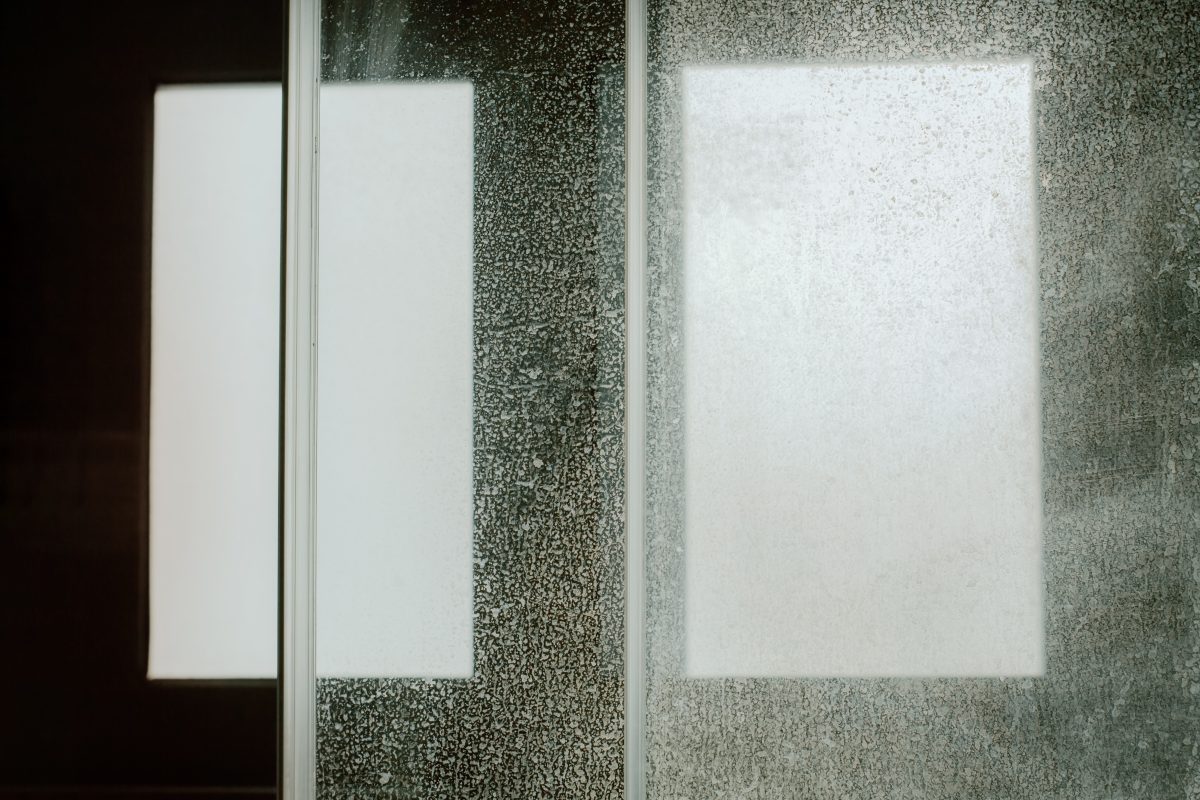
Monsoon rain can quickly make glass windows, doors and façades look dull. Water droplets dry on the surface, while dust and dirt stick to wet glass and leave visible marks. Hard water splashes can also leave mineral deposits behind.
Regular cleaning, proper drying and a few preventive steps can help you control water stains on glass throughout the rainy season.
Why Does Glass Get Water Stains During Monsoon?
- Mineral Deposits: Hard water contains minerals such as calcium and magnesium. When water evaporates, these can remain as cloudy deposits.
- Dust and Dirt: Rain mixes with grime already present on windows and can leave marks after drying.
- Prolonged Moisture: Glass that stays damp for long periods develops spotting and residue more easily.
- Poor Water Runoff: Blocked drainage channels or dirty frames can allow water to collect around the glass.
- Irregular Cleaning: Repeated wetting and drying can make old stains harder to remove.
How To Remove Water Spots From Glass? Common Tips
Most water spots on glass, regardless of the type, can be removed with the simple steps mentioned below. Common glass types like plain, solar glass, laminated glass, tempered glass and coated are also easy to maintain, as long as you use the right materials and clean them regularly.
For instance, coated and tempered glass require daily wipe, whereas plain and laminated glass can be cleaned once every 2-3 days.
1. Clean the Glass Regularly
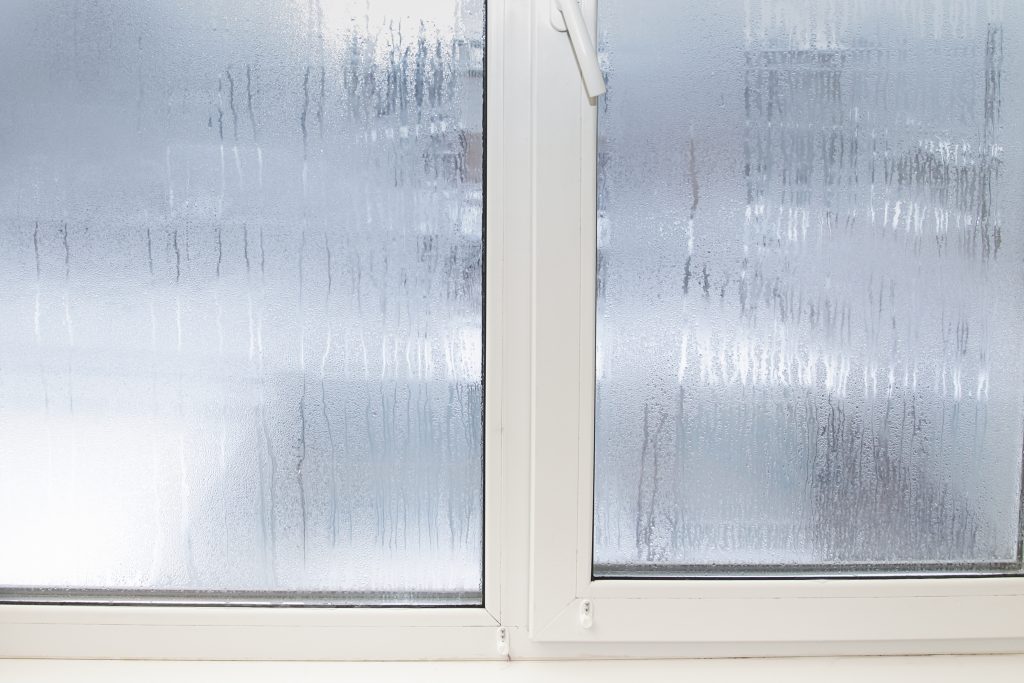
Do not wait for dirt to build up. Wipe exposed glass regularly with clean water and a soft microfibre cloth. This prevents dust, grime and mineral residue from settling on the surface.
2. Use a Squeegee After Rain
When safe and practical, use a clean rubber squeegee on accessible glass after heavy rain. Work from top to bottom. Removing water before it dries is one of the simplest ways to reduce spotting.
3. Choose the Right Glass Cleaner
Use a mild cleaner suitable for your glass surface. Avoid excessive chemicals, as leftover cleaner can cause streaks. If the glass has a special coating or treatment, follow the recommended care instructions.
4. Keep Frames and Drainage Channels Clean
Dirt, leaves and sludge often collect in window tracks and drainage openings during monsoon. Clear them regularly so rainwater can drain instead of pooling near the glass.
5. Use a Compatible Water-Repellent Treatment
A suitable water-repellent treatment can help water bead and run off more easily. However, check that the product is compatible with the glass type and any existing coating before application.
DIY Tips To Remove Water Marks from Glass During Rainy Season
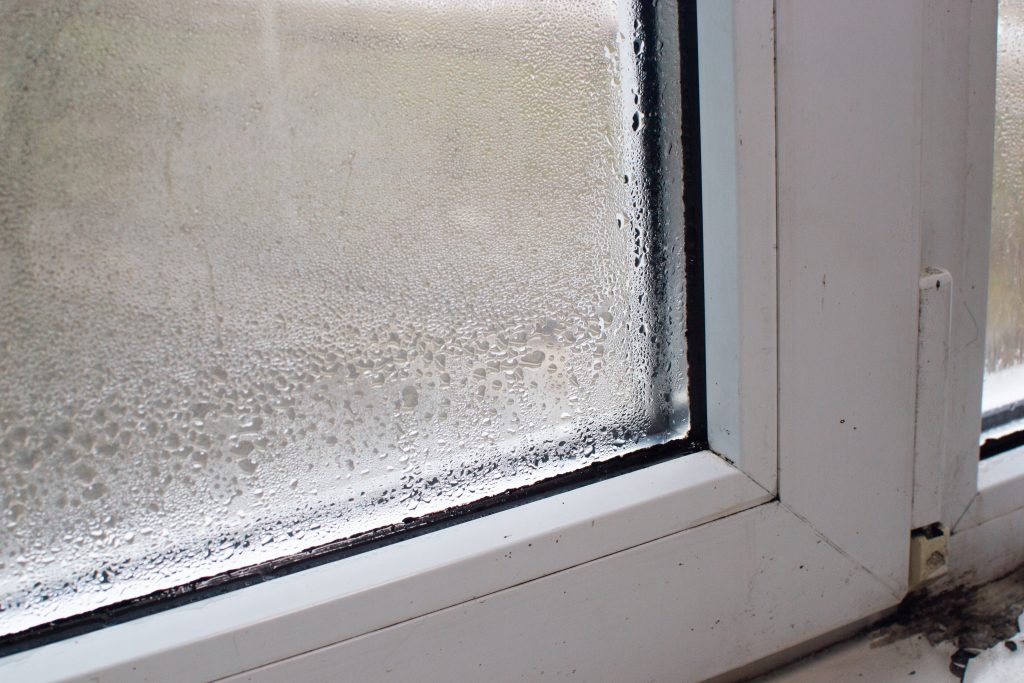
Hard water stains on glass often feel challenging to clean. However, a few simple home remedies and regular cleaning can help you reduce the appearance and formation of hard water spots on glass.
- Wipe the surface with clean water and a soft, lint-free or microfibre cloth.
- Use a suitable glass cleaner for light marks.
- For persistent mineral deposits, use an appropriate descaling product as directed. A mild vinegar-based solution may help on ordinary uncoated glass, but clean specialised or coated glass only according to its care instructions.
- Rinse thoroughly with clean water.
- Dry completely with a microfibre cloth or squeegee.
When removing hard water stains from glass, avoid aggressive scrubbing. Rough pads, blades and abrasive powders can scratch the surface or damage certain coatings. This is especially important when learning how to get rid of hard water stains on glass safely.
Common Glass-Cleaning Mistakes to Avoid During Monsoon
- Letting rainwater repeatedly dry on the glass
- Using steel wool, rough scrubbers or abrasive powders
- Applying too much cleaning solution
- Cleaning hot glass in direct sunlight, as the solution may dry too quickly and leave streaks
- Ignoring stains for long periods
- Allowing dirt and standing water to collect around frames
How Often Should You Clean Glass During Monsoon?
There is no fixed schedule for every property. Sheltered glass may only need routine cleaning, while windows exposed to heavy rain, road dust or construction activity may need more frequent attention.
Inspect exposed glass regularly and wipe it down after heavy rainfall whenever practical and safe. Shower glass or other surfaces exposed to hard water may also benefit from quick drying after use.
What Type of Stain Do You Have? Quick Cleaning Summary
| What you see | Likely cause | Recommended approach |
| Water spots | Rainwater or water droplets drying on the glass | Wipe with a soft, damp microfibre cloth. You can also use a suitable glass cleaner for harsher spots. |
| Dirt marks | Dust, dirt and grime mixing with rainwater | Clean with a mixture of clean water and a mild glass cleaner. Don’t use abrasive scrubbers, as they can impact the glass finish. |
| White deposits | Mineral deposits left behind as hard water evaporates | Use a mild mixture of water and glass cleaning solution. For coated or treated glass, follow the manufacturer’s cleaning instructions only. |
Conclusion – Keep Your Glass Clear Through the Monsoon
Monsoon stains are easier to prevent than to remove after weeks of buildup. Regular wiping, proper drying, clear drainage channels and suitable cleaning products can go a long way in maintaining glass clarity.
At AIS Glass, a leading glass company, we understand that the right glass also needs the right care. We offer a wide range of glass solutions across automotive, architectural and consumer applications.
With simple monsoon maintenance, you can help keep your glass clean and clear through the rainy season and beyond.