
From shining skyscrapers to contemporary co-ops, and from luxurious villas to swanky offices, glass has become a staple element in modern architecture and design. Not only does it lend a sleek and sophisticated appeal to any space, but it is also engineered to deliver exceptional functionality.
Meeting the diverse and evolving needs of today’s consumers, glass solutions have become a top choice across projects. Whether it is safety and durability, acoustic insulation, or energy efficiency, glass offers versatile performance benefits – all while maintaining an elegance that is truly timeless.
At the heart of all modern glass innovations lies float glass – the foundation upon which today’s advanced glass solutions are built. As one of the top glass manufacturers in India, AIS Glass continues to pioneer high-quality float glass and innovative glass solutions for modern architectural needs.
What is Float Glass?
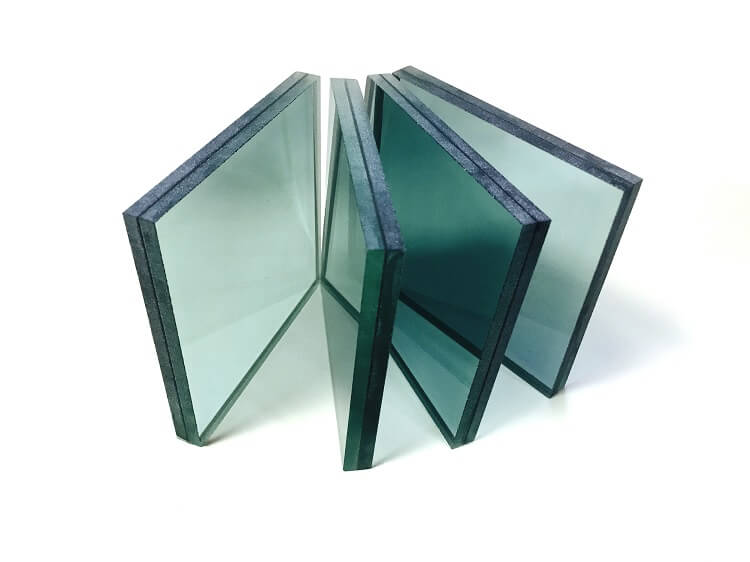
Float glass is a smooth, distortion-free glass that serves as the base material for manufacturing other glass products such as laminated glass, toughened glass, and more. With its natural greenish hue and translucent appearance, it can transmit approximately 87% of incident light. Unlike traditional sheet glass, float glass provides exceptional optical clarity and a crystal-clear view.
The term “float glass” originates from its manufacturing process. In this process, molten glass is poured onto a bath of molten tin, where it floats freely and spreads evenly, resulting in a uniform thickness and a perfectly flat surface.
History of Float Glass
Float glass is the original form of glass – the progenitor of an endless generation of glass solutions. Before learning how it is made, it is important to understand its history. With its invention dating back at least 3,600 years, glass has been a timeless material that has served many generations. However, it was not until the late 19th century that float glass came into existence.
In earlier centuries, glass was made using the blowing and disc methods. Since glass was primarily used for creating windows in those days, flat glass was produced from large discs of crown glass or by blowing glass bottles. The discs were usually cut into pieces, flattened, and then shaped to create windowpanes from the larger surface.
Between 1953 and 1957, Sir Alastair Pilkington introduced the idea of manufacturing float glass to the world. Although Henry Bessemer, a UK engineer, patented early advances in automated glass manufacturing, it was Sir Pilkington who perfected the production of float glass. Bessemer’s original process used a continuous ribbon of flat glass formed between rollers. In contrast, the Pilkington method developed a ribbon of float glass using molten tin, over which molten glass would flow freely under the influence of gravity.
Bessemer’s version was expensive; however, with the efficiency of the Pilkington method, Sir Alastair was able to achieve profitable full-scale sales of float glass by 1960.
Float Glass Manufacturing Process
As the most widely used form of glass in today’s world, it is essential to understand the float glass manufacturing process. It begins with a mixture of raw materials such as sand, limestone, dolomite, soda ash, and salt cake. These materials are melted in a furnace until they fuse together to form molten glass.
In float glass production, molten glass from the furnace is poured into a chamber containing a bed of molten tin. The tin bath is approximately 4 to 8 metres wide and up to 60 metres long. During the manufacturing process, the atmosphere inside the chamber is carefully controlled to ensure proper production of float glass. If you are wondering how float glass is made, tin is used because it has a high density and remains stable and non-reactive in its liquid state at the temperatures required for float glass production, allowing the molten glass to spread evenly and form a smooth, uniform surface.
The glass floating on the tin gradually spreads out and takes a uniform shape, typically ranging from 90 to 140 inches in width, with thickness determined during the manufacturing process.
Once the glass achieves its desired shape, it is polished by fire. It is important to note that only the upper surface – known as the air side or score side – is fire-polished, while the lower surface (the tin side) is left to cool.
For the cooling process, the glass moves from the chamber to a temperature-controlled oven called a lehr. In this kiln, the glass is cooled slowly at a controlled rate in a process known as annealing. Annealing relieves internal stresses, resulting in a strong, uniform, and smooth sheet of float glass. Establishing the correct cooling rate is crucial, as improper temperature control can lead to air bubbles and internal stresses.
Once removed from the lehr, the glass emerges as a continuous ribbon at room temperature. It is flat, has a fire-finished top surface, and features smooth, parallel faces. The glass is then finished using automatic cutters that trim the edges and cut it to the desired length. Float glass can range in thickness from 0.4 mm to 25 mm, depending on specific requirements.
Advantages of Installing Float Glass
Now that we have explored the manufacturing process of float glass, let’s look at some of the key advantages of float glass.
1. Durability
As mentioned earlier, float glass is annealed to relieve internal stress. Although it has a similar thickness to plate glass, it is denser and more uniform, making it a superior choice for both interior and exterior applications.
2. Environment-Friendly
Energy efficiency refers to the ability of glass to regulate indoor temperatures by keeping interiors cooler during summers and warmer during winters. Float glass can also be processed into low-E glass by applying a coating of metal oxides to improve thermal performance.
At AIS Glass, we offer high-performance, energy-efficient glass solutions designed to reduce energy consumption in homes and offices while supporting environmental conservation. AIS Clear Float Glass is 100% recyclable and non-toxic, helping minimise environmental impact. It is also copper- and lead-free, further supporting sustainability efforts.
3. Multitude of Options
As the base material for many glass products, float glass can be further processed into a wide variety of solutions. It is available in different thicknesses, shades, and sizes to meet diverse architectural and consumer requirements.
Various processing techniques – including insulating, glazing, laminating, thermal toughening, silk-screen printing, sandblasting, bending, and acid-etching – can be applied to AIS Clear Float Glass to achieve the desired aesthetic and functional outcomes.
Applications and Uses of Float Glass
From domestic housing to commercial spaces, float glass is a versatile material that serves numerous purposes. Now that we understand the many benefits of installing float glass, let’s explore some of the creative ways it can be used in residential and commercial environments.
1. Displays
Owing to its crystal-clear transparency, float glass is an ideal choice for display applications. It is commonly used for showroom display cases, retail shop windows, and countertops to protect valuable items such as watches and jewellery, while still showcasing them effectively. AIS Clear Float Glass offers brilliant lustre and a crystal-clear finish, enhancing the aesthetic appeal of spaces with its luminosity.
2. Facades
Nothing conveys affluence and sophistication quite like towering, glistening glass skyscrapers. Float glass, when processed with glazing, becomes both aesthetically appealing and highly functional. Glazing enhances the strength and efficiency of the glass, while float glass itself provides superior clarity and visual charm.
3. Wall Panels
Whether used for creating partitions at home or personal cabins in offices, wall panels are an excellent way to enhance décor and elevate visual appeal. Tinted float glass panels can add a vibrant splash of colour and bring new life to any room. At AIS Glass, we manufacture international-quality tinted float glass with heat-reflective properties using advanced CVD technology. We also offer customisable options, including lacquered and frosted finishes, to help create stylish and dynamic spaces.
And there you have it – a comprehensive overview of float glass. One of the most versatile types of glass available, float glass is an excellent choice for decorating homes and offices. As India’s leading integrated glass manufacturer, AIS Glass strives to go beyond the ordinary and create luxurious spaces. We provide expert guidance from the initial selection process through final installation to help our clients achieve their ideal, picture-perfect spaces. Get your expert consultation today.