
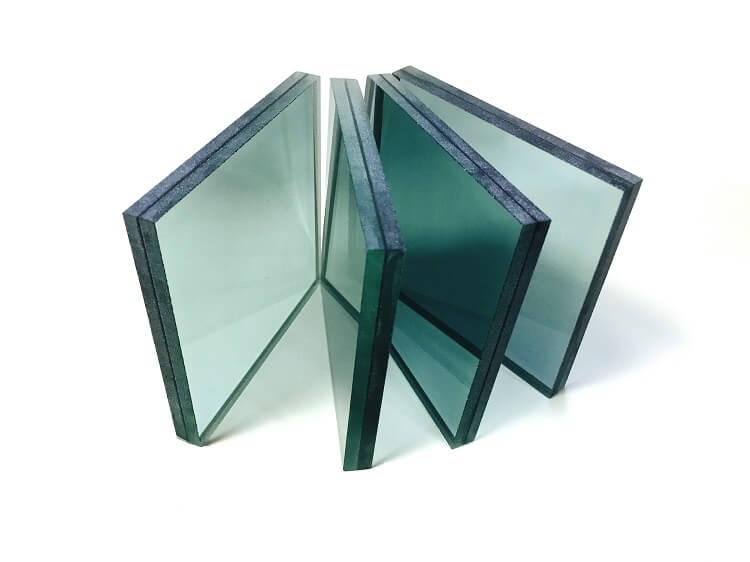
What Is Laminated Glass?
Glass has evolved far beyond its humble origins and now offers a wide range of advanced functionalities that were unheard of just a few decades ago. Today, it is a preferred building material among architects and interior designers and is widely used in structures such as skywalks, walkways, flooring, and modern façades. However, one common misconception about glass is that it breaks easily and can cause serious injuries when it shatters. To address such safety concerns, laminated glass was developed as a stronger and safer solution, designed to hold together upon impact and reduce the risk of injury.
If you are looking for reliable safety and security glass for your home windows, laminated glass can be an excellent choice. Many homeowners often search for “what is a laminated glass” when choosing safety glass for their homes. It is a type of safety glass made by bonding two or more layers of glass with a special interlayer placed between them. This interlayer is typically made of polyvinyl butyral (PVB), which firmly holds the glass sheets together.
In the event of breakage, the interlayer keeps the glass fragments attached instead of allowing them to scatter, thereby reducing the risk of injury and improving security. Laminated glass can also be manufactured with multiple glass and interlayer combinations depending on the required strength, safety level, and application.
How Is Laminated Glass Made?
Laminated glass is manufactured by bonding two or more layers of glass together with a flexible polyvinyl butyral (PVB) interlayer. This is done through a heat-and-pressure process in which the chemical bond formed between the glass and the PVB interlayer does not merely join them but bonds them into a single, durable structure.
What Are the Advantages of Laminated Glass?
Laminated glass is generally used for safety and security purposes. This is because even if the glass breaks, the PVB layers make the glass pieces stick to them so that they do not fall out of the window frame. To learn more about the detailed benefits of laminated safety glass, read this guide on benefits of laminated safety glass for your home or business. This is especially useful in households with small children. The PVB layers also reduce the transmission of UV rays into the house, decreasing the likelihood of skin diseases.
It is much more durable than ordinary glass, even though its installation does not require any special effort or time. It can even resist impact from pieces of metal and rocks. Laminated glass is also much less vulnerable to changes in temperature and pressure than ordinary glass. The viscoelastic properties of the specialised PVB interlayer make laminated glass provide good sound insulation. This is an advantage if there are elderly people or pets inside the house.
Types of Laminated Glass
- PVB Laminated Glass – This is the most common type and uses a polyvinyl butyral (PVB) interlayer. It is widely used in windows, façades, and automobile windshields because of its strong bonding and safety properties.
- SGP Laminated Glass – This type uses an SGP interlayer, which provides higher strength and rigidity. It is often preferred for structural glazing and applications that require additional load-bearing capacity.
- Coloured or Tinted Laminated Glass – Available in different colours and shades, this type enhances aesthetics while also helping control glare and sunlight.
- Acoustic Laminated Glass – Specially designed to reduce outside noise, this type improves indoor comfort and is ideal for homes or offices in busy areas.
For a more detailed explanation of the different laminated glass options available, you can read our guide on laminated glass types.
What Are the Uses of Laminated Glass?
1. Automobile Windshields
The most common use of laminated glass is in automobile windshields. This is because laminated glass is much stronger than normal annealed glass and does not break easily. On the rare occasion that it does break, it does not shatter into sharp shards; instead, the glass pieces stick together, forming a spiderweb-like pattern and thereby reducing the chances of serious injuries.
2. Safety in Buildings (Fire & Earthquakes)
Laminated glass is a good choice for buildings when it comes to protection against disasters such as fire or earthquakes. Laminated glass is more resistant to fire than ordinary glass, which means it takes longer to shatter, allowing occupants time to escape. During an earthquake, the glass does not shatter immediately or fall out of its frames, making it safer for people to move past windows and exit.
3. Glass Canopies
Glass canopies have become popular in exterior decoration because of their aesthetics and practicality. These canopies are generally made using laminated glass, as it resists harsh weather while allowing natural light to enter and helps keep harmful UV rays at bay.
4. Shopfronts, Doors, and Home Windows
Shop windows and doors are often made of laminated glass so they hold together in case of a break-in attempt. For the same reason, laminated glass doors and windows are also installed in homes.
5. Balcony Railings
Balcony railings are often built using laminated glass because of their impact resistance and aesthetic appeal. Moreover, the glass does not obstruct the outside view, even for small children.
6. Infinity Swimming Pools
Infinity or boundary-less swimming pools are generally constructed using laminated glass because it is shatter-resistant and highly pressure-resistant.
7. Skylights and Structural Glazing
Its resistance to temperature changes makes laminated glass suitable for skylights. Skylights made of laminated glass do not easily break or fall even under extreme weather like hailstorms. Other structural applications include glass railings, curtain walls, façades, and roofs.
8. Glass Floors and Overhead Structures
Buildings with glass floors typically use laminated glass because ordinary glass would break under heavy foot traffic. Overhead glass structures are also made of laminated glass so they do not fall into tiny pieces in case of impact.
9. Protective Display Cases
Protective cases in jewellery shops, art galleries, aquariums, banks, money-exchange centres, and showrooms are made of laminated glass for safety. Laminated glass can also enhance visual appeal as it is available in colourful and fabricated variants.
For a more detailed explanation of laminated glass applications, you can read our complete guide here.
Looking for reliable laminated glass solutions? Look no further than AIS Glass, a trusted provider of some of the best laminated glass in India. Our laminated glass variants are designed to provide safety for your home or office and help you live peacefully without outside noise, especially if you live in a bustling city. At AIS Glass, we pride ourselves on providing reliable glass solutions for homes, offices, shops, automobiles, and more. For end-to-end glass solutions that guarantee both structural integrity and aesthetic value, contact us today.