Sidelite Glass for Three Wheelers

Sidelites

Windshield Glass for Three Wheelers

Windshield

Product by Solutions

Product by Brands

Frequently Asked Questions

AIS supplies the following types of three wheeler glasses:
  • Laminated Windshields (under the brand “Lamisafe – LT”) - designed for the Front windshield.
  • Tempered Sidelites and Backlites (under the brand “Temperlite – LT”) - designed for side windows (sidelites) and rear windows (backlites).

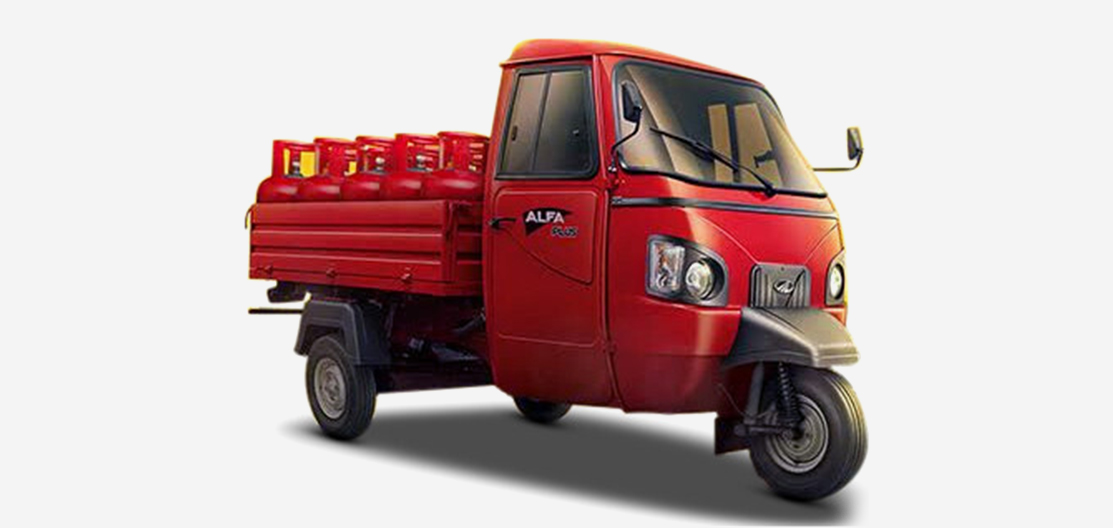
AIS designs three wheeler glass to meet the unique structural and safety needs of smaller, open-frame vehicles. Unlike regular automotive glass, which is often used in enclosed passenger cars, three wheeler glass is designed to withstand higher vibrations, outdoor exposure, and frequent use in rugged conditions. It combines durability with clear visibility and is available in laminated form for three wheeler windshields and tempered form for three wheeler sidelites and backlites. These glasses are engineered to offer enhanced safety, strength and comfort while providing reliable performance even in challenging environments.

In India, the safety glass used in three wheelers must follow the standards set under the Central Motor Vehicles Rules (CMVR), 1989.
  • According to Rule 100, the windscreen and windows for three wheelers of every motor vehicle must be made of safety glass or safety glazing material.
  • For three-wheelers (vehicle category L5), the rules also permit the use of transparent acrylic or plastic sheets in place of glass, provided they meet the safety and visibility standards.
  • All glass used must comply with IS 2553 (Part 2): 2019, which defines the specifications for road transport safety glass.
  • Additionally, the Visible Light Transmission (VLT) requirement mandates that the windshield and rear glass must allow at least 70% light, while side windows must allow at least 50%.
  • Manufacturers are required to ensure that any laminated or tempered glass used is BIS-certified and clearly marked for compliance with relevant standards. 1 These standards together ensure the driver’s visibility, passenger safety and protection against injuries caused by glass during impact .

We use cookies to help you get the best possible experience of our site. By clicking 'Accept' you agree to our use of cookies.